



Sign in
For Photos4Travel editors and team members.
Aruba · Things to Do
Things to Do in Aruba: Beaches, Landmarks & Island Experiences
The most useful things to do in Aruba fit into three different days: a northwest coast day, a town-and-culture day, and a deliberately planned adventure day. Trying to collect every beach, cave and viewpoint in one circuit turns a small island into a long day in the car. Start with the experience you most want, then add one nearby stop and leave room for lunch, swimming or a slower walk.
On this page · 8 sections ShowHide
This guide helps you choose activities beyond the hotel. The detailed Aruba beaches guide compares shore access and facilities, while Aruba adventure activities covers Arikok and the more demanding outings. For a whole-trip sequence, return to the Aruba travel guide.
Choose a day that suits your trip
A good first visit needs variety rather than a succession of similar viewpoints. Pair a coastal afternoon with the lighthouse, choose Ayo for a short inland excursion, or take a guided visit at the Butterfly Farm or Aruba Aloe when you want an activity with an explanation. Oranjestad gives a day its walking, shopping and restaurant component.
Swipe or scroll the table sideways to compare the options.
| Experience | Choose it for | Planning decision |
|---|---|---|
| California Lighthouse | Coastline views and evening light | Ground-level visit or a separate tower climb |
| Ayo rock formations | Boulders, short paths and cultural context | Stay on the established paths and allow for heat |
| The Butterfly Farm | A guided nature visit near the hotel coast | Allow time beyond the short guided introduction |
| Aruba Aloe | How an island crop becomes a finished product | Check tour hours separately from shop hours |
| Oranjestad | A town walk followed by food or shopping | Walk a compact area instead of crossing town repeatedly |
Travel Tip: Put the stop with a fixed opening time or reservation first. Keep the beach or open-air walk flexible, so a late start does not force you to rush the whole day.
California Lighthouse: see how the northwest coast fits together
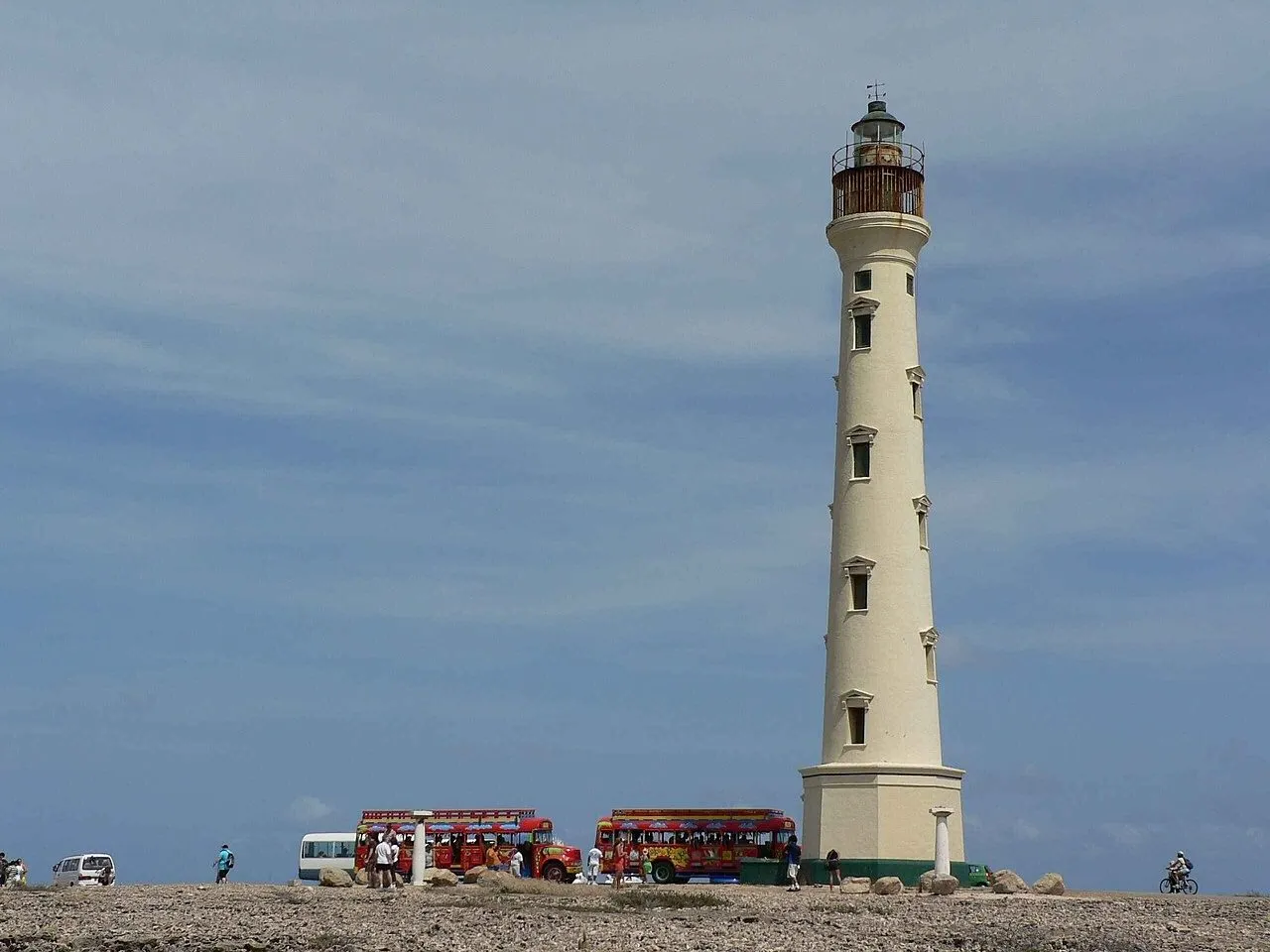
California Lighthouse stands at Hudishibana near Aruba’s northwestern tip. From this end of the island, the transition between the western beach coast and the exposed shore becomes easier to understand. It is a useful stop for travelers who want a view without committing to an off-road expedition. The tourism authority’s lighthouse page describes both the setting and the option to climb the tower; check the current admission arrangements before treating the climb as part of your plan.
The ground-level viewpoint and the tower are different experiences. Choose the climb because you want the higher perspective and can manage the steps, rather than assuming every member of a group needs to do it. Someone who stays outside can still enjoy the landscape. If you need step-free access, confirm the approach and parking arrangement directly instead of relying on a photograph of the entrance.
Combine the lighthouse with Arashi or the Malmok coast, keeping swim decisions for the conditions you find on arrival. For evening light, reach the viewpoint before the sun is on the horizon and leave time to find a safe place to stand. Arrange your return journey before dinner: a beautiful sunset is a better end to an afternoon when nobody is watching the clock for a taxi or the last part of an unfamiliar drive.
Ayo rock formations: take an inland break from the beach
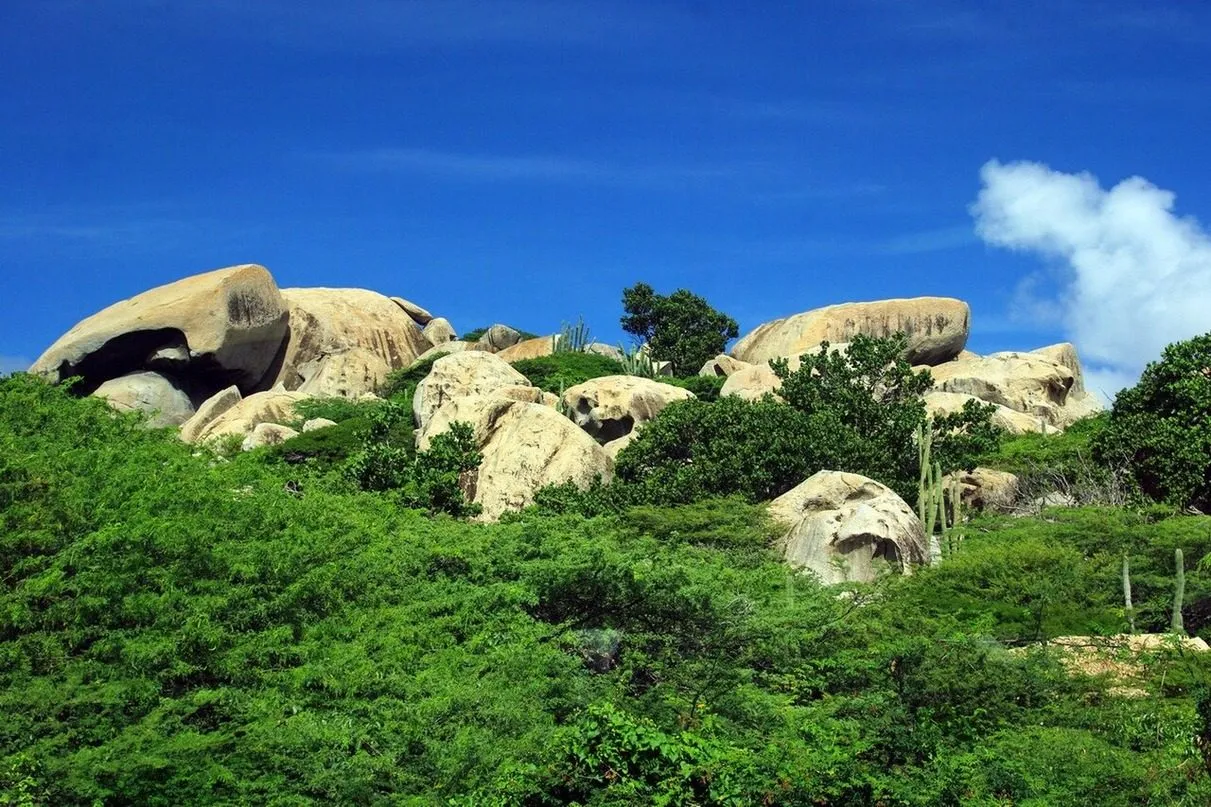
Ayo offers a different scale of scenery: large boulders, narrow spaces between them and a chance to look at the island from inside its landscape. The official Ayo information identifies established paths and Indigenous rock drawings. Treat the drawings as cultural heritage to observe without touching; following an existing route is more useful than scrambling toward the highest rock you can see.
Choose this stop when you want a manageable inland outing rather than a full hiking day. Wear footwear that grips on stone, carry drinking water, and let the slowest walker set the pace. A short route can still feel demanding in direct sun. If the ground is wet or somebody is uneasy with uneven steps, enjoy the formations from an easier section instead of making a summit the test of whether the visit was worthwhile.
Casibari is another inland rock-formation option, with paths and steps described by the tourism authority. One rock stop is often enough for a beach-focused trip; choose both only if geology, photography or exploring on foot is a real interest. That choice leaves time for an unhurried lunch and avoids turning a varied day into a checklist of similar photographs.
The Butterfly Farm: slow down for a guided nature visit
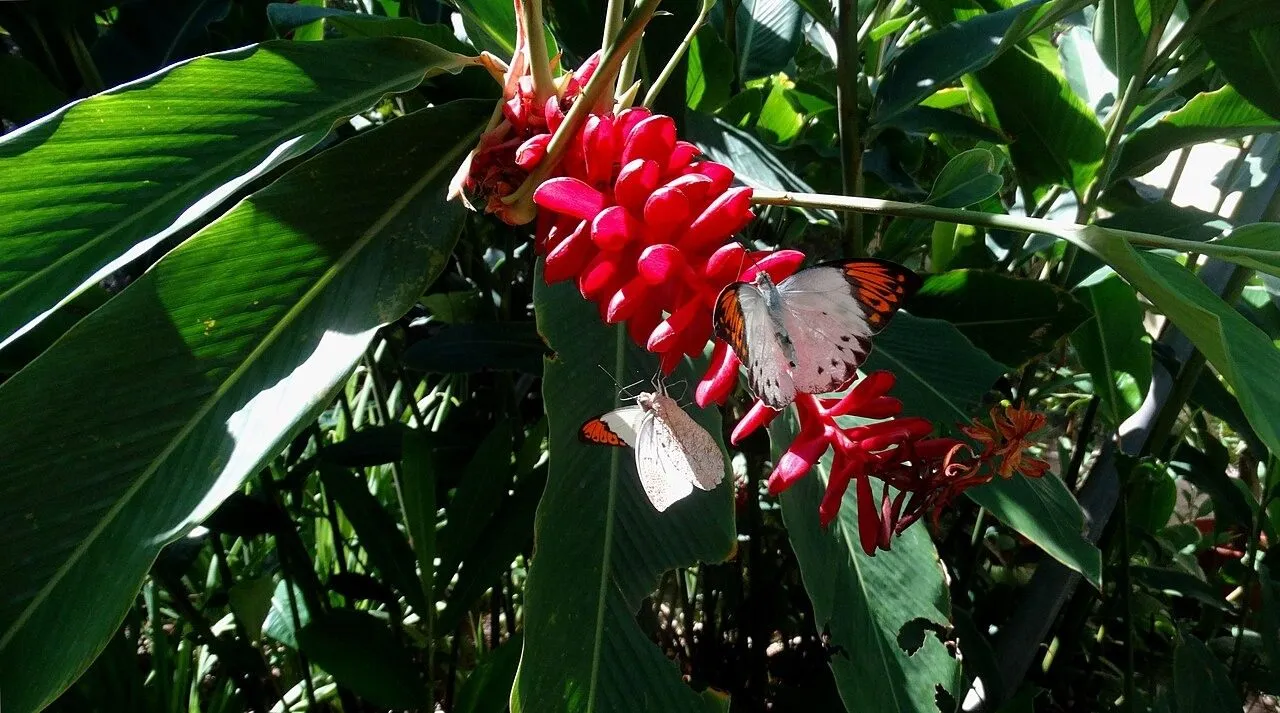
The Butterfly Farm suits travelers who enjoy noticing small details: a butterfly feeding, a wing pattern, or the difference between a moving subject and one that has settled on a leaf. It provides a change of pace from driving between viewpoints. The operator’s visitor FAQ explains that the guided introduction lasts about 20–25 minutes and is included in admission; visitors can remain longer afterward.
Plan to use that extra time. A short tour followed immediately by a departure gets you the explanation but little chance to look for yourself. Families can let children pick one subject to watch, while photographers can wait for a clear background instead of chasing every butterfly around the enclosure. Follow the staff’s handling rules and give other visitors space around a promising subject.
The farm says mornings favor activity, while afternoons can suit photography when butterflies settle. Use that as a preference, not a promise of particular behavior. Its published information also covers wheelchair access, admission and group-booking requirements. Confirm arrangements that matter to your party before leaving the hotel. A visit here works particularly well on a day when you want one organized activity and a long, flexible afternoon on the nearby coast.
Aruba Aloe: connect the fields with the finished products
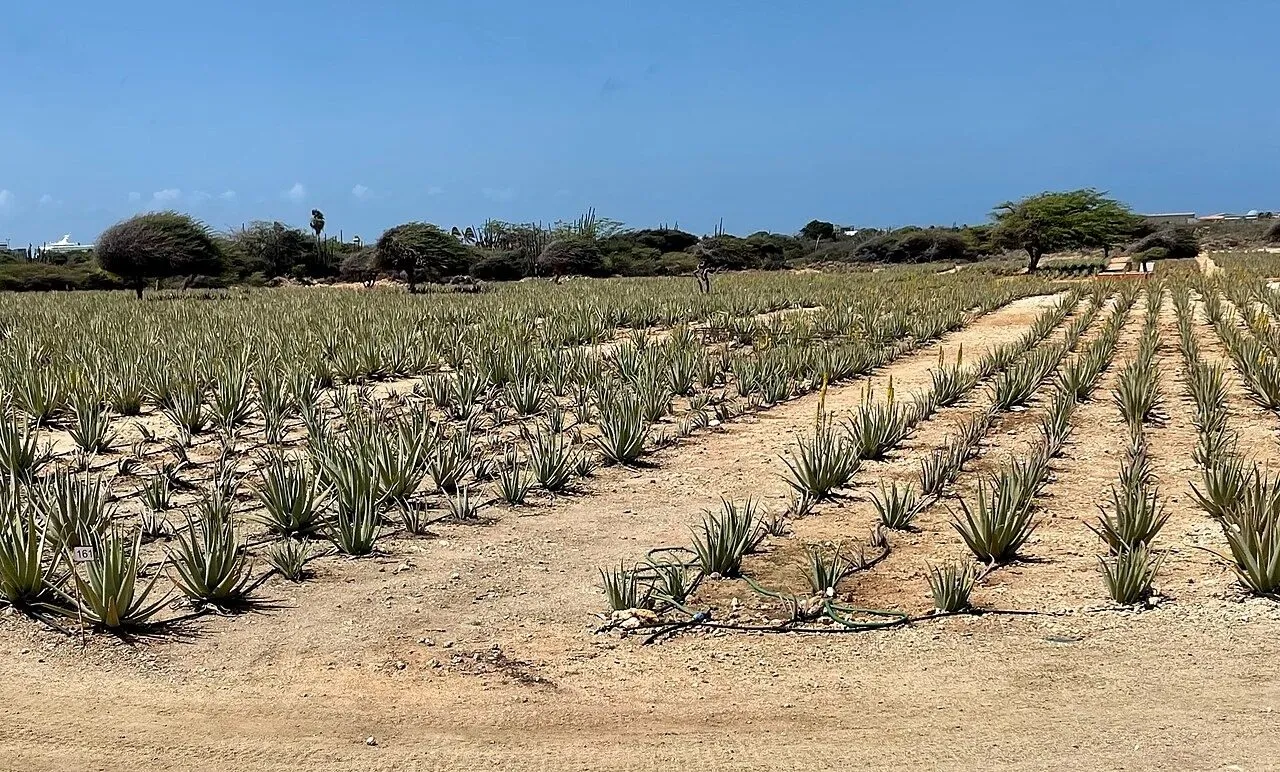
Aruba Aloe’s factory and museum at Hato give a familiar holiday purchase a more interesting backstory. The company’s free museum and factory tour links the plant, harvesting and production process. Its visitor contact page lists Pitastraat 115 and distinguishes the opening hours of the premises from the hours of the tours. Check the tour window before building a late-afternoon shopping stop around a demonstration.
Go because you want to understand what you are buying. Watching a production explanation can make the difference between choosing a product for a specific use and collecting another souvenir bottle. The useful questions are practical: what the product contains, how to use it, what size you will actually finish, and whether its packaging is convenient for your journey home. A factory visit does not turn every product into the right choice for every skin type.
Keep the visit and any purchases as separate decisions. Someone who wants only the museum need not reserve a large shopping budget, and someone comparing gifts can take time to read labels. Pair Hato with a town or inland outing rather than making a detour from the far south for a short stop. Read the responsible spending notes when choosing local products, and use Aruba travel tips for packing and the return journey.
Oranjestad: build a town walk around Plaza Daniel Leo
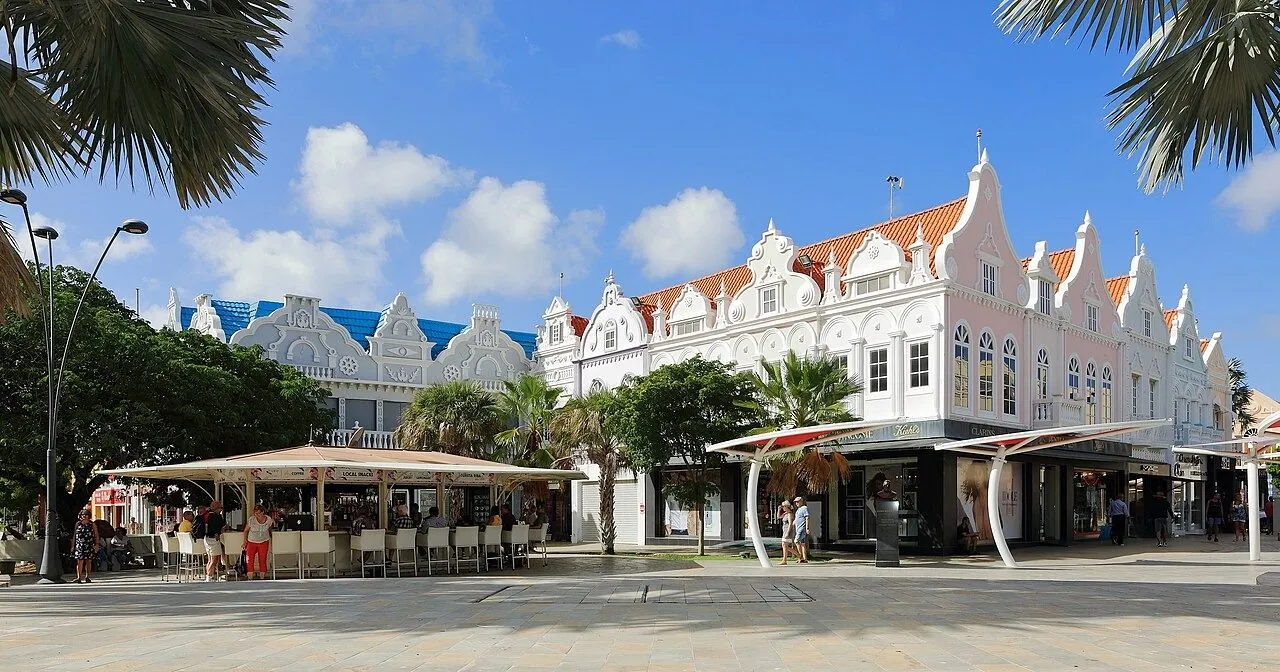
Oranjestad is most rewarding when you give it a compact walking plan. Start around Plaza Daniel Leo, take time to notice the colorful commercial façades, then continue toward the waterfront or a preselected lunch stop. The point is to spend less time deciding which direction to drive and more time actually seeing a town. The island’s official Oranjestad overview is a useful orientation to the capital; opening times for individual museums and businesses still need their own checks.
Allow for heat and uneven energy levels within a group. A café break halfway through a short walk can make the afternoon work better than adding another distant sight. Shopping also takes time: if one person wants to browse while another wants architecture or photography, agree on a meeting point and a realistic finish. Keep the day’s restaurant choice nearby; the Aruba food and drink guide helps you distinguish a quick meal from a dinner worth reserving.
San Nicolas offers a separate town-and-art interest in the south. Treat it as the anchor of a southern day with Baby Beach, rather than a quick extension of a northwest beach circuit. Give its streets and murals their own time, with a local art walk if you want the background to the works. Use Aruba’s areas and destinations to decide which town fits your route.
Leave room for a beach day and a separate adventure
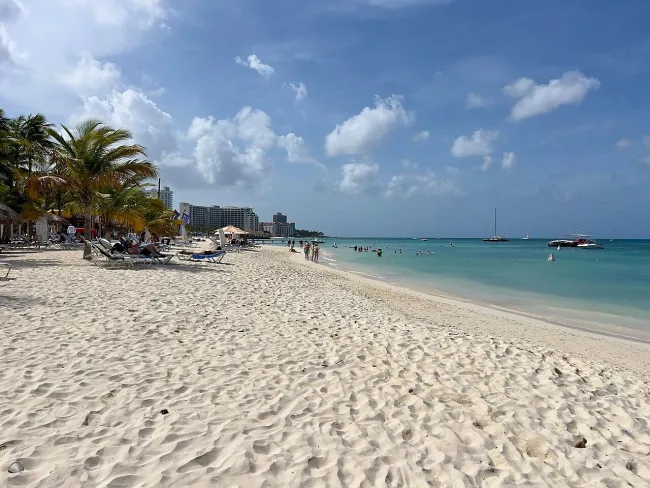
Eagle Beach, Palm Beach and Baby Beach answer different needs, so choose your beach from the shore-access and facilities comparison rather than assuming they are interchangeable. Palm Beach is convenient for many resort-based activities; Baby Beach is near San Nicolas in the south. Calm-looking water is not a year-round swimming guarantee, and at Baby Beach the official guidance tells snorkelers to remain inside the marked area.
For an organized water activity, Pelican Adventures’ 2.5-hour catamaran trip lists snorkeling stops at Boca Catalina and the Antilla wreck. Snorkel equipment, guides, snacks and an open bar are included; hotel transfers are not. Check in at Pelican Pier 30 minutes before departure and arrange your journey there. The listing excludes non-swimmers and wheelchair users, so check swimming and boarding requirements before reserving.
View the snorkeling cruiseon GetYourGuide
Arikok deserves a separate decision about vehicle, route and effort. Conchi cannot be reached in an ordinary rental car, and a rough coast can make a planned swim unavailable. The park operator prohibits ATVs, UTVs and motorbikes in protected nature areas. For Conchi approaches, caves and a sensible fallback, read the adventure guide before booking. A tour should explain exactly which places and transport it includes.
Things to do in Aruba: practical questions
What should a first-time visitor prioritize beyond the beach?
Choose one town visit and one experience that explains the island: Oranjestad plus Ayo, Aruba Aloe or the Butterfly Farm makes a varied start. Add the lighthouse to a northwest coast day, and reserve Arikok for a separate plan.
Can I see the lighthouse, Baby Beach and Conchi in one easy day?
They involve different parts of the island and different access needs. A northwest beach-and-lighthouse day, a southern town-and-Baby-Beach day, and an Arikok outing are more realistic building blocks than one rushed circuit.
Do I need a car for every activity?
No. Your hotel location and the activity matter. Compare bus, taxi and rental options in the transportation guide. A regular car may suit town and roadside stops while remaining unsuitable for Conchi.
Which visit works well when I want less walking?
The Butterfly Farm publishes wheelchair-access information, and Aruba Aloe offers a structured tour. Confirm the actual route and any individual needs with the operator; rock paths and the lighthouse tower require a different assessment.
Are these routes suitable for photography?
Yes, but match the plan to the subject. Use the Aruba photo spots guide for light and viewpoint decisions. Keep paths clear, protect cultural sites and follow the rules at each venue.
We may earn a commission if you book through our GetYourGuide links.
Tours, Tickets & Experiences
Aruba Travel Tips & Inspiration