
User login
Aruba Airport
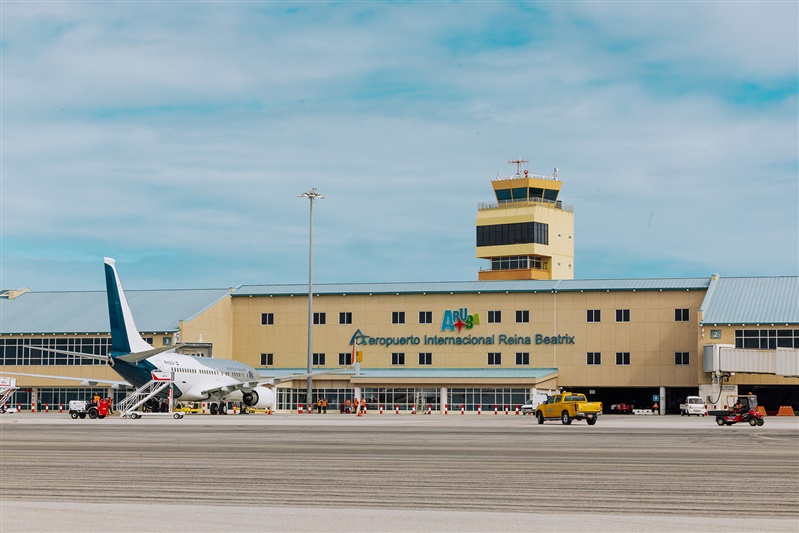
Aruba Airport Guide – Queen Beatrix International (AUA)
If you are flying into Aruba, you will land at Queen Beatrix International Airport (AUA), the island’s only commercial airport and the main gateway to the Dutch Caribbean sunshine. For such a small island, Aruba’s airport is surprisingly efficient and well-organised, with U.S. preclearance facilities, modern terminals and straightforward transport links to the major beach areas.
This guide focuses on what most travellers really need to know: how the airport is laid out, how to get to your hotel quickly, what to expect with security and U.S. immigration, and a few practical tips that can save you time, money and stress. For a broader overview of the island, you can also read our main Aruba Travel Guide and detailed Aruba Transportation Guide.
Where Is Aruba Airport and How Far Is It from the Resorts?
Queen Beatrix International Airport lies just south of Oranjestad, Aruba’s capital, only a short drive from the island’s main hotel zones. The runway and terminal sit close to the coastline, so as you land you usually get your first glimpse of Aruba’s famous turquoise water before the wheels even touch the ground.
- Oranjestad city centre: roughly 4 km (about 10–15 minutes by taxi in normal traffic).
- Eagle Beach (low-rise hotel area): around 15–20 minutes’ drive along the west coast.
- Palm Beach (high-rise hotel strip): about 20–25 minutes, depending on traffic and hotel location.
- San Nicolas & Baby Beach: allow 30–40 minutes to reach the far south-east of the island.
Because distances are short and roads are generally in good condition, transfers rarely feel long. Traffic can build up during rush hours and busy departure banks, but compared with major-city airports, Aruba’s arrivals experience is usually very manageable.
Terminals, Check-In and U.S. Preclearance
Aruba Airport has a compact terminal layout with separate flows for U.S.-bound passengers and flights to Canada, Europe, South America and the rest of the Caribbean. Signage is clear and walking distances are short, which is helpful if you are travelling with children or carrying beach gear.
U.S. flights and preclearance
One of Aruba’s biggest advantages is that it offers U.S. Customs and Border Protection (CBP) preclearance. This means that if you are flying to the United States, you complete immigration and customs in Aruba before boarding your flight. When you land in the U.S., you arrive as a domestic passenger – usually with shorter lines and easier connections.
The airport has a modern U.S. Departures Terminal with streamlined check-in, baggage drop, security and CBP inspection. The process is still multi-step, but much smoother than the old “double screening” system. Plan to arrive at the airport at least three hours before your scheduled departure for U.S.-bound flights, especially on busy days and during peak midday waves.
If you are enrolled in Global Entry or using the official Mobile Passport Control (MPC) app, have your details ready – the dedicated kiosks and lanes can significantly reduce the time you spend in the preclearance area. Always keep your passport and boarding pass accessible; they will be checked several times before you reach your gate.
Other international flights
For flights to Canada, Europe, South America and neighbouring islands, check-in and security take place in the main departures hall without U.S. preclearance. In most cases, arriving at the airport two hours before departure is sufficient, though at peak holiday times it is wise to allow a little extra.
Airlines serving Aruba include major North American carriers, Dutch and European airlines and regional operators that connect the island with Curaçao, Bonaire and other Caribbean destinations. If you are planning onward travel in the region, check our Aruba Things to Do guide for ideas on day trips and multi-island itineraries.
Arrivals: Getting from the Airport to Your Hotel
After clearing immigration and customs, you exit into the arrivals area and then outside to the transport zone. The good news is that you have several reliable options, from budget-friendly buses to comfortable private transfers.
Airport taxis
Official airport taxis line up directly outside the terminal. Fares are fixed by the government and charged per car, not per person, which is helpful for couples and families. Prices vary by zone, but you can expect:
- Short rides to Oranjestad to be relatively affordable.
- Trips to Eagle Beach and Palm Beach to cost a bit more but still reasonable for the distance.
- Larger vehicles and late-night surcharges may increase the fare slightly.
Drivers are used to handling luggage and know the hotel areas very well. Taxis are ideal if you want a door-to-door, air-conditioned ride straight to your resort without worrying about timetables.
Shared shuttles and private transfers
Several companies operate pre-booked shuttle buses and private transfer services between the airport and major hotels. Shared shuttles are usually cheaper than taxis but may take longer due to multiple stops. Private transfers cost more but offer extra comfort, guaranteed vehicle type and a driver waiting with your name sign after baggage claim.
If you are travelling during high season, arriving late at night or carrying lots of luggage, it can be worth booking your transfer in advance. Many travellers combine arrival and departure transfers in one round-trip booking for convenience.
Public buses
The island’s public bus company, Arubus, runs routes between the airport, Oranjestad and the main hotel strip. The bus stop is located just outside the airport grounds. This is the cheapest way to reach the city or beaches, but it is not always the most convenient if you have heavy bags or are arriving with tired children.
Buses are a good option if:
- You are staying close to the main route along the west coast.
- You are travelling light.
- You do not mind a longer journey with a few stops.
For more detail on routes, tickets and using the bus system elsewhere on the island, see our Aruba Transportation Guide.
Car rental at Aruba Airport
If you prefer to explore independently, several international and local car rental companies have desks at or near the terminal. Booking ahead almost always gives you better availability and pricing, especially over holiday periods.
Driving in Aruba is relatively straightforward: roads are mostly paved, distances are short and signage is improving. A rental car is useful if you plan to visit Arikok National Park, Baby Beach, the lighthouse and other viewpoints beyond the main hotel strip. For more advice on driving, parking and fuel, check our Aruba Travel Tips.
Facilities and Services at Queen Beatrix International
Aruba Airport is not huge, but it offers a solid selection of essential services, shops and places to eat before your flight. The atmosphere is relaxed and friendly, in keeping with Aruba’s “One Happy Island” slogan.
Money, ATMs and mobile services
- ATMs: Cash machines are available both landside and airside, dispensing Aruban florins and often U.S. dollars.
- Currency exchange: Limited exchange services operate in the departures area, but many travellers simply withdraw cash from ATMs.
- Cards: Credit and debit cards are widely accepted at most shops, restaurants and car rental counters.
- SIM cards & eSIM: Local telecom providers have desks or kiosks where you can buy a SIM for data and calls; eSIM options can be activated online before you arrive.
Food, drinks and shopping
Both the main departures hall and the U.S. preclearance area include cafés, bars and quick-service restaurants where you can grab coffee, snacks, sandwiches or a final cocktail with a view of the runway. Duty-free shops sell spirits, cosmetics, perfume, chocolate and Aruban souvenirs such as aloe products and local rum.
If you are looking for more substantial meals or a wider restaurant choice, it is often better to eat in Oranjestad or at your hotel before heading to the airport. Our Aruba Food & Drinks guide has plenty of suggestions for pre-flight dining on the island.
Lounges, Wi-Fi and workspaces
- Wi-Fi: The airport offers wireless internet access; check local signage for the current network name and conditions.
- Lounges: Certain airlines and independent providers operate lounges with more comfortable seating, snacks and drinks. Access may be granted via business-class tickets, elite status, day passes or lounge membership programs.
- Power outlets: Charging points are available near some gates, but it is still a good idea to bring a fully charged power bank.
Accessibility and family services
Aruba Airport is generally accessible for travellers with reduced mobility. Wheelchair assistance should be requested through your airline in advance. Elevators, accessible restrooms and priority lanes are provided in key areas, although at peak times there may still be queues.
Families will find baby-changing facilities in selected restrooms, and there is usually enough seating in the gate areas to park a stroller and keep children occupied. Bringing a small travel snack pack and downloaded entertainment on a tablet often helps during busy preclearance periods.
Departure Day Tips: How to Make Aruba Airport Less Stressful
A smooth airport experience can leave a lasting final impression of your trip. These practical tips are based on how Queen Beatrix International is organised and what frequent visitors recommend:
- Arrive early for U.S. flights: Plan on three hours before departure, especially on Fridays, Saturdays and Sundays when midday departures are busiest.
- Check in online when possible: Having your boarding pass ready can save time at the check-in counters.
- Keep documents handy: Passport, boarding pass and any entry/exit forms will be checked multiple times in the preclearance process.
- Pack hand luggage smartly: Put electronics and liquids where you can easily remove them for security screening.
- Have a small “airport kit”: A refillable water bottle (to fill airside), snacks, a light sweater and a power bank make waiting more comfortable.
- Leave beach time for earlier in the day: Avoid cutting it too close after a last swim – traffic, security queues and preclearance can take longer than expected.
If you are combining your departure with some final sightseeing or a last walk on the sand, our Aruba Beaches guide and Nightlife in Aruba article can help you choose where to spend those last precious hours before heading to the airport.
Is Aruba Airport a Good Hub for Island Hopping?
Thanks to its location and strong air connections, Aruba can work well as a base if you are planning to visit nearby islands or parts of northern South America. Regional airlines operate flights to destinations such as Curaçao, Bonaire and some mainland cities, although schedules and prices can vary.
If island hopping is part of your plan, consider spending at least a couple of full days on Aruba itself to enjoy the beaches, snorkelling and relaxed atmosphere. Our Aruba Things to Do guide is a good starting point when you are planning how to combine your flight days with sightseeing.
Whether Aruba is your only stop or just one chapter of a longer Caribbean journey, Queen Beatrix International Airport is designed to get you from plane to palm trees with minimum hassle. Understanding how the airport works – and planning your transfers and preclearance time in advance – will help you start and end your trip on the island’s signature note: relaxed, sunny and happy.