
User login
Aruba Fast Facts
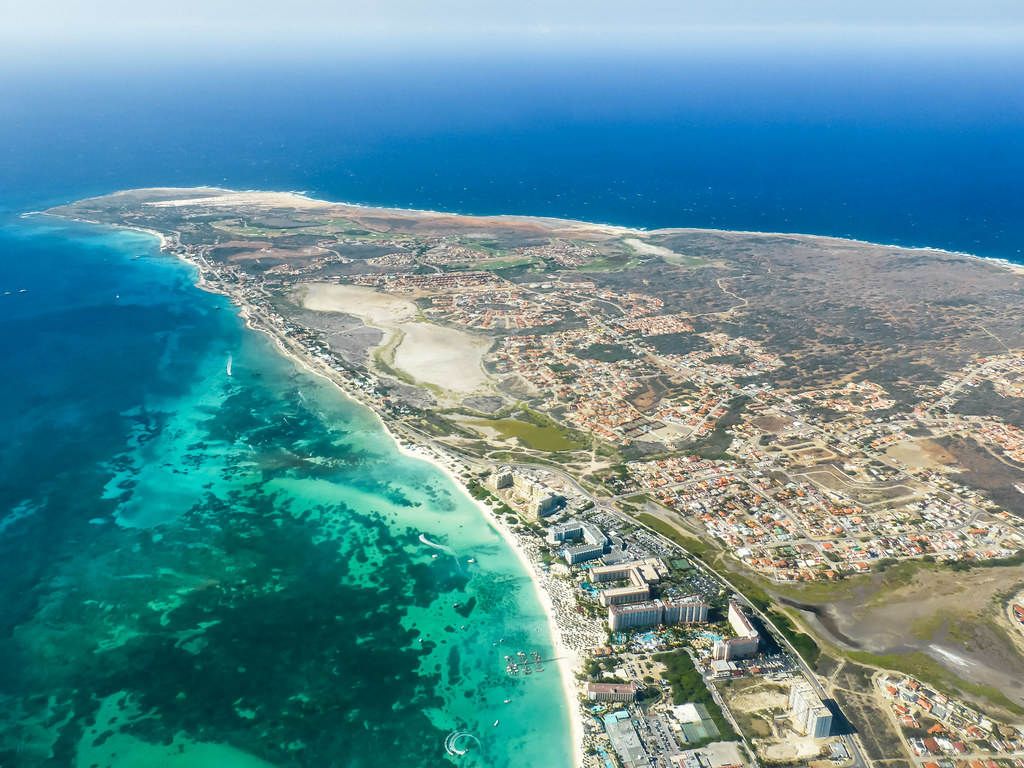
Aruba may be a small island, but it packs an impressive amount of natural beauty, warm hospitality and practical convenience into just 180 km². Whether you’re planning your first visit or returning for another dose of “One Happy Island,” these fast facts will help you understand Aruba’s geography, culture, transportation, climate and daily life. For a full overview of the island, see our main Aruba Travel Guide.
1. Where Is Aruba?
Aruba is located in the southern Caribbean Sea, just off the coast of Venezuela. It forms part of the ABC Islands (Aruba, Bonaire and Curaçao) and is beloved for its consistently sunny weather and calm turquoise waters. Despite being in the Caribbean, Aruba sits outside the typical hurricane belt, meaning the island experiences fewer major storms than many other destinations in the region.
- Region: Southern Caribbean
- Near: Curaçao, Bonaire, Venezuela
- Distance from Miami: Approx. 1,840 km (about 2.5–3 hours by air)
2. Population and Languages
Aruba has a population of around 110,000 residents, known for their warm and welcoming spirit. The island is multilingual, and most locals speak at least three languages.
- Official languages: Dutch and Papiamento
- Widely spoken: English and Spanish
Papiamento, a Creole language with Portuguese, Spanish, African and Dutch influences, is deeply woven into Aruba’s cultural identity. Listen for friendly phrases such as “Bon bini” (“Welcome!”), which you’ll see throughout hotels and shops. Learn more about local customs in our Aruba Travel Tips guide.
3. Capital and Main Areas
The capital city of Aruba is Oranjestad, a colorful port town known for its Dutch-Caribbean architecture, waterfront promenade, restaurants and shopping districts. Most travelers stay in two major beach zones:
- Eagle Beach: Low-rise hotels, calm waters, quieter atmosphere
- Palm Beach: High-rise resorts, nightlife, water sports and casinos
Both areas are easily accessible by public bus, taxi or rental car. For neighborhood guides and local insights, explore Aruba Things to Do.
4. Currency and Payments
Aruba uses the Aruban florin (AWG), but U.S. dollars are widely accepted across the island. Many shops and restaurants list prices in USD, and ATMs commonly dispense both currencies.
- Local currency: Aruban Florin (AWG)
- Most used by tourists: U.S. dollars (USD)
- Cards: Visa, Mastercard and AmEx widely accepted
Tipping is customary but flexible. Some restaurants include a service charge; if not, 10–15% is standard. For more money advice, see our Travel Tips for Aruba.
5. Weather and Best Time to Visit
Aruba enjoys some of the most reliable weather in the Caribbean, with warm temperatures and cooling trade winds year-round.
- Average temperature: 27–29°C
- Dry season: January to September
- More humid season: October to December
- Hurricane risk: Very low (outside major hurricane belt)
Sunseekers can visit Aruba any time of year, though winter months are generally the busiest. Our Aruba Beaches guide highlights the best spots for swimming, snorkeling and sunsets.
6. Time Zone and Electricity
- Time zone: Atlantic Standard Time (AST, UTC-4)
- Daylight saving: Not observed
- Electricity: 120V, 60Hz (U.S. plug types A & B)
Travelers from North America typically do not need power adapters, while Europeans may require a plug converter.
7. Entry Requirements and Airport
Most visitors, including travelers from the U.S., Canada and the EU, do not need a visa for short stays. All visitors must complete the ED (Embarkation/Disembarkation) card online before arrival.
Aruba’s main airport is Queen Beatrix International Airport (AUA). The airport is known for U.S. preclearance, efficient terminals and easy transportation to Eagle Beach and Palm Beach.
8. Transportation
Aruba is easy to navigate, whether you choose taxis, buses or rental cars. Distances between major areas are short:
- Airport → Oranjestad: 10–15 minutes
- Airport → Eagle Beach: 15–20 minutes
- Airport → Palm Beach: 20–25 minutes
For a full breakdown of how to get around the island, see the Aruba Transportation Guide.
9. Nature and Wildlife
Beyond its beaches, Aruba offers desert landscapes, limestone cliffs, cacti-covered hills and rugged northern shores. Wildlife is varied but gentle:
- National park: Arikok National Park (covers 20% of the island)
- Marine life: Sea turtles, reef fish, rays, tropical coral
- Birds: Pelicans, owls, frigatebirds, warblers
Snorkeling, hiking and off-road tours are popular ways to explore. For activity ideas, browse our Aruba Things to Do guide.
10. Culture, Food and Local Life
Aruba’s culture blends Dutch heritage with Caribbean warmth and Latin influences. Locals are proud of their friendliness, vibrant music scene and culinary traditions.
- Must-try dishes: Keshi yena, pastechi, fresh seafood, Dutch pancakes
- Local drinks: Aruba Ariba cocktail, Balashi beer
- Major events: Carnival (January–February), music festivals, beach events
For restaurant recommendations and local flavors, visit our Aruba Food & Drinks page.
11. Safety and Healthcare
Aruba is considered one of the safer Caribbean islands for travelers. Petty theft remains possible in crowded areas or on busy beaches, so standard precautions apply. Healthcare facilities are well-regarded for a small island; the main hospital is the Dr. Horacio E. Oduber Hospital.
For practical safety and preparation advice, see our Aruba Travel Tips.
12. Quick Numbers and Essential Stats
- Island size: 180 km²
- Coastline: 70+ km
- Average sunshine: 8+ hours daily
- Visitors per year: Approx. 1.1 million
- National park area: 20% of island
- Main industries: Tourism, hospitality, aloe products
These numbers highlight Aruba’s small size yet impressive tourism infrastructure, making it one of the Caribbean’s most visitor-friendly islands.