



Sign in
For Photos4Travel editors and team members.
Aruba · Adventure and Activities
Aruba Adventure and Activities: Arikok, Conchi and Outdoor Planning
Aruba’s outdoor choices become much easier when you separate the kind of day you want from the vehicle used to reach it. A ranger-led walk, a cave visit, a rough drive to Conchi and a north-coast UTV outing ask different things of your time, fitness and comfort. Choose the experience first, then check the access, conditions and booking details that make it workable.
On this page · 9 sections ShowHide
This guide concentrates on that practical decision. The broader Aruba things-to-do guide helps you decide which experiences belong in the trip; here you can work out whether to hike, book a guided vehicle, visit the caves or choose a less demanding alternative. Do not assume that every activity sold under “island adventure” enters the national park or includes swimming.
Arikok National Park: fees, entrances and the shape of a day
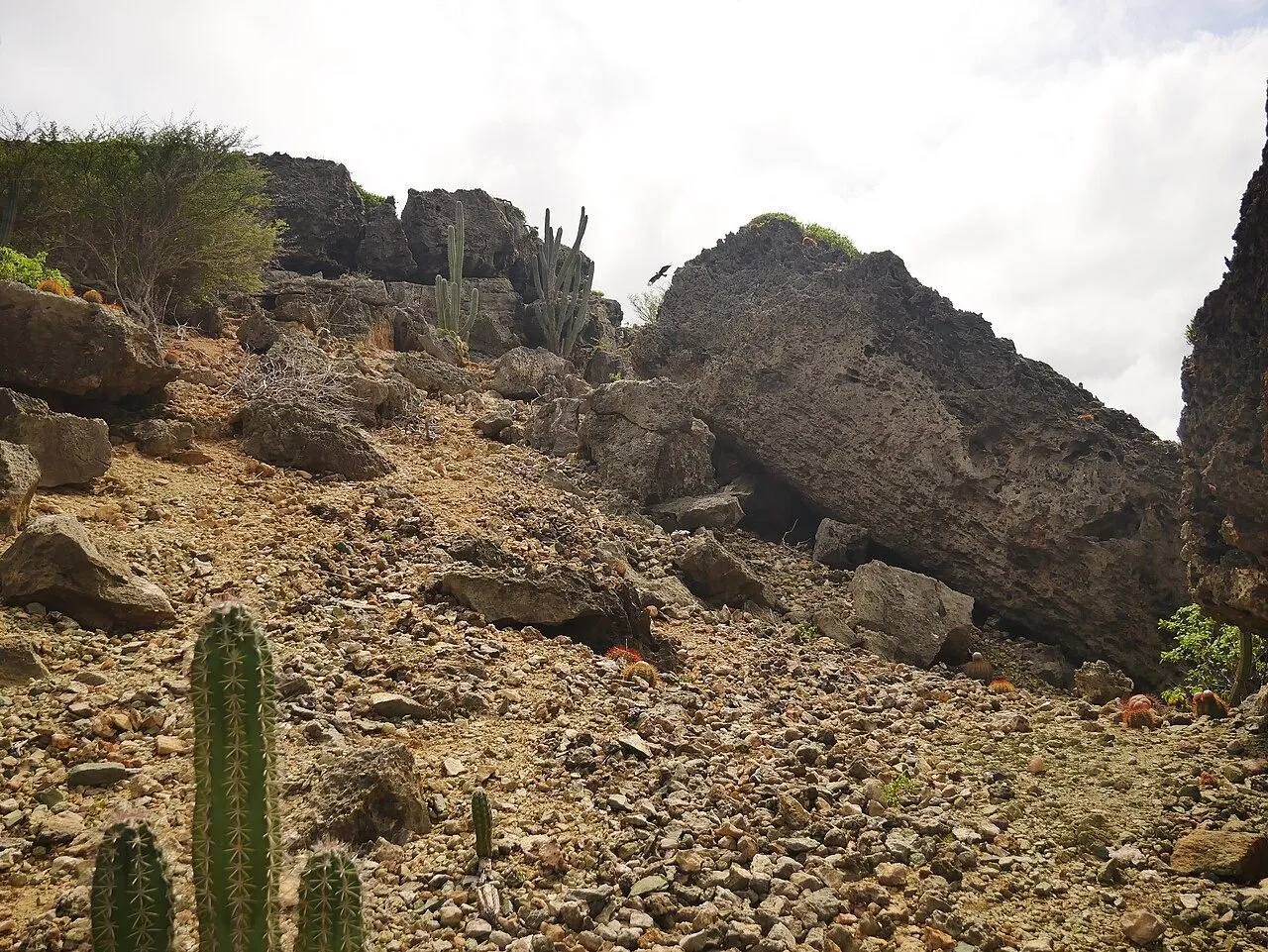
Arikok introduces the rocky, exposed side of Aruba that a resort-beach holiday can otherwise miss. Make the park a deliberate outing, with appropriate shoes, water and time to stop, rather than a quick extra after several hours in the sun. Decide whether the main interest is walking, caves or Conchi; fitting all three into a tight schedule usually leaves little room for conditions or differing energy levels.
The park operator, Aruba Conservation Foundation, currently lists an adult conservation day pass at USD22 and free admission for children under 17. Confirm the applicable rate for a 17-year-old rather than interpreting “under 17” as “17 and under.” Passes are sold at the San Fuego and Vader Piet entrances; check your tour inclusions before paying admission separately.
ACF lists visitor-center hours of 08:00–15:30 at San Fuego and 08:30–15:00 at Vader Piet, daily. These are visitor-center hours, not a promise that you can begin a long route near closing or that every site remains accessible until the same time. At the entrance, ask about the intended route, current restrictions and the time you should start returning.
Agree a priority with the group before setting off. Someone interested in rock art may prefer a considered cave visit to another hour in a rough vehicle; someone who wants a landscape walk may be disappointed by an itinerary spent mostly driving. A good park day should suit the people taking it, not simply include the largest number of named stops.
Conchi Natural Pool: a rough approach and a conditional swim
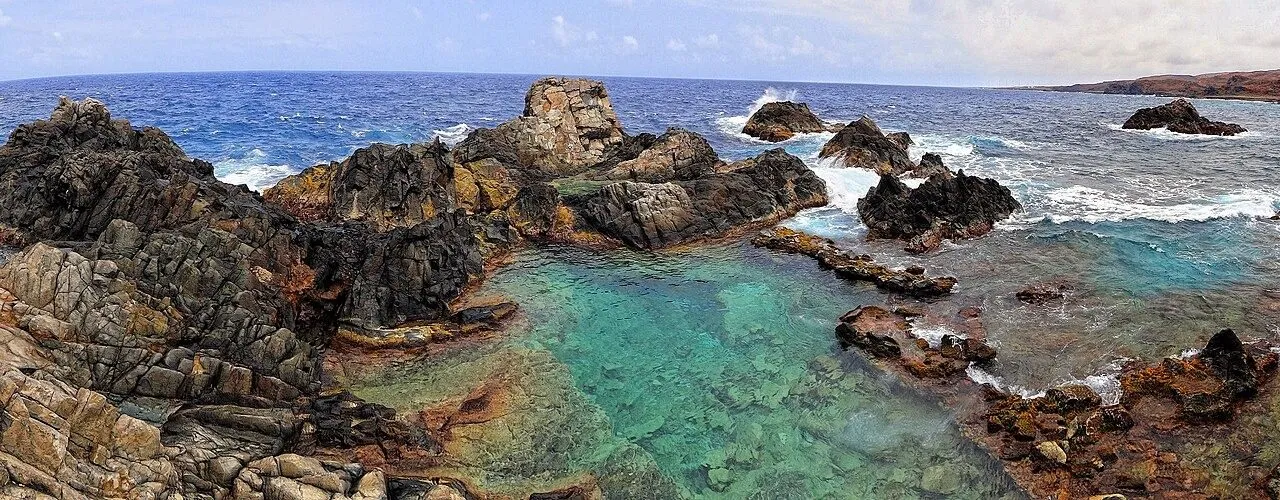
Conchi is the choice for travelers who specifically want the rugged coast and the natural pool, and who are comfortable with the effort of reaching it. The official tourism information explains that regular cars cannot reach it. Foot, horseback and suitable 4×4 approaches are different experiences; choose one with a clear understanding of the terrain and the return journey.
If you have little off-road experience, a guided vehicle visit is a sensible option to investigate. Ask about the actual vehicle, the length of the rough section, seating, boarding and any walking or steps at the end. “Jeep tour” does not automatically mean a smooth ride. Explain any back, neck, mobility or other relevant limitation to the operator and, when appropriate, a healthcare professional before booking.
At the pool, the remaining approach involves uneven ground and steps. Pack the shoes and water you need for that approach as well as anything needed for a swim. Keep camera gear manageable and have a dry place for essentials. A day built around taking turns with expensive equipment can be less enjoyable than carrying a simpler kit.
Swimming depends on the sea and the ranger’s instructions. Waves can break across the surrounding rocks, and the rock barrier does not create an all-weather swimming pool. Ask how the tour handles a no-swimming day: whether it still visits, changes the stop or offers another arrangement. Decide whether that version of the excursion is worthwhile to you before paying.
EZ Raider Aruba Tours’ four-hour Jeep safari lists Conchi, Dos Playa and the Fontein and Quadirikiri caves, with park entry, water and a snorkeling mask included. Confirm collection from one of the listed pickup locations and expect a bumpy ride. Check the listing’s exclusions for pregnancy, back problems and pre-existing medical conditions before booking. Conchi swimming remains dependent on conditions, so choose the wider park route as well as the possible swim.
View the Arikok Jeep safarion GetYourGuide
Walking to Conchi
Get the actual starting point and return route from the park or a qualified guide. A general description of a multi-hour hike is insufficient to plan a route with an unidentified trailhead. Check distance, exposure, terrain, water needs and the turnaround time for the specific path you will use. Do not treat arriving at the water as the end of the effort; the return still needs the same care.
Fontein Cave: choose history and a slower pace
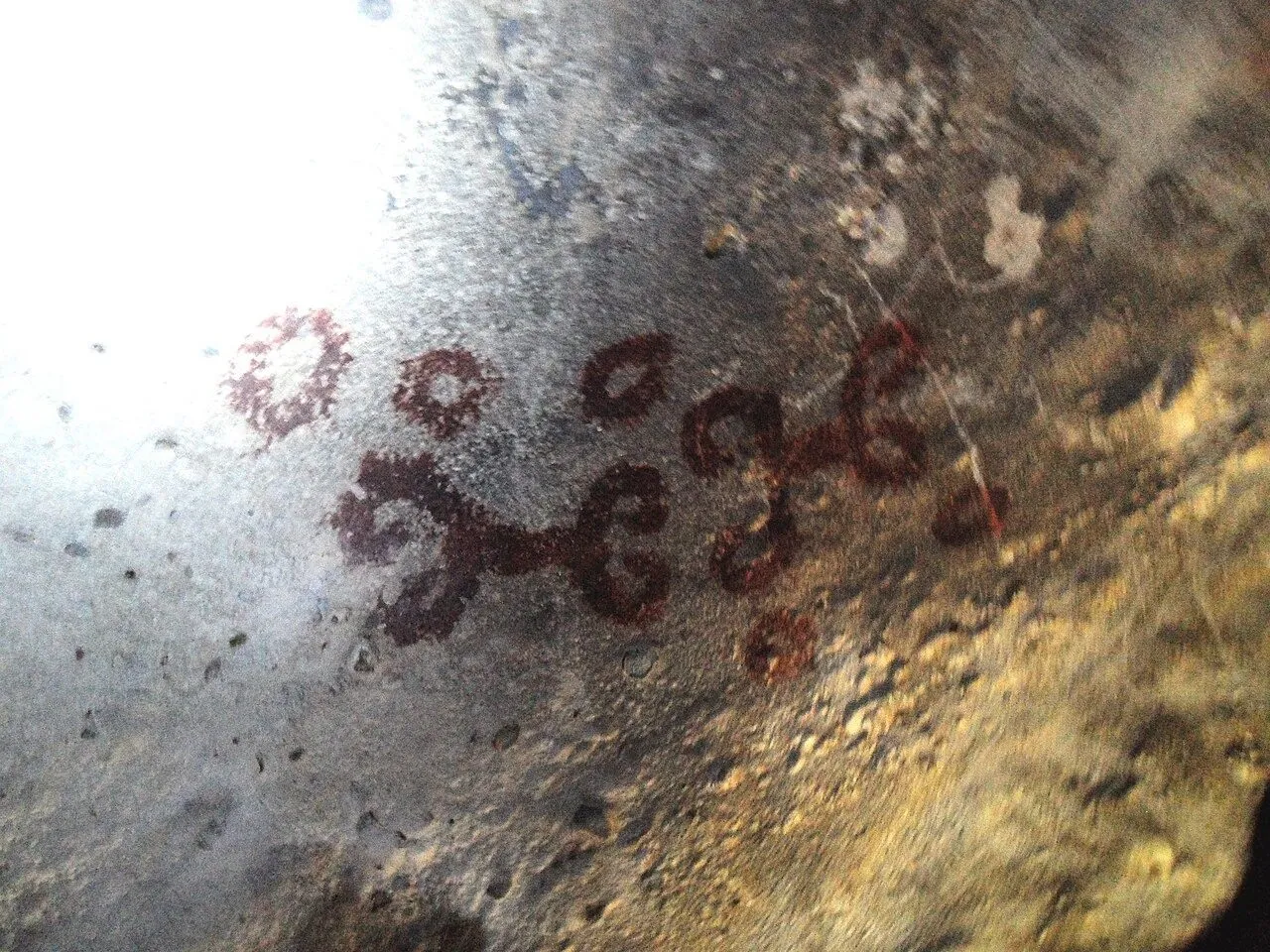
Fontein is a useful park priority when you want to look closely at Aruba’s heritage rather than fill the day with vehicle stops. The official Fontein Cave information identifies Indigenous rock drawings inside the limestone cave. Ask a ranger to help interpret what you are looking at instead of treating the markings as a decorative background for a photograph.
Allow your eyes time to adjust and follow the permitted visitor route. Keep hands and equipment away from the art and cave surfaces. If the ranger gives instructions about lighting, photography or the area open to visitors, follow them even when an older image shows someone elsewhere. A historic picture establishes what was photographed then, not where visitors are allowed to go today.
A cave stop is not automatically suitable for everyone who wants an easy day. Ask about footing, steps, low sections and the conditions inside if mobility, balance, darkness or confined spaces are concerns. Someone may reasonably prefer the landscape outside. Agree a simple meeting arrangement if the group separates, with no pressure to enter just to stay together.
How Quadirikiri differs
Quadirikiri Cave is associated with chambers receiving natural light through roof openings. Choose it for that setting; choose Fontein for a visit focused on its rock art. If you have time for both, ask the park which are accessible that day. Do not build the schedule around a promised sunbeam at an unverified hour, or use a cave’s total length as the distance of an authorized visitor route.
Choose a ranger-led walk by effort
ACF publishes several guided walks with very different distances and effort labels. Use the comparison below as a starting point for a conversation with the operator, not a personal fitness assessment. “Easy” describes the listed route, not your experience of it in heat or with an unfamiliar surface. Ask about current conditions and the meeting point when making the reservation.
On smaller screens, swipe or scroll horizontally to read the full table.
| Walk | Listed distance | Listed duration | Operator’s effort label |
|---|---|---|---|
| Miralamar | 2 km | 1.5 hours | Easy |
| Cunucu Arikok | 5 km | 1.5 hours | Easy |
| Jamanota Hill | 4.8 km | 2 hours | Hard |
| Rooi Tambu & Dos Playa | 7.5 km | 3.5 hours | Hard |
The operator’s experience page displays a USD25 guided-hike fee and a maximum group size of ten. Confirm the charging basis, the number in your party and whether admission is additional; do not assume the displayed amount is an all-inclusive per-person total. Contact ACF reservations for availability and an exact meeting arrangement.
Pick a shorter walk if the purpose is to learn about the landscape and leave energy for another stop. Choose a harder route because the walking itself is what you want, not because a larger distance looks better in a holiday plan. If one person is uncertain, explain the issue to the ranger before booking rather than hoping it will work out after the group has started.
For an independent walk, request the current authorized route instead of stitching together paths from a photo location or an old blog. Save the route information offline, tell someone your plan and carry the supplies the route requires. Have a clear turnaround point that remains sensible if you are moving more slowly than expected.
Choose a permitted vehicle and read the contract
A 4×4 badge and a rental agreement answer different questions. Before driving independently, ask whether your exact route is permitted, what happens if recovery is needed and which damage the cover excludes. Keep the company’s answer in writing. A mapping app cannot authorize an unsuitable road, and a vehicle that reaches the visitor center may still be unsuitable for another approach inside the park.
Price a guided excursion against the whole independent plan, including the rental, admission, cover and the time spent collecting and returning a vehicle. The useful comparison is the day you will actually have. Guided travel can handle unfamiliar access and interpretation; independent travel offers flexibility only within the vehicle contract and park rules.
North-coast ATV and UTV outings
ACF prohibits ATVs, UTVs and motorbikes in protected nature areas. A north-coast UTV excursion must therefore be distinguished from driving inside Arikok. Ask the operator for its actual itinerary and any vehicle transfer rather than accepting “Natural Pool adventure” as a complete access description.
The tourism authority’s ABC Tours listing, for example, distinguishes north-coast UTV travel from a separate Jeep transfer used in one combined Conchi experience. That shows why the vehicle arrangement matters; it does not establish that every similarly named tour includes the same transfer. Check your specific departure, driver requirements, passenger restrictions, equipment and pickup.
Do not select a buggy simply because it looks less demanding than a walk. Dust, heat, vibration and time seated on rough terrain can be tiring. Ask what someone who prefers to stop early would do, and whether the booking has any medical or age restrictions. Keep driving and alcohol separate.
Two workable ways to arrange the day
For a park day centered on learning and walking, start with a confirmed ranger-led route that matches your group, take a proper break, then add a cave only if conditions and energy permit. Keep lunch and the return practical rather than adding a distant restaurant as another obligation. This shape leaves time to listen and look, instead of racing between named attractions.
For a Conchi priority day, book the access arrangement you actually want and leave the surrounding schedule light. Do not place a long independent walk immediately after a rough guided excursion just because both happen in the same part of the island. If the visit includes swimming, allow time to change and look after equipment before another activity.
Build a weather alternative before the day begins. A shorter permitted park visit, a different land-based outing or a change of date may suit better than trying to rescue the original plan at any cost. The weather guide explains seasonal choices; the operator and park determine the day’s actual conditions and access.
Water activities and other ways to explore
For shore snorkeling, choose a place by its entry, exit and current conditions; the beach guide compares the main options. A boat trip adds questions about time on the water, supervision, equipment, weather changes and the needs of non-swimmers. A sunset sailing trip and a snorkeling trip may depart from similar places but serve different interests, so read the itinerary and inclusions before comparing prices.
For diving, discuss certification, recent experience, health questions and the planned dive with a qualified operator. For windsurfing, kitesurfing, kayaking or paddleboarding, tell the school your actual ability and ask about instruction, launch conditions and return arrangements. A reliable island breeze is not a personal skill assessment. Keep any health or post-diving flight question with an appropriately qualified professional.
Horseback outings also need a specific suitability check: riding experience, terrain, duration, equipment and the operator’s age or other restrictions. For a gentler day, the broader things-to-do selection includes alternatives such as the Butterfly Farm and Donkey Sanctuary. There is no need for everyone in a group to choose the most demanding available activity.
Protect the place you came to see
Follow the park’s rules and regulations: stay on authorized roads, use designated parking and do not drive on beaches or dunes. Drones and rock stacking are prohibited. Leave plants, animals and objects in place, keep noise down and take your waste away. Do not treat a quiet corner as permission to make a new trail or move natural objects for a picture.
Keep the day’s kit simple enough to manage. Bring suitable shoes, sun protection, water and only the equipment you need; secure loose items before a rough vehicle section. Review the safety guide and keep the operator’s contact accessible. Good preparation leaves more attention for the landscape once you are there.
Aruba adventure questions
Can I drive a UTV inside Arikok National Park?
No. ACF prohibits ATVs, UTVs and motorbikes in protected nature areas. A combined tour may change to a permitted vehicle for its park portion. Confirm the actual itinerary and transfer rather than assuming the buggy shown in an advertisement reaches Conchi.
Does a Conchi tour guarantee swimming?
No. The visit and the swimming decision depend on conditions and ranger instructions. Ask the operator what happens when swimming is unavailable and whether the land-based version of the trip still suits you before booking.
Which Arikok walk is a useful starting point?
Compare the operator’s distance and effort labels above, then discuss your group with ACF. Miralamar is the shortest listed option; a short route can still feel demanding in heat or on unfamiliar ground. Confirm the meeting point and current conditions.
Is Arikok admission free for a 17-year-old?
The operator’s displayed wording is free admission for children under 17, so it does not establish that a 17-year-old is free. Ask ACF for the applicable rate when booking or planning the visit, and check whether a tour already includes admission.
Can I combine both caves, a long hike and Conchi in one visit?
Choose the priority first and allow for the actual access and effort. A packed list leaves little room for ranger interpretation, breaks or changing sea conditions. Split the activities across days when walking and Conchi are both central to the trip.
We may earn a commission if you book through our GetYourGuide links.
Tours, Tickets & Experiences
Aruba Travel Tips & Inspiration