
About Aruba – Introduction to One Happy Island
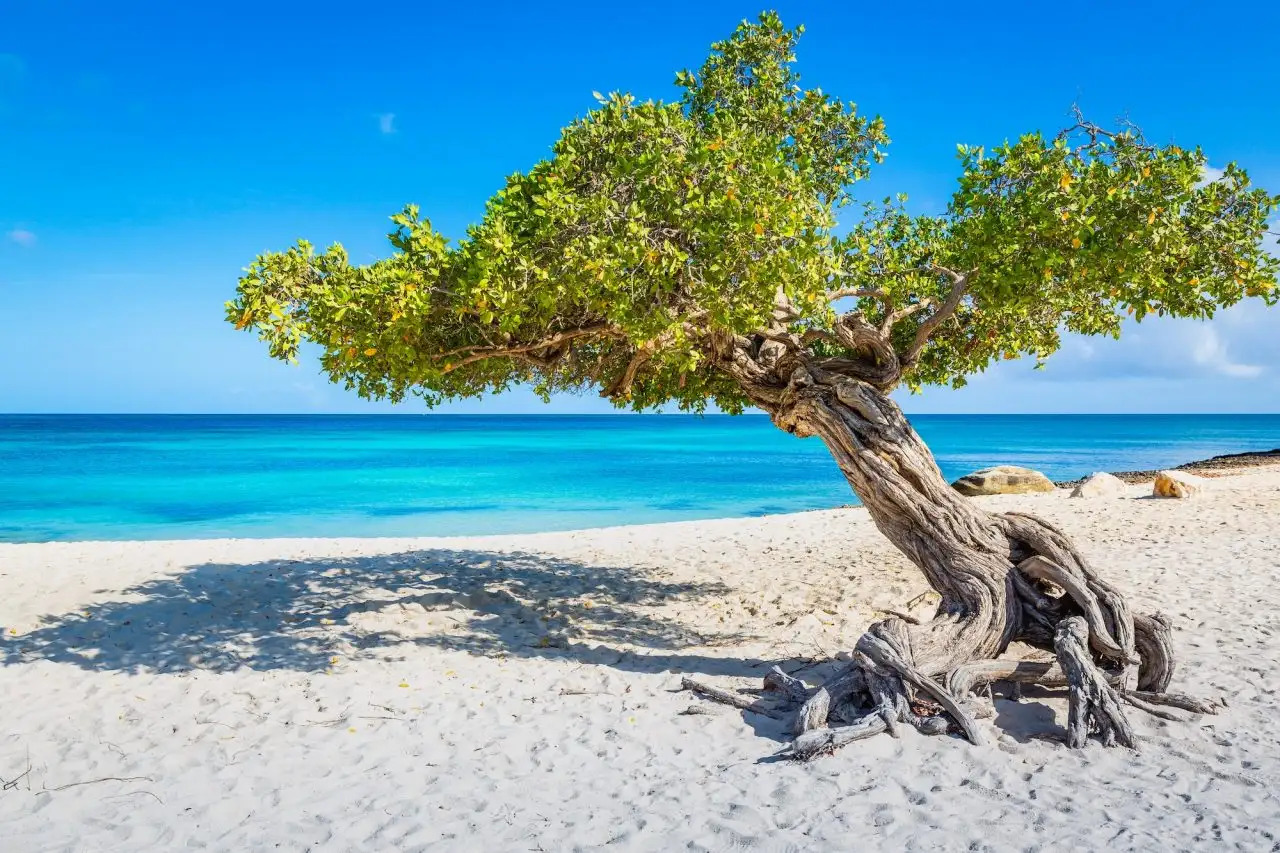
Aruba is a small yet vibrant island in the southern Caribbean, famous for turquoise waters, year-round sunshine, world-class beaches and a warm, multilingual community. Known globally as “One Happy Island,” Aruba blends Dutch heritage with Caribbean color, offering visitors a destination that is easy to explore, safe and full of natural beauty.
With its calm western beaches, rugged eastern coastline, desert-like landscapes, colorful towns and relaxed atmosphere, Aruba appeals to every type of traveler—beach lovers, adventure seekers, families, couples and solo explorers. This introduction provides an insightful overview of the island’s culture, geography, neighborhoods and travel essentials. For more practical information, you can continue with our dedicated Aruba Travel Tips guide and the detailed Things to Do page.
Where Aruba Is Located
Aruba lies just off the northern coast of South America, in the southern Caribbean Sea. Its location outside the main hurricane belt gives the island remarkably stable weather, making it one of the most reliable sunshine destinations in the region. The island is part of the Kingdom of the Netherlands, along with Curaçao and Sint Maarten.
Aruba’s position also allows for easy island-hopping. Many visitors combine their trip with a short flight to nearby Curaçao or Bonaire, which together form the popular ABC Islands.
Geography & Natural Landscape
Aruba’s geography is strikingly diverse for such a compact island. The western side features famous white-sand beaches like Eagle Beach and Palm Beach, while the eastern and northern coasts are rugged and wild, shaped by powerful waves and dramatic cliffs.
Much of Aruba’s interior has desert-like terrain with cacti, rocky outcrops and rolling hills. Nearly 20% of the island is protected inside Arikok National Park, home to natural pools, volcanic formations and limestone caves. If you plan to explore these areas, the Top Destinations guide highlights the most scenic spots across the island.
Climate & Weather
Aruba has a warm, dry climate with consistent temperatures and refreshing trade winds. Rainfall is low, and sunny days are the norm throughout the year. The constant breeze keeps the weather comfortable, even during hotter afternoons.
Mornings often have the calmest water conditions, making them ideal for swimming and snorkeling. For a more detailed seasonal breakdown, the dedicated Aruba Weather guide offers month-by-month insights.
Aruba’s Culture & Heritage
Aruba’s culture blends Caribbean warmth with Dutch influence, reflected in its architecture, cuisine, languages and traditions. Oranjestad’s colorful buildings showcase this fusion through stepped gables, pastel tones and European-Caribbean symmetry.
Locals, known as Arubans, are friendly and welcoming, often switching effortlessly between multiple languages. Street art in San Nicolas, local markets, seafood restaurants and cultural festivals all showcase the island’s creative energy and strong community spirit.
Languages Spoken in Aruba
Aruba is officially bilingual, but multilingual in practice. The main languages spoken are:
- Papiamento – the island’s native Creole language
- Dutch – official language used in schools and government
- English – widely spoken in tourism areas
- Spanish – common due to proximity to South America
This linguistic diversity makes Aruba exceptionally easy for international visitors. You will find menus, signs and tourist information in multiple languages across the island.
Population & Lifestyle
Aruba is home to a diverse community of about 100,000 people. Residents enjoy a relaxed, outdoor lifestyle shaped by the island’s climate and coastal environment. Social gatherings, family events, beach days and weekend getaways to quiet coves are all part of everyday life.
Tourism is the island’s main industry, and hospitality is deeply rooted in local culture. Many Arubans grow up speaking several languages, making communication easy for visitors from different parts of the world.
Major Areas & Neighborhoods
Oranjestad
Aruba’s capital city features Dutch-Caribbean architecture, waterfront promenades, shops, museums and a lively marina. It’s a great place to explore local culture, dining and boutique shopping.
Palm Beach
The island’s most active resort area, filled with high-rise hotels, beach bars, shopping plazas and water-sports centers. Palm Beach is ideal for travelers who enjoy nightlife and modern amenities.
Eagle Beach
Known for soft sands and a peaceful atmosphere, Eagle Beach is perfect for relaxation. It’s frequently listed among the world’s best beaches, thanks to its clear water and iconic divi-divi trees.
San Nicolas
Called the “Sunrise City,” San Nicolas is the cultural heart of Aruba with colorful murals, art festivals and a local vibe. The area reflects the island’s artistic identity.
Savaneta
A quiet coastal town with fishing traditions, boutique hotels and waterfront restaurants. It offers an authentic look into local life and is home to some of the island’s best seafood.
Noord
A convenient base for visitors, offering easy access to beaches, restaurants and attractions. Noord is also home to popular boutique hotels and residential neighborhoods.
Aruba’s Economy & Tourism
Tourism is the main economic driver in Aruba, supported by its modern infrastructure, reliable weather and international connectivity. The island has high-quality hotels, restaurants and transportation services. Many of these are reviewed in the Aruba Accommodation and Food & Drinks guides.
Aruba’s strong hospitality sector makes it one of the Caribbean’s most organized and visitor-friendly destinations.
Nature & Wildlife
Aruba’s natural ecosystem includes unique desert flora, rocky coastlines, coral reefs and coastal dunes. Visitors can discover iguanas, tropical birds, vibrant fish species and even sea turtles during nesting season. Popular nature spots include:
- Arikok National Park – caves, cliffs, desert trails
- Boca Catalina – snorkeling with marine life
- Northern coast dunes – dramatic landscapes
- Natural Pool – a unique volcanic basin by the sea
Why Aruba Is Easy to Explore
Aruba’s compact size, clear roads and organized transportation system make it simple to explore. Renting a car offers the most flexibility, but taxis and buses serve the main tourist areas. If you want more detailed transportation advice, the Transportation Guide explains routes, distances and travel times.
With most beaches and attractions located within a short drive from major resorts, exploring the island rarely feels rushed.
Final Thoughts
Aruba is a destination where natural beauty, culture and convenience come together effortlessly. Its blend of Caribbean warmth, Dutch influence, desert landscapes and white-sand beaches creates a unique and deeply memorable travel experience. Whether you are drawn to calm waters, rugged nature, colorful towns or simple relaxation, Aruba offers something special for every visitor.
To continue planning your trip, explore our detailed guides on Top Destinations, Things to Do, Beaches and Travel Tips.