
User login
Aruba Weather
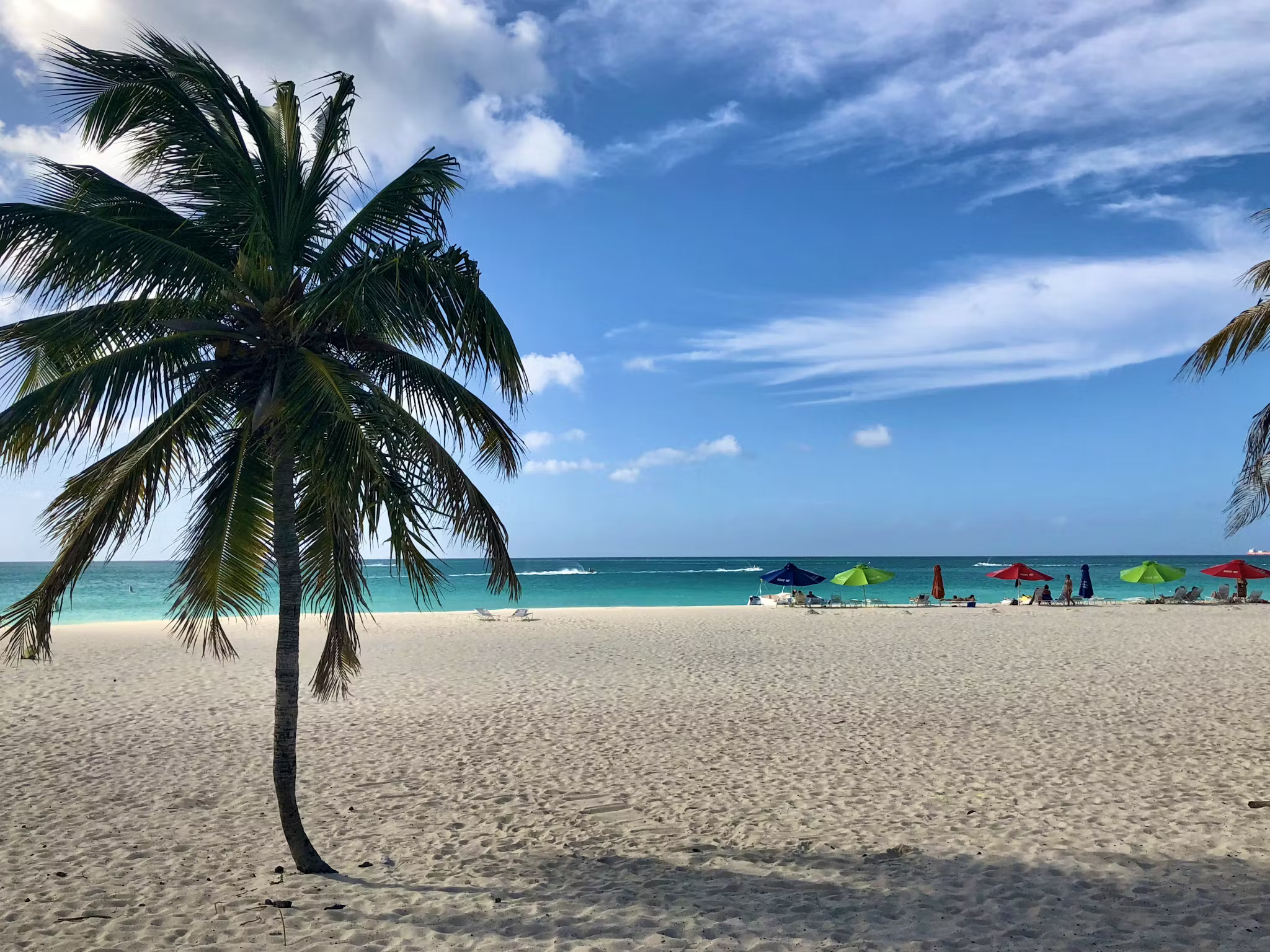
Aruba Weather – Year-Round Sunshine on One Happy Island
Aruba is known for having some of the most reliable sunshine in the Caribbean. With warm temperatures, steady trade winds and very little rainfall, the island is a favourite choice for beach-focused holidays in every season. Because Aruba sits outside the hurricane belt, it avoids many of the large storms that affect other parts of the Caribbean, making it a safe and predictable destination for travellers who want consistent weather.
This Aruba Weather Guide explains everything you need to know before planning your trip — monthly conditions, sea temperatures, rainfall patterns, wind, humidity and practical tips. It also connects to our main Aruba Travel Guide and activity-focused pages such as Aruba Beaches, Things to Do in Aruba and Aruba Travel Tips.
What Makes Aruba’s Weather So Unique?
Aruba sits in the southern Caribbean, close to the coast of Venezuela, where dry desert landscapes blend with tropical marine conditions. The island’s climate is influenced by steady northeast trade winds, which keep temperatures comfortable and create ideal conditions for water sports. Rainfall is low compared with neighbouring islands, and cloudy days are rare.
Key climate characteristics include:
- Warm temperatures all year: typically 26–32°C with small seasonal variation.
- Consistent sunshine: one of the sunniest islands in the region.
- Low rainfall: most showers occur in late autumn.
- Cooling trade winds: steady breezes that make beach days more comfortable.
- Outside the hurricane belt: fewer storm risks compared with many Caribbean islands.
These characteristics make Aruba a top destination for reliable beach weather, whether you are planning a winter escape or a summer holiday. The combination of sunshine, turquoise water and white-sand beaches is what gives the island its “One Happy Island” name.
Travel Tip
Aruba’s constant trade winds keep the island breezy and comfortable — but they can make the sun feel less intense than it really is. Use high-SPF sunscreen and reapply frequently, especially on beaches like Eagle Beach and Arashi where reflectivity is high.
Temperatures in Aruba – What to Expect
Aruba stays warm throughout the year, with only minor changes between seasons. Days are typically sunny and dry, while evenings remain comfortable for outdoor dining and beach walks. The trade winds provide natural cooling, especially along the west coast near Palm Beach and Eagle Beach.
Average daytime temperatures
- Cooler months: around 26–29°C, often with a pleasant breeze.
- Warmer months: around 30–32°C, especially inland and away from the coast.
Even during the warmest periods, Aruba rarely feels overwhelmingly hot thanks to the constant airflow. Humidity levels are also lower than in many other tropical destinations.
Evening temperatures
Nights in Aruba are mild, usually around 25–27°C. Light clothing is enough for most evenings, though indoor restaurants and hotel lobbies may feel cooler due to air-conditioning.
Rainfall in Aruba – How Often Does It Rain?
Aruba is one of the driest islands in the Caribbean. Rainfall is minimal throughout most of the year and usually arrives in short, passing showers rather than extended storms. The landscape itself — semi-arid and cactus-lined — reflects this unique climate.
Dry season
The dry season forms the majority of the year. You will experience long strings of sunny days, ideal for beaches, snorkelling and outdoor activities.
Wetter period
The island’s wetter period brings brief showers, often overnight or early in the morning. Even during this time, full rainy days are uncommon, and sunshine usually returns quickly.
The low rainfall is one of the main reasons Aruba attracts visitors who want guaranteed sunshine for weddings, honeymoons and family trips.
Wind and Sea Conditions
Aruba’s constant trade winds are both refreshing and practical. They help regulate temperature and make the island one of the best destinations in the region for windsurfing, sailing and kiteboarding.
Wind levels
- Moderate trade winds: typical along the west coast.
- Stronger winds: common on the east and north coasts, where waves are bigger.
The calmer west-coast beaches — such as Palm Beach, Eagle Beach and Manchebo — are ideal for swimming, paddleboarding and families with small children.
Sea temperatures
The sea is warm and inviting all year, usually between 26–29°C. This makes the island perfect for swimming, snorkelling and boat excursions in any season.
Aruba Weather by Season
Even though Aruba’s climate is stable, each part of the year has its own character. Understanding the seasonal patterns will help you choose the right month for your travel style.
Beach-perfect months
Consistent sunshine, warm water and calm waves make these months ideal for classic beach holidays. Palm Beach and Eagle Beach are especially popular due to their sheltered positions and soft white sand.
Warm and breezy months
Steady trade winds create perfect conditions for wind-based sports. Kitesurfing and windsurfing schools along the coast operate year-round.
Quieter and slightly wetter weeks
These weeks see the island at its greenest, with occasional short showers that help cool the air. Prices can be lower during this period, making it attractive for travellers looking for better value.
Weather and Activities – What Works Best?
Aruba’s calm, predictable weather means most activities are available every month. However, certain conditions match better with specific experiences:
- Best for beaches: calm-sea months with clear visibility.
- Best for snorkelling: warm water and stable currents near Boca Catalina and Malmok.
- Best for hiking: cooler mornings in Arikok National Park.
- Best for wind sports: breezy periods along the northern coast.
For activity suggestions tailored to your trip, explore our Things to Do in Aruba and Aruba Beaches guides.
Travel Tips for Weather-Ready Trips
Preparing for Aruba’s climate is easy, but a few simple habits can make your trip even more comfortable:
- Stay hydrated: the combination of sun and wind can dehydrate you faster than you expect.
- Use reef-safe sunscreen: essential for beach days and water activities.
- Plan outdoor hikes in the morning: temperatures rise quickly inland.
- Be mindful of wind: secure your belongings on breezy beaches.
- Wear lightweight clothing: natural fibres and UV-protective fabrics work best.
Is Aruba’s Weather Good for Your Travel Style?
Whether you are travelling for beaches, adventure, family time or relaxation, Aruba’s weather patterns make planning easier. Sunshine is almost guaranteed, rainfall is limited and sea temperatures are ideal for swimming throughout the year. For a complete picture of how weather fits into your trip, combine this guide with our Aruba Travel Guide, Travel Tips and Things to Do in Aruba.
With the right expectations and a few simple preparations, you will enjoy Aruba exactly as it is known — warm, bright, breezy and beautifully reliable.
