
Sign in
For Photos4Travel editors and team members.
Aruba · Photography
Aruba Photo Spots: Eagle Beach, Lighthouse and Casibari
Aruba’s strongest photographs often come from giving one location enough time. A few minutes watching how people move around an Eagle Beach tree can improve a composition more than another hour in the car. On the northwest coast, arriving before the light changes lets you choose a position without balancing a camera on loose rock in the dark. Around the inland boulders, the important decision is whether you want a broad landscape or the texture of the stone.
The three places below suit different kinds of image: Eagle Beach for a recognizable coastal scene, the California Lighthouse area for shape and changing sky, and Casibari for rock, vegetation and depth. They can fit into a holiday without becoming an all-day photography circuit. Use the island-area guide to group journeys, and leave a separate day for any serious Arikok outing.
Eagle Beach: work around the fofoti trees
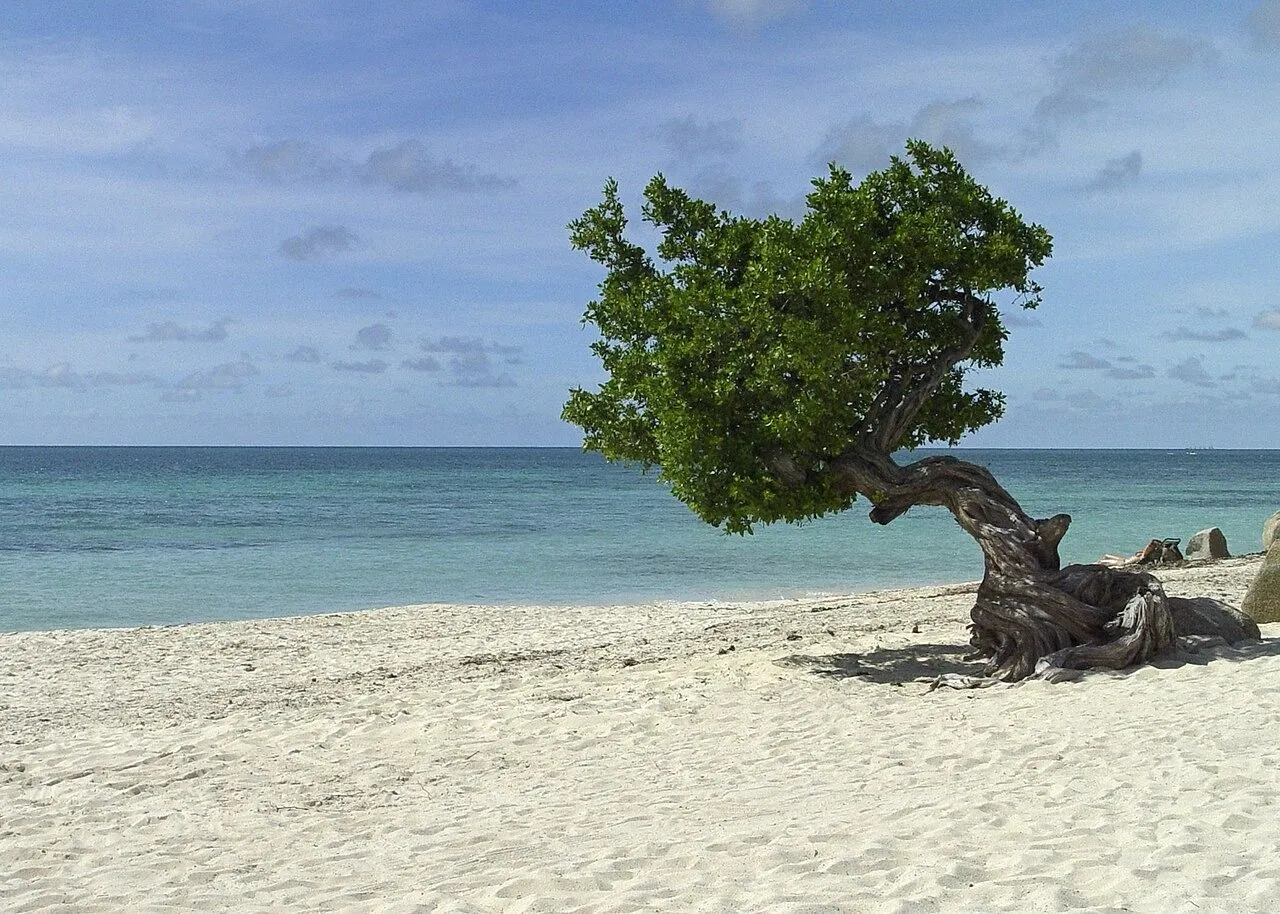

The coastal fofoti trees are an obvious subject because their low, wind-shaped trunks give the eye a strong line toward the water. Start from the public beach rather than a hotel’s lounger area. Walk around the subject before raising the camera: from a low position the trunk may separate cleanly from the horizon, while a higher viewpoint can turn the same scene into a tangle of people, branches and resort furniture.
Choose one simple frame first. Put the tree to one side and use the open beach as space, then make a closer picture of the trunk and the light beneath the branches. A very wide lens can exaggerate the foreground pleasantly, but it also makes a nearby person or beach bag unexpectedly prominent. Check the edges of the frame before taking a long sequence of nearly identical photographs.
For a west-facing water view, the sun’s position changes the result through the day. Earlier light can illuminate the beach more directly; later light can create glare, reflected highlights or a silhouette. The exact effect depends on your position and the date. Do not arrive expecting the same cloud formation or water color as a reference image. The tourism authority identifies the landmark trees as fofoti; keep that identification in your caption rather than labeling every coastal tree divi-divi.
Keep bags off roots and avoid climbing or arranging equipment against the tree. If another group is already photographing there, make a different composition while you wait. A person resting in shade is not part of your set: ask before making an identifiable portrait, and accept that the beach will remain in everyday use while you work.
California Lighthouse: choose a tower portrait or a sunset silhouette
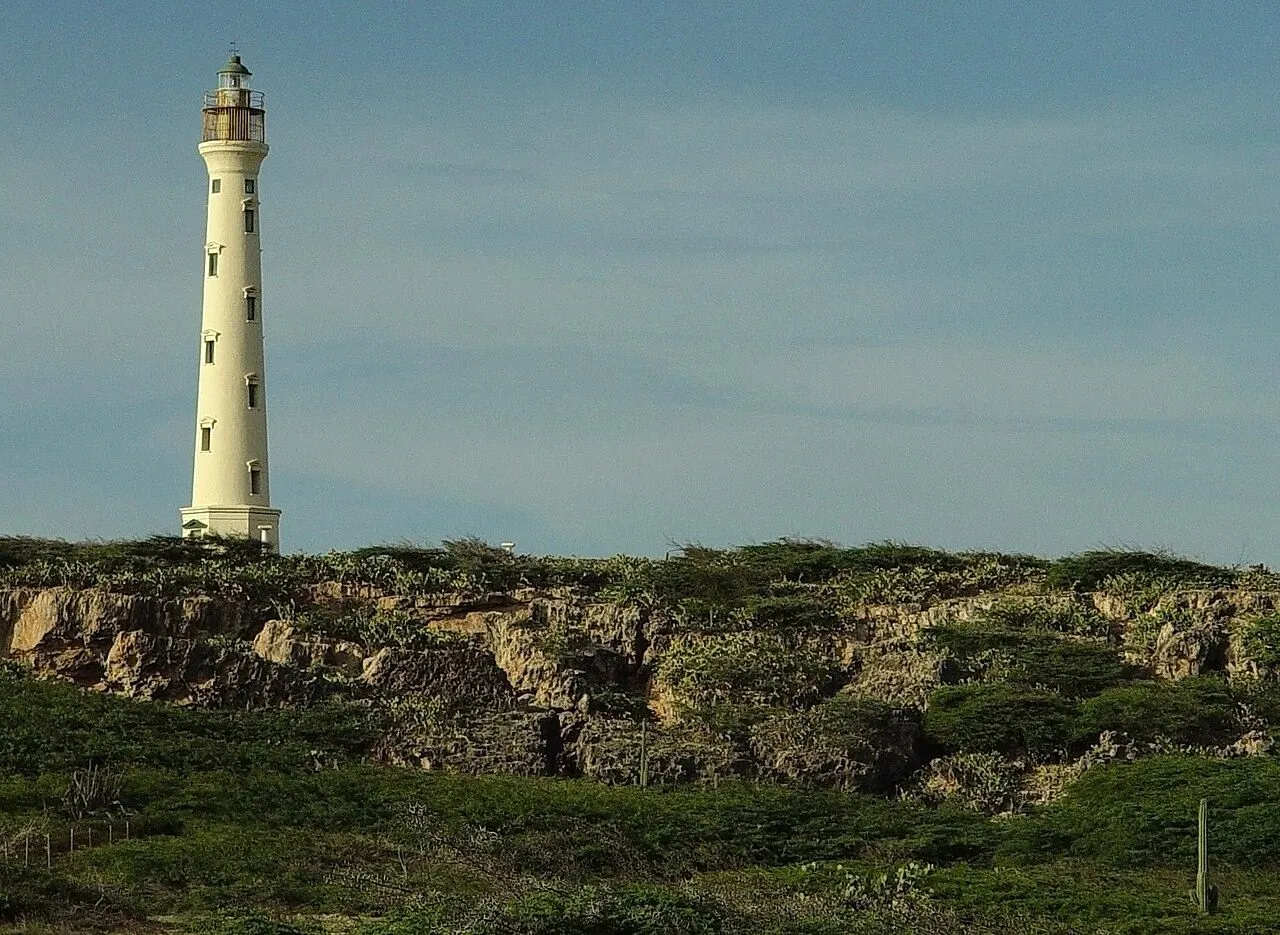

The lighthouse area gives you two different images. In daylight, concentrate on the tower’s vertical shape and the dry landscape around it. Near sunset, a wider composition can place a darker tower against the sky. Treat these as separate plans rather than expecting a single fixed camera position to provide both.
Arrive while there is enough light to inspect the public approach and find a stable standing position clear of moving vehicles. Look for a foreground that belongs to the scene without requiring you to leave permitted paths. A slight change sideways can separate the tower from a vehicle, sign or nearby structure. Avoid standing on a road because the view looks cleaner from its center.
A silhouette works when the tower remains readable against a brighter background. Meter for the sky, make a test frame and examine whether the tower has lost its outline against the land. If the sky is flat, switch to a tighter study of the building or the surrounding landscape instead of waiting for a dramatic color change that may never come. A handheld camera with a sensible shutter speed is often easier in the wind than a tall tripod with a heavy bag hanging from it.
These suggestions concern the outside view. They do not promise access to the tower, a restaurant terrace or another managed property. Check current admission and opening arrangements if an interior or elevated viewpoint is essential to your plan. Keep a small light for the return, arrange your transport before dusk and pack the camera before walking back across uneven ground.
Casibari: use the boulders to create depth
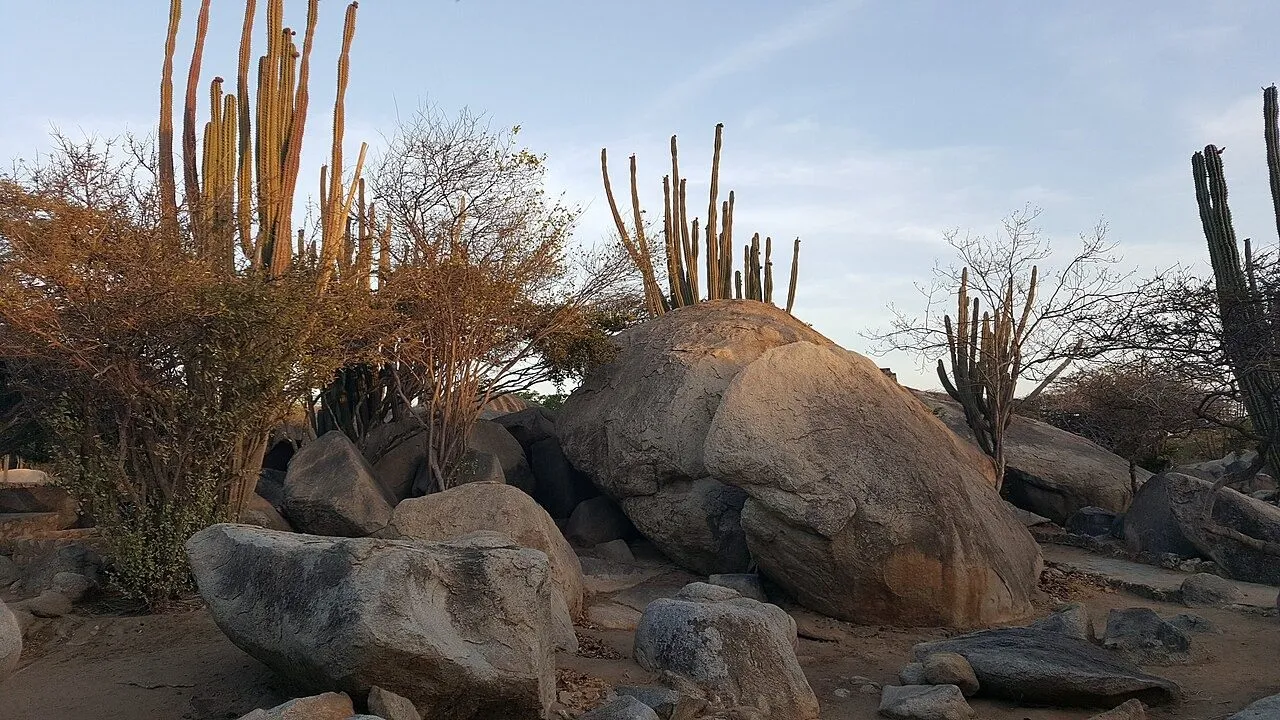

Casibari’s rock formations offer a different visual language from the coast. Begin at ground level, using one rock as a foreground shape and leaving space for vegetation or distant stone behind it. The landscape is easier to read when the frame contains a clear near, middle and far distance. A close photograph of weathered rock can be just as worthwhile as a wide view from above.
Go when you can work without rushing in the strongest heat. Bring drinking water, secure a hat and keep the camera strap under control. If you use the climbing path, concentrate on footing and handholds while moving; stop before changing lenses or reviewing images. Anyone uncomfortable with the route can still make useful pictures from lower ground. The photograph you want should not decide whether an unfamiliar climb is safe.
Light from the side helps reveal ridges and hollows in the rock. When the contrast becomes harsh, work with smaller details in even light rather than trying to hold a bright sky and deep shadow in one exposure. Include a person for scale only with their agreement and without asking them to climb, block the path or stand near an edge. Leave vegetation, stones and any protected cultural marks exactly as you find them.
Build a manageable photography outing
For a short northwest session, choose Eagle Beach in the morning and keep the lighthouse for a separate late afternoon. You do not need to remain outdoors between the two. Use the middle of the day for lunch, reviewing photographs and cleaning equipment in a sheltered room. Casibari works better as its own inland stop than as an extra destination added after sunset.
On small screens, swipe horizontally to read the whole table.
| Location | Useful subject | Main practical check | Alternative if conditions disappoint |
|---|---|---|---|
| Eagle Beach | Fofoti tree, shoreline and people at a respectful distance | Public access, occupied shade and glare | Closer tree detail or a simple beach composition |
| California Lighthouse area | Tower portrait or silhouette | Stable permitted position and return before darkness becomes a problem | Daylight architecture and dry-landscape details |
| Casibari | Rock shapes, depth and vegetation | Heat, footing and your comfort on the path | Ground-level rock textures instead of a climb |
A light kit is enough: a camera or phone you know, a lens cloth, spare power, water and a bag that closes against blown sand. Change lenses in shelter. Keep salt spray off the camera and clean equipment according to the manufacturer’s guidance. A water-resistant phone case does not make its owner a stronger swimmer, and a waterproof camera is not a reason to step closer to breaking waves.
Respect people, protected areas and access rules
Ask before photographing identifiable people closely, especially children or people at work. In San Nicolas, photograph art without entering private doorways or obstructing residents; an organized art walk can explain the works and local context. If you intend to sell or commercially license a photograph of artwork, people or private property, investigate the relevant permissions rather than assuming that a public viewpoint settles every rights question.
Inside protected areas, follow the Arikok rules, including restrictions on drones, rock stacking and leaving designated roads. Do not touch cave paintings or make your own lighting arrangement against them. Outside the park, a drone flight still requires checking current aviation and location permissions; park restrictions do not imply unrestricted permission everywhere else.
Aruba photography questions
Where should I start if I only have one photography session?
Choose Eagle Beach for a coastal image or the California Lighthouse area for a tower and sky composition. Give the location enough time to find a safe position and work with the actual light.
Are the famous Eagle Beach trees divi-divi trees?
The tourism authority identifies the photographed coastal landmarks as fofoti trees. Use the verified identification for the particular tree you photograph rather than treating both names as interchangeable.
Do I need to climb at Casibari to take worthwhile photographs?
No. Ground-level boulders, textures and vegetation provide useful subjects. Choose the climbing route only if your mobility, footwear and conditions make it appropriate.
Can I fly a drone in Arikok?
The park rules prohibit drones. Check current official rules and any required permissions for other locations; do not assume that a public beach or an empty viewpoint is unrestricted airspace.
Last updated: