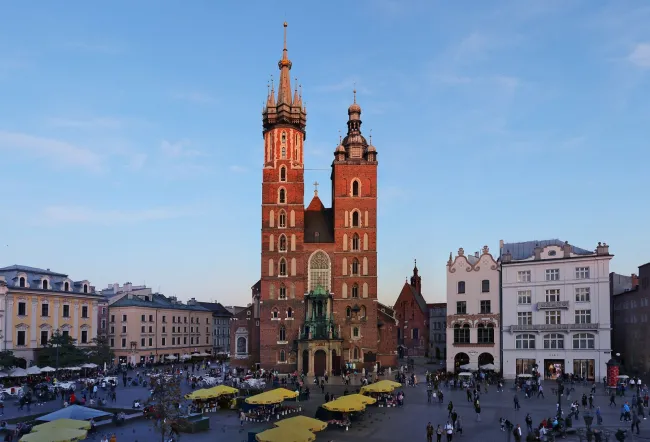
Poland Weather & Packing: Forecasts, Layers and Daily Decisions
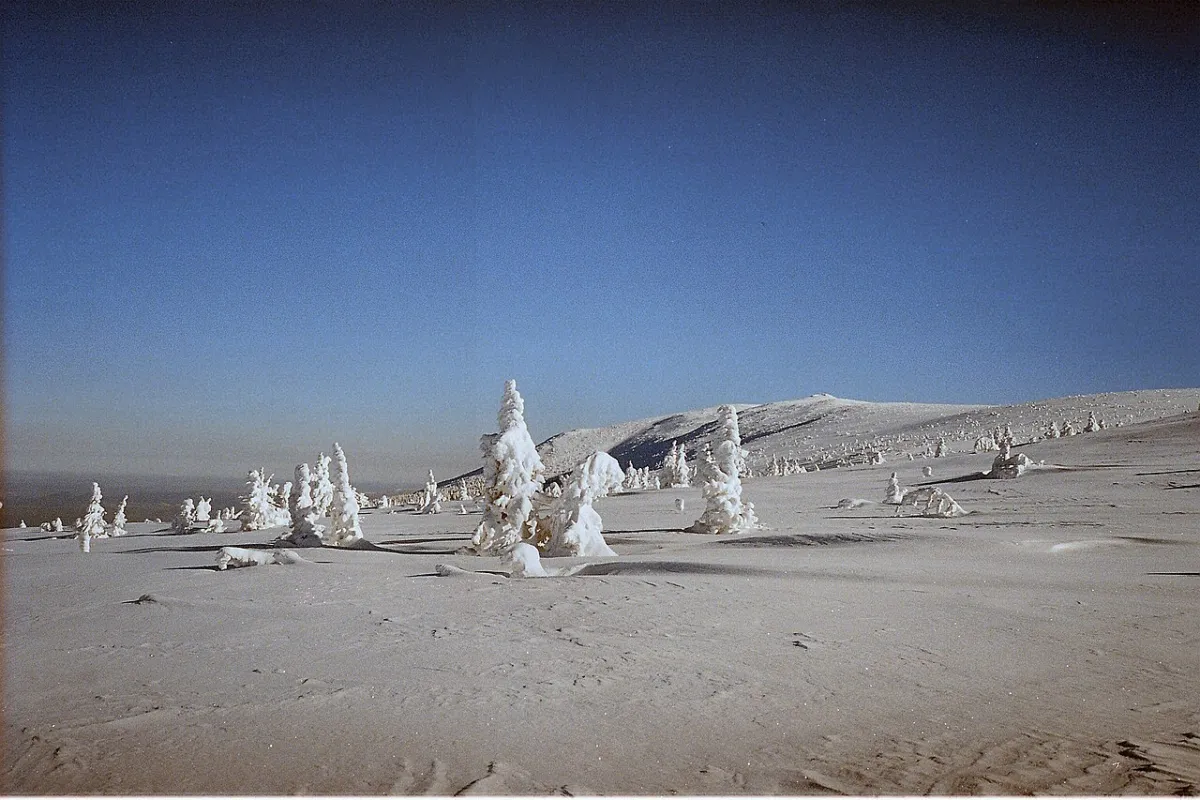
Use Poland’s weather information to decide what to wear and how to organise the next day, rather than treating a national climate summary as a forecast. Warsaw, Gdańsk, Kraków and a mountain trail can have different conditions at the same time. Coastal wind, urban heat, rain, winter ice and changing mountain visibility affect different activities in different ways. Check the forecast for your actual base and route, then make a plan that remains useful if conditions change.
This page covers forecasts, layers, footwear and practical daily decisions. Best Time to Visit compares seasons and helps select travel dates. Keeping those decisions separate matters: choosing September for a city holiday does not tell you whether tomorrow’s walk needs a waterproof layer, and choosing July for the coast does not establish safe bathing conditions. IMGW, Poland’s national meteorological service, provides forecasts and weather warnings. Use its current location information alongside the relevant park, beach or transport notices.
Read the forecast for the place you will actually visit
Check the city or locality, the date and the forecast’s update time. A search result displaying a temperature for Poland is too broad for a practical decision. If your day includes an excursion, compare conditions there with the accommodation base. For example, Kraków’s forecast should not stand in for higher ground near Zakopane, and a sheltered street in Gdańsk should not determine clothing for an exposed coastal walk. Look at wind and precipitation as well as the temperature.
Hourly information can help organise the sequence of a city day. Move a longer outdoor walk into the more favourable period and keep a museum or café option for rain, while checking its current opening arrangements. Do not build the whole plan around one narrow predicted dry interval far in advance. Forecast uncertainty grows with lead time, so use longer-range information for broad preparation and recheck closer to the activity. An adaptable plan needs an alternative nearby, not another destination requiring an unplanned long journey.
Understand warnings and official local notices
IMGW publishes meteorological and hydrological warnings that can affect road travel, outdoor activities and local access. A warning is more consequential than an attractive weather icon. Read the affected area, validity period and hazard, then follow official instructions. Heavy rain, strong wind, thunderstorms or flooding can require changing the route or cancelling an outdoor activity. A hotel being open does not prove that a nearby path, riverbank or road remains suitable.
Check the relevant national park before leaving for a nature trip, and consult local transport notices when conditions could disrupt the journey. River levels and coastal conditions are not interchangeable with an air-temperature forecast. If a planned activity depends on a boat, a high route or a specific crossing, confirm the operator’s current decision. Keep the booking contact and a workable alternative available. Health & Safety explains emergency preparation; weather planning should reduce the chance of needing it by responding to warnings before the outing starts.
Build a flexible clothing system for city visits
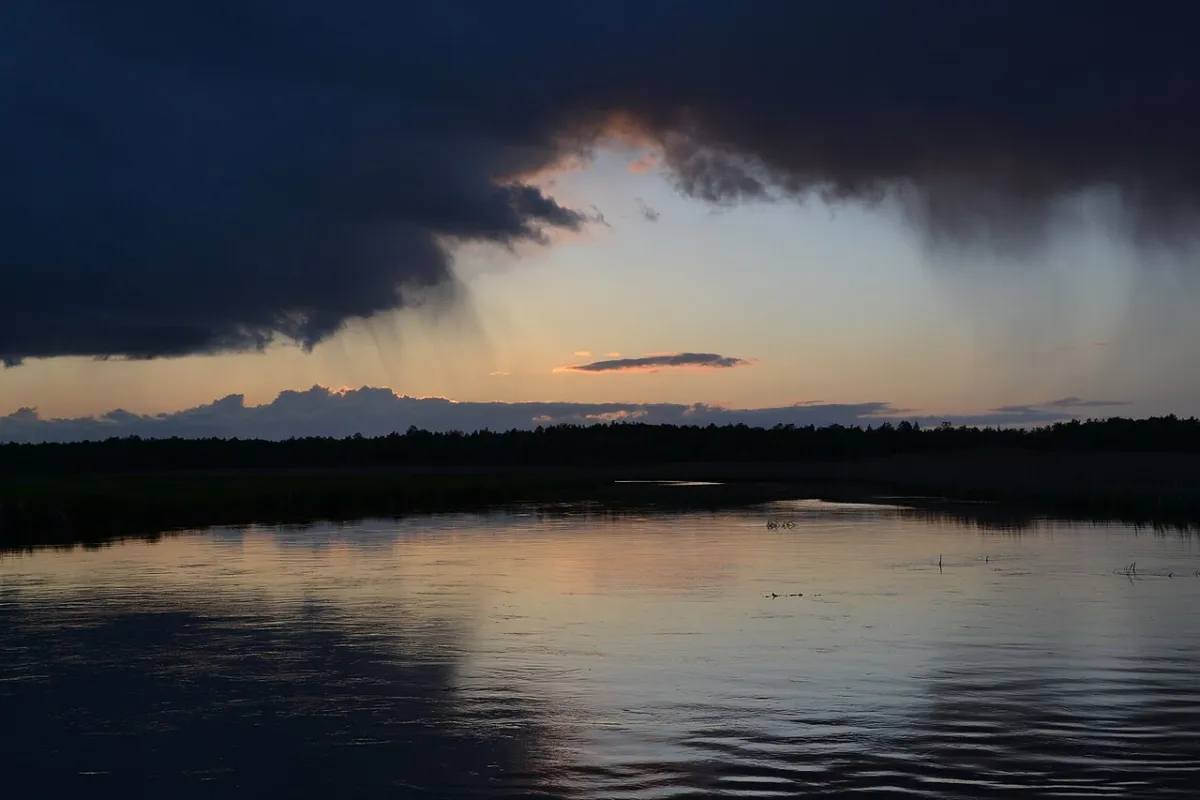
For much of the year, layers are more useful than one heavy item chosen from a seasonal label. Start with comfortable clothing for the day’s walking, add an insulating layer when needed and carry a suitable outer layer for rain or wind. Urban days often move between heated interiors, public transport and outdoor streets. Clothing that can be adjusted makes those transitions easier than an outfit comfortable only at the warmest point of the afternoon.
Historic centres can involve uneven surfaces and extended standing in museums or queues. Choose footwear you have already worn comfortably, with grip appropriate to expected wet or cold conditions. A waterproof option can help in persistent rain, but also consider how shoes and clothes will dry at the accommodation. Do not assume a historic apartment has a drying cupboard or that every hotel provides suitable space. A spare pair of socks or an additional practical layer may contribute more to comfort than carrying clothing for unlikely formal occasions.
Prepare differently for coast, lakes and wetlands
Wind changes how a Baltic day feels, especially on a pier, beach or exposed promenade. Carry a layer for the return even when the inland afternoon is warm. Shore walking and swimming are separate activities: suitable clothing for a walk does not establish safe water conditions. Follow bathing-area flags and local instructions, and choose a supervised area when swimming is part of the plan. Beaches explains the differences between serviced resorts, quieter shores and lake access.
Around lakes, forests and wetlands, the day may involve insects, damp ground and fewer indoor alternatives. Pack for the actual activity and season, and choose footwear that suits the permitted route. Do not enter protected vegetation or wet ground just because a map shows a short line. In a rural stay, consider whether there is somewhere to dry equipment and whether an alternative outing is reachable without a car. A waterproof layer cannot compensate for an unsafe route or a return connection you have not checked.
Summer heat and thunderstorms
Hot periods can make extended city walking tiring, particularly in exposed squares and on paved streets. Put the most demanding walk earlier, include breaks and carry drinking water appropriate to the outing. Use museums and shaded areas as useful parts of the day rather than treating them as evidence of a failed outdoor plan. Check the actual room facilities before booking if heat affects your comfort; a photograph of a bright historic room does not confirm air conditioning.
Thunderstorms require a different response from ordinary rain. On exposed ground, in mountains or around water, review official warnings and activity-specific advice before setting out. Avoid assuming that a short trail or a lake near a town removes the hazard. Operators may cancel services, and a delayed return can affect the rest of the day. Read the cancellation conditions when booking weather-dependent activities, and keep the next arrangement flexible enough to accommodate a sensible decision to postpone or change the route.
Winter conditions and short daylight
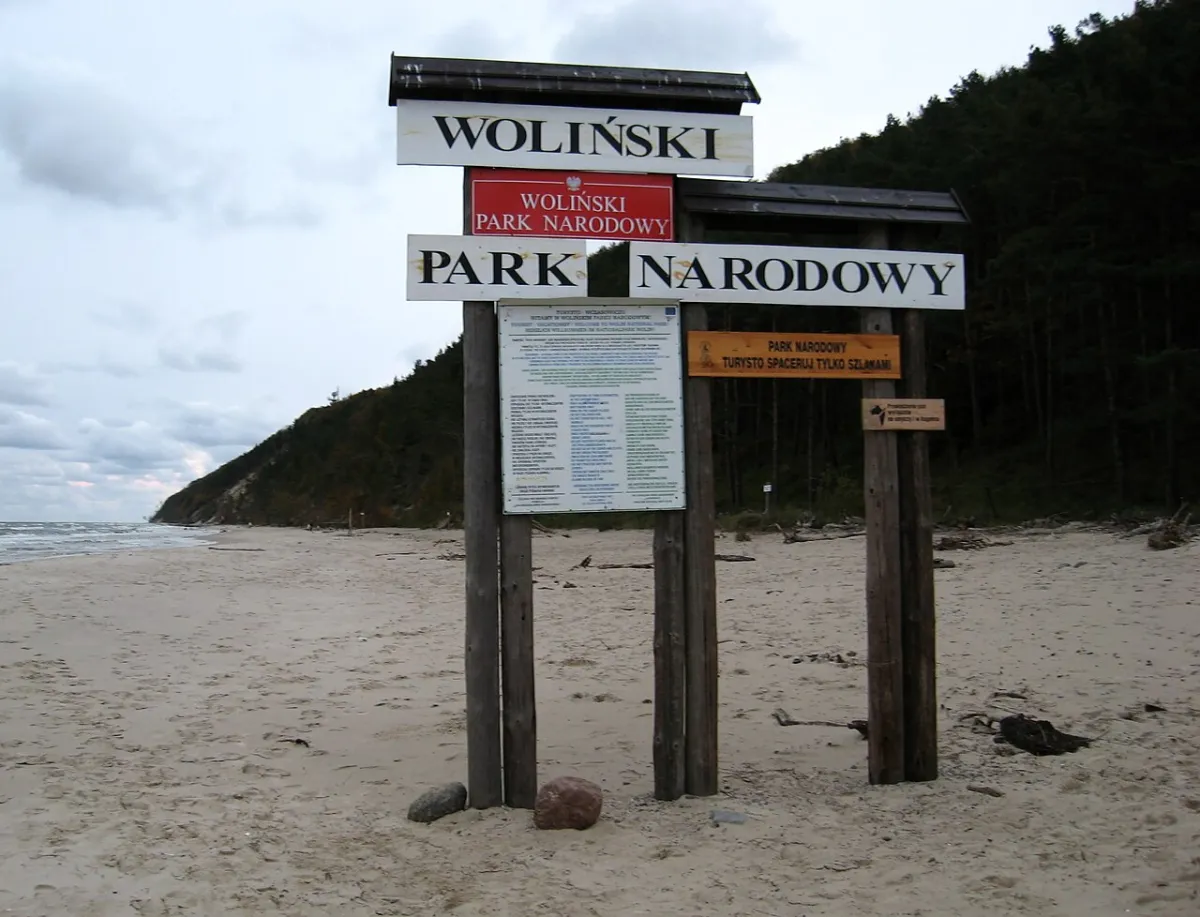
Winter trips need preparation for cold and for variable ground conditions. Snow is possible, but it is not guaranteed in a city on your chosen dates. Rain followed by freezing conditions can create difficult surfaces without the picturesque snow shown in promotional photographs. Choose appropriate footwear, insulating layers and protection for hands and head, then adjust to the current forecast. Walking speed can be slower when surfaces are slippery, so allow more time for station journeys and meeting points.
Short daylight changes the sequence of the day. Put outdoor sightseeing into the useful light and reserve indoor interests for later, while checking museum and performance schedules. If travelling to mountains, use specific winter information and appropriate skills and equipment; a city packing list is not a mountain safety plan. Leave room for weather-related transport changes, especially before a flight. Keep essential medication, documents and a practical overnight layer accessible if baggage or a connection is delayed.
Pack for the route instead of every possibility
A city-to-city rail trip rewards luggage you can manage through stations, lifts and occasional stairs. Choose a small set of compatible layers and confirm laundry options for a longer journey. A rural or nature segment may require additional equipment, but decide that from the actual route and operator requirements. Avoid carrying technical items you do not know how to use, and do not let owning them create false confidence about a difficult outing.
Include phone charging, offline maps and essential contact information in weather preparation. Batteries and connectivity can become practical limitations during a long outdoor day. Protect documents and electronics from rain where needed, and keep a way to return that does not depend entirely on one online search. Getting Around provides the transport context, while Travel Essentials covers everyday preparation. Before departure each morning, review the current forecast, warnings, route and return together; the useful weather decision is the one that fits the whole day, not just the clothing in your bag.
Make the daily decision concrete
Ask three questions: where will you be outdoors, what condition would change the plan, and where can you go instead? For a Warsaw museum day, the alternative may be another nearby indoor visit. For a coastal walk, it may be a sheltered urban route. For a high mountain outing, the correct alternative may be staying in the base or choosing a permitted lower route after checking current advice. These are different decisions and should not be reduced to a single rainy-day list.
Recheck the information at the point it becomes useful, and respond to local instructions when they differ from a general forecast. Keep the most weather-sensitive booking flexible when possible. A successful Poland trip does not require the conditions pictured in an archive photograph; it requires a plan that suits the conditions actually present. That approach supports comfortable city days, more realistic nature choices and fewer rushed changes when the weather turns out differently from the broad seasonal expectation.
Compare the practical choices
| Choice | Useful focus | Check before committing |
|---|---|---|
| City day | IMGW local forecast | Rain layer, temperature and rest stops |
| Coast | Wind and bathing conditions | Conditions at the actual shore |
| Mountains | Forecast plus park notices | Terrain, snow, visibility and turnaround time |
Official information and sources
Checked for this guide on 12 October 2026. Recheck date-sensitive entry, access, transport and event information before booking or departure.