
Poland Travel Guide: Regions, Routes and Practical Planning
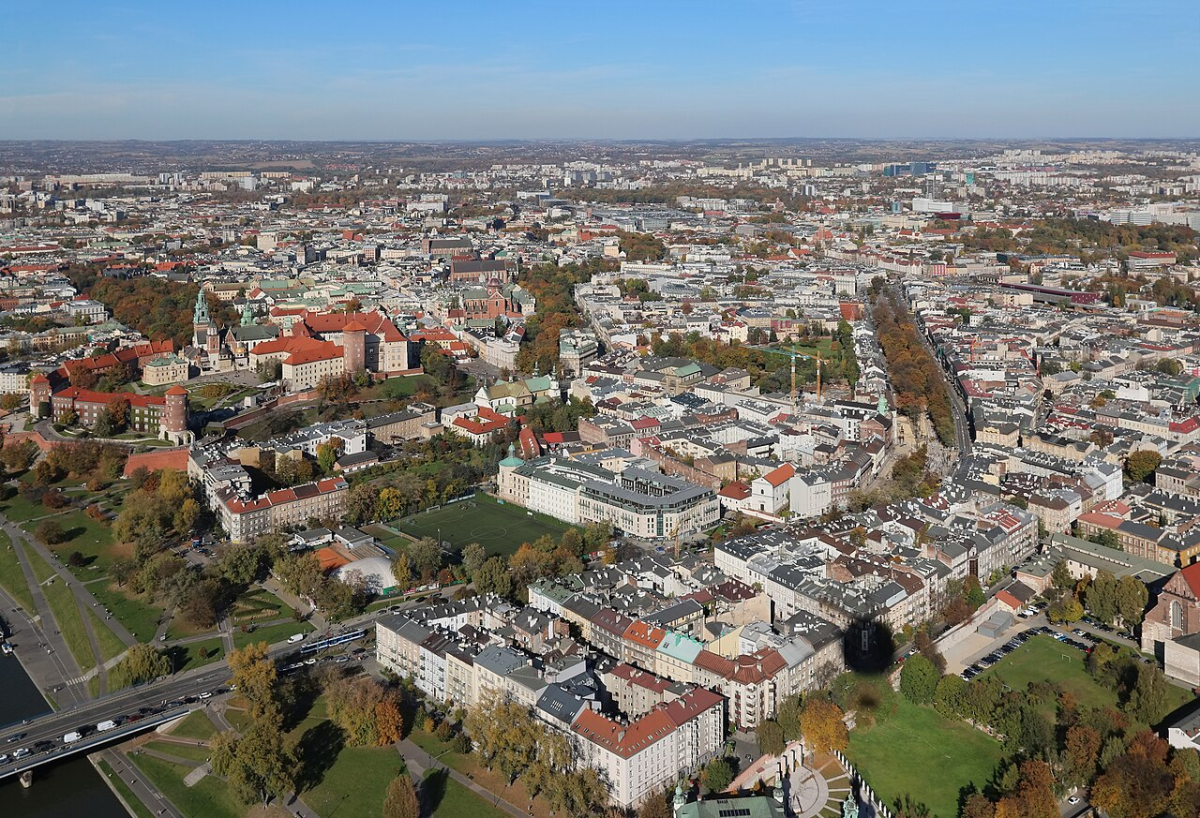

Poland is easiest to enjoy when you choose a connected part of the country instead of trying to fit every famous city into one holiday. Kraków and Warsaw make a strong first cultural trip; Gdańsk, Sopot and Gdynia provide a Baltic base; Wrocław combines urban walking with access to Lower Silesia. Forests, lakes and mountains deserve a different rhythm, with time for local connections and weather changes. This guide helps you decide which version of Poland suits your interests, then prepare the route, accommodation and practical details around that choice.
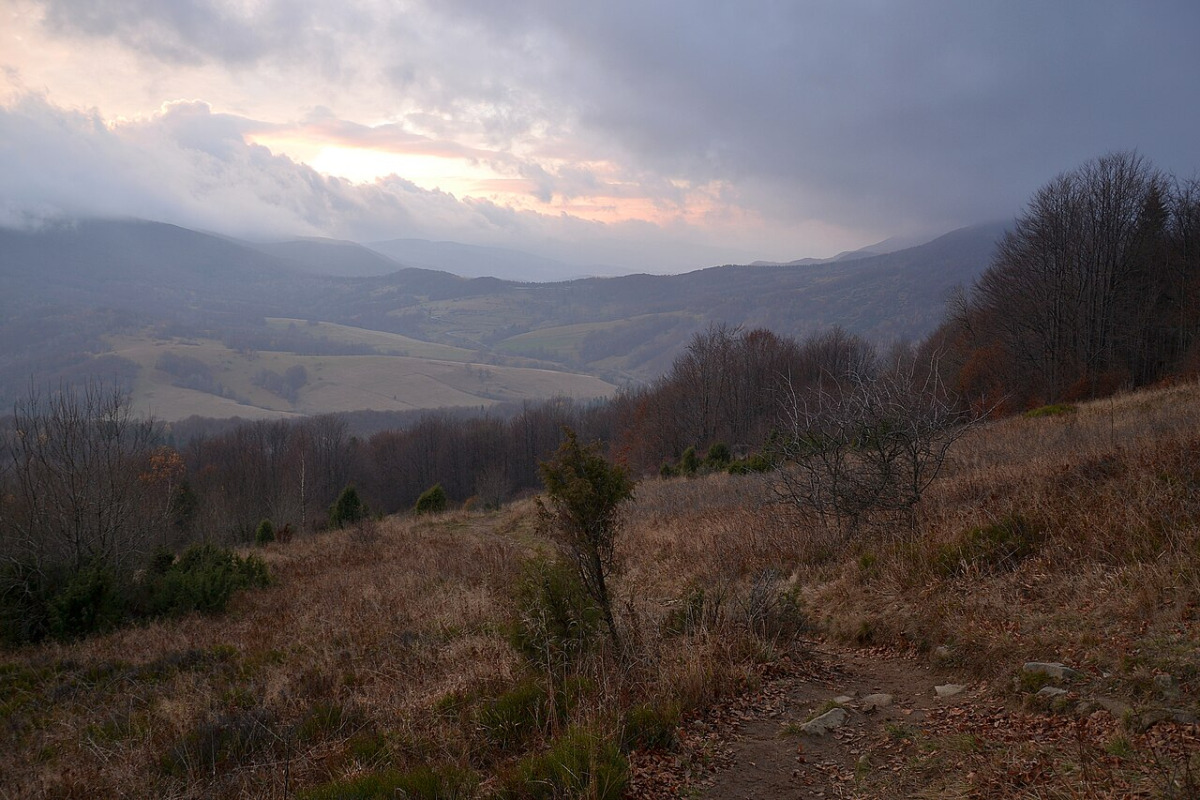
Historic centres are only part of the experience. Contemporary museums explain difficult chapters of Polish history, former industrial districts have new cultural uses, and ordinary neighbourhoods offer cafés, markets and local meals. The country also contains protected wetlands, moving dunes and mountain landscapes. Treat these as distinct travel environments. A city ticket, a guided forest visit and a mountain walk require different preparation; being comfortable with one does not automatically make the others straightforward.
Choose a clear focus for your first trip
For a first visit centred on culture, begin with Kraków or Warsaw and add one complementary base. Kraków offers a compact historic core, Wawel and neighbourhoods such as Kazimierz and Podgórze. Warsaw offers a larger urban scale, a reconstructed Old Town, royal parks and museums that benefit from unhurried visits. Their differences make the pairing useful, but two cities already contain more than enough material for a week once arrival, a rail transfer and a carefully chosen excursion are included.
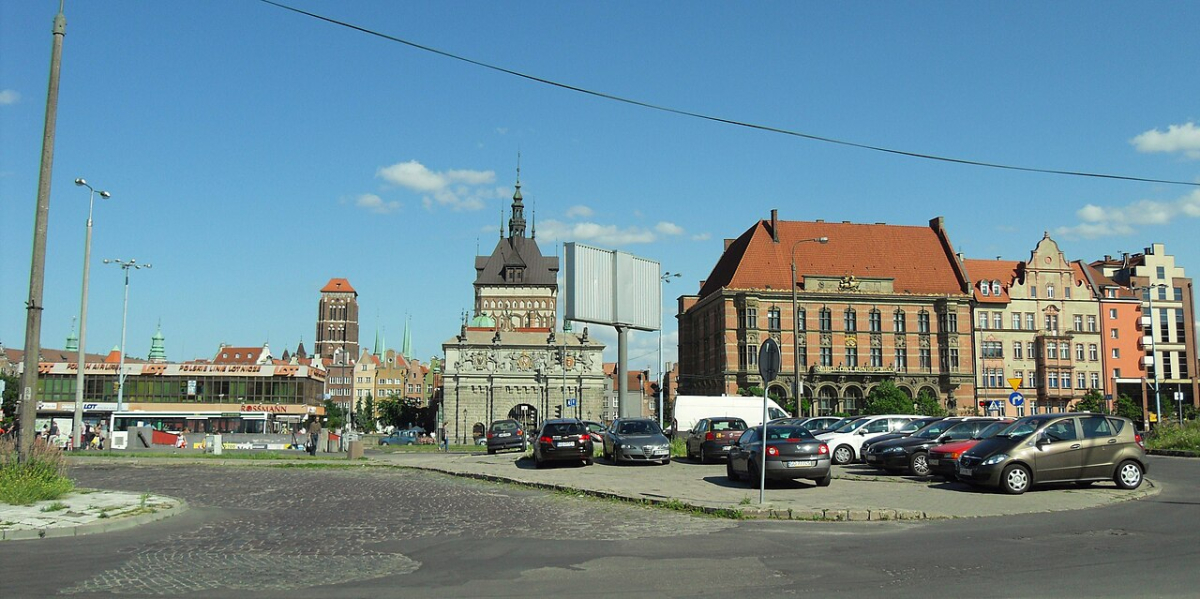
Choose the Tri-City if you want maritime history with time beside the Baltic. Gdańsk is useful for historic streets and museum visits; Sopot for a resort atmosphere; Gdynia for a different waterfront and urban character. They are connected, but accommodation in one still affects evening returns and airport travel. If your main interest is regional food, architecture or quieter towns, consider Wrocław, Poznań, Toruń or Lublin as a deliberate focus rather than a quick stop between distant headline destinations.
Understand the distances before adding another region
Poland occupies a substantial stretch of central Europe. The Baltic coast, southern mountains and northeastern forests do not form a compact day-trip circuit. Use Map & Regions to group places geographically, then check actual dated transport rather than judging connections from a map alone. A direct railway service may be convenient, while a shorter-looking rural trip can involve a bus change and a restricted return timetable.
Measure travel from one accommodation door to the next. Station access, finding the platform, waiting, luggage storage and check-in consume time beyond the published train journey. On a short trip, adding a third base can cost the full afternoon that would have made a museum visit or neighbourhood walk enjoyable. An open-jaw flight can reduce backtracking when the arrival and departure airports match your final route, but compare the full fare and transfer costs before assuming it is the better deal.
Decide when your chosen activities work
.JPG)
May, June and September can work well for city walking, while July and August suit a holiday built around longer days and coastal services. These are planning tendencies, not weather guarantees. Summer on the Baltic can still be windy, and a warm day in Kraków says little about conditions higher in the Tatras. Autumn light and foliage can be rewarding, but shortening daylight matters for walks and rural returns.
Winter is a different trip rather than a discounted version of summer. Urban museums, concerts and seasonal markets can provide a strong focus. Snow, ice and reduced daylight change outdoor plans, and a photograph of snow-covered mountains does not establish that an ordinary walking route is suitable. Best Time to Visit compares seasons and demand; Weather & Packing explains how to use forecasts and prepare for the conditions you actually encounter. Check festival dates separately before paying for accommodation tied to a particular event.
Build a realistic route around nights, not checklists
Start by counting usable days. An evening arrival and an early departure do not provide two sightseeing days, and a transfer day needs room for delays. For seven days, two connected city bases are a sensible starting point. Ten days can support a third base if you keep the geography coherent. Fourteen days allow a regional nature segment, a coastal stay or slower visits to smaller towns, without making a complete national circuit necessary.
Use Itineraries for sequences and overnight bases, Things to Do for choosing experiences, and Attractions for comparing heritage sites and museums. These pages serve different decisions. Reserve the experiences that control the schedule first, such as a particular language tour or timed museum entry. Keep the surrounding day lighter, and identify a useful alternative for rain, closures or fatigue. A flexible afternoon is often more valuable than an additional distant attraction whose return journey you have not checked.
Match your accommodation to daily journeys
Choose a base before comparing individual hotels. A central room can save repeated transport, while a station-area stay can be useful on a route with frequent rail moves. Check the exact entrance, street noise, lift access and luggage route. In historic buildings, attractive photographs do not answer whether there are stairs before the lift, whether a room has air conditioning, or which side of the building it faces.
Where to Stay compares cities, neighbourhood choices and accommodation types. Hotels provides named property comparisons for travellers who have already narrowed the route. A rural apartment or guesthouse can be attractive for a longer stay, but confirm groceries, evening meals and the transport you will rely on. On the Baltic and in mountain resorts, seasonality affects both the accommodation price and the services outside the property. Make the booking useful to the whole trip, not simply the cheapest room on a national search.
Budget in zloty and compare the complete cost

Poland uses the Polish złoty, written PLN or zł, rather than the euro. Compare costs in the same currency, for the same guests and dates. A room price alone can omit breakfast, parking, cancellation flexibility or the transport required by its location. Rail prices depend on the service and fare conditions; popular events can change accommodation demand substantially. Avoid building the budget from an old national average or a headline claim that everything is cheap.
Travel Costs & Money helps organise a short holiday budget. Separate accommodation, intercity travel, local transport, meals, admission and a reserve for changes. Longer Stays & Costs addresses kitchens, groceries, laundry, heating, workspace and the commitment of a longer booking. A lower nightly rate does not settle the monthly total. Keep more than one practical payment method, inspect currency conversion offers before accepting them, and retain receipts and booking conditions where a refund or expense record may matter.
Prepare arrival, entry and onward travel separately
Check the airport code before buying a flight. Warsaw Chopin and Warsaw Modlin are different gateways, and the complete transfer matters more than the city label on an airline search. Kraków and Gdańsk airports can suit routes beginning in their regions. Airports & Transfers explains the first journey from the terminal; Getting Around covers subsequent rail, bus, urban transport and driving choices. A late landing requires a usable final connection and a check-in arrangement that matches your arrival.
Entry requirements depend on nationality, residence status, travel purpose and previous Schengen visits. Use Visa & Entry and the linked Polish and European Union authorities for the current decision. A visa exemption does not remove other entry conditions, and accommodation availability does not establish a right to stay longer or work. Keep your first address, documents and essential tickets available offline. If a connection crosses an external Schengen border, consider border procedures as part of the journey rather than just airline transfer time.
Travel with care for places and people
Memorial sites need a different approach from leisure attractions. Read visitor rules, consider the emotional demands of the visit and use respectful photography. In working neighbourhoods, keep entrances clear and avoid assuming courtyards or residential stairways are public. In protected landscapes, stay on permitted routes and follow the current park notices. A picturesque forest or dune is not permission to wander anywhere, and wildlife sightings should never depend on feeding or approaching animals.
Health & Safety covers practical precautions and preparation; Useful Contacts helps identify the right service when something goes wrong. Responsible Travel explains choices affecting residents, heritage and nature. Photos & Photo Spots focuses on light, framing and permitted positions, while existing photo archives remain available for visual context. No single route or season is best for everyone. Choose the country experiences that matter to you, give them enough time and use the specialist pages to make each important decision concrete before departure.
Compare the practical choices
| Choice | Useful focus | Check before committing |
|---|---|---|
| First cultural visit | Kraków and Warsaw | Two bases and selected museums |
| Baltic stay | Gdańsk, Sopot and Gdynia | Coastal season and final local connection |
| Northeastern nature | Podlasie or Masuria | Protected-area access and transport |
Official information and sources
Checked for this guide on 12 October 2026. Recheck date-sensitive entry, access, transport and event information before booking or departure.