
Longer Stays in Poland: Bases, Monthly Costs and Practical Choices


A longer temporary stay in Poland should be planned around a workable daily base, not just a discounted monthly room. Kitchens, groceries, laundry, heating, transport and workspace become more important when you live in one place for several weeks. Warsaw, Kraków, Łódź, Lublin and a rural lake or forest base offer different routines. Choose the place that supports the way you intend to spend ordinary days, then compare the full accommodation commitment and the legal conditions of your stay separately.
This guide addresses longer travel stays rather than giving a national cost-of-living average or individual immigration, employment or tax advice. A quoted rent can refer to a different property type, contract term or utility arrangement from the accommodation available to a visitor. Travel Costs & Money covers short holiday spending; Visa & Entry directs you to current residence and entry authorities. A room booking does not extend the Schengen allowance or establish permission to work, even when the owner is happy to accept a month-long reservation.
Choose a base for the routine you want
Warsaw suits travellers who value a wide range of urban services and connections, but the city is large enough for the exact district to affect daily travel. Compare grocery access, public transport and the places you will visit regularly. A prestigious address beside a visitor attraction may be less practical than a quieter street with a useful transport stop. If you will return late from performances or meetings, test that journey rather than relying only on the daytime route.
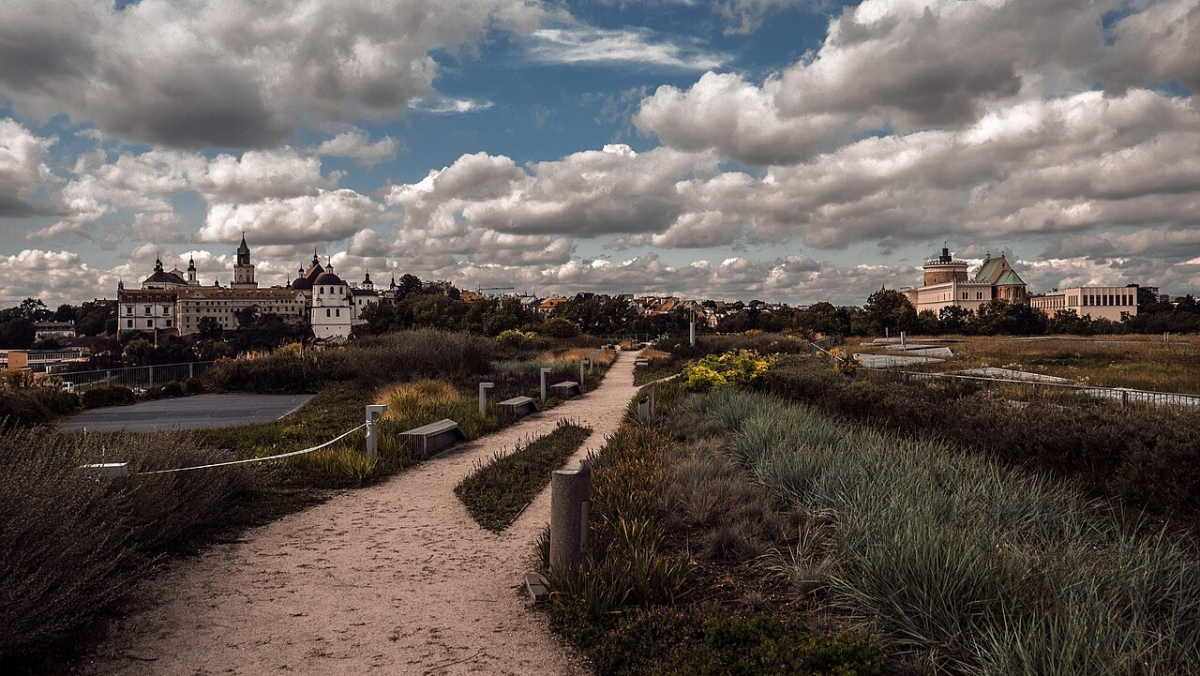
Kraków can suit a cultural and neighbourhood-focused stay, while the Old Town’s visitor activity may not match a need for quiet evenings. Łódź provides a different industrial and cultural setting, and Lublin offers an eastern regional base. These are choices to investigate, not a ranking of cheapest cities. A smaller city can reduce some expenses while making a particular excursion, airport connection or specialised service less convenient. Write the daily needs first, then compare the places that actually meet them.
Assess an apartment beyond the photographs
Confirm that the kitchen equipment supports the meals you intend to make. A kitchenette can mean a limited hob, little storage or no oven; attractive décor does not establish practical cooking space. Ask about a refrigerator, table, utensils and laundry arrangements when those affect the stay. Check the bed configuration, lift route, heating controls and the property’s rules for visitors and quiet hours. A comfortable weekend room can become inconvenient over several weeks if the daily facilities do not fit.
For working or studying during the stay, verify a usable table, chair, lighting and the stated internet arrangements. A listing’s Wi-Fi symbol does not guarantee a quiet workspace or the connection quality your activity requires. Ask for relevant current information without treating a speed claim as a permanent guarantee. Check whether a video call would disturb someone sharing the room and whether there is an alternative if the connection fails. These practical questions can matter more than an extra decorative room or a view you will rarely use.
Compare the full accommodation commitment

Ask whether the quoted amount includes heating, electricity, water, internet, cleaning and any property fees. Determine whether utilities are fixed, capped, separately metered or estimated. A monthly rental advertisement is not necessarily offered on the same terms as a furnished tourist apartment, and a longer minimum contract may create obligations beyond the trip. Read the booking or contract terms before paying, and keep the amount, currency, dates and inclusions in writing.
Check the deposit, payment schedule, cancellation and early-departure conditions. A lower monthly amount can be less useful if most of it must be paid before you can verify that the property suits you. If flexibility matters, compare a shorter initial booking with a longer commitment, while recognising that availability and rates can change. Do not assume you can extend at the same price or recover unused nights. Where to Stay helps compare accommodation types; the correct financial decision comes from the actual terms attached to the selected property.
Build a transparent monthly example
An illustrative single-person plan might allocate PLN 3,600 to a furnished accommodation booking, PLN 900 to groceries, PLN 350 to local travel and PLN 500 to meals out and cultural visits. The total is PLN 5,350 before separately charged utilities, insurance, international travel and a reserve. These are selected budgeting inputs, not verified current market quotations or a claim that this amount suits every Polish city. Replace each figure with your own dates, property terms and intended routine.
For two people sharing, accommodation may remain a shared total while groceries and personal spending increase. Avoid multiplying or dividing every category in the same way. Compare a calendar month with a four-week booking carefully because the number of nights differs. If the property charges utilities separately, ask how the charge is calculated and include a realistic allowance based on the stated arrangement. Keep deposits outside the spending total but inside the available-funds plan, so a temporary hold does not leave the next payment uncovered.
Groceries, cooking and the neighbourhood
Visit or inspect the practical shopping context before deciding that self-catering will save money. Check the distance to food shops, the carrying route and current opening hours. A small nearby shop and a larger supermarket farther away can serve different needs. Compare products and quantities you will actually buy rather than using a basket that does not match your diet. Food & Drink introduces dishes and ingredients that can help you explore Polish food while keeping an ordinary cooking routine.
Long stays do not need to become an exercise in avoiding local restaurants. Allocate money for meals and cafés that contribute to the experience, while using the kitchen for the repeated meals where it is convenient. Keep dietary and allergen needs clear when shopping or ordering. Confirm Sunday and holiday shopping arrangements for the specific store instead of assuming the usual weekday pattern applies. A base becomes more useful when shopping, cooking and eating out form a comfortable rhythm rather than a daily journey planned around the cheapest item.
Transport changes when journeys repeat

Calculate the cost of the journeys you will make regularly before buying a pass. Municipal tickets, regional rail and intercity services may have separate conditions, zones and eligibility requirements. A city pass is not automatically valid on every train that stops within the city. Compare the operator’s current period-ticket options with the actual frequency of travel, and check how the ticket is activated or validated. Getting Around supplies the broader transport context.
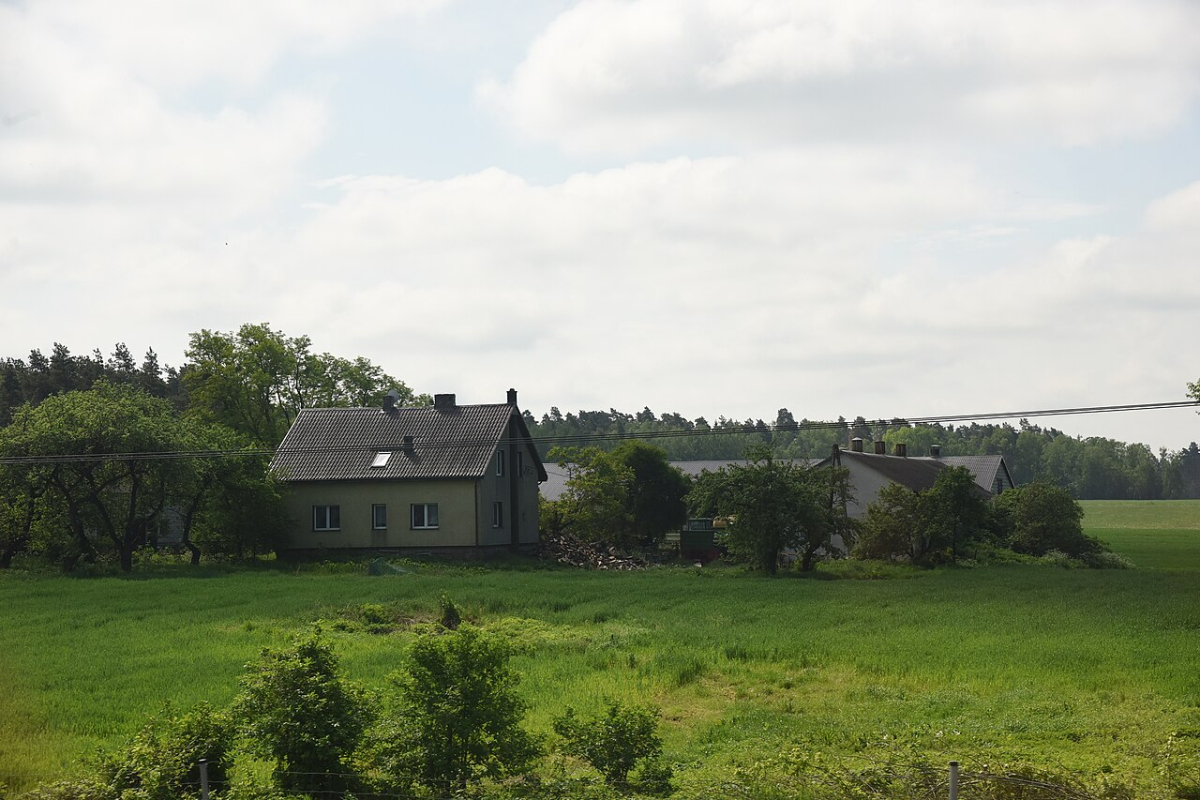
For a rural base, a car can become a repeated expense rather than a one-day excursion cost. Include rental terms, deposit, fuel, parking and any limits affecting the route. Public transport may still work well if the actual timetable supports shopping and outings, but a sparse evening return can change the routine. Do not assume that a lakefront or forest listing’s distance from a town tells you whether the road can comfortably be walked. Confirm the access you will rely on during normal days and poor weather.
Season, comfort and household costs
The season affects a long stay beyond the room price. Winter heating, short daylight and time indoors make the property’s comfort more consequential. In summer, verify ventilation or air conditioning where heat affects sleep or work. A Baltic resort can have different services outside its main holiday period, while a city’s activity calendar can produce busy dates throughout the year. Best Time to Visit and Weather & Packing help identify what the season means for your chosen base.
Check laundry costs, linen changes and cleaning frequency, especially when they are paid separately. Ask how maintenance problems are reported and who can help if an essential facility stops working. A longer booking needs a dependable contact, not merely a smooth arrival. Keep essential terms and assistance details offline, and document problems through the original booking channel where a dispute may require evidence. A little attention to the ordinary household arrangement can prevent a superficially economical stay from becoming expensive to repair or replace.
Check the legal stay independently
Your permitted length and purpose of stay depend on nationality and status. Count previous Schengen visits where the ordinary short-stay rule applies, and use official Polish and European Union information for exceptions or longer residence arrangements. Do not assume a longer accommodation booking, a return flight change or time in another Schengen country resets the allowance. If the trip involves employment or remote work, check the applicable permission and tax position with the relevant authority or qualified adviser before relying on a travel accommodation plan.
Before paying for several weeks, confirm the entry decision, the full property terms, the practical routine and the available-funds requirement. Keep a reserve for a change of accommodation or departure, and do not count an unconfirmed refund as immediately available money. Useful Contacts helps identify the right assistance channel. A good longer stay is the combination of a suitable base, clear costs and lawful arrangements. The monthly figure becomes meaningful only when those three parts refer to the same person, purpose, dates and actual property.
Compare the practical choices
| Choice | Useful focus | Check before committing |
|---|---|---|
| Urban month | Warsaw or Kraków | Workspace, groceries and neighbourhood noise |
| Coastal routine | Gdańsk or Sopot | Season, heating and regional connections |
| Smaller base | Lublin or a regional town | Services, lawful length of stay and transport |
Official information and sources
Checked for this guide on 12 October 2026. Recheck date-sensitive entry, access, transport and event information before booking or departure.