
Poland Photos & Photo Spots: Light, Framing and Permitted Access

Plan photography in Poland around light, a lawful viewing position and a return journey that fits the day. Historic streets, riverfronts, industrial architecture and mountain landscapes offer different framing choices. A photograph taken from a balloon, rooftop or restricted area does not establish that an ordinary visitor can use the same position. Use archive images as visual context, then choose a permitted viewpoint you can actually reach without obstructing residents, entering private property or ignoring safety and conservation rules.
This page addresses the photography task rather than repeating a general attraction list. Attractions helps choose heritage visits, Things to Do chooses experiences, and Walking & National Parks explains nature access. Existing Gdańsk, Poznań, Warsaw and Wrocław photo archives remain available as separate visual records. Their images are distinct from the photographs used here and elsewhere in the guide, and their archive purpose does not establish current conditions or grant permission for a new shoot.
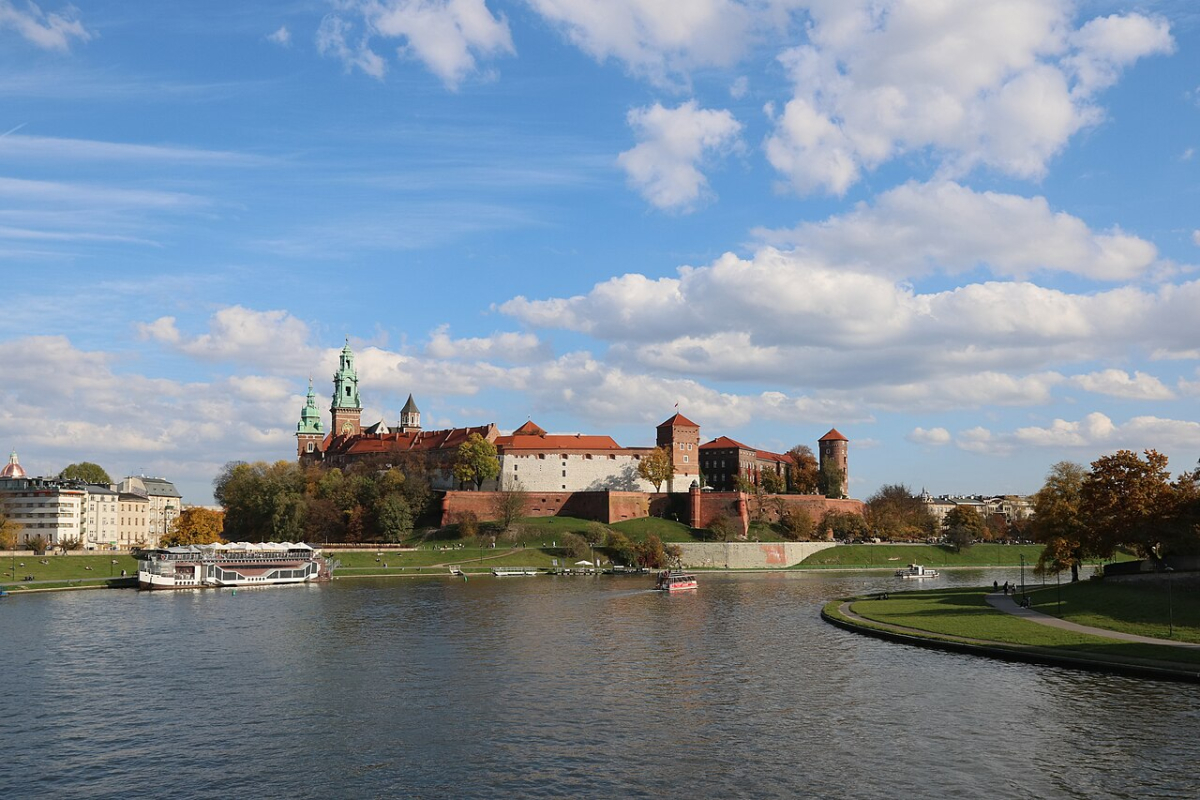
Kraków and the Vistula-facing Wawel view
A permitted public position by the Vistula can provide a broader view of Wawel than a close photograph from the hill itself. Look at how the castle and cathedral sit above the water, then choose a frame that leaves the riverbank route clear. Light direction changes the appearance of façades and reflections, so inspect the conditions on the day rather than expecting a particular sky from an archive image. A wider frame can explain the setting without requiring access to a paid interior.
The Main Market Square and nearby streets provide different architectural details, while Kazimierz offers another neighbourhood context. Keep the photography purpose distinct from a historical walk or museum visit, and do not enter residential stairways or courtyards simply to seek a high view. Aerial and rooftop photographs shown elsewhere have their own origin and do not imply public access to those positions. If an interior is important, confirm the current venue rules for cameras, flash, tripods and commercial use before carrying equipment or buying a ticket for that purpose.
Warsaw: skyline and historic-city contrasts
Warsaw’s reconstructed Old Town, Royal Route and modern skyline provide opportunities to show different parts of the capital rather than presenting it as one uniform historic city. Choose a public street, riverbank or formally accessible viewpoint, then consider whether the frame is about architectural detail, a broader urban relationship or changing evening light. A room or terrace photograph does not establish that the same view is available from every hotel category.
In the Old Town, work around pedestrians and ordinary activity. Wait for space rather than blocking the path or asking people to move out of a public street for a long setup. Around infrastructure and security-sensitive locations, obey posted restrictions and current official guidance; do not assume that a place appearing on a map can be photographed freely. A camera plan should remain compatible with the rest of the day, including the museum schedule and return transport. Night photography needs a comfortable route back, not just an attractive illuminated building.
Wrocław: river islands and layered architecture
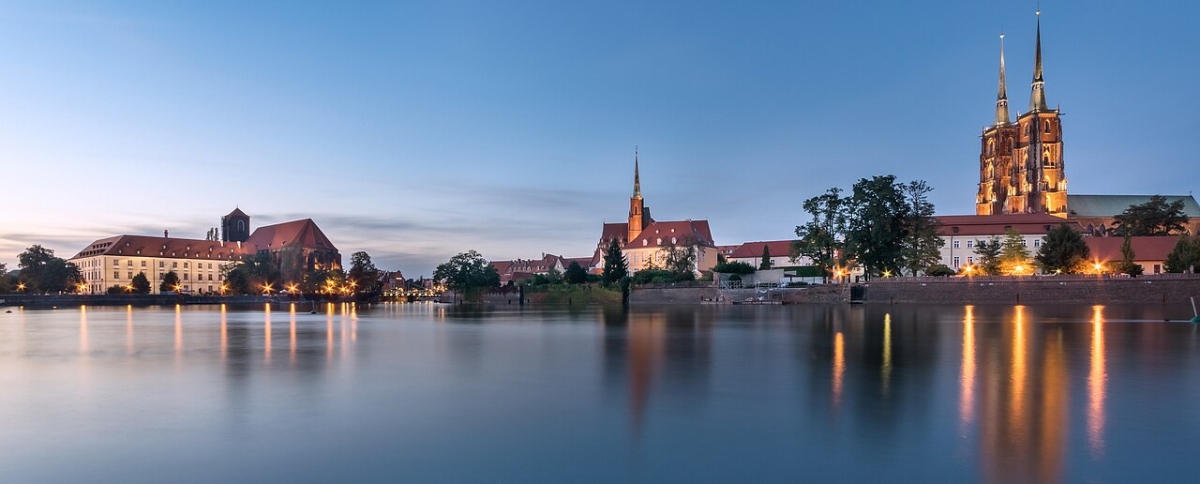

Wrocław’s river areas and Ostrów Tumski provide a different architectural and lighting context from the market square. A permitted riverbank position can show the relationship between water, buildings and skyline. In quieter light, reflections may become part of the frame, but wind and water movement can change them. Do not promise a reflection or colour effect solely because it appears in an archive photograph. Choose the frame from the conditions present and keep a safe distance from edges.
The market square also supports architectural detail and broader urban scenes, with seasonal events changing the space. During a Christmas market, consider whether you want the event setting or a quieter view of the surrounding buildings. Crowds and temporary structures can make a tripod impractical, and a special shoot may need permission. Festivals & Events records the current calendar, while the photograph remains an image from a particular moment. Respect other visitors and working entrances, especially when a long setup would obstruct the ordinary use of the square.
Gdańsk: Motława waterfront and historic façades
The Motława waterfront provides a useful framing context for Gdańsk’s historic architecture and changing urban surroundings. Look for a lawful public position that lets the buildings and water form a clear composition without blocking the pedestrian route. A wider view can explain the waterfront relationship, while a closer architectural frame can focus on detail. Check the direction of light and the current activity rather than assuming a night reflection or empty promenade will be available on demand.
Mariacka Street and other central streets offer a different scale, but thresholds, steps and shopfronts are working spaces. Do not treat them as a private set or assume that every raised platform is public access. A guided walk can explain the area while a dedicated photo visit lets you wait for light; they serve different purposes. The existing Gdańsk archive contains a separate attributed photograph for visual context. Its presence does not remove the need to check access or establish that a particular façade or waterfront arrangement is unchanged.
Baltic dunes and lake landscapes
Coastal dunes and lake shores can provide wider landscape frames, but access and habitat rules should control the position. In Słowiński National Park, stay on the designated visitor routes and do not cross vegetation or barriers to obtain a cleaner foreground. Sand, strong wind and changing weather affect equipment and walking. Beaches and Walking & National Parks provide the practical setting; the photography decision should fit that permitted outing rather than create a new unsafe detour.
Around lakes, reflections and low light can be appealing, while the shore may be private, wet or unsuitable for standing close to the edge. Use an accessible permitted position and leave the wildlife undisturbed. A sunset image does not establish the current light, weather or water level. If a boat or landing stage is involved, confirm the operator’s rules and the activity’s safety conditions. Avoid stepping into protected ground or approaching animals simply because the photograph would look more dramatic from there.
Bieszczady and other mountain light
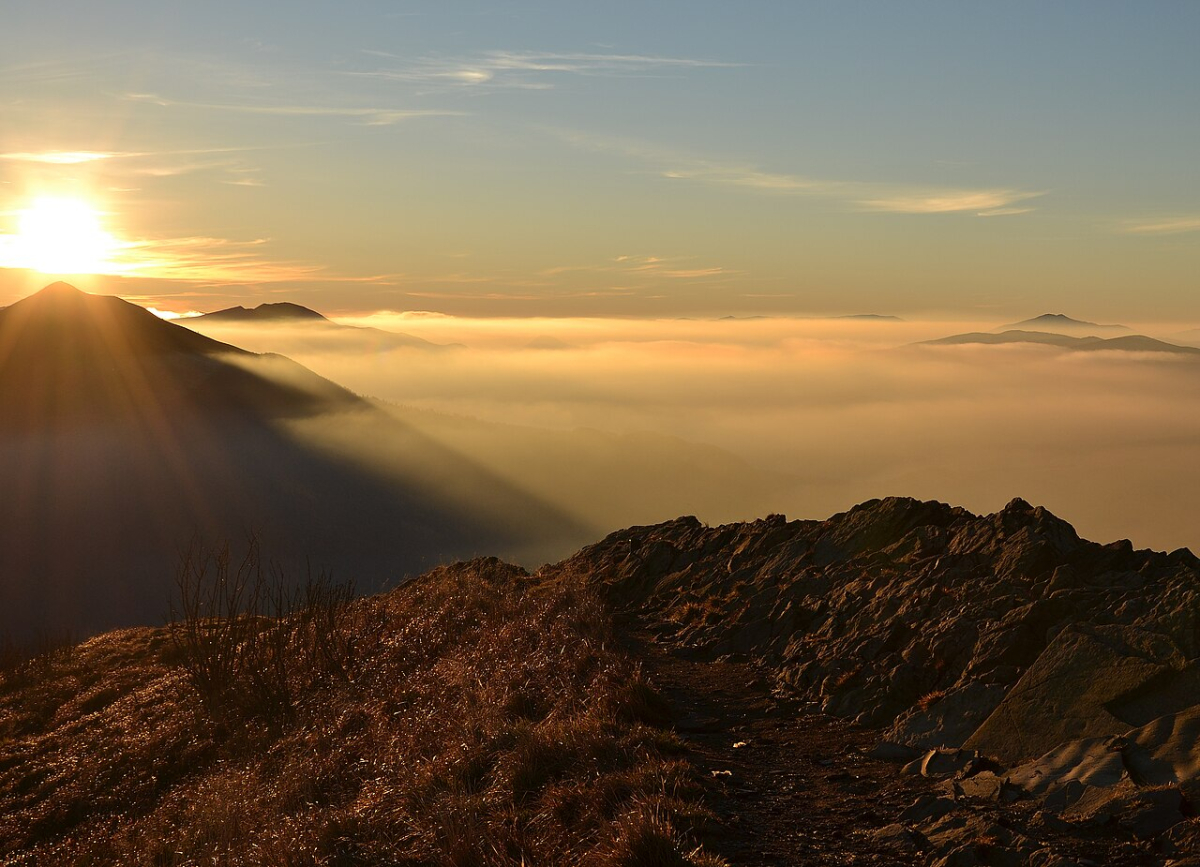

The Bieszczady offer upland landscape opportunities, including changing light across ridges and valleys. A sunrise or mist photograph can be powerful, but it may require timing and route preparation beyond an ordinary daytime walk. Do not use an archive image as evidence that a particular trail is open, suitable in darkness or safe in the current season. Confirm the park’s access hours, route and weather, and choose a position consistent with your experience and the return.
Other southern mountains need the same route-specific approach. Forecast, terrain, snow, wind and daylight affect the plan, and carrying a camera does not reduce the physical demands. Select a safer accessible viewpoint when it meets the photographic purpose, and accept that the conditions may not reproduce the expected image. Walking & National Parks explains the broader preparation. Keep the turnaround and transport connection realistic so a hoped-for light effect does not encourage staying too late or rushing down a route to protect another booking.
Rules, people and responsible image-making
Follow current rules at museums, religious sites and memorials, including any restrictions on flash, tripods, video or commercial activity. A ticket is admission under the venue’s conditions, not a universal photography permit. At memorial sites, consider the purpose and dignity of the place before choosing a frame. Avoid posing that trivialises the setting or making other visitors’ distress part of an image without their consent. Responsible Travel develops the wider cultural and conservation choices.
Respect people in working streets and private spaces. Ask before making a close portrait where consent is appropriate, and do not assume a vendor or performer has agreed to an extended shoot because they appear in a visitor area. Official safety guidance cautions about photography and drones near military, security and infrastructure locations. Drone operation requires its own current authority and location checks; do not treat a scenic viewpoint or a hotel roof as automatic permission to launch or fly.
Make a photo plan you can comfortably complete
Choose a few positions close enough to the route you are already taking, and leave room to respond to light and weather. Save the access information and return transport offline, protect equipment appropriately and carry only what you can manage on the actual walk. A small camera or phone can make a strong record without an elaborate setup; a tripod or specialist equipment is useful only when the position, rules and activity support it.
Record the place and context accurately when describing your own photographs. Do not turn a view, an archive image or a brief visit into an invented personal expertise claim. The guide’s images retain source, photographer and licence information, and every photograph is used only once within this Poland guide. Good planning combines visual curiosity with accurate location, lawful access and care for the people and landscape around the frame. That produces a more useful photography trip than chasing an image whose original position or current conditions you cannot verify.
Compare the practical choices
| Choice | Useful focus | Check before committing |
|---|---|---|
| City water and heritage | Kraków, Wrocław or Gdańsk | Light, lawful position and pedestrian space |
| Coast and lakes | A suitable Baltic or Masurian shore | Weather, habitat and permitted access |
| Mountain landscape | A suitable Bieszczady route | Conditions and a safe return before dark |
Official information and sources
Checked for this guide on 12 October 2026. Recheck date-sensitive entry, access, transport and event information before booking or departure.