
Wrocław Photo Archive: A Licensed Poland Image
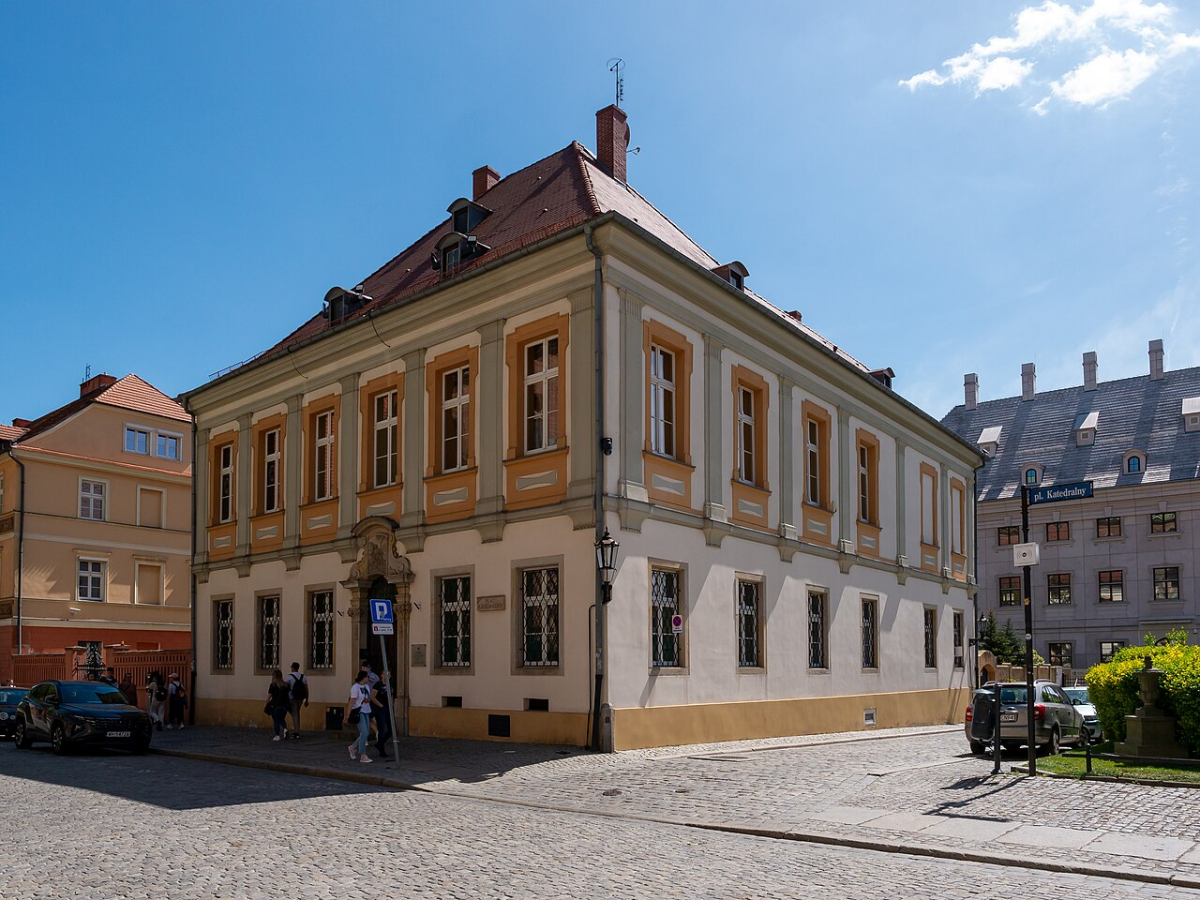

This Wrocław photo archive presents a licensed photograph of a historic building in the Ostrów Tumski setting. The image concentrates on architecture at building scale, offering a different visual interest from a broad river panorama or a distant city skyline. It is an archive illustration with credited provenance. It does not establish a current entrance arrangement, name every interior use or guarantee that the photographer’s position can be used during your visit.
Wrocław can reward looking at architectural details as well as wider water and city views. This page focuses on reading one building photograph and preparing a considerate photography outing in a historic urban setting. Poland Photos & Photo Spots supplies the broader country comparison, including wider Wrocław ideas. Map & Regions and Itineraries help decide whether the city fits a connected route. The archive adds a specific visual exercise rather than another general list of Poland’s major attractions.
Look at the façade before searching for a dramatic view
Begin with the building’s proportions, the rhythm of its windows and the relationship between the roof and walls. A relatively restrained architectural photograph can reveal these features more clearly than a frame packed with unrelated landmarks. Notice where the picture’s edges fall and how much surrounding street or sky is included. These choices influence whether the building reads as the main subject or simply as one element within a broader city scene.
For your own photograph, decide which feature deserves attention. A whole-building frame may explain the architecture, while a closer detail can show a doorway, surface or repeated window pattern. Use the position available within the permitted public space and keep the frame honest about what can be seen. Do not enter private property or move beyond a barrier to correct a composition. A different architectural detail can be a better choice when the wider view would require inappropriate access.
Distinguish building detail from a river panorama
Ostrów Tumski provides a historic setting in Wrocław, but not every photograph there needs to become a panoramic view of water and towers. The archive image offers a building-focused subject. A river scene and a façade study involve different distances, foregrounds and light decisions, so give each its own purpose if both interest you. The wider Poland photo guide already considers broader city-water compositions; this archive helps you notice the smaller architectural relationships that those views may not show.
Avoid building an outing around the assumption that every nearby view belongs to one continuously accessible route. Streets, bridges, entrances and institutions can have different practical conditions. Identify the permitted path and the specific visit you intend to make, then adjust when access or activity differs from expectations. An archive image gives context, while the actual situation determines where you may stand, whether an interior is open and how the party can move through the area comfortably.
Work with colour, texture and vertical lines
Consider how the façade’s colour relates to the roof, sky and adjacent surfaces. Bright conditions can make contrast stronger, while softer light may reveal subtle differences in texture. Review whether the photograph retains the detail that matters to your intended subject. A building picture does not always need an unusually dramatic sky; sometimes a clear arrangement of architectural forms explains more than a weather effect that attracts attention away from the façade.
Check the frame for tilted verticals and unwanted objects at the edges. Perspective can be used deliberately, but it should serve the picture rather than becoming an accidental consequence of hurried positioning. A modest adjustment from an allowed place may improve the relationship between the building and its surroundings. If you edit perspective or colour later, keep the result faithful to the scene and avoid presenting substantial changes as a current documentary view. The archive should help you observe, not encourage an imagined version of the building.
Choose a suitable time without promising identical light
The archive photograph records one moment and one set of conditions. Weather, seasonal foliage, maintenance and everyday public activity can change the scene. Look at the current forecast and choose a photography period that suits the subject and the party’s comfort. Daylight architectural work, a wider evening view and an indoor cultural visit are different plans. Do not assume that a single arrival time will serve every interest equally well.
Allow flexibility around timed admissions or other commitments. If the light is unsuitable for the intended building picture, consider a detail from the same permitted area or a different activity whose access you have checked. In poor weather, shorten the outdoor period rather than waiting in an exposed position without suitable clothing. Weather & Packing helps prepare for the actual Wrocław day. A thoughtful alternative can produce a useful observation without recreating the conditions shown in this archive.
Respect religious use and private entrances
Historic architecture can be connected to religious, residential or institutional use. A visitor should not infer unrestricted tourist access from an attractive façade or an open door. Follow current posted instructions, respect services and ask the responsible institution when photography or equipment rules are unclear. A publicly visible building and its interior are separate access decisions. The archive photograph does not grant permission to enter a room, courtyard or gallery.
Keep movement and noise considerate in the surrounding streets. A group gathering for photographs can obstruct an entrance even when everyone believes they are standing in a public area. Make space for residents, staff and people attending activities, and avoid treating them as obstacles to remove from the frame. Ask before a close portrait and accept refusal. Responsible Travel explains the wider approach, while the specific venue and circumstances determine the behaviour required during the actual visit.
Make the photography part of a manageable city day
Choose a compact Wrocław outing with enough time for looking, a meal and any cultural visit you genuinely want. A building photograph can be made quickly, but understanding the setting and moving comfortably through the area takes longer. Do not attach several distant districts automatically to one short session. Select the main photographic interest and leave another subject for a separate period when that produces a more coherent day for the party.
Consider the accommodation-to-area journey and the practical return before choosing the time. Getting Around provides the transport context, and Where to Stay compares the types of base that may suit the wider Poland route. Keep heavy equipment appropriate to the actual walking and local connections required. If companions have different interests or mobility needs, agree the length of the photography period and a clear meeting arrangement. A realistic plan helps the image arise from an enjoyable visit rather than a sequence of rushed transfers.
Prepare equipment and access for the people involved
Use equipment you can manage comfortably and operate without repeated adjustment in a shared passage. Check battery, storage and weather protection before setting out, and carry only what the chosen subject needs. A tripod or large setup may be inappropriate in a narrow space even when there is no broad prohibition on photography. Confirm the venue’s rules when relevant and choose a suitable handheld frame if the equipment would obstruct others or make the route unnecessarily difficult.
Ask precise access questions if steps, surfaces or standing time affect the visit. A historic neighbourhood being open to visitors does not establish that every viewpoint is accessible to every person. Choose the actual permitted route and position that fit the participants. Travel Essentials helps organise practical preparation, but the local authority or institution supplies current access information. A shorter outing or an alternative subject can be the right decision when the available conditions do not match the original plan.
Keep the source and your own captions accurate
The archive caption records the credited photographer or source and links to the Wikimedia Commons file and licence. Review those terms for any intended reuse and preserve the required attribution. This photograph is used once within the Poland guide’s complete image inventory. Different crops, sizes or filenames would still be the same picture and are not treated as additional unique illustrations. The archive’s licensing information does not itself establish access permission for your own visit.
Can the picture identify every architectural detail or interior function? No; use a suitable institutional source for claims beyond the recorded subject and visible scene. Must you reproduce the exact composition? No; an informed photograph from a permitted position can show a different observation. Does a quiet street guarantee unrestricted equipment use? Check the actual rules and keep shared space clear. Before leaving the base, review the forecast, route, access conditions and return, then look at Wrocław’s architectural setting with patience and accurate captions rather than assumptions the archive cannot support.
Compare the photography decisions
| Choice | Focus | Check |
|---|---|---|
| Subject | A historic façade in Ostrów Tumski | Proportion, texture and frame edges |
| Wider view | A separate city-water composition | Do not assume one position serves both subjects |
| Access | Shared historic streets and entrances | Respect current religious and private use |
Image provenance and official information
Checked on 12 October 2026. The photograph and linked file record support the visible subject and credit. Confirm current access, venue activities and transport before your own visit.