
Gdańsk Photo Archive: A Licensed Poland Image
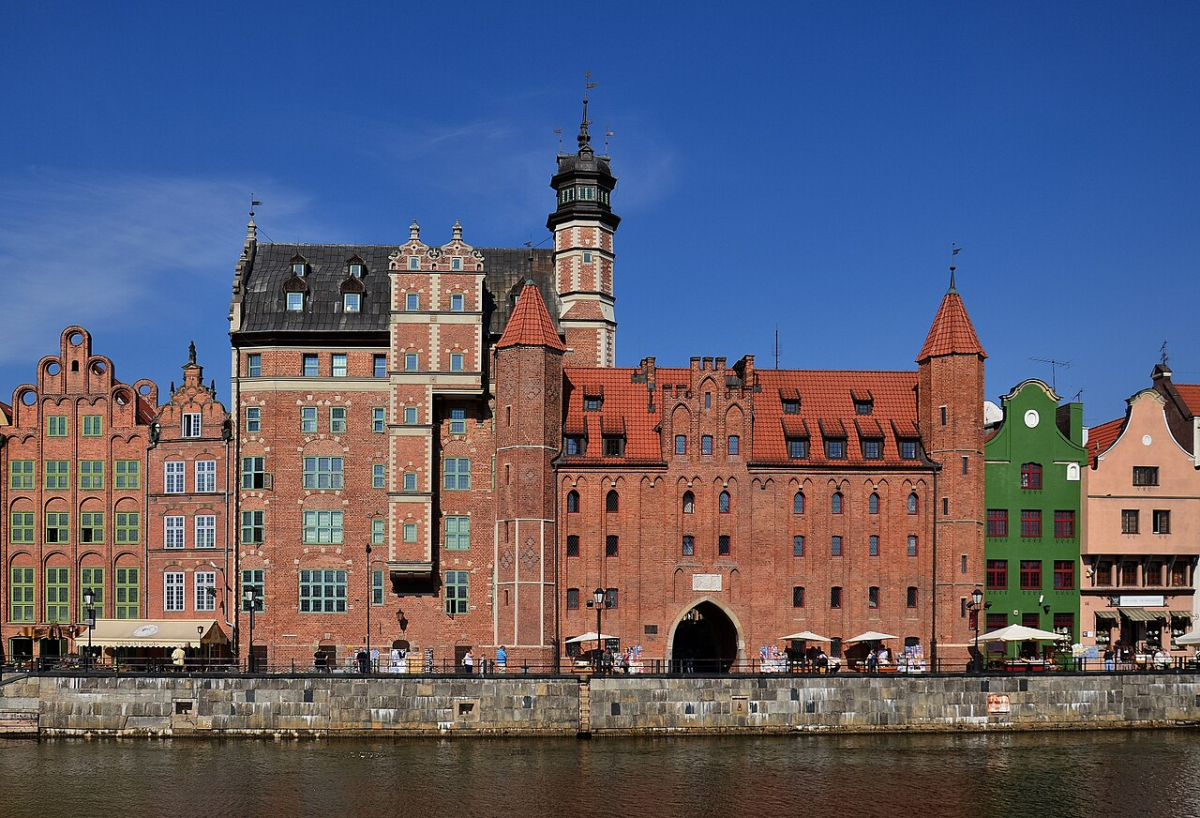

This Gdańsk archive presents one licensed photograph of historic gate and waterfront architecture, together with a practical way to read the picture and prepare a considered city photography visit. The image is an archive illustration. It does not establish a current opening time, identify an exact standing position or guarantee that the buildings will look the same during your trip. Use the credited source for the photograph’s provenance and current official information for access decisions.
Gdańsk offers architectural photography within a working city rather than a controlled outdoor studio. People, transport, weather, lighting and waterfront activity affect the scene. A useful visit therefore combines a clear photographic interest with enough flexibility to respond to the actual place. This page focuses on interpreting urban architecture and choosing a manageable Gdańsk photo outing. Poland Photos & Photo Spots provides the wider comparison with other cities, coast and mountain subjects; Map & Regions places Gdańsk within a sensible northern itinerary.
Read the gate and the surrounding buildings together
Begin with the relationship between the prominent historic structure and the neighbouring façades. Their different heights, rooflines and colours give the frame more than one visual rhythm. A gate or large building can anchor the picture, while the smaller buildings explain its urban setting. Look at how much space the photographer gives the architecture and sky, and consider which detail attracts your eye first. This is a way to interpret the actual image rather than an instruction to recreate an unverified camera position.
For your own photograph, decide whether the subject is a single structure or the group of buildings around it. A tight frame can emphasise brickwork or a roof silhouette; a wider one can show the connection between the buildings and public space. Neither is automatically better. Compare the background, the edges of the frame and any object that obscures the intended subject. Keep the camera position lawful and stable, and change the composition when a clear view would otherwise require crossing a barrier or blocking a passage.
Distinguish the historic centre from a generic waterfront view
Visitor descriptions sometimes use Old Town loosely for central areas that include the Main City. That label is useful context, but it should not replace the actual building names or a map when arranging a meeting. Gdańsk’s Motława setting can support both architectural and waterside subjects, yet a photograph of a historic gate is not evidence that every nearby path, interior or quay is open to visitors. Identify the specific visit you want and confirm its access separately.
A photography outing also differs from a museum or guided-history visit. If the architectural story is central to your interest, choose a suitable museum or guide and reserve time for learning rather than using photographs as a substitute for interpretation. If your priority is framing buildings in changing light, keep that period flexible. Things to Do offers a guided Gdańsk walk as an optional experience; the photo archive serves a different purpose, helping you look at the scene and organise your own permitted outdoor time.
Choose daylight, dusk or an evening architectural frame
The archive image’s lighting belongs to the conditions under which it was made. It does not promise that the same illumination, weather or reflections will be present again. For a daylight visit, consider how the direction of light affects the façades you want to photograph. Bright sky behind a shaded building creates a different exposure problem from even cloud cover. A quieter frame may depend as much on the time and public activity as on the camera setting.
For dusk or evening work, allow time to reach a suitable position before the light changes. Check whether a tripod is permitted and whether it can be used without obstructing others. A handheld photograph from an ordinary public path can be a more practical choice when the space is busy or the equipment would impede movement. Do not lean over barriers, climb structures or step onto working waterfront infrastructure to gain a cleaner view. Plan the return journey as part of the same decision, especially if staying outside central Gdańsk.
Build an outing with time to observe
Choose one compact area for the photography period rather than trying to cover every Gdańsk landmark in a single rushed circuit. Begin with the architectural subject that matters most, then allow time to look at the adjacent streets or permitted waterfront space. A short pause often reveals changes in pedestrians, cloud cover or light that a hurried arrival misses. Keep timed museum admission or a guided walk separate so that waiting for a photograph does not cause you to miss the booked activity.
Tri-City accommodation needs its own journey calculation. A room in Sopot or Gdynia may suit the wider holiday but creates a different arrival and return routine from a central Gdańsk base. Check the current rail or local connection, the walk to the subject and the final practical return for the evening. Getting Around explains these transport choices, while Where to Stay compares the accommodation setting. A photography plan is easier to use when the route, luggage and energy required are visible before departure.
Use equipment for the scene you can safely reach
Decide what the picture needs before choosing equipment. A wider view, an architectural detail and a dusk scene have different demands, but carrying every possible accessory can make movement through the city less comfortable. Use the equipment you know how to operate and check batteries, available storage and any weather protection. An accessible standing position and an attentive composition usually matter more than a lens chosen to compensate for a route that does not fit your needs.
Review the frame’s edges and the relationship between vertical lines before taking several versions. A strongly tilted view can be a deliberate choice, but it can also distract from a building group whose proportions you want to show. If you adjust perspective or colour later, keep the result honest about the subject. Do not remove important access barriers in a way that presents a restricted viewpoint as ordinary public access, and do not describe an edited archive picture as a current record of the scene.
Account for weather, water and other people
Gdańsk’s coastal context makes wind and changing weather relevant even when you are photographing urban architecture. Check the local IMGW forecast and dress for time spent standing as well as walking. Wet surfaces can change footing, and cold hands or an exposed position can make a long wait unsuitable. Weather & Packing helps prepare for the actual day. If conditions are poor, choose a shorter outing or an indoor visit from its real schedule rather than forcing the planned frame.
Keep doorways, crossings and the movement of other visitors clear. Ask before making a close portrait and respect refusal; people using the street are not props for an architectural photograph. Follow posted rules at museums, religious buildings and private entrances. Avoid treating an open gate as permission to enter or assuming that a publicly visible interior can be photographed without restriction. Responsible Travel explains these shared-space decisions, which remain relevant whether the picture is intended for a personal album or public publication.
Understand the archive image’s licence and limits
The caption names the photographer or credited source and links to the Wikimedia Commons file record and the recorded licence. Follow those links when deciding how the image may be reused. The existence of a credited picture does not grant access to the location or permission to reproduce the conditions of the original visit. Rights for this photograph and the rules for making your own photograph are separate matters, each requiring attention to its actual source.
This guide uses the image once within the Poland collection. A different crop or filename would still represent the same photograph and is not treated as another distinct picture. The archive does not reproduce the image as a second hero elsewhere in the guide. If you make a personal series, use different frames because they add a new observation, not simply to multiply files. Keep your own notes accurate about place, date and any permission obtained, and avoid attaching an unverified landmark name to an attractive building.
Gdańsk photo questions and a useful final check
Does the archive establish the exact viewpoint? No; use it for visual context and identify a permitted position during the actual visit. Must you take a paid tour to photograph the centre? The optional guided walk adds interpretation, while independent photography depends on lawful access and local rules. Can you combine a museum, a tour and an evening photo session? Compare the real schedules and journeys, and leave room between them instead of assuming a compact city centre removes all timing constraints.
Before leaving the accommodation, check the forecast, the chosen area, any timed activity, the equipment you will use and the return connection. Keep the plan small enough to adapt when light or public activity differs from expectations. A successful Gdańsk photograph can record architecture, texture or an ordinary city moment without replicating this archive. Use the city’s working spaces considerately, and let the picture come from an informed visit rather than a position or condition the archive never promised.
Compare the photography decisions
| Choice | Focus | Check |
|---|---|---|
| Architectural group | Historic gate and neighbouring façades | Choose a permitted position with a clear frame |
| Light | Daylight, dusk or evening | Allow time without missing a booked activity |
| Journey | Central Gdańsk or another Tri-City base | Check the final practical return |
Image provenance and official information
Checked on 12 October 2026. The photograph and linked file record support the visible subject and credit. Confirm current access, venue activities and transport before your own visit.