
Food & Drink in Poland: Regional Dishes, Markets and Meals

Food and drink in Poland are best explored through several ordinary meals and regional choices rather than one compulsory dish. Pierogi are a useful introduction, but soups, potato dishes, breads, cheeses, pickles and desserts provide a wider picture. A milk bar, a market stall, a neighbourhood restaurant and a reserved tasting menu also serve different purposes. Choose the setting from the meal you want, the time available and any dietary requirements, then read the actual menu and price units before ordering.
This guide helps decide what to try and how to choose a meal format. Things to Do covers a food outing as an experience; Travel Costs & Money helps organise the allowance; Longer Stays & Costs addresses grocery and cooking routines. No fixed restaurant ranking or personal dining claim is implied. Menus, hours and availability change, so use current venue information for a particular reservation and ask about ingredients when the preparation matters to you.
Start with pierogi, then read the filling and topping
Pierogi are filled dumplings with savoury and sweet versions. Potato and fresh-cheese fillings, cabbage and mushroom combinations, meat, fruit and other variations can appear on menus. The useful choice is the filling and preparation you want, not simply ordering a dish because it is described as traditional. Ask whether the portion is boiled, fried or otherwise prepared, and check the topping. Bacon, butter, cream or other additions can change both the taste and dietary suitability.
Compare portion sizes and whether sides are separate when judging value. A small tasting plate and a main meal are different orders, even when both use the same dish name. Vegetarian filling does not establish vegan dough or topping, and a cabbage-and-mushroom description does not prove the absence of every allergen. If a requirement is important, explain it clearly and ask the staff to confirm the actual preparation. A translated menu can help with selection but should not replace that direct ingredient check.
Soups, potatoes and substantial everyday dishes
Soups are a useful way to explore another part of Polish food. Żurek, barszcz, cucumber soup, cabbage soup and other choices have different ingredients and preparations. Read the menu rather than assuming that a vegetable name means vegetarian stock. Bread, sausage, egg, cream or other additions can form part of the serving. A soup can be a light meal or the first part of a larger lunch depending on the venue and portion.
Potato dishes include dumplings and pancakes with varied sauces and sides. In the Poznań and Wielkopolska context, pyry with gzik pairs potatoes with a seasoned fresh-cheese preparation. Bigos combines cabbage and other ingredients in a substantial stew; a breaded pork cutlet offers another familiar main-meal option. These are examples to choose among, not a requirement to try every dish in one sitting. Consider the appetite, weather and rest of the day, and avoid ordering a large combination merely to reproduce a national food checklist.
Kraków and the southern regional context

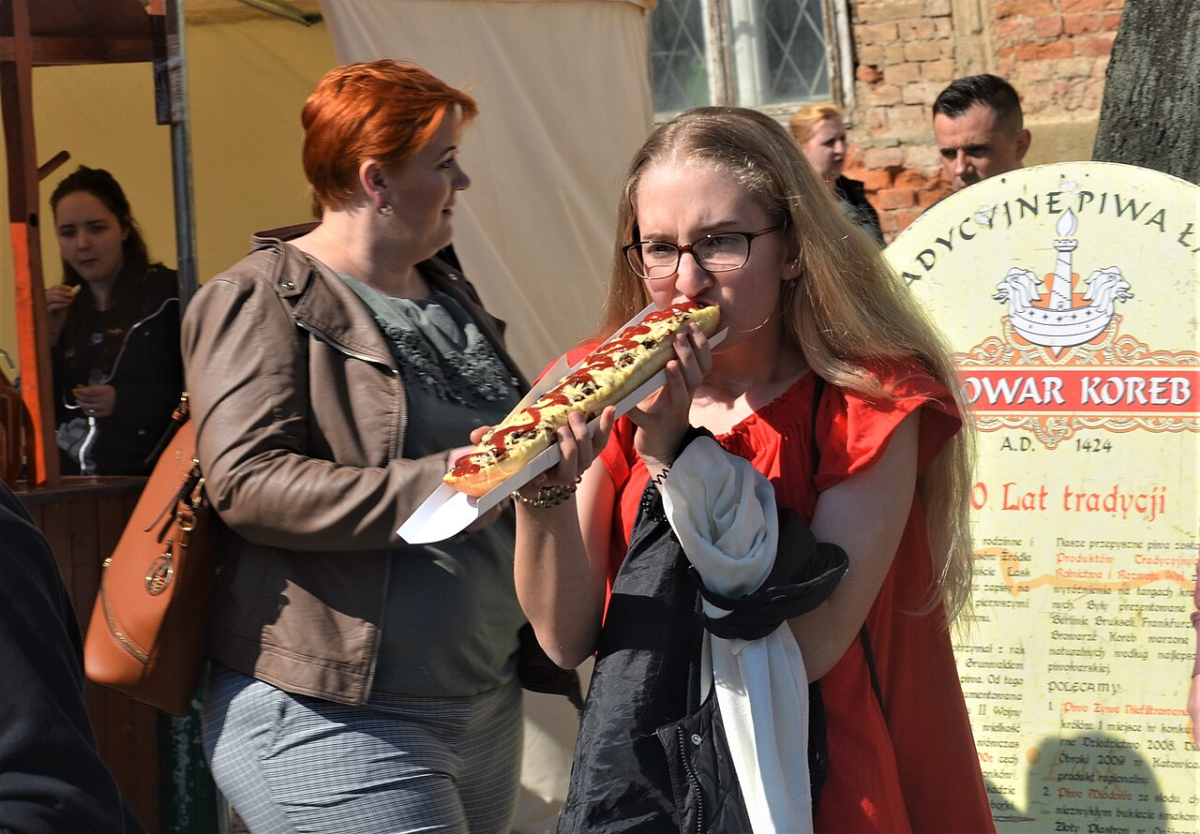
Kraków provides a useful setting for bakery stops, market browsing and neighbourhood meals. An obwarzanek can be a practical snack, while a zapiekanka offers a different street-food format. Kazimierz’s food context can complement a cultural walk, but do not treat every menu as an identical statement of the neighbourhood’s history. Choose the current venue and dish for what they actually offer, and give a sit-down meal enough time rather than squeezing it between two distant tours.
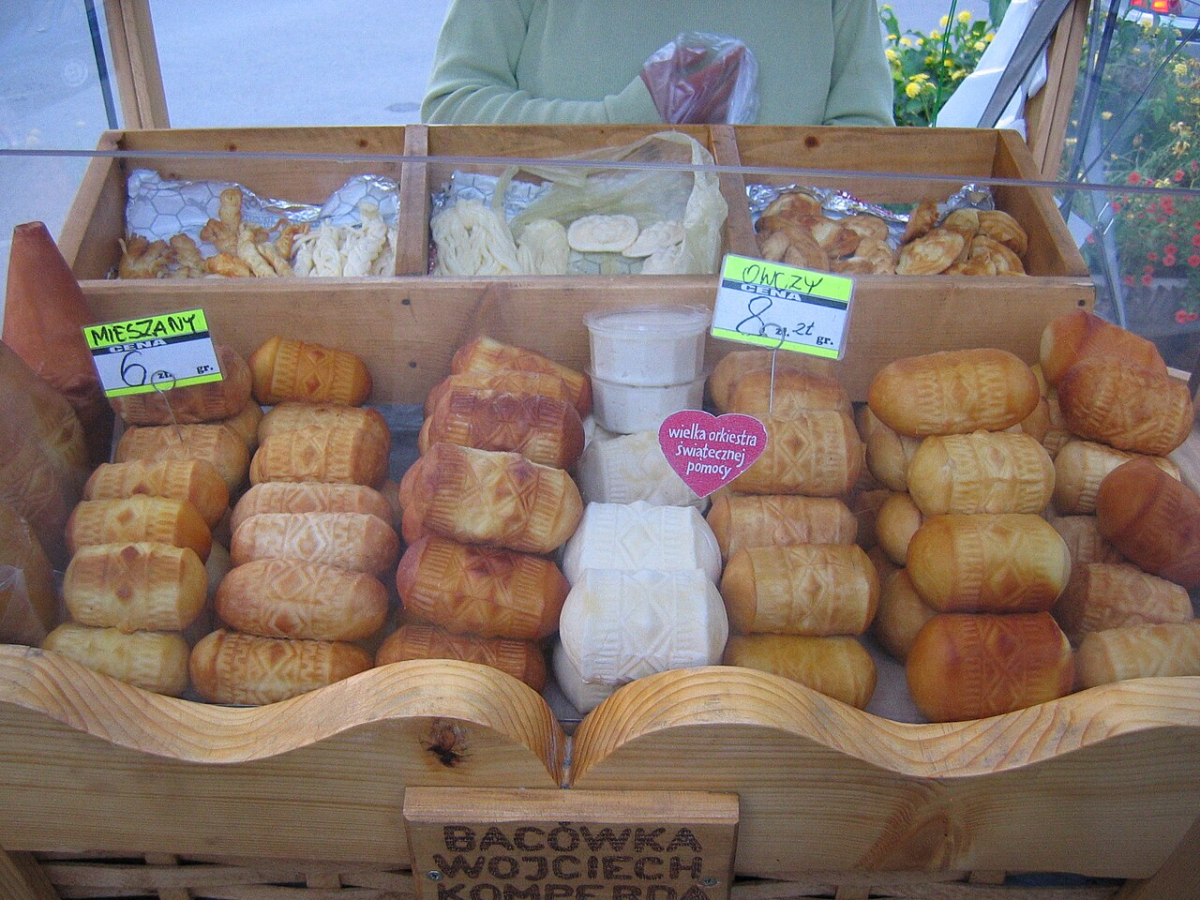
The southern mountain region adds a cheese and highland-food context, including oscypek. Check the product and producer description rather than assuming every similar-looking smoked cheese has the same identity. A market photograph illustrates a food setting, not certification of every item currently sold. When travelling beyond Kraków, use the regional menu and ask about local dishes, portion sizes and the preparation. Food choices can give a nature or mountain stay a different rhythm without turning the meal into another attraction requiring an elaborate itinerary.
Coast, lakes and northeastern choices
A Baltic stay can include fish dishes and a different meal setting from an inland city. Check species, preparation and how the price is calculated; a price per weight and a price for a complete portion are not directly comparable. Ask what is included and whether sides are charged separately. An attractive waterfront table does not establish the origin of the fish or the freshness of every item, so avoid turning the view into an unsupported quality claim.
In lake and northeastern regions, look at the particular local menu rather than assuming every rural restaurant serves the same national selection. Regional potato dishes, dairy products and baked goods can provide different choices. A longer rural stay also needs a dependable grocery and meal plan, especially outside the main holiday period. Where to Stay helps assess the base, while Longer Stays & Costs considers the ordinary routine. Choose food experiences that fit the region you are already visiting rather than making a long detour for a dish available in a more practical setting.
Milk bars, markets and different restaurant formats
A bar mleczny, or milk bar, is a cafeteria-style setting associated with ordinary Polish meals. It can be useful for a straightforward lunch, but inspect the actual ordering and collection procedure, menu and hours. Some meals may sell out, and a venue may have limited arrangements for dietary requests. A milk bar is not automatically a complete vegetarian restaurant or a table-service dinner venue simply because dairy appears in the name.
Markets and food stalls suit browsing and selected snacks; neighbourhood restaurants suit a fuller meal; a tasting menu needs a different time and budget commitment. Compare the format from the purpose of the outing. If reserving, confirm the sitting, party size and any dietary arrangement in advance. A guided tasting can add explanation but may offer samples rather than dinner. The right choice is the one that makes the meal comfortable and useful to the day, not the setting described most enthusiastically in an old travel review.
Desserts, bakeries and drinks
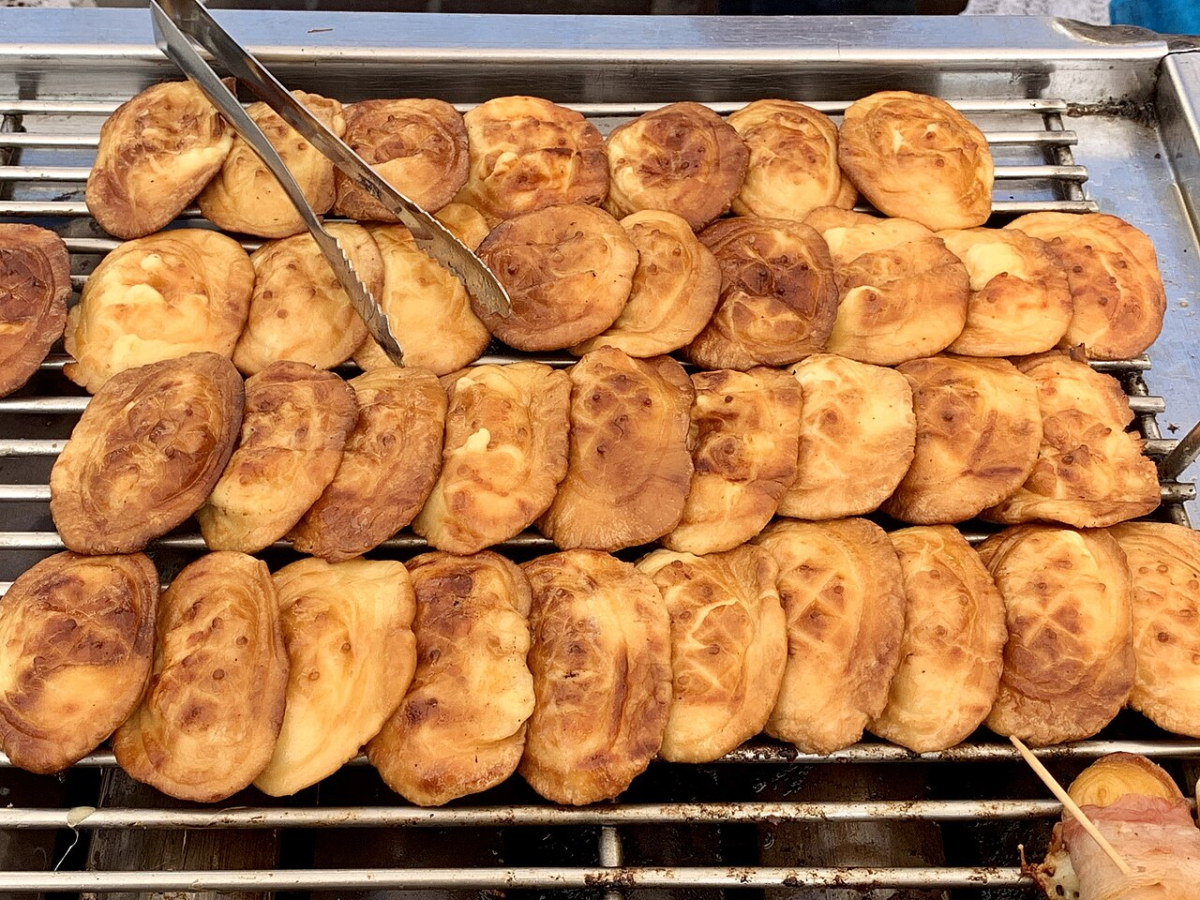

Cheesecake, apple-based desserts, poppy-seed cake and other bakery choices provide another route into Polish food. Check what a display item contains, especially where nuts, dairy, eggs or gluten matter. A pastry snack can be a welcome pause during walking, while a café visit can form an unhurried part of a neighbourhood afternoon. Choose the portion and setting you want rather than assuming a photograph of an elaborate dessert represents an ordinary daily order.
Tea, coffee, beer and other drinks appear in different venues and meal contexts. Alcohol is optional; a food-focused trip does not require it. Read the size and price, and verify what a tasting includes before booking. If the next activity involves driving, swimming or a demanding walk, keep the meal and drink choice compatible with that plan. Nightlife discusses evening formats and the return journey. A relaxed dinner or café can be a worthwhile evening without becoming a late bar or club visit.
Dietary needs and clear ordering
Explain allergies and important dietary requirements before choosing the dish. Ask about ingredients, stock, toppings and preparation rather than relying on a broad menu symbol or the dish’s main vegetable. Cross-contact needs should be discussed directly with the venue where they matter. A vegetarian option may still contain dairy or eggs; a dish without a visible ingredient does not prove it is absent. Use a clear translated explanation when language makes the conversation difficult.
For a reservation or organised food activity, confirm whether the provider can accommodate the requirement and what alternative is offered. Do not assume a last-minute substitution will be equivalent or available. Keep the answer with the booking if it is essential to the decision. If the venue cannot confirm suitability, choose another practical option. Poland’s contemporary city food scene includes a wide range of cuisines and formats, so exploring local food can coexist with finding a meal that comfortably fits individual needs.
Make the meal part of a well-paced day
Check current opening and reserve when a particular venue or format controls the evening. Leave room around a substantial museum or tour rather than scheduling a restaurant at the earliest possible finish. Read the bill and payment amount before authorising it, and compare prices in PLN with the correct unit. Keep a simple nearby alternative if the planned meal is unavailable. A useful food day combines curiosity with ordinary practical decisions.
Try different settings over the trip instead of repeating one famous dish or dining style every day. A market snack, a milk-bar lunch and a regional dinner can reveal more variety than a single large tasting plate. Use the linked Polish cultural and tourism information for dish context, then the current venue for the actual meal. The result is a food experience shaped by your route, appetite and requirements, with enough time to enjoy it and a clearer understanding of what you are ordering.
Compare the practical choices
| Choice | Useful focus | Check before committing |
|---|---|---|
| Regional meal | Pierogi, soups and local dishes | Filling, stock, portions and allergens |
| Quick food | Zapiekanka or a market choice | Ingredients and the current menu |
| Milk bar | A practical everyday meal | Opening, ordering and payment format |
Official information and sources
Checked for this guide on 12 October 2026. Recheck date-sensitive entry, access, transport and event information before booking or departure.