
Best Time to Visit Poland: Seasons, Crowds and Trip Styles
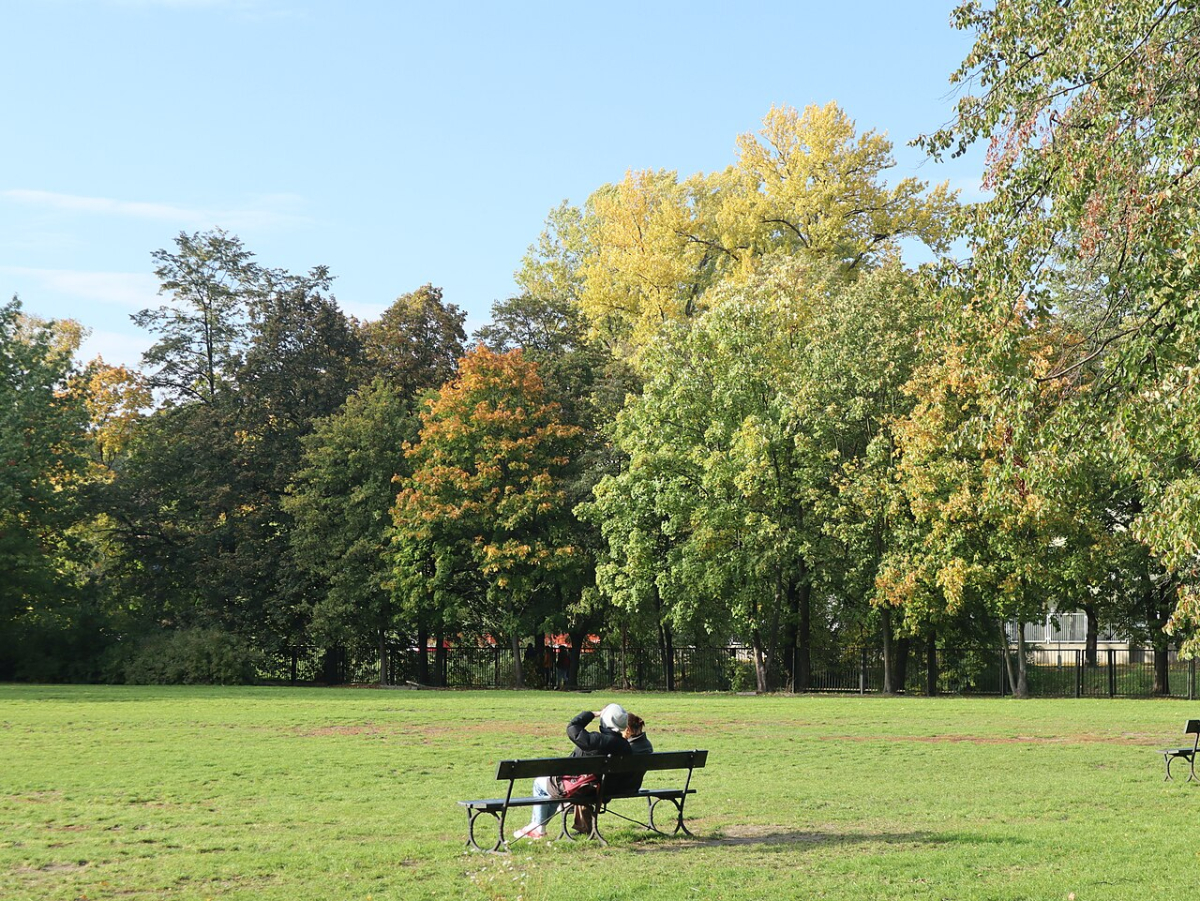

The best time to visit Poland depends on whether you want city museums, coastal days, walking, seasonal events or a slower regional stay. There is no single month that provides ideal conditions for the Baltic, Kraków, Warsaw and the high mountains at once. Start with the activities that matter most, then compare the likely season, daylight, visitor demand and operating calendar in the actual region. Use current forecasts closer to departure; this page helps choose dates, while Weather & Packing addresses daily conditions and preparation.
Spring and early autumn often suit a trip built around urban walking and cultural visits. Summer offers long days and many seasonal services, alongside busy coastal and mountain periods. Winter can work well for museums, concerts and particular markets, but outdoor activities require a different plan. Treat these as broad planning patterns rather than promises about temperature, rain, snow or crowd levels. A specific festival weekend or public holiday can change the experience more than the month alone.
Spring for cities and flexible outdoor days
March and April are transitional months. A city stay can combine museums and cafés with walks when conditions allow, but cool spells, rain and occasional wintry conditions can still affect outdoor time. May generally provides a more useful balance for longer urban days. Warsaw’s parks, Kraków’s historic streets and Wrocław’s river areas can form a rewarding spring trip without depending on every day being warm. Keep indoor choices on the same side of the city as your planned walk, so the alternative is genuinely convenient.
Check the calendar around Easter and the early-May holiday period. Domestic travel, changed opening hours and transport demand can affect a trip that otherwise looks outside the main summer season. Book a particular museum session or language tour when its schedule matters, then leave surrounding time flexible. Spring in a city does not establish summer conditions on a southern mountain path. If walking is central, choose the actual route only after checking park notices and current conditions, rather than using a national seasonal label.
June and early summer
June provides long daylight for city walking and regional trips. It can be a useful time for a coastal base if you value shore walks and quieter routines as much as swimming. Water conditions and weather still vary, so do not buy a beach holiday solely from an expected air temperature. Around lakes and wetlands, activity services, insects and local access all need attention. Confirm the operating dates of the particular boat rental, tour or transport connection you intend to use.
Large events can create concentrated demand before the traditional peak holiday period. Open’er’s announced 2027 dates run from 30 June to 3 July, affecting the Gdynia and wider Tri-City accommodation context. A traveller interested in the event should plan the ticket and late return deliberately; a traveller seeking a quieter coastal stay may prefer different dates or another base. Festivals & Events records confirmed dates separately from programmes that remain to be announced. A general summer recommendation cannot replace that event-specific check.
July and August for coast and long outdoor days
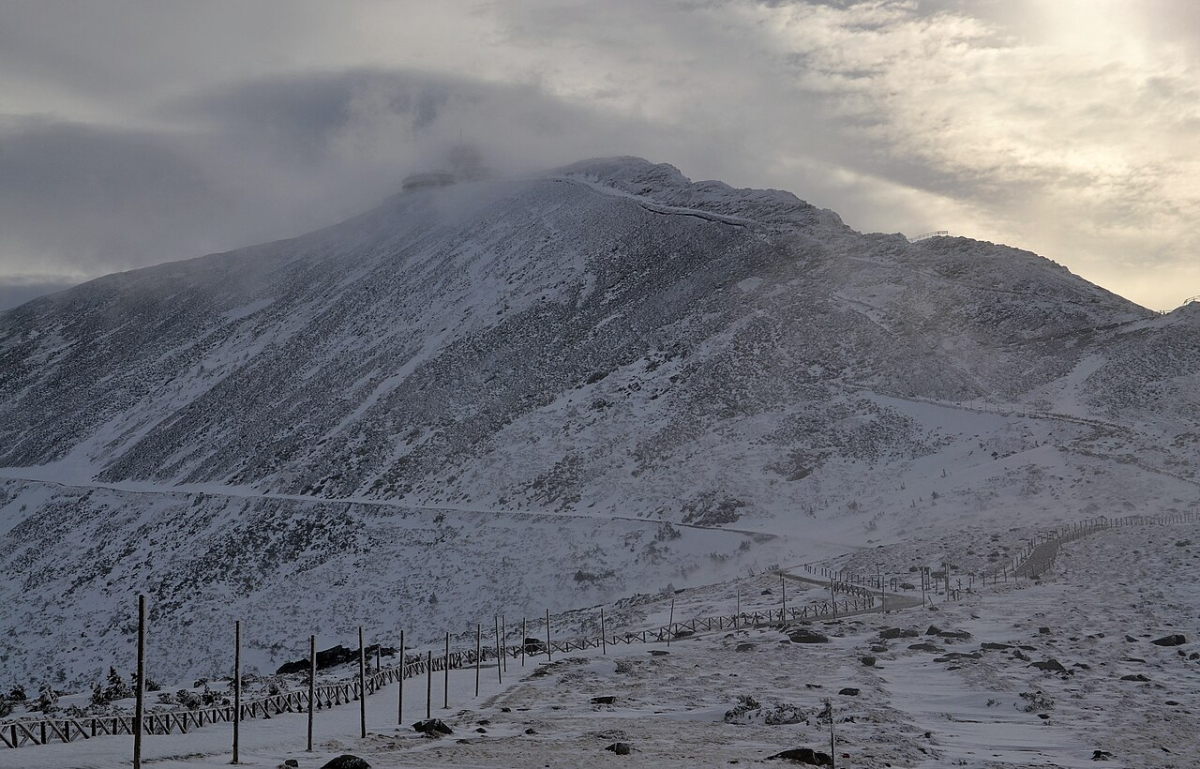

July and August are the clearest starting point for a trip centred on the Baltic holiday season, lake activities and many summer services. Expect popular resort accommodation and attractive rail departures to need more planning. Long daylight is helpful, but it also encourages overfull days. Give a family beach stay time for weather changes, meals and rests, and check the actual bathing area rather than assuming every part of a long sandy shore is supervised.
For mountains, summer is an opportunity to consider suitable walking routes, not permission to ignore terrain or thunderstorms. Route difficulty, remaining snow, exposed ground and the return connection all matter. In cities, hot periods can make long midday walks uncomfortable; schedule more demanding walking earlier, use shade and reserve indoor visits where useful. Price and visitor pressure vary locally. Compare your actual dates and room needs instead of assuming that every Polish destination has the same summer premium or the same busiest week.
September and early autumn
September can suit a route combining city culture with selected outdoor days. The Baltic may remain attractive for walks even when swimming is no longer the main purpose, and parks and regional towns can provide a slower rhythm. Seasonal services may begin reducing their schedules, however. A ferry, rental point or resort restaurant that operated daily in August may have different arrangements later. Check the operating calendar for the specific activity before booking accommodation around it.
For a first city trip, September often offers a useful compromise between outdoor time and a stronger need for indoor alternatives. October introduces more pronounced changes in daylight and weather, while autumn colour varies by place and year. A scenic mountain photograph taken in October does not establish current trail conditions. Build early-autumn walks with a turnaround time and a weather alternative. If photography is the main interest, Photos & Photo Spots helps plan framing and permitted access without turning a seasonal colour expectation into a guarantee.
Late autumn for cultural stays
November can work for a deliberate museum, food and performance itinerary. Shorter daylight makes it important to place outdoor walks in the useful part of the day and keep evenings purposeful. Look at the particular concert or exhibition programme rather than describing all evenings as nightlife. A compact accommodation location can become more valuable when repeated cross-city journeys are made in cold or wet conditions. Check coats, footwear and drying space as practical needs, not just packing details.
Reduced demand in some places does not mean every room is cheaper. Business travel, concerts, trade fairs and weekends can still change prices. Compare the full stay and cancellation conditions, especially if the trip depends on a new event announcement. Some institutions publish special programmes or admission arrangements in autumn; those should be checked on their own current official pages. Avoid extending a temporary offer into a permanent national claim. The season can be rewarding when indoor interests lead the plan and outdoor time remains adaptable.
Winter, markets and snowy landscapes
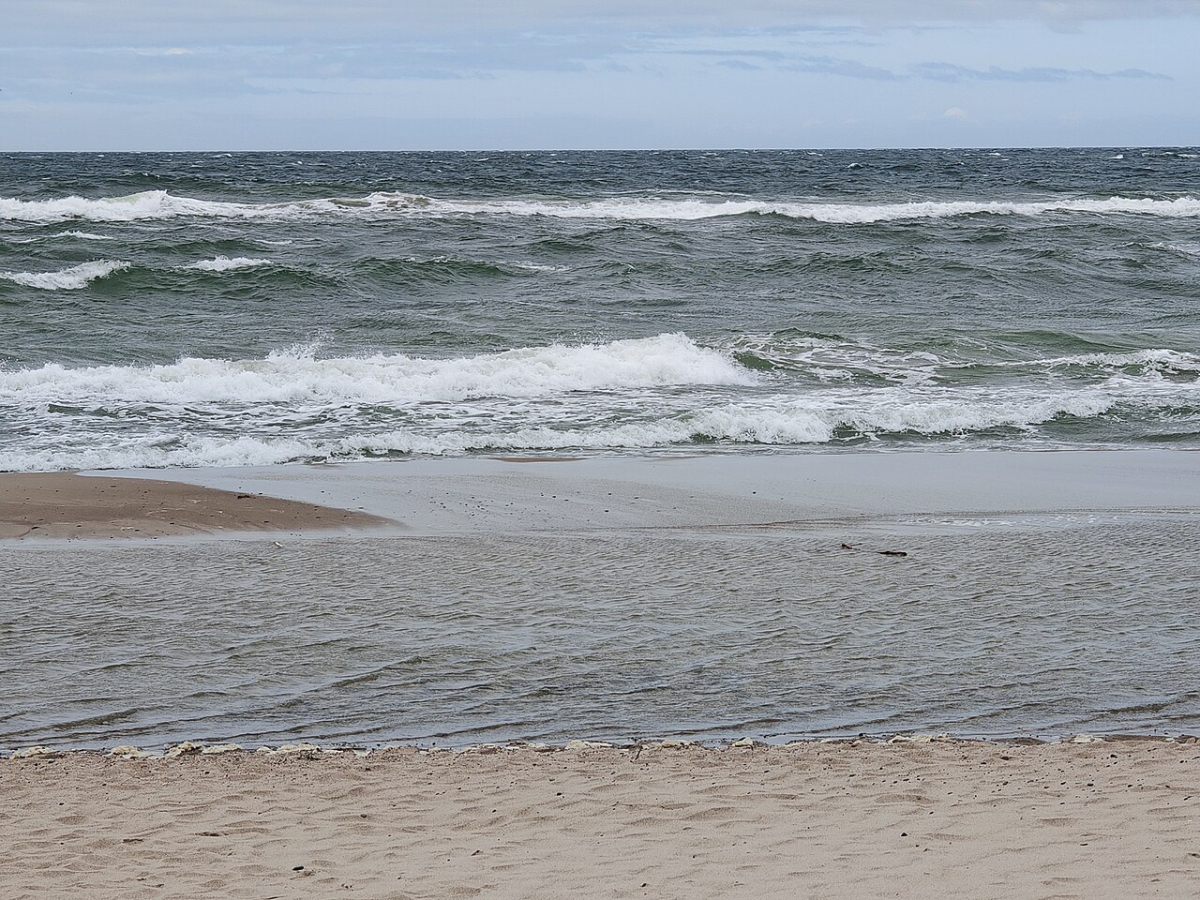

December offers seasonal markets and a different urban atmosphere, while daylight is limited and cold, rain, snow or ice can change walking plans. Wrocław’s announced central Christmas market runs from 20 November 2026 to 7 January 2027, with specific closures and altered holiday hours. Check those details before choosing the visit day. A market season is not a promise that every stall operates every day or that snow will provide the setting shown in an archive photograph.
January and February can suit indoor cultural visits and carefully chosen winter activities. Mountain winter travel needs its own skills, equipment and current information. Do not treat summer paths, ordinary walking shoes or a clear city forecast as sufficient preparation for snow-covered terrain. Skiing and other snow activities also depend on the actual operating conditions of the facility. If you want a quiet city stay, examine the transport and museum calendar for your dates; holiday closures and winter works can matter more than a broad claim that the season is quiet.
Match the dates to your trip style
A cultural first visit can work across much of the year because museums and urban neighbourhoods provide alternatives to long outdoor days. A coast-first holiday needs closer attention to bathing conditions and seasonal services. A walking trip requires route-specific evidence; selecting a month is only the first decision. A festival trip starts with the organiser’s confirmed date and ticket conditions. A longer stay should include the daily reality of heating, daylight, groceries and transport rather than simply a lower monthly accommodation quote.
Before committing, list the experiences that would make the trip worthwhile and identify what must be operating for each one. Compare those needs with the official calendar, then build a backup that you would actually enjoy. Where to Stay and Itineraries can help adapt the route around the season. Reserve essential tickets and dependable bases, but leave room to respond to the current forecast. Choosing dates around your own purpose produces a more reliable holiday than pursuing an abstract national best month that cannot fit every region or traveller.
Compare the practical choices
| Choice | Useful focus | Check before committing |
|---|---|---|
| Spring or autumn | City walking and regional visits | Variable weather and holiday dates |
| Summer | Baltic coast and selected outdoor routes | Demand, heat and current trail conditions |
| Winter | Museums, markets and a suitable base | Short daylight and snow at elevation |
Official information and sources
Checked for this guide on 12 October 2026. Recheck date-sensitive entry, access, transport and event information before booking or departure.