
Sign in
For Photos4Travel editors and team members.
USA · MIAMI GUIDE
Where to Stay in Miami: South Beach, Brickell and More
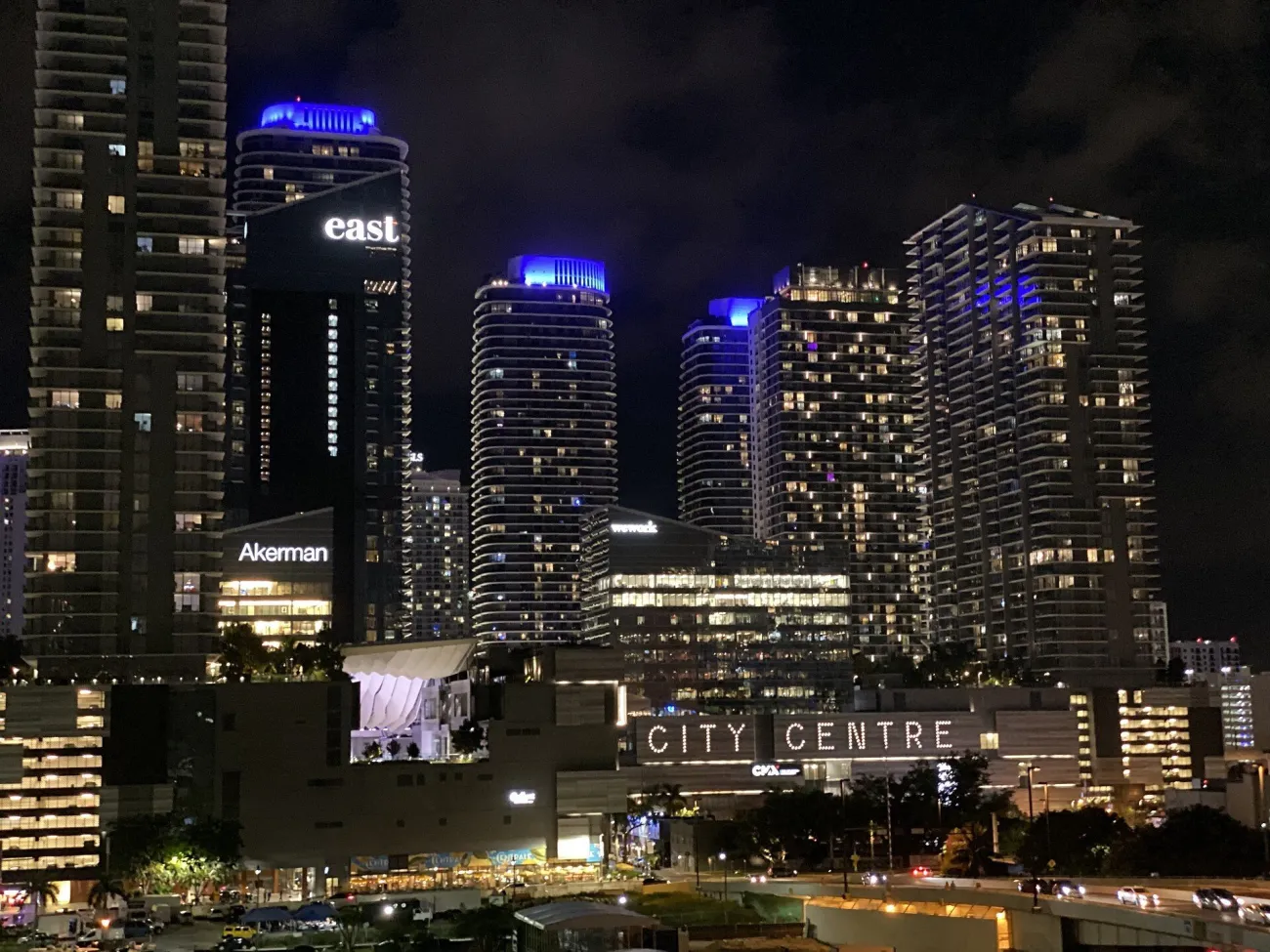

For a Miami visit, the first accommodation decision is whether to sleep beside the ocean or on the mainland. South Beach makes early beach walks and an evening out easy to combine. Downtown and Brickell suit a trip built around bayfront museums, city dining and mainland journeys. Neither is the universal centre of every Miami holiday.
Work backwards from the mornings and evenings you expect to repeat. A room close to your preferred beach can be more useful than a cheaper mainland address if you plan to swim every day. If most of your bookings are away from the shore, a mainland base can simplify the trip. This guide compares areas; the separate Miami hotels guide helps you assess named properties.
Compare Miami areas by the journey you will repeat
On a small screen, scroll the table sideways to compare the areas.
| Area | Useful for | Main trade-off |
|---|---|---|
| South Beach | Ocean, Art Deco walks and Miami Beach evenings | The exact block affects noise and the walk to the sand |
| Mid Beach or North Beach | A stay with more time near the coast | Allow a separate journey for South Beach or mainland plans |
| Downtown or Brickell | Museums, city meals and mainland connections | A bayfront location is not an ocean beach |
| Coconut Grove | Neighbourhood meals and a slower waterfront base | Check the actual route to rail and other districts |
| Coral Gables | A stay centred on the Gables or a particular hotel | Repeated Miami Beach outings add travel |
| MIA area | A flight connection, early departure or specific business address | Airport convenience does not establish sightseeing convenience |
South Beach for an ocean led first visit
Choose South Beach if the coast is part of your ordinary day, rather than a single excursion. You can return to your room between the beach and dinner and explore the Art Deco district without beginning every outing with a mainland transfer. It is a straightforward choice when that combination is why you are visiting.
Judge the exact street and room. An address near Ocean Drive can put nightlife and restaurants at the door, while a courtyard or street-facing room may have a very different sound environment. Ask the property about the specific room category and check the route to the beach entrance you expect to use.
For families or early sleepers, prioritise a room arrangement that works at bedtime as well as a convenient daytime location. For a car-free stay, locate groceries, breakfast and your likely pickup point. A short distance on the map is less useful if the journey involves luggage, beach equipment or a difficult crossing.
Mid Beach and North Beach for more time by the shore
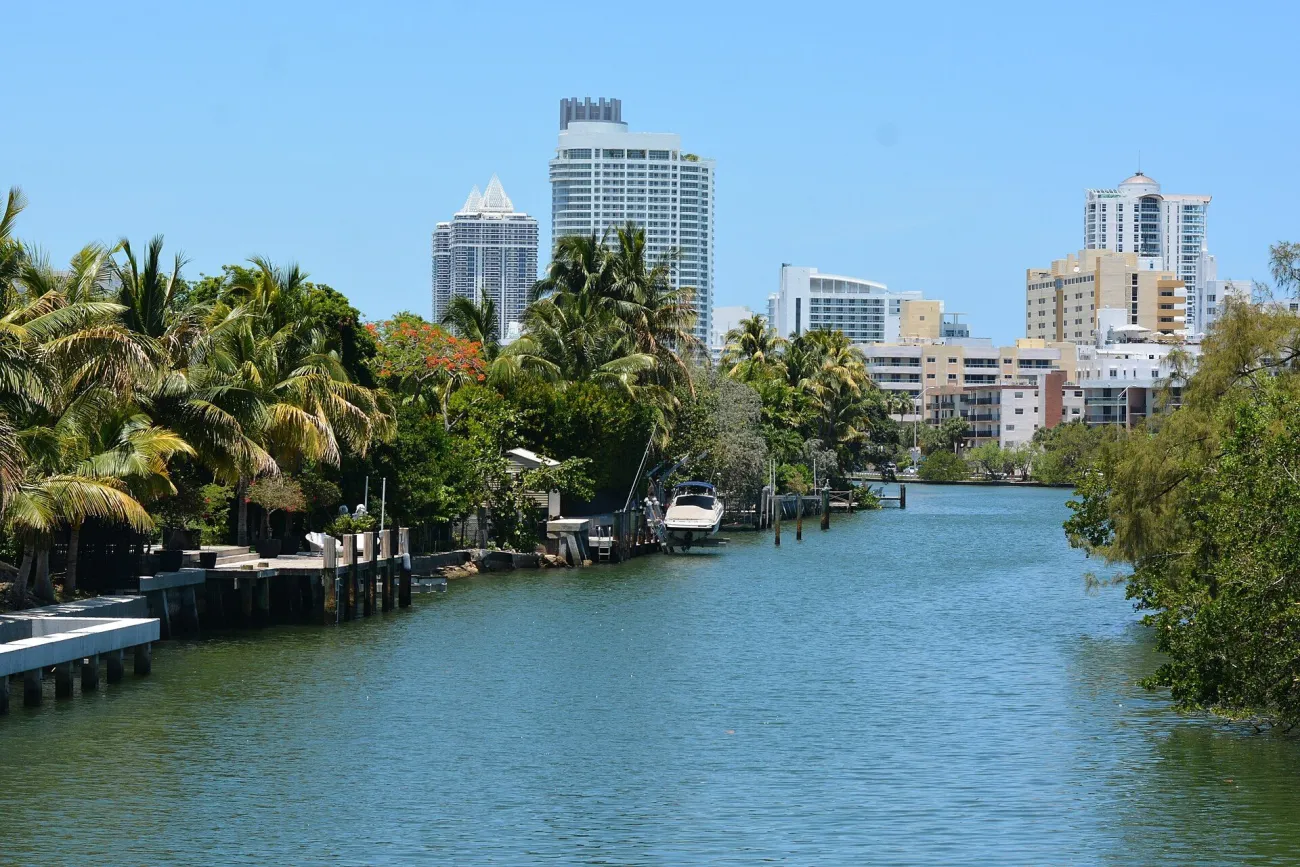

Farther north on Miami Beach, a coastal stay can revolve around the property, nearby food and the beach. This can suit travellers who want several relaxed ocean days with occasional outings, rather than an evening in South Beach every night. Choose the particular stretch and accommodation style, not a promise that every block is quiet.
Check how often you will travel south or across to the mainland. The free Miami Beach trolley is useful when its route and service fit, but a longer ride and a final walk are still part of the outing. A dinner reservation in another district may require a different return plan.
Beach access also deserves a precise question. Ask whether the room rate includes any beach setup, which equipment is provided and where you reach the shore. An ocean view, direct access and included chairs describe different things. See the Miami beaches guide before choosing the stretch.
Downtown and Brickell for a mainland city stay
Downtown and Brickell work well when your trip centres on museums, bay views, restaurants and city evenings. Around Downtown's museum district, PAMM and Frost Science are important anchors. Brickell adds a different concentration of hotels, restaurants and shops south of the Miami River.
The distinction between bay and ocean matters here. A rooftop pool with a water view can be appealing, but it does not replace a Miami Beach stay if daily beach access is the point. Price and plan the causeway journeys you would actually make.
For a car-free trip, check the exact building's approach to useful rail, Metromover or bus connections, including the walk with luggage. Read current service notices before relying on a particular station. For a cruise, check the sailing's actual terminal and the complete transfer; a hotel described as near PortMiami is not automatically a walkable embarkation base.
Coconut Grove for neighbourhood time and a waterfront rhythm


Coconut Grove can be a good choice if you want to spend part of the stay in the neighbourhood itself. Meals, a cultural visit and a waterfront park can form a day without making the beach the main event. It suits travellers who prefer returning to a smaller local circuit after an outing elsewhere.
Check where the property sits within that circuit. A Grove address does not establish a short walk to every restaurant, park or Metrorail station. Work through one real day: departure from the room, your first visit, dinner and the return. If the journeys depend on direct rides, include those in the area comparison.
Coral Gables for a stay with a specific local purpose


Coral Gables is worth considering when the Gables, a particular hotel or nearby appointments form a significant part of the visit. It offers a different setting from South Beach's coast and Downtown's towers. Miracle Mile and the surrounding area provide a local dining and shopping focus.
It is a less obvious fit if almost every day begins on Miami Beach. Compare the actual journeys before being persuaded by a lower room price or a broad Miami label. The Biltmore is a hotel-led stay in Coral Gables; assess its setting and facilities as part of that choice rather than treating it as an oceanfront alternative.
Use an airport hotel when the flight is the main constraint
An MIA-area stay can make sense for a short connection, an early flight or work near the airport. Distinguish the in-terminal option from hotels that require a shuttle or road transfer. Check the current pickup location, shuttle hours and arrangements for your party before relying on an included service.
For a multi-day holiday, put the airport hotel through the same daily-route test as another area. Saving on the room may mean longer journeys for several consecutive days. The airports and transfers guide covers the first and final journey.
For a longer stay, compare the facilities you will use every week
Over several weeks, laundry, cooking, desk space and the trip to ordinary shops become more valuable. Ask what the booked unit actually contains: a kitchenette may not provide the equipment needed for the meals you plan, and shared laundry has different practical implications from an in-unit machine.
Choose an address around repeated commitments and rest days. A remote-work stay needs a workable desk and reliable connection, while a longer holiday may benefit more from easy food shopping and a pleasant nearby walk. Request confirmation of the amenities that matter before committing to a non-refundable rate.
For an apartment or short rental, check the building's terms, the municipality's current rules and the complete booking conditions for that exact address. Do not assume every advertised unit has the same permission or minimum stay. No single citywide monthly rent can replace a real quote for a furnished stay of your length.
Compare the complete stay before choosing the room
Use the same dates, guests and cancellation terms for each quote. Include mandatory charges, taxes, parking, any required beach setup and the transfers created by the location. Ask about deposits and payment timing separately from the final cost. Then compare the room's bed arrangement, access requirements and the facilities you will actually use.
A split stay is useful when the trip genuinely changes character, such as city sightseeing followed by several beach days. It is less useful when moving rooms consumes the only flexible half day. Keep one base unless the second meaningfully improves the itinerary.
Sources and further planning
- Greater Miami neighbourhoods
- Downtown and Brickell guide
- Miami Beach trolley
- Extended stay hotel options
Where to stay in Miami FAQ
Is South Beach or Downtown better for a first visit?
South Beach is a strong choice for daily ocean time and Miami Beach evenings. Downtown suits a visit led by mainland museums, restaurants and bayfront activities. Choose around the journeys you will repeat.
Where should I stay in Miami without a car?
Choose an exact address near the activities and useful transport you will use. A walkable South Beach stay and a mainland base near the right connections can both work; they support different itineraries.
Is a Miami airport hotel a good sightseeing base?
It can suit flight or work constraints, but compare the full daily journeys to your planned visits. Airport convenience alone does not establish convenient access to the coast or each neighbourhood.
Should I change hotels during a five day trip?
Usually one well-chosen base is simpler. Split the stay only when the second location meaningfully improves a distinct part of the trip and the move is worth the time it consumes.