
Sign in
For Photos4Travel editors and team members.
USA · MIAMI GUIDE
Miami Food and Drink: What to Eat and How to Order
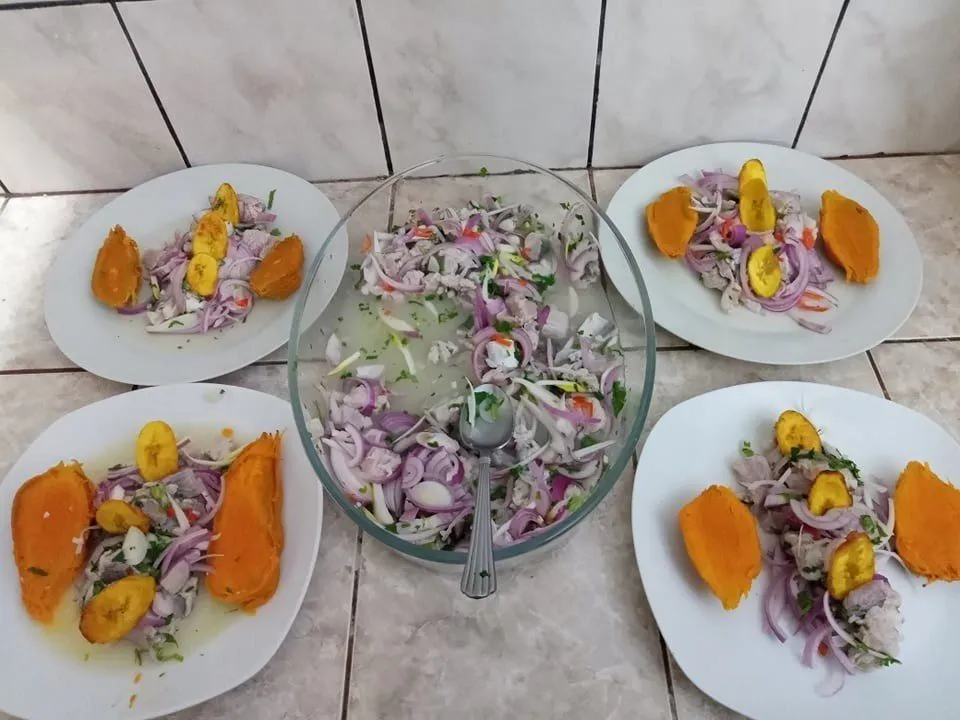

A good way into Miami's food culture is to start small: coffee at a walk-up window, a pastry, then a proper lunch when you know what you want to order. Cuban food is an essential part of the city, alongside other Latin American and Caribbean traditions and a substantial seafood culture. One sandwich cannot stand in for all of it.
Cafecito, cortadito and the walk-up window
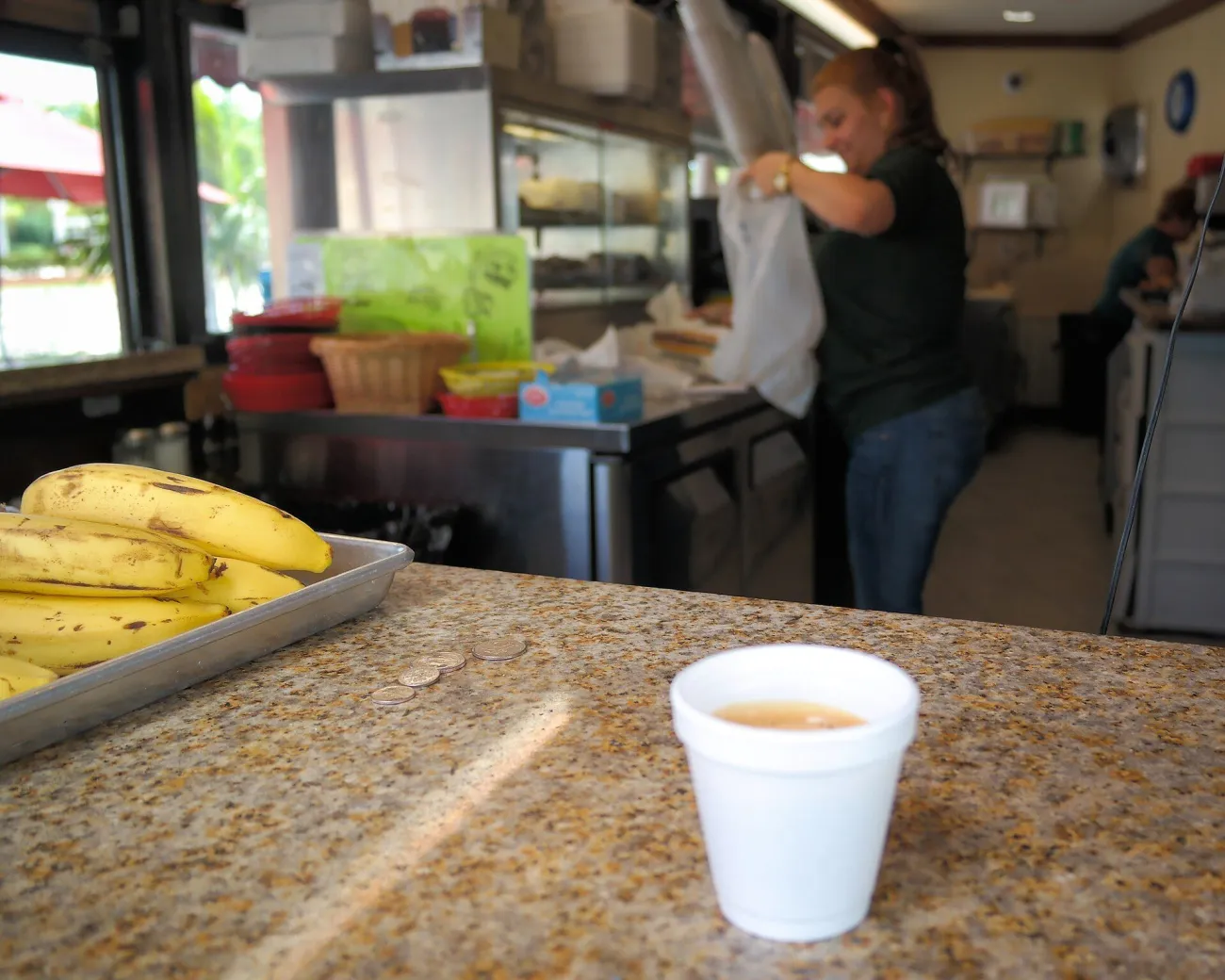

A ventanita is a small service window, often part of a restaurant or bakery, where buying coffee can be a quick stop and a social exchange. Order, make space for the next customer and enjoy the pause. Ask before making a close photograph of someone at the counter; everyday customers are not part of a staged street scene.
The official destination guide to Cuban coffee distinguishes four useful orders. A cafecito is a small, sweetened espresso-style coffee without milk. A cortadito adds a little steamed milk. Café con leche is the milkier choice. A colada is a larger portion intended for sharing in small cups; it is not simply a large coffee to drink at the pace of a takeaway latte.
Sweetness is part of the usual preparation. If you want less sugar or a particular milk, ask when ordering rather than assuming it will arrive on the side. Pair the coffee with a pastelito, a flaky pastry whose fillings can be sweet or savoury. Guava and cheese is a useful starting point. A croqueta is a small fried savoury bite; check the filling, which may be ham, chicken or fish.
What is in a Miami Cuban sandwich?
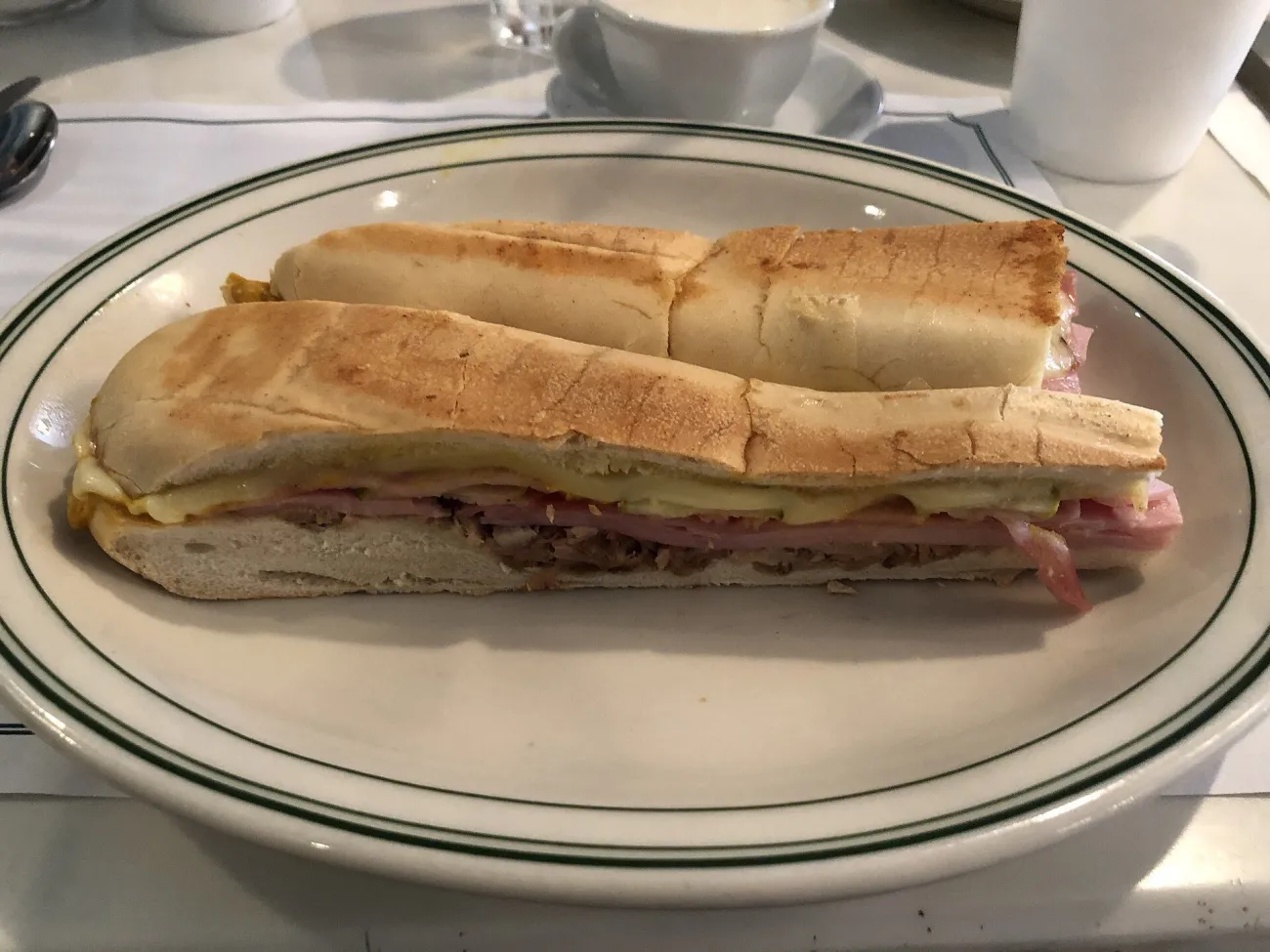

The familiar combination is ham, roast pork, Swiss cheese, pickles and mustard on Cuban bread, pressed or toasted. The contrast is the point: rich meat and cheese, sharp pickle and mustard, and bread with a crisp exterior. Read the actual menu rather than treating every restaurant's sandwich as identical.
A medianoche uses a sweeter, softer roll with a similar set of fillings. Pan con lechón puts the emphasis on pork. A croqueta preparada adds croquetas to a substantial sandwich. The current Sanguich menu provides a clear example of these distinctions, though recipes vary by kitchen.
Choose one according to appetite, not because a checklist says to order them all. A sandwich lunch leaves room for a different cuisine at dinner; an entire afternoon of competing sandwich stops can become repetitive very quickly. If sharing, check whether the portion and seating arrangement make that practical.
Beyond the sandwich: meals and sides worth recognising
A sit-down Cuban meal brings another set of choices. Ropa vieja is shredded beef in a tomato-based preparation; vaca frita is shredded beef cooked for a different, browned finish. Lechón is pork, while picadillo is a ground-meat dish whose ingredients vary. Menus may use familiar English descriptions alongside the Spanish names.
Pay attention to the sides. Maduros are sweet ripe plantains; tostones use green plantains and give a more savoury result. Yuca is cassava, often served with mojo. Rice and beans may arrive together or separately depending on the order. A sampler can help a group compare several preparations, but read what is included before adding a second set of sides.
The Versailles menu is a useful real-world reference for these names. It also shows why an apparently vegetable-based dish should not automatically be assumed vegetarian: soups, rice, sauces and mixed plates can contain meat or stock. Ask about ingredients when they matter to your diet.
Stone crab: understand the season and the order
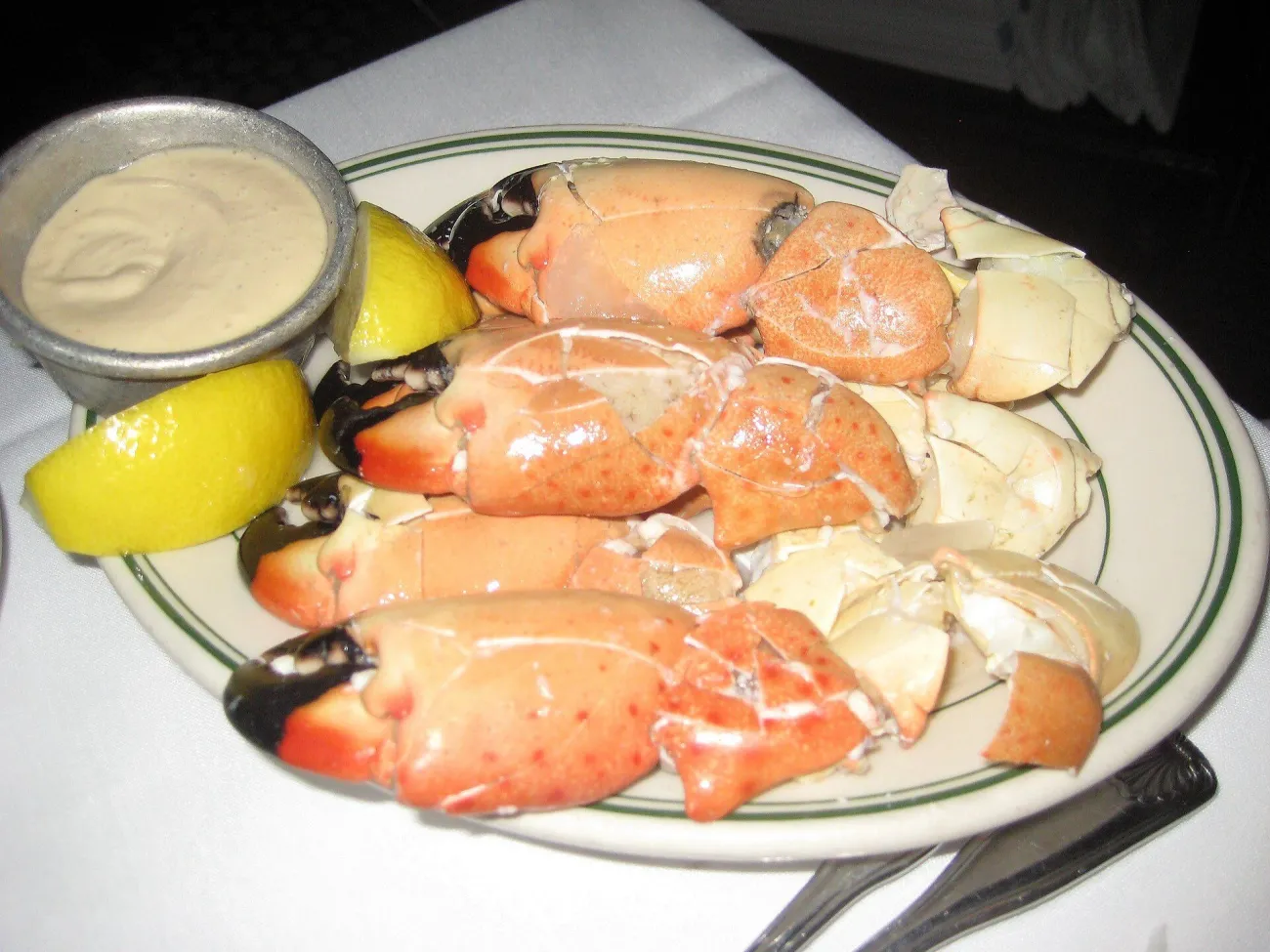

Stone crab claws are a distinctive South Florida choice. Florida's official harvest season runs from 15 October through 1 May. That is a harvest rule, not a claim that no restaurant can offer stored claws at other times. Ask what is available and how the restaurant describes it.
Claw sizes and portion descriptions affect the bill. Before ordering, check whether the price is for a portion, a weight or a particular size category, and whether sides are separate. At Joe's Stone Crab, the menu describes chilled, cracked claws with mustard sauce. Treat a seafood meal as its own dining decision, rather than adding an expensive platter because the name appears on every Miami list.
Fish, shellfish and raw preparations are different choices. Tell the restaurant about an allergy or a need to avoid raw seafood and ask about preparation and cross-contact. A citrus marinade changes flavour and texture; it should not be treated as the same thing as cooking seafood with heat.
Ceviche, tiradito and cooked Peruvian dishes
Miami's Peruvian restaurants offer a useful change of pace from a Cuban lunch. Ceviche commonly combines pieces of fish or seafood with a citrus-based dressing; tiradito presents sliced seafood in a different format. Ask about the seafood, chilli level and whether a dish includes a mix of raw and cooked elements.
For a cooked option, look for dishes such as lomo saltado, a stir-fried beef preparation, or ají de gallina, a chicken dish with a creamy pepper sauce. The CVI.CHE 105 menu shows both seafood and cooked dishes, with different menu groupings by branch. This is a reminder to open the menu for the location you will actually visit.
These are Peruvian traditions present in Miami, not dishes invented by the city. The same care applies across Miami's wider Latin American and Caribbean food scene: use the restaurant's own description, and avoid collapsing different cuisines into one vague “Latin” order.
Build a food day that fits the neighbourhood
A simple plan might be coffee and a pastry during a Little Havana visit, a relaxed lunch nearby, then a different style of dinner in the area where you are staying. On a beach day, do not cross to the mainland solely to collect another food stop unless that meal is a priority.
For named venues and location choices, use the Miami restaurant guide. This page helps you understand the menu; that page helps you choose where to eat. If you want music or a rooftop after dinner, plan it with the nightlife guide so you do not repeat the same journey.
Travel Tip: At a counter, decide whether you want coffee alone, a snack or a full meal before ordering. At a restaurant, check the side dishes, portion description and final bill before adding more food or a second gratuity.
Menus and availability were checked on 10 November 2026. Prices, ingredients and opening arrangements can change. Ask staff about allergies and dietary requirements rather than relying on a dish name or photograph.
Miami food and drink FAQ
What should I try first in Miami?
Coffee and a pastelito make an easy first stop. A Cuban sandwich, a full Cuban plate, a seafood meal or a Peruvian dish can then give the next meal a different purpose.
Is a colada one ordinary cup of coffee?
It is usually a larger portion of strong Cuban coffee intended for sharing in small cups. Ask about the serving if you are ordering alone.
Are stone crabs available only during harvest season?
The Florida harvest runs from 15 October to 1 May. Restaurants may offer stored claws outside that period; ask about availability and provenance.
Are rice, beans and plantain sides always vegetarian?
No. Preparations can include meat, stock or other animal ingredients. Confirm with the kitchen if it matters to your diet.