
Sign in
For Photos4Travel editors and team members.
USA · MIAMI GUIDE
Getting Around Miami: Transit, Trolleys and Car Advice
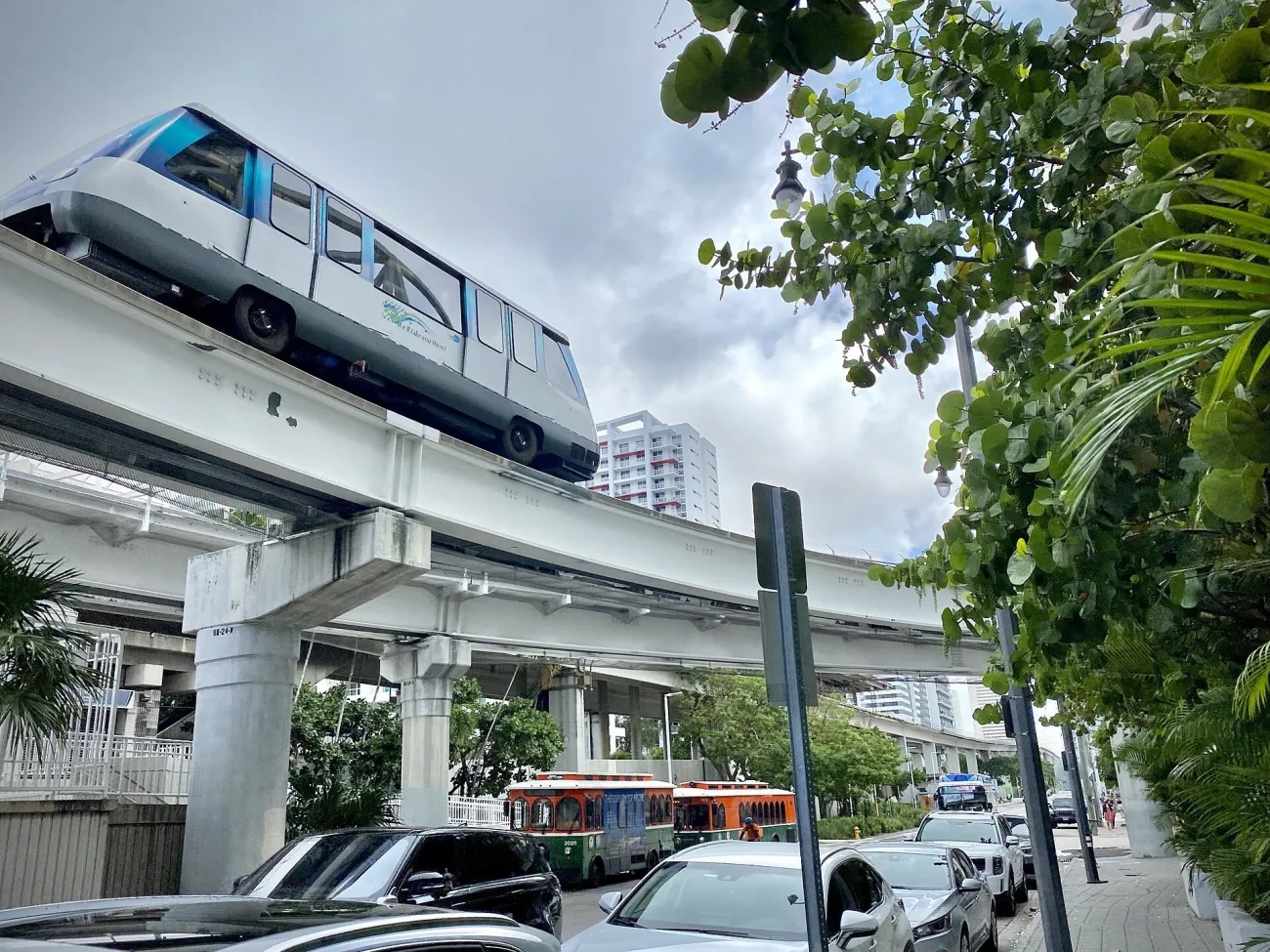

Miami is easiest to navigate as a set of neighbourhood days. Walk around South Beach on one day, combine the Downtown waterfront with a museum on another, and give Coconut Grove its own outing. The journeys between those areas need more thought than the walks within them.
Do you need a car in Miami?
A car is optional for a stay centred on South Beach, Downtown and Brickell, provided you are willing to mix walking, public transport and occasional taxis or rideshares. It becomes more useful when your plan includes several widely separated areas, South Dade or an Everglades visit. A car also brings hotel parking, attraction parking, tolls and time spent finding a space.
Choose your base before deciding. A hotel a short walk from your main activities can save more effort than a cheap room whose daily journeys require multiple changes. The neighbourhood guide explains the trade-offs between a beach base and mainland Miami.
Swipe or scroll horizontally to compare transport options.
| Journey | Useful starting option | Watch for |
|---|---|---|
| Around Downtown and Brickell | Walking and free Metromover | Loop direction, closing time and service alerts |
| Mainland corridor towards Coconut Grove and the airport | Metrorail plus the final walk or bus | Distance between station and entrance |
| Along Miami Beach | Walking, free trolley or Metrobus | Route changes and the length of the island |
| Across Biscayne Bay | Metrobus, taxi/rideshare; weekday water taxi where useful | Causeway traffic or the boat timetable |
| Several distant stops or a national-park day | Rental car or a suitable organised excursion | Parking, return arrangements and actual destination |
Metrorail and Metromover are different systems
Metrorail is the paid elevated rail network on the mainland. Its useful visitor stops include Government Center, Brickell, Vizcaya and Coconut Grove, though a station name is not a promise of a short walk to every attraction in that area. The standard single fare is $2.25; the county accepts contactless payment at the gates as well as its other ticket products. Check the official fare and service page before travelling.
Metromover is free and serves the compact Downtown, Omni and Brickell area. It is useful for combining the waterfront with a mainland hotel or connecting with Metrorail. It does not go to the airport, Wynwood or Miami Beach. Read the destination display before boarding because the system uses different loops.
On 10 November 2026 the county lists Metromover's hours as 5:30 a.m. to 10 p.m.. Its service page also carries upgrade-related changes, including a temporary closure at Financial District station. Consult live alerts rather than using an old late-night operating time to plan your return.
Getting around Miami Beach and crossing to the mainland
South Beach is walkable for many short trips, but Mid Beach and North Beach are farther away than their names may suggest on a hotel list. The free Miami Beach trolley has South Beach, Middle Beach, Collins Express and North Beach routes. The city currently lists daily service from 8 a.m. to 11 p.m., with an average frequency of about 20 minutes. Use the tracker for your specific stop and direction.
The City of Miami trolley is another free network on the mainland. It is separate from the Miami Beach trolley. Neither name describes a single tourist circuit that automatically links all the sights, and the right route matters more than the vintage appearance of the vehicle.
Metrobus connects areas beyond the rail network, including the beach. Use the county's current journey information for the exact origin, destination and time. Road services share congestion with other traffic; a journey that looks short in distance can still disrupt a tightly timed museum or restaurant booking.
Travel Tip: Cross Biscayne Bay once for a substantial part of the day. A morning in South Beach, lunch in Little Havana, an afternoon back on the beach and dinner in Wynwood creates more travel than the distances suggest.
A free weekday water taxi across Biscayne Bay
Miami Beach operates a free commuter water taxi between Maurice Gibb Memorial Park at 18th Street and Purdy Avenue and Venetian Marina & Yacht Club, also known as Sea Isle Marina, at 1635 North Bayshore Drive. These docks are useful for a specific Sunset Harbour-to-Omni journey; they are not at Ocean Drive, Bayside Marketplace or a cruise terminal.
The published launch schedule is Monday to Friday, with no weekend service and no observed federal-holiday service unless announced. Check the departure table for your dock, along with any operational notice. The crossing is scheduled at about 20 minutes, but add the walk, waiting time and onward journey when comparing it with a bus or car. The boat is an attractive option when the actual route and departure fit your plan.
Walking, bicycles and the Beachwalk
Use walking for the neighbourhood itself: Ocean Drive and nearby streets, a section of the Beachwalk, the Downtown waterfront or Coconut Grove's centre. Shade is uneven, and heat changes what feels like a reasonable distance. Plan water and indoor breaks rather than stretching one continuous walk across several districts.
Check the city's cycling and micromobility rules before renting. Electric bicycles and e-scooters are prohibited on the Miami Beach Beachwalk and in several other pedestrian spaces. Ordinary bicycles also have restrictions in places such as Lincoln Road and the Ocean Drive sidewalks between 5th and 15th streets. Follow posted signs and dismount where required; renting a device does not make every promenade a permitted route.
Driving, parking and accessible journeys
If renting, check overnight hotel parking before confirming the room. Add the cost of destination parking and ask how tolls are charged under the rental agreement. For a one-stop beach outing, parking once and walking may be easier than moving the car between nearby blocks. For an event or cruise day, follow current access and terminal directions rather than assuming your usual street will be open.
With a wheelchair, mobility aid or stroller, check the whole route, including the station elevator and the final approach to the venue. Miami-Dade publishes elevator and escalator status links alongside its transit information. Arrange a suitable vehicle in advance when needed, and check individual boat boarding arrangements before relying on them. A transport system's accessible design cannot prevent every temporary outage.
Airport arrivals need their own plan; see Miami airport transfers. For out-of-town excursions, the day-trip guide separates trips that suit a car or organised transport from city journeys.
Getting around Miami FAQ
Is public transport free in Miami?
Some services are: Metromover, municipal trolleys and the city's weekday water taxi. Metrorail and most Metrobus journeys require a fare. Check the particular service.
Does the Metromover go to Miami Beach?
No. It stays on the mainland around Downtown, Omni and Brickell. Use a suitable bus, road transfer or the water taxi when its docks and timetable work.
Can I use the free water taxi at weekends?
The current published launch schedule has no weekend service. Recheck the city's timetable if your trip is later.
Can I ride an e-bike along the Beachwalk?
No. Miami Beach's rules prohibit motorised micromobility devices on the Beachwalk. Check the permitted street route and other local restrictions before setting off.