
Sign in
For Photos4Travel editors and team members.
USA · MIAMI GUIDE
Miami Photo Spots: Coast, Art Deco, Skylines and Nature
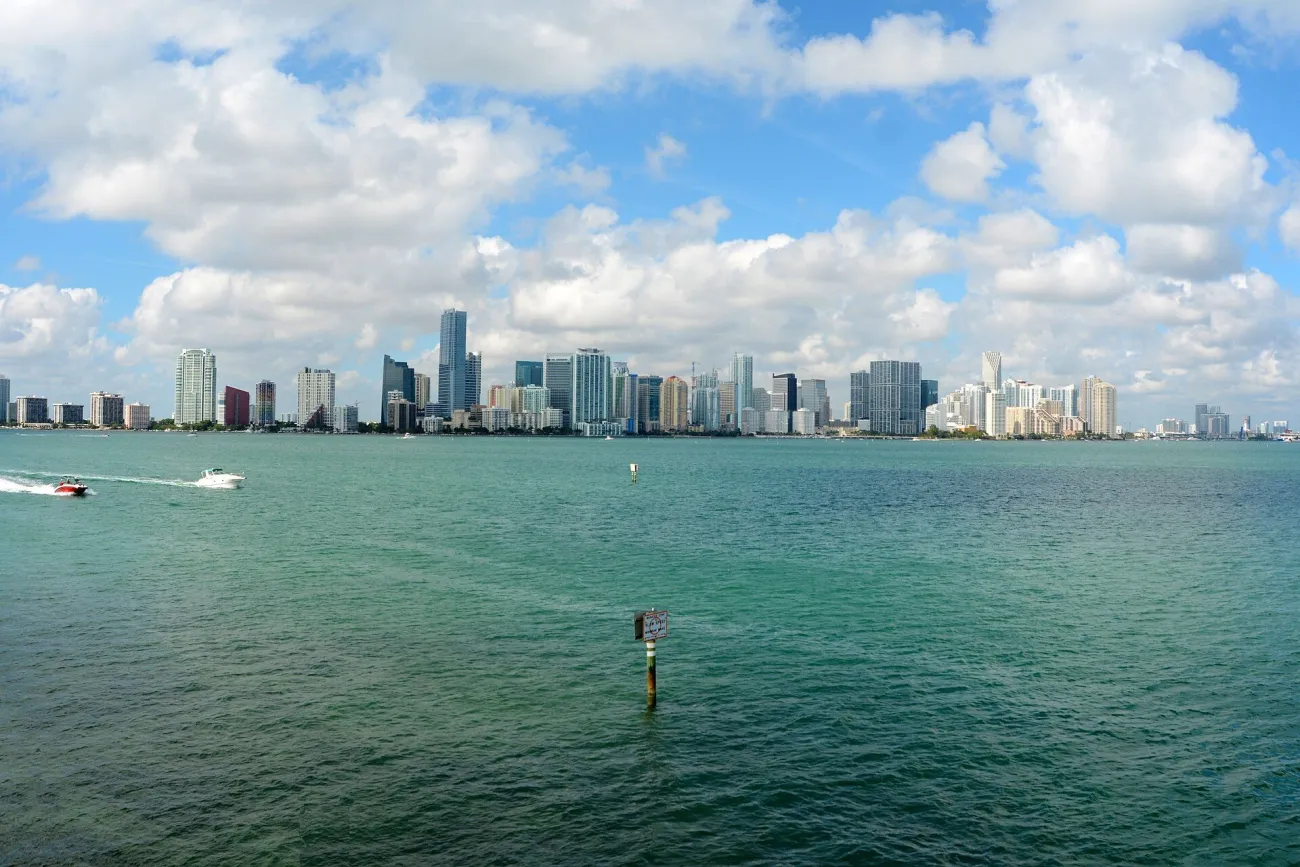

Miami photographs well at several scales: a long ocean horizon, the rhythm of an Art Deco facade, a tower seen from the pavement or a bird beside the water. Choose the scale before choosing a long list of places. A small set with a clear idea will say more about your trip than several hurried versions of the same skyline.
This guide helps you plan subjects, access and a manageable photo outing. The nine linked photo studies look closely at individual images, their documented setting and the choices visible in the frame. They can inform your approach without promising that the same light, skyline, artwork or access will be available today.
Choose the subject before the viewpoint
On a small screen, scroll the table sideways to compare the photographic approaches.
| Subject | Visual idea | Practical question |
|---|---|---|
| Ocean shoreline | Use the coast as a line connecting sand, water and buildings | Can you reach the viewpoint comfortably without entering restricted or unsafe areas? |
| Art Deco facade | Study lettering, curves, balconies and shadow | Can you keep the pavement clear and respect the working property? |
| Skyline across water | Decide whether reflections, building shapes or changing sky carry the image | Is the actual viewpoint public and open at the required time? |
| Neighbourhood street | Use layers of buildings, traffic and daily activity | Does the photograph respect the people and businesses in it? |
| Wetland or bird | Show habitat, an observed animal or the visitor's route through the landscape | Can the image be made from the permitted route without disturbing wildlife? |
Use the shoreline to give a coastal photograph direction
On Miami Beach, a coast view can connect the open Atlantic with the city behind the sand. Look at what each part contributes. A large sky may give the frame space, while a lower horizon can make clouds more important than buildings. A narrow strip of skyline tells a different story from a detailed tower portrait.
The Miami Beach shoreline study uses a documented view from South Pointe Park Pier. It shows how a curving coast can lead the eye into the distance. The image does not establish today's surf, beach access or lifeguard status. Keep the photography plan compatible with the conditions and other people using the coast.
Look for form by day and light after dark
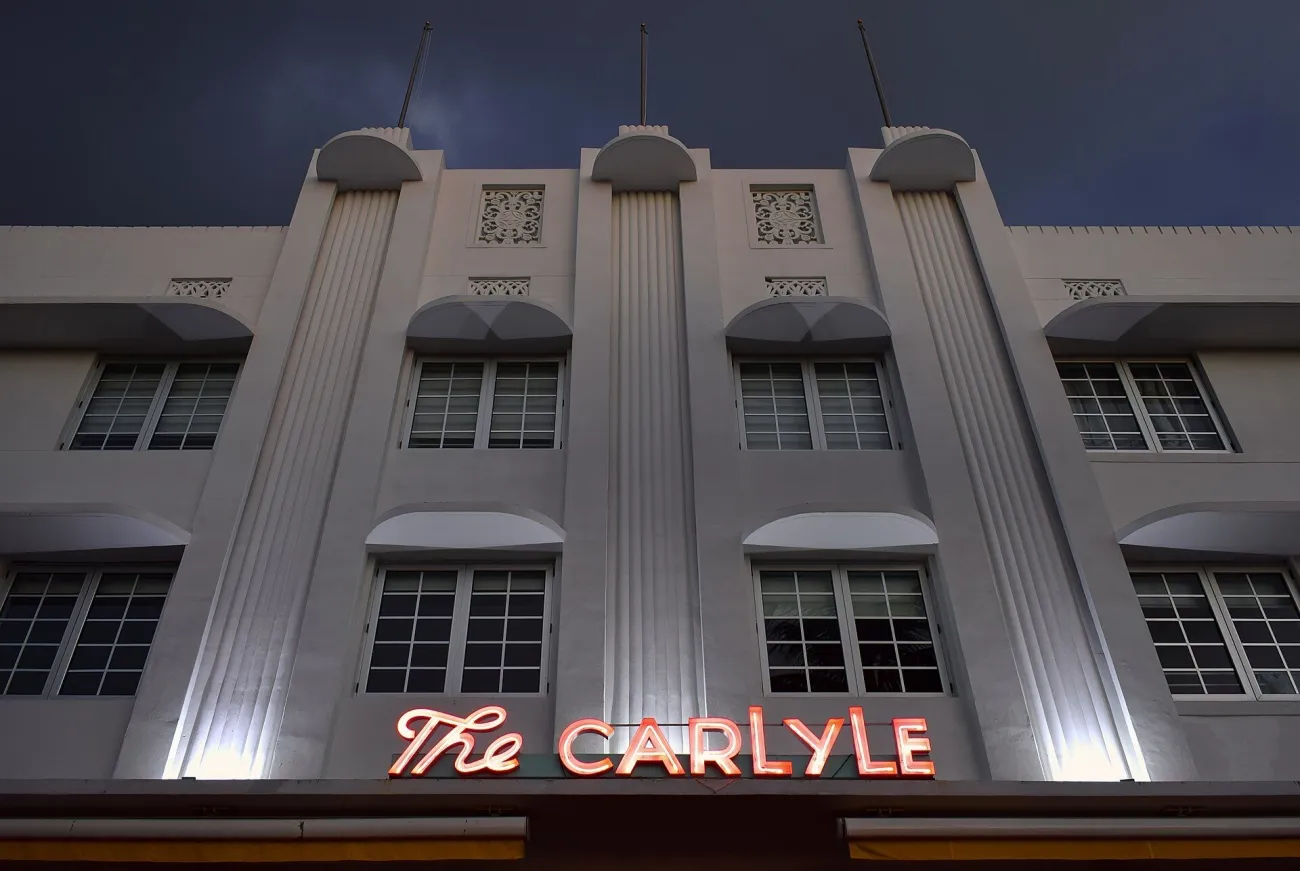

Art Deco photography does not have to begin with the whole building. Lettering, repeated windows and the edge of a curved facade can make a useful sequence. Step back enough to decide which lines matter, then consider a smaller detail rather than relying only on a wide view with parked cars across the bottom.
Neon creates another problem: the sign and the unlit building have very different brightness. Protecting the shape and colour of the lettering may leave the facade darker, which can be a deliberate choice. The Colony Hotel study looks at a 2009 night photograph as a historical image of that relationship. It does not promise the same lighting or street scene now.
For context on what you are photographing, consider an architecture walk through the Miami Design Preservation League. Knowing why the buildings look as they do can lead to a stronger set than repeating their most familiar frontal views.
Separate a public waterfront view from a port or boat photograph


A broad skyline needs a foreground decision. Water can create a pause before the towers, moving reflections can become the subject, or a nearby structure can explain the viewpoint. Each choice changes the image. Frame the relationship you want instead of including every building simply because it is visible.
Source context matters. The Miami at dusk photograph was made from Cruise Terminal F on Dodge Island, according to its source. That is not an invitation to enter a cruise terminal for a photo session. The night skyline study instead examines the visual relationship between illuminated buildings, a bridge and dark water without claiming a replicable camera position.
For your own outing, select an authorised waterfront route or a properly booked boat trip and check its current access. A moving boat, a pier and a street-level waterfront have different movement and space constraints. Use equipment that fits the place and keep the walk back in the plan.
Build a neighbourhood photograph from ordinary details
In Little Havana and other districts, start with the street rather than searching for someone to perform a scene. A pavement, shopfront, tree, bus stop or passing vehicle can explain how the place works. Wait for a clear relationship between those elements instead of rushing to collect several isolated signs.
The Little Havana street study considers a photograph made in April 2015. Storefronts and traffic give it a time and a working context. Treat the older image as an observation of that day, not a current directory. Ask before close portraits and before making a shop's interior or staff the main subject.
Decide whether the story is the habitat or the animal
A wide wetland frame and a close bird portrait have different strengths. An animal photograph can reveal gesture and shape; a wider view can explain the habitat. A boardwalk can also be the subject, showing the visitor's relationship with a landscape rather than pretending the photograph was made in untouched wilderness.
The Anhinga Trail study follows the curve of a boardwalk in Everglades National Park. The white ibis study examines a bird photographed at Fairchild Tropical Botanic Garden. Neither is a promise of wildlife sightings. Stay on permitted routes, keep distance and work with the subject you can observe without disturbing it.
Plan one photographic route with time to return
For a Miami Beach outing, choose a stretch of coast and a nearby part of the Art Deco district. Give the two subjects different jobs: one broad scene to establish the place, then a tighter architectural study. Leave time for a break and a second look instead of adding a mainland skyline before you have finished.
For a mainland outing, pair a neighbourhood or architectural walk with one authorised bayfront location. Check when it is open and how you will return after dark. Blue hour is a changing light condition, not a fixed timetable slot: the usable period depends on the date, sky and scene, so arrive with enough flexibility to observe rather than a promise of a particular minute.
A national park outing deserves its own day plan. Use Miami day trips to choose the actual Everglades entrance or Biscayne activity. Do not combine distant sunset ideas unless the whole route realistically allows them.
Check the rules for the place and the kind of photography
A handheld personal photograph, a portrait session, a production with equipment and a drone flight can have different requirements. Museums, historic estates, parks, transport facilities and private buildings each manage their own spaces. Confirm the rule for the activity you intend, especially if the trip depends on using particular equipment.
Copyright is another question. Permission to enter a venue does not settle the reproduction rights of every artwork pictured there. Keep creator, source and licence information with images you publish, and do not infer a permission from someone else's photograph. The photography ethics page gives further context.
Explore the individual Miami photo studies
- Brickell architecture from street level
- The Colony Hotel's illuminated facade
- Miami Beach from South Pointe Park Pier
- A Little Havana street scene
- A cruise ship at PortMiami
- The night skyline across water
- Miami at dusk from a documented port viewpoint
- The Anhinga Trail boardwalk
- A white ibis at Fairchild
Sources and access information
- Miami Design Preservation League
- Vizcaya photography and visit conditions
- Everglades photography information
- Greater Miami neighbourhoods
Miami photography FAQ
Where should I start photographing Miami?
Choose one subject and a manageable area. Miami Beach offers coast and Art Deco details, while a mainland route can focus on architecture, a neighbourhood or the bayfront.
Can I repeat every viewpoint shown in the photo studies?
No. Some images were made from a cruise terminal, boat or another setting with separate access. The source context helps explain the photograph; use a lawful currently available viewpoint for your own outing.
Do I need a tripod for Miami night photography?
It depends on the image and the location. A stable support can help some long exposures, but venue rules, pedestrian space and the movement of the viewpoint determine what equipment is practical.
Are the photo studies current travel-condition reports?
No. They examine documented images with their dates and sources. Current opening, transport, weather and beach conditions come from the responsible operators and authorities.