
Sign in
For Photos4Travel editors and team members.
USA · MIAMI GUIDE
Miami Travel Guide: Beaches, Neighbourhoods and Trip Planning
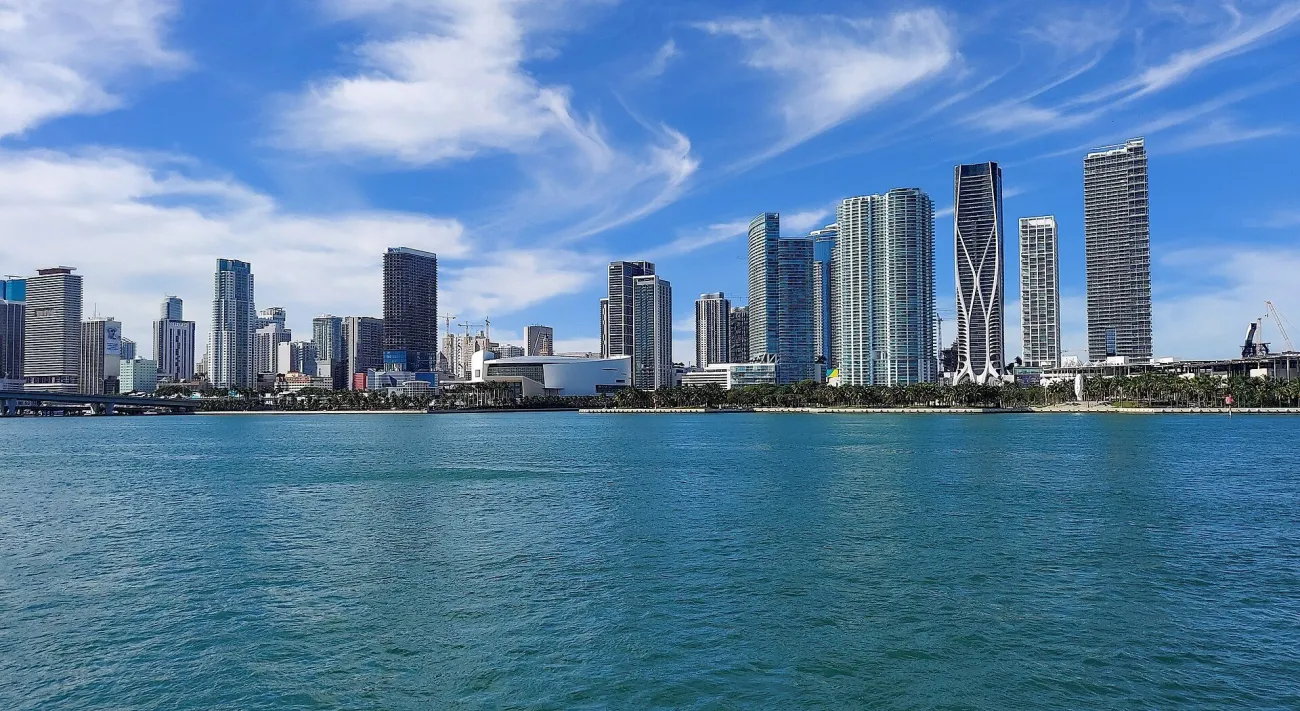

A morning by the ocean in Miami Beach and an afternoon in Little Havana can belong to the same trip, but they are not stops on one continuous walking route. Miami rewards knowing which part of the destination you are using: the Atlantic shoreline, the mainland neighbourhoods or the quieter edges of Biscayne Bay. Make that distinction early and the rest of the planning becomes easier.
Choose a base, a sensible number of days and the experiences that deserve your time. Leave space for an unhurried meal and an unexpected stop.
Miami at a glance
Greater Miami combines an oceanfront resort city with a mainland of distinct neighbourhoods, cultural institutions and everyday life. Miami Beach is a separate municipality from the City of Miami. Coral Gables, Key Biscayne and other familiar visitor names have their own locations and practical differences, so always check the exact address.
On a small screen, scroll the table sideways to compare the trip styles.
| Trip style | Start with | Planning decision |
|---|---|---|
| Ocean and architecture | Miami Beach, Art Deco streets and one mainland outing | Stay near the coast if you want to use it daily |
| Art and neighbourhoods | Downtown museums, Wynwood and a cultural walk | Choose the visits first, then group them by area |
| Food and evenings | One or two neighbourhoods with time for meals and music | Plan the late return as carefully as the reservation |
| City and nature | Several city days and one specific park excursion | Identify the actual park entrance and activity before booking transport |
Make three decisions before booking everything else
First, decide whether the ocean is an everyday priority or one part of a city visit. Second, count your usable full days rather than hotel nights. Third, choose the experience that would disappoint you most to miss, whether that is an architecture tour, a museum, an evening of music or a national park outing.
Those choices determine the base and the bookings worth fixing early. Start with things to do in Miami for experiences and attractions for individual venues, then leave room to enjoy each.
Understand the two sides of Biscayne Bay
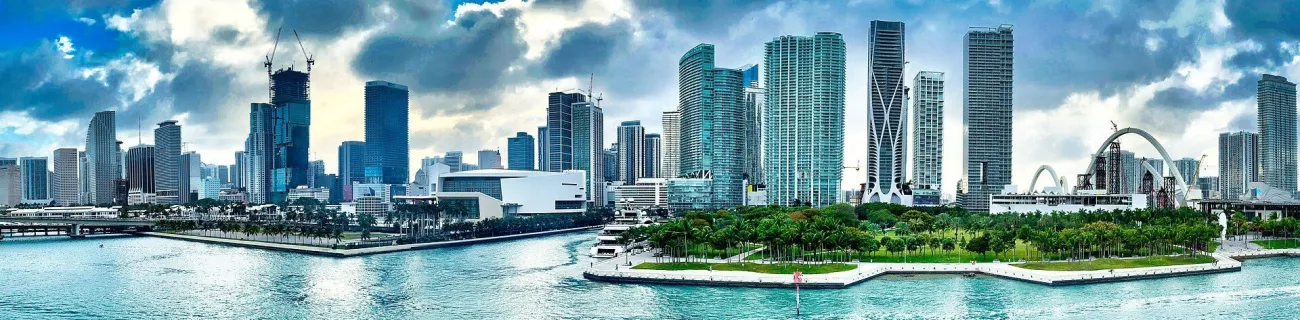

Miami Beach is the Atlantic side of the trip: sand, a long coastal city and the architecture of South Beach. Downtown and Brickell are on the mainland, with bay views, museums, restaurants and different transport connections. The causeways link them, but an address overlooking the bay does not put you on an ocean beach.
Little Havana, Wynwood, Coconut Grove and other mainland districts bring another layer. Treat them as places with their own streets and reasons to stay, rather than interchangeable stops between photographs. The map and neighbourhood guide helps you see what belongs together and where a dedicated transfer is needed.
Allow three full days for a first introduction
Three full days can give you one Miami Beach day, one mainland neighbourhood day and one for the Downtown bayfront or another main interest. This is a useful starting point, not a requirement. A beach-led holiday can spend longer in one place, while a short cruise stop may have only a few usable hours.
Five days leave room for a slower pace and a properly planned outing beyond the city. If you have only one day, choose between a coast-led introduction and an art or neighbourhood route. Use the one, three and five day Miami itineraries to make the trade-offs without filling every hour.
Choose dates around the weather and the kind of trip
For a visit with a lot of outdoor walking, consider the conditions you are comfortable spending several hours in, not just a sunny photograph. A hotel pool, ocean swimming, a long urban walk and an Everglades outing create different seasonal priorities. Rain and heat can change how you arrange a day without making the whole trip impossible.
The Atlantic hurricane season officially runs from 1 June to 30 November. That is a seasonal planning period, not a forecast for any particular week. Use the Miami weather and best time guide for a fuller comparison, and check official forecasts and any active notices near departure.
Major events can also change the atmosphere and the room quote. Look at the festivals and events guide before committing to dates, especially if you are travelling for something specific rather than simply hoping to avoid a busy weekend.
Choose the area before the hotel
South Beach is an understandable first choice when early coastal walks, Art Deco streets and Miami Beach dinners form the trip you want. Downtown or Brickell can be a stronger fit for mainland museums and city plans. Coconut Grove and Coral Gables deserve consideration when those places are part of the visit itself.
Compare a complete ordinary day from each proposed address: morning departure, food, the main visit and the journey back after dinner. Then use the where to stay guide and the hotel shortlist for the distinct area and property decisions. A place that sounds central may still be poorly placed for your own plans.
A car is a choice for particular journeys
Miami International Airport, MIA, is the principal gateway for many visitors. Fort Lauderdale-Hollywood International, FLL, can also work, but a cheaper flight needs to be compared with the longer or different onward journey. Check the route to the exact accommodation, including the final walk and late arrival arrangements.
Within the city, walking, public transport and occasional direct rides can support a visit without renting a car for every day. Rail, Metromover, the Miami Beach trolley and buses serve different corridors. A particular excursion may justify a car or organised transfer even when the city days do not. Use airports and transfers for arrival, and getting around for daily journeys.
Give meals and neighbourhoods time
Miami's Cuban, Haitian, Bahamian and wider Caribbean and Latin American connections are part of the city you can experience through cultural visits, food and ordinary streets. A coffee stop in Little Havana or an outing built around Little Haiti's cultural places gains depth when you know something of the history and stay long enough to notice the details.
Read Miami history and culture for context, food and drink for dishes and ordering, and restaurants for a particular meal. For a later evening, choose the music, bar or club experience you want through the nightlife guide and plan the return.
Protect the budget for the trip you actually want
Price the complete room stay, the transport created by its location and the activities you already want to buy. A lower room headline can be poor value if it adds repeated cross-city journeys. A sightseeing pass is useful only when its current inclusions and validity match your chosen visits.
The Miami costs and money guide uses selected official charges and transparent calculations instead of an invented citywide daily average. Use travel essentials for preparation and accessibility, and health, safety and contacts for local practicalities. The USA guide remains the place for national entry requirements.
Photograph a place rather than complete a list


Miami offers more than one kind of frame: low Art Deco facades, an ocean horizon, a dense skyline across water and the close details of a neighbourhood. Choose a small visual story, then work with the light, weather and access available that day. A public viewpoint at a comfortable hour is more useful than an elaborate plan built around an uncertain location.
Use Miami photo spots for subjects and the existing photo studies. Ask before close portraits, respect working businesses and check venue rules for equipment or organised photography. For a different kind of souvenir, the shopping guide compares local cultural purchases with the main retail districts.
Make one deliberate choice beyond the city
Everglades and Biscayne National Parks offer different landscapes and visitor experiences. Choose the actual entrance and activity, then arrange transport around it. They are not interchangeable names for any boat or wildlife tour sold in Miami.
Use Miami day trips for realistic excursions. For a wider Florida route, continue to the Florida guide rather than trying to fit the state into the end of a city afternoon. The beaches guide covers closer coastal choices when another day beside the water is what you really want.
Sources and further planning
- Greater Miami neighbourhoods
- Miami-Dade municipalities
- National Hurricane Center seasonal information
- Miami International Airport
Miami travel guide FAQ
Is Miami worth visiting if I do not want nightlife?
Yes. Coast, architecture, art, food, cultural history and nearby natural settings can form a full trip. Choose the neighbourhoods and accommodation around those interests.
How many days should I spend in Miami?
Three full days offer a useful first introduction. Five provide more room for a slower pace and an excursion. Count usable days separately from late arrival or early departure time.
Should I stay in Miami or Miami Beach?
Choose Miami Beach for repeated ocean time and coastal evenings. Consider a mainland base for a trip led by city museums, neighbourhoods and appointments. Compare the exact daily journeys.
Can I visit Miami without renting a car?
Yes, if the accommodation and itinerary suit the available transport and you budget for direct rides where useful. A separate excursion may need a different arrangement.
When is hurricane season in Miami?
The official Atlantic hurricane season is 1 June–30 November. Consult current forecasts and local notices for your actual dates; the season alone is not a prediction for a particular week.