
MEXICO · COUNTRY GUIDE
Best Things to Do in Mexico: Ideas by Interest
The problem with a list of the top things to do in Mexico is that there are too many, and the best ones are in opposite corners of the country. It is more useful to start with what you enjoy.
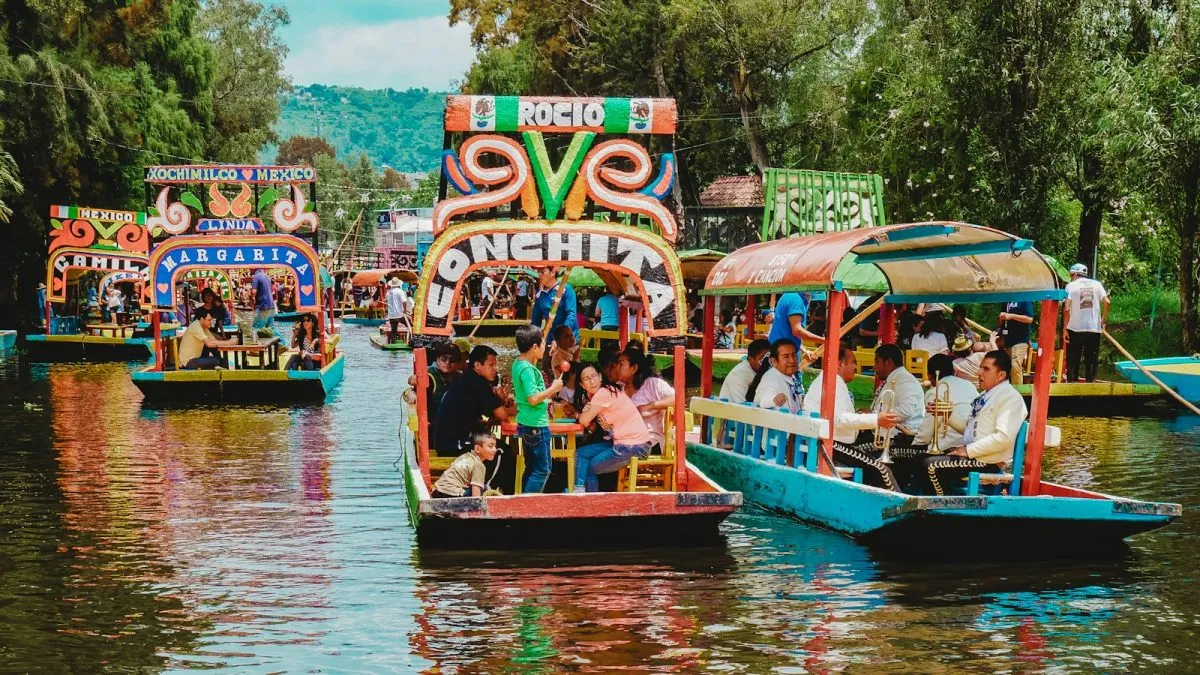
If you want a starter list, see a great archaeological site, swim in a cenote, eat your way through a market, take a boat through Xochimilco, and visit at least one colonial city. Everything else depends on your route.
Top Experiences
Our pick of the experiences most worth booking.
Some links in this guide are affiliate links. We may earn a commission if you book through them.
If the columns do not fit your screen, scroll sideways to see the full table.
| Experience | Where | Best for | Book |
|---|---|---|---|
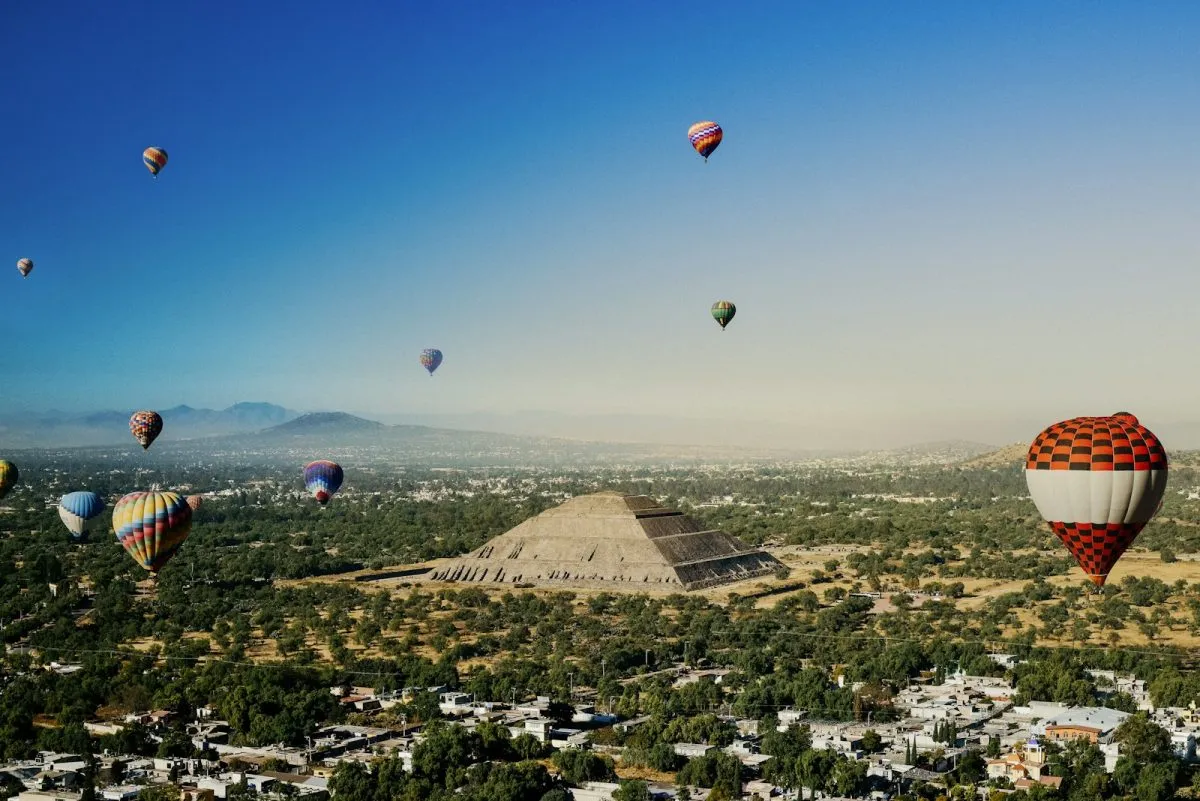
| Teotihuacán | Near Mexico City | History | Day tour |
| Balloon over the pyramids | Teotihuacán | A special occasion | Balloon flight |
| Chichén Itzá and a cenote | Yucatán | First-timers | Day tour |
| Tulum ruins and cenotes | Riviera Maya | Ruins and swimming | Half-day tour |
| Xochimilco boats | Mexico City | Groups | Boat tour |
| Lucha libre | Mexico City | A fun night out | Guided night |
| Street food tour | Mexico City | Food lovers | Food tour |
| Cooking class | Oaxaca | Food lovers | Class |
| Hierve el Agua | Near Oaxaca | Views | Day tour |
| Isla Mujeres by catamaran | From Cancún | Beach day | Catamaran |
| Arch at Land's End | Cabo San Lucas | Scenery | Boat tour |
History and Culture
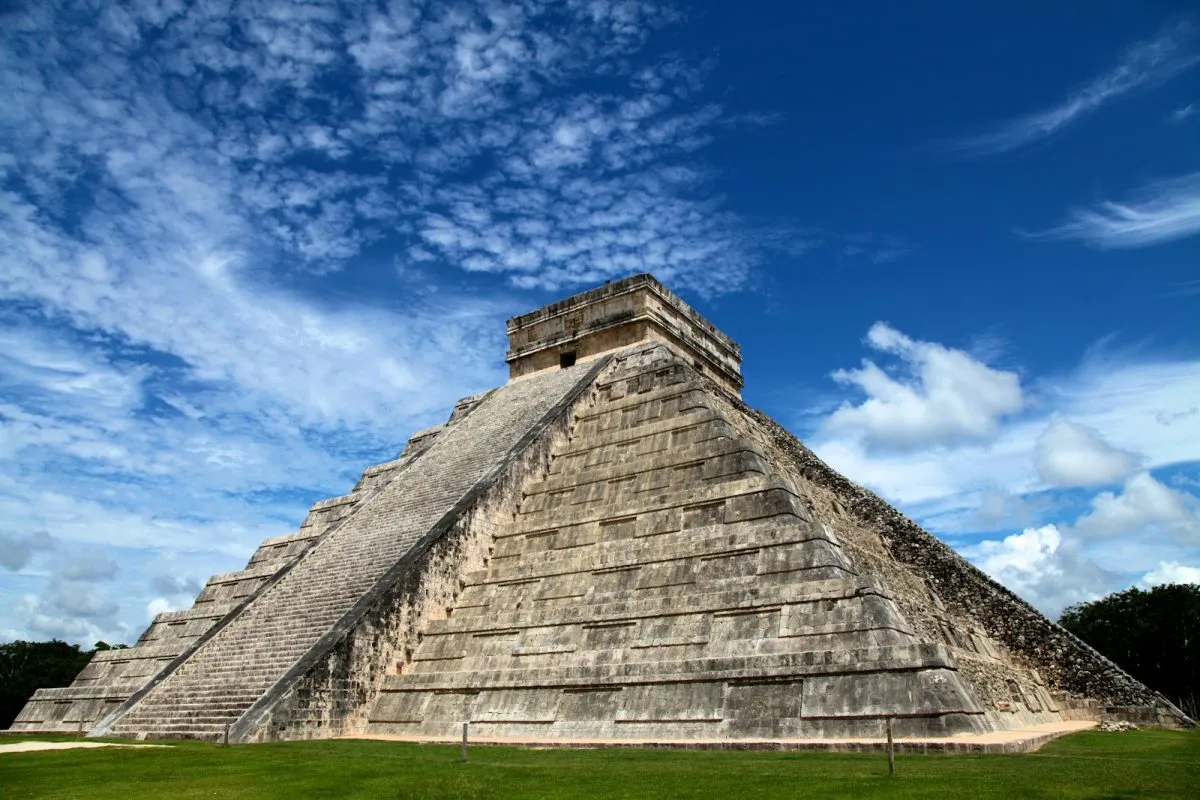
Mexico has 36 UNESCO World Heritage sites, the most in the Americas. Begin with the great archaeological sites, then give yourself a morning at the Museo Nacional de Antropología in Mexico City, which makes those sites easier to understand. Colonial towns like Guanajuato, San Miguel de Allende and Puebla are a completely different side of the country's history. See our festival calendar if you want to time your trip around a major celebration.
Nature and Water
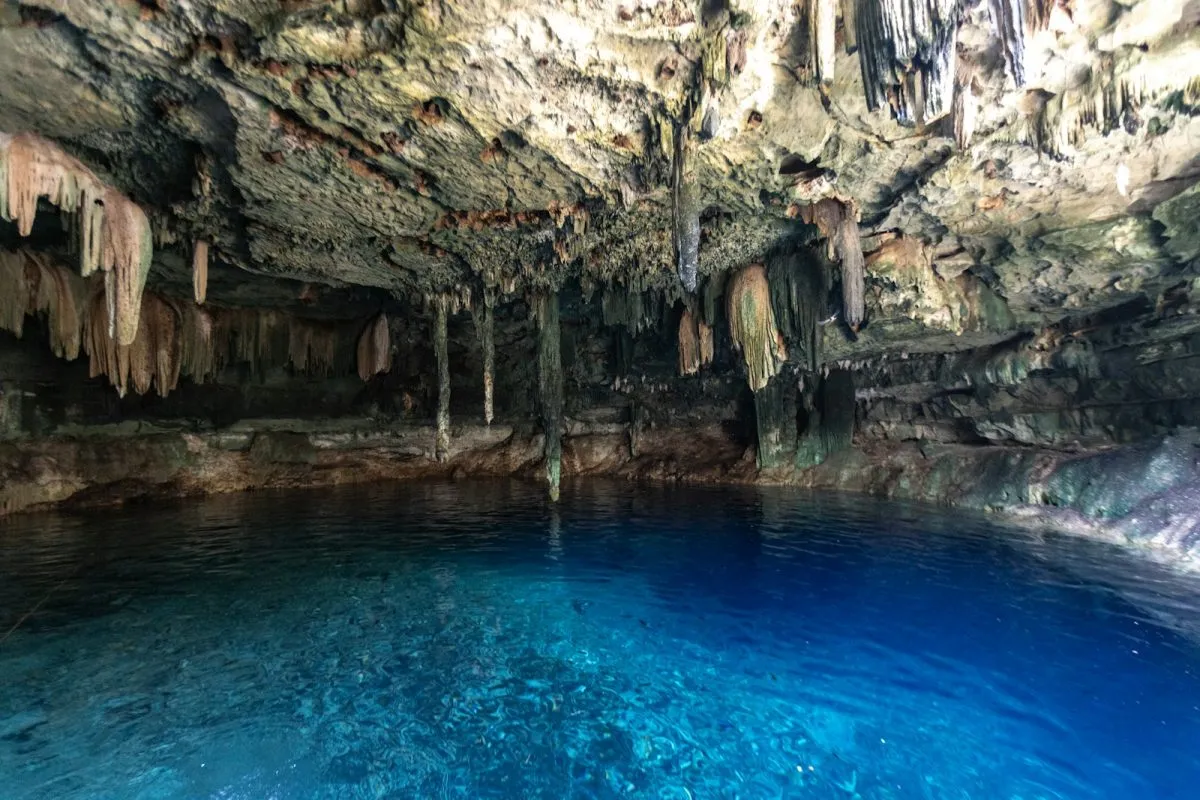
Cenotes are the Yucatán's freshwater sinkholes, and swimming in one is a highlight of most trips. Remember that CDC advice on untreated fresh water and leptospirosis applies, so choose maintained sites and do not swallow the water. Use biodegradable products, or none at all.
Baja has whale watching in winter and some of the best sea life in the country, and the Copper Canyon has spectacular rail views. Check our safety advice before planning a visit to Chihuahua. For the coast, read our beach guide.
City Life
Spend time simply walking. Roma and Condesa in Mexico City, the markets of Oaxaca, the Paseo de Montejo in Mérida and the alleys of Guanajuato all reward a slow afternoon. In the evenings, a walk with Guanajuato's estudiantina or a night in one of the main nightlife districts gives you a different view of the country. For the best places to point a camera, see our photo spots guide.
What to Do, Month by Month
Some of the best things to do in Mexico only happen for a few weeks. If your dates are flexible, this table is a better starting point than any top-ten list.
Natural seasons vary from year to year, so confirm with an operator before booking.
If the columns do not fit your screen, scroll sideways to see the full table.
| When | Experience | Where | Good to know |
|---|---|---|---|
| October to March | Monarch butterflies | Michoacán and State of Mexico | A UNESCO site since 2008. Check safety advice for your route |
| Winter | Gray whales | El Vizcaíno, Baja California Sur | A UNESCO whale sanctuary since 1993 |
| March and September | Equinox shadow at El Castillo | Chichén Itzá | Seen in the late afternoon, and very crowded |
| June to September | Whale sharks | Off Holbox | Peak sightings are usually in July and August |
| July | Guelaguetza dances | Oaxaca | Book your room months ahead |
| Late October to 2 November | Day of the Dead | Pátzcuaro, Oaxaca, Mexico City | Guided tour |
If You Only Have One Day
Our suggestion for a single full day in each base.
If the columns do not fit your screen, scroll sideways to see the full table.
| Base | Morning | Afternoon or evening |
|---|---|---|
| Mexico City | Museo Nacional de Antropología in Chapultepec | Roma or Condesa on foot, then dinner |
| Oaxaca | Monte Albán, as early as you can | The markets, then mezcal in the centre |
| Cancún | Catamaran to Isla Mujeres | Back to the beach near your hotel |
| Tulum | Ruins at opening time, then a cenote | Beach, away from the midday crowd at the site |
| Mérida | Uxmal and cenotes | Paseo de Montejo and the centre |
| Los Cabos | Boat to the arch | Medano Beach and the marina |
Museums and Living Culture
The Museo Nacional de Antropología is the single best museum visit in the country. It holds the Stone of the Sun, Olmec colossal heads and treasures dredged from the Sacred Cenote at Chichén Itzá. Give it at least half a day, and go before you see the ruins if your route allows it.
In Coyoacán, the Frida Kahlo Museum occupies the Casa Azul, and it is small enough that the crowds are part of the experience. Book ahead. Lucha libre at Arena México is the opposite of a museum: shows run on Tuesdays and Fridays in Colonia Doctores, a neighbourhood where a guided night out or a taxi both ways makes sense.
Wild Places
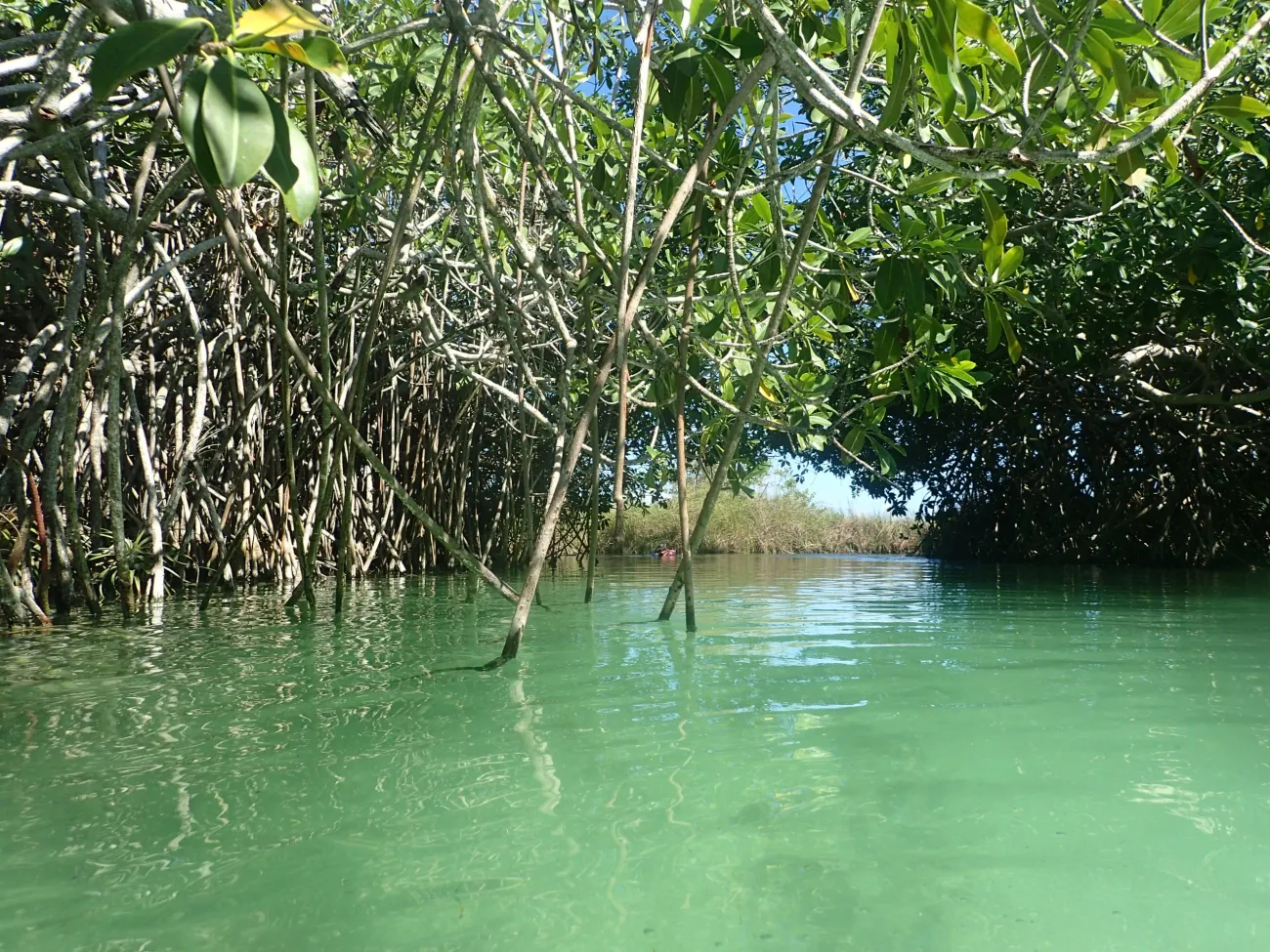

Sian Ka'an, south of Tulum, has been a UNESCO site since 1987 and gives you lagoons and mangroves within reach of the Riviera Maya. Holbox is a car-free island of sand tracks and golf carts, reached by ferry from Chiquilá. The contrast with Cancún is striking, and a night kayak on the bioluminescent water is its signature outing.
Walking and National Parks
A forest walk, a climb to an archaeological site and a high-mountain ascent are different days out. Choose the actual route and access point before arranging transport; a national park name alone does not tell you the distance, gradient, current closure or equipment you need. For a first trip, an established visitor route that fits your base is more useful than adding a distant summit simply because it appears on a map.
Desierto de los Leones: Forest and Convent
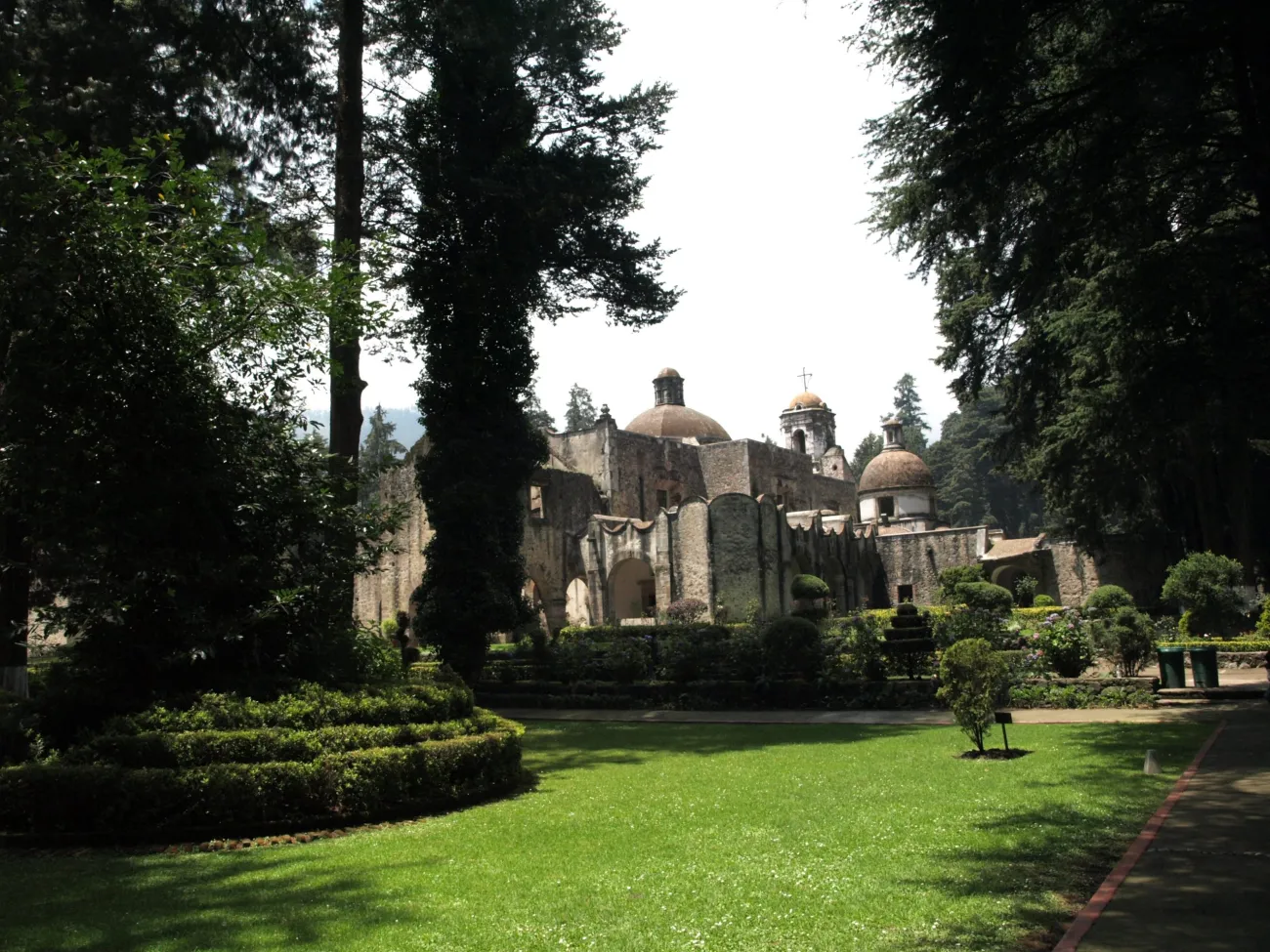

CONANP lists Desierto de los Leones as a national park in Mexico City, with walking and nature photography among its activities. The former Carmelite convent provides a clear cultural focus for a forest outing. Choose the visitor area and a locally confirmed short walk if you want a gentler nature break; do not assume that every route through the wider forest has the same difficulty or services.
Arrange the actual park entrance and return pickup with your accommodation or guide, and confirm which paths are open on the day. The official CONANP page does not provide a complete current route or transport timetable, so this guide does not give a supposedly definitive trail length or journey price. Keep the return arrangement separate from the walk itself, carry what you need and allow for a cooler forest setting than a sunny city street.
El Tepozteco: An Uphill Archaeological Walk
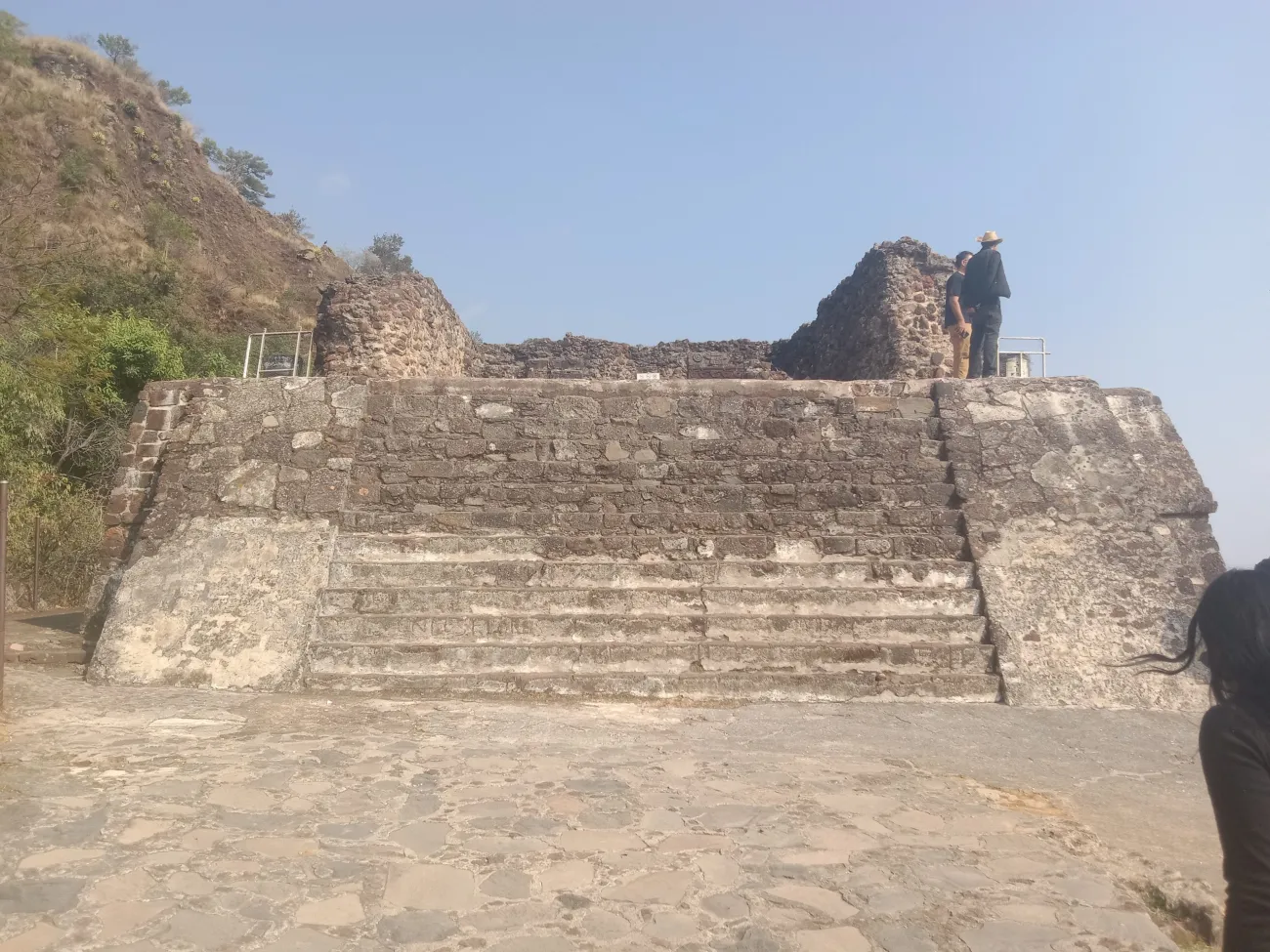

For a more demanding walk from Tepoztlán, the established ascent to the Tepozteco archaeological site begins at Axitla, as described by INAH's visitor page. This is an uphill outing to the sanctuary, not a level town stroll. Use the recognised signed access, plan for the descent as well as the climb and choose a less demanding day if this does not fit your group's ability.
The wider El Tepozteco National Park and the archaeological site are related but distinct visits. Check INAH for the site's current opening and admission, and CONANP for protected-area rules; do not assume a park listing guarantees access to the sanctuary. CONANP directs visitors to stay on the trails and not remove wild plants or animals. Local restrictions and closures take priority over a saved route or a tour advertisement.
Before Setting Out
Confirm the starting point, route, likely terrain, return plan and whether your guide or host considers conditions suitable. Carry drinking water, suitable footwear and a weather layer, keep an offline copy of the route information and turn back if conditions no longer fit the plan. Do not use a phone map as permission to enter private land or a closed section. For a more remote, unfamiliar or high-altitude route, arrange the appropriate local expertise and check the health and safety guidance before making it part of the itinerary.
What We Would Skip
A day trip to Chichén Itzá from Cancún gets you there in the heat of the day with everyone else, so stay a night in Valladolid if you can. Be wary of animal encounters, especially swimming with captive dolphins. And think twice about any plan that puts you on a long road journey after dark, which is exactly what government advice tells you to avoid.
Things to Do FAQ
What is the number one tourist attraction in Mexico?
Chichén Itzá and Teotihuacán are the most visited of the famous archaeological sites.
What should you not miss in Mexico?
A great archaeological site, a market, street food, a cenote and a colonial city.
What can you do in Mexico besides the beach?
Visit ruins and museums, take cooking classes, see lucha libre or travel the Copper Canyon by rail.
Is it safe to swim in cenotes?
Generally yes at maintained sites, but follow local rules, wear a life jacket if you are unsure and avoid swallowing the water.
When can you see monarch butterflies in Mexico?
From about October to March, in reserves in Michoacán and the State of Mexico.
When is whale shark season in Mexico?
Roughly June to September off Holbox, with peak sightings usually in July and August.
How We Chose These Experiences
Facts were checked on 8 November 2026. The World Heritage total comes from Wikipedia. Health guidance is from the CDC. Our recommendations and tour selections are editorial judgments, so check the operator's details and reviews before booking. Some links on this page are affiliate links; we may earn a commission if you book through them, at no extra cost to you. Natural seasons, UNESCO years and museum details come from Wikipedia's pages on each place. Show days at Arena México may change.