
MEXICO · COUNTRY GUIDE
Best Ancient Ruins in Mexico: Sites, Fees and Rules
Mexico has more impressive archaeological sites than most people could see in a lifetime, and many visitors only see the two or three closest to the resorts. That is a shame, because the busiest sites are not always the best days out.
If you only have room for four, see Teotihuacán for scale, Chichén Itzá for fame, Palenque for atmosphere and Uxmal for architecture. If you want a site almost to yourself, make the long trip to Calakmul.
Mexico's Ruins Compared
Pick a site that belongs to the region where you are already staying. Teotihuacán is the natural first choice from Mexico City, Monte Albán from Oaxaca, and Uxmal from Mérida. Chichén Itzá fits an inland Yucatán stay; Tulum fits a shorter coastal outing. Palenque and Calakmul need a different level of travel planning. A remote site is not automatically a better choice when the access journey consumes the only spare day of the holiday.
UNESCO years and locations from Wikipedia. Crowds and verdicts are editorial.
If the columns do not fit your screen, scroll sideways to see the full table.
| Site | Culture | UNESCO | Base | Verdict |
|---|---|---|---|---|
| Teotihuacán | Teotihuacan | 1987 | Mexico City | The most impressive in scale |
| Chichén Itzá | Maya | 1988 | Valladolid | Famous and busy; arrive at opening |
| Palenque | Maya | 1987 | Palenque town | The most atmospheric, with forest around it |
| Uxmal | Maya | 1996 | Mérida | The finest architecture, far fewer people |
| Monte Albán | Zapotec | 1987 | Oaxaca City | A mountaintop site with huge views |
| Calakmul | Maya | 2002 | Campeche state | Remote and worth the effort |
| Tulum | Maya | Not listed | Tulum | Small, but the clifftop setting is special |
Fees and Climbing Rules for 2026
Separate the federal admission from any state, protected-area, parking or transport charge. A total reported by a tour seller can include some of these and omit others. The official INAH Chichén Itzá visitor page explicitly identifies an additional Yucatán state charge; check the live ticket conditions rather than treating one federal price as the complete bill. The amounts below remain reported estimates, not a quotation for a future visit.
Fees rose sharply for foreign visitors at the start of 2026. Mexico's main heritage agency, INAH, now charges foreign visitors about double the price for Mexican nationals at its top sites.
Reported figures. Prices vary between sources, so confirm at the site or on INAH's ticket site.
If the columns do not fit your screen, scroll sideways to see the full table.
| Site | Reported foreign visitor price | Climbing |
|---|---|---|
| Chichén Itzá | About 676 pesos in total, because a state charge is added | Not allowed |
| Tulum | About 209 pesos, with possible protected-area charges on top | Not allowed |
| Teotihuacán | About 209 to 210 pesos | Do not plan a climb of the Pyramid of the Sun. INAH announced closure of Moon pyramid access on 21 April 2026; confirm the current permitted route locally. |
| Palenque | About 209 to 210 pesos, with possible extra charges | Check locally |
| Cobá (Nohoch Mul) | About 209 pesos | Reported to have reopened in December 2025, using a wooden stairway |
Sunday free entry remains for Mexican nationals and residents, which makes Sunday the busiest day and a poor choice for foreign visitors. Rules on tripods, drones and video can differ by site. Assume that a drone needs permission, and ask before bringing professional equipment.
The Best Sites
For a first archaeological visit, choose the question you want answered. Teotihuacán helps you understand the layout of a large planned city; at Chichén Itzá, a guide can connect the ball court, platforms and main buildings rather than treating El Castillo as a single isolated monument. At Uxmal, leave time to look at the architectural detail instead of making it only a quick stop for the Pyramid of the Magician. A good guide should explain the site and its cultures, not promise access beyond the barriers.
Some links in this guide are affiliate links. We may earn a commission if you book through them.
Teotihuacán, about 40 km north-east of Mexico City, was built from around 100 BCE and is still overwhelming in its size. A guided day trip saves arranging transport, and a balloon flight gives the best view of the layout.
Chichén Itzá, between Mérida and Valladolid, is dominated by El Castillo. Most tours from Cancún reach it at midday, so stay in Valladolid if you want the early morning.
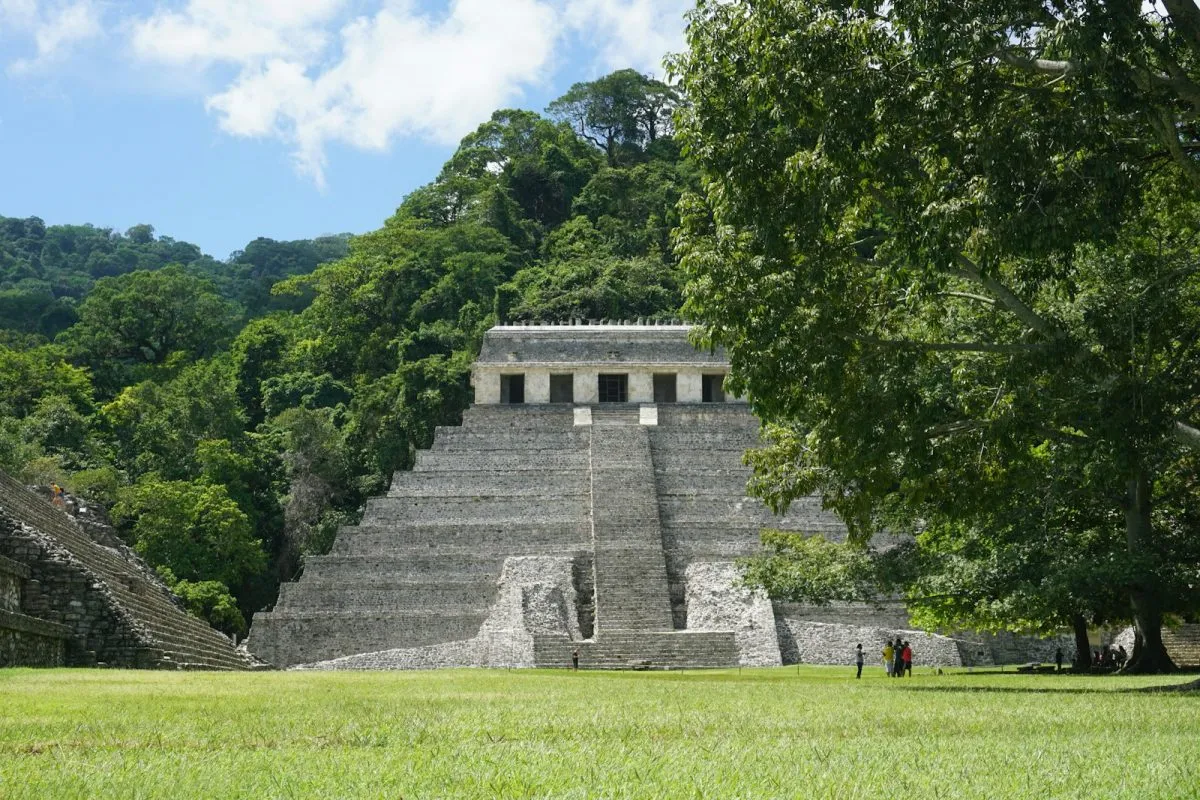
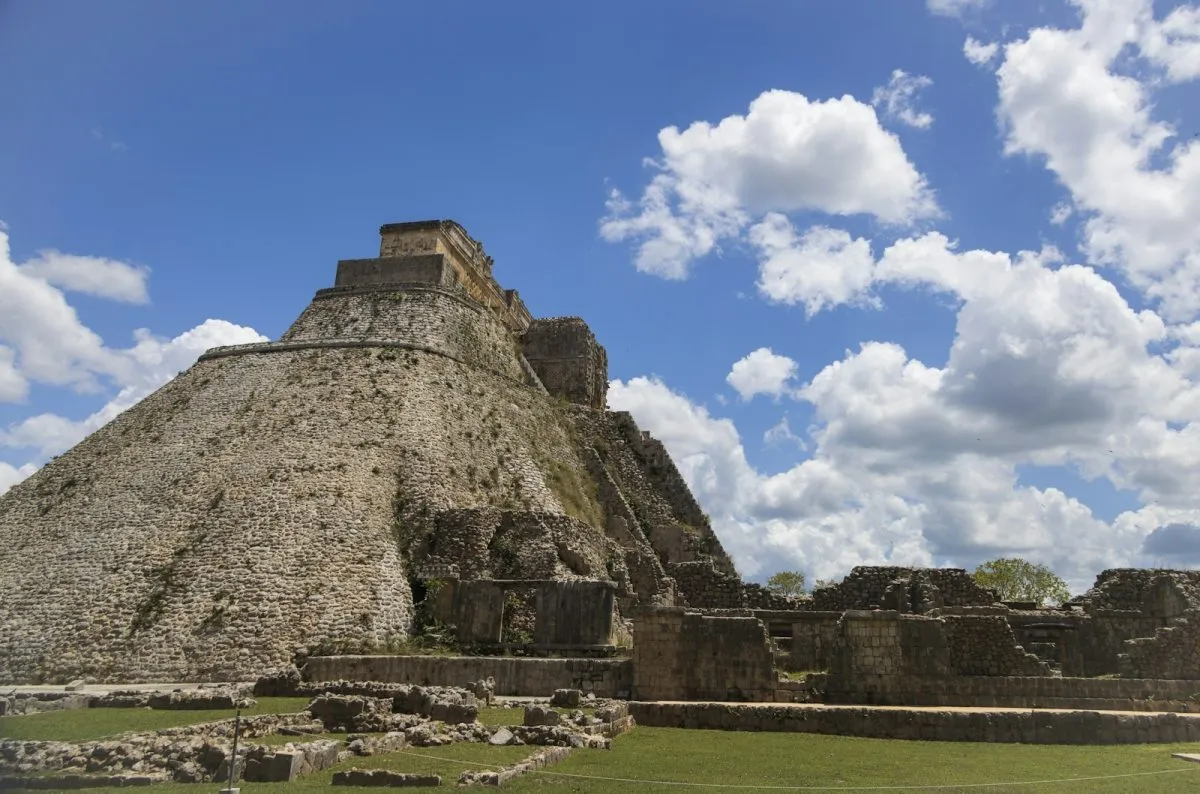
Palenque, in Chiapas, has the Temple of the Inscriptions, 27.2 metres high, and a jungle backdrop. Uxmal, 62 km south of Mérida, is the masterpiece of the Puuc style, and you can combine it with cenotes on a day trip.
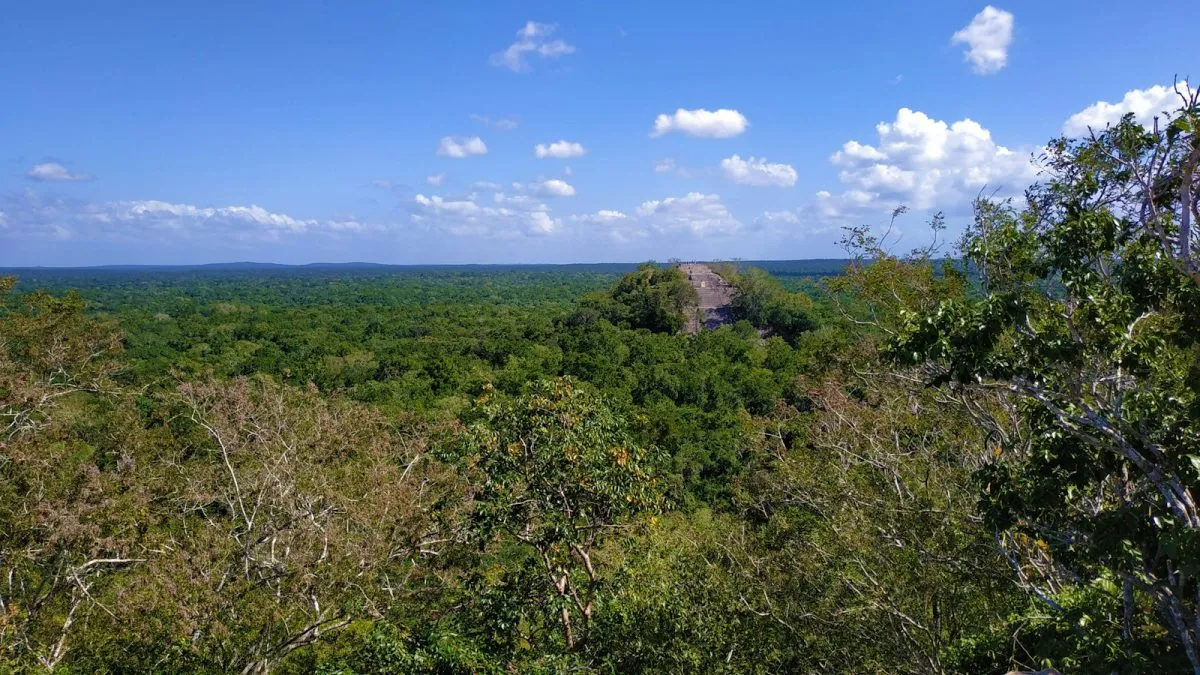
Monte Albán, founded around 500 BC, sits at about 1,940 metres, 9 km from Oaxaca. Calakmul is deep in Campeche, about 35 km from the Guatemalan border, and Structure 2 rises over 45 metres.
Tulum is small and not on the UNESCO list, but it has the best setting of all, on 12-metre cliffs above the Caribbean. Pair it with nearby cenotes.
Choose an Independent Visit or a Guided Excursion
An independent visit gives you control over the start and length of the day, but you must organise the return as well as the outward trip. Ask where you will be collected, how long the vehicle waits and what happens if you finish early. A package can be easier from a resort, particularly when it includes a distant site and another stop, but the advertised total duration is not the time spent among the ruins. Read how much time is actually allocated inside.
Compare admission, guide language, group size, meals and the exact pickup area. “From Cancún” can mean a long hotel collection before the journey starts. A balloon flight near Teotihuacán does not necessarily include the archaeological-zone ticket. A cenote combined with Uxmal or Tulum may have its own entry and equipment conditions. Preserve space in the budget for clearly stated extras instead of comparing packages only by the first price on the screen.
For Palenque and Calakmul, arrange the access plan before choosing accommodation. Check current government advice for the actual roads, ask about the return journey and choose a daylight schedule. Do not add an improvised detour through Chiapas because two places appear close on a national map. The UK's Mexico advice and our country safety page explain why route-specific planning matters.
Planning a Visit
Plan the visit around walking conditions as well as the monuments. Open plazas can be exposed, while forest paths may be damp and uneven. Bring drinking water and suitable footwear, and ask about the distance from the entrance to the main area if steps, heat or limited mobility are a concern. A general accessibility symbol does not tell you whether every terrace, stairway or path is reachable. Check the specific route you want to use.
Do not base the day on climbing a pyramid. Barriers protect both visitors and the archaeological fabric, and access can change independently of the site's general opening. The INAH notice of 21 April 2026 illustrates the distinction: Teotihuacán reopened as a site while access to the Moon pyramid was announced closed until further notice. A photograph taken before a restriction is not permission to follow the same path today.
- Arrive when the gates open. Shade is limited and the heat builds quickly. Mérida averages 36.7 °C in May.
- Avoid Sundays because of free entry for residents.
- Bring pesos and a hat. Check opening hours at the site, as we could not confirm them on official pages.
- Do not touch the stone or leave the marked paths. Tourists have been fined and detained for climbing closed pyramids.
Planning to take pictures? Our photo spots guide covers the best light at each site.
Mexico Ruins FAQ
What are the best ruins in Mexico?
Teotihuacán, Chichén Itzá, Palenque, Uxmal and Monte Albán are the usual top five.
Can you still climb the pyramids in Mexico?
Rarely. Chichén Itzá, Tulum and the Pyramid of the Sun at Teotihuacán do not allow it. A 2025 reopening report is not a current permission: INAH announced closure of Moon pyramid access in April 2026. Nohoch Mul at Cobá was reported to reopen in December 2025; check the current access rules directly with the site.
How much does it cost to enter Chichén Itzá?
Reported at about 676 pesos in total for foreign visitors in 2026, including the state charge.
Which is better, Chichén Itzá or Tulum?
Chichén Itzá is much bigger and more important. Tulum is smaller and has the better setting.
Which is better, Teotihuacán or Chichén Itzá?
Teotihuacán for scale; Chichén Itzá for its Maya carving and fame. Both are worth seeing.
Site and Fee Sources
The original fact check was dated 8 November 2026. Additional planning and primary-source checks were made on 9 November 2026. Site facts and UNESCO years come from Wikipedia, because the UNESCO list could not be opened directly. Fees and climbing rules come from press reports including Riviera Maya News and TravelPulse, and differ between sources. INAH's own pages did not show current fees, hours, or rules on climbing, tripods or drones when we checked, so confirm them before you go. Some links on this page are affiliate links; we may earn a commission if you book through them, at no extra cost to you.