
MEXICO · COUNTRY GUIDE
Is Mexico Safe? Health and Safety Advice for Travellers
“Is Mexico safe?” is the wrong question, or at least too broad a one. Government warnings here are written state by state and sometimes road by road, and two towns a few hours apart can sit on opposite sides of a warning line.
The main tourist destinations, including Mexico City, Cancún, the Riviera Maya, Los Cabos, Oaxaca City and Mérida, are not on the UK or Canadian avoid-travel lists. That does not make them risk-free. Crime, including violent crime, still happens in resort areas. The sensible approach is to check your exact route against official advice, and then take the ordinary precautions below.
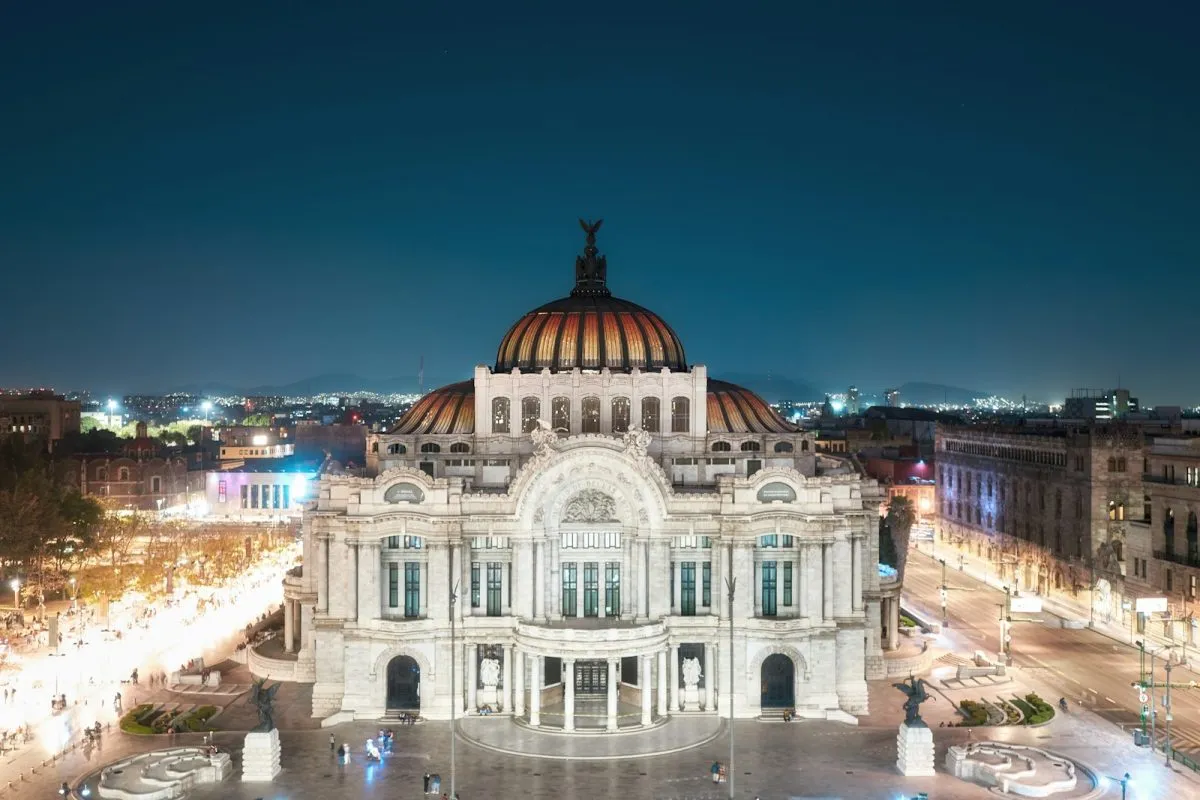
Safety Advice for Popular Destinations
The table compares two of the clearest official sources, updated in October 2026. The United States also publishes state-by-state advice, listing Mexico overall at Level 2, Exercise Increased Caution, on an advisory dated 29 May 2026. Americans should read that page directly.
Status under UK Foreign Office and Government of Canada advice, as updated on 20 and 19 October 2026. Advice can change at any time.
If the columns do not fit your screen, scroll sideways to see the full table.
| Destination | UK | Canada | What to bear in mind |
|---|---|---|---|
| Mexico City | No avoid-travel warning | No avoid-travel warning | Unlicensed taxis are a named risk; protests have affected central areas since 2025. |
| Cancún, Playa del Carmen, Tulum | No avoid-travel warning | No avoid-travel warning | UK: be very cautious after dark in the downtown areas. Shootings have affected tourists since 2021. |
| Los Cabos and La Paz | No avoid-travel warning | No avoid-travel warning | Baja California Sur is treated separately from Baja California. |
| Mérida and Campeche | No avoid-travel warning | No avoid-travel warning | Usually considered among the calmer parts of the country. |
| Oaxaca City | No avoid-travel warning | No avoid-travel warning | Earthquakes are more frequent in this state. |
| Puerto Vallarta | No avoid-travel warning | No avoid-travel warning | Named by the UK among protected destinations; other parts of Jalisco are on the list. |
| San Cristóbal and Palenque | Check road 199 | Excluded from Chiapas warning | UK advises against Highway 199 between Rancho Nuevo and the Chancalá junction, a common route between the two. |
| Mazatlán | Excluded from Sinaloa warning | Only specific tourist areas, by air or sea | The rest of Sinaloa is on both lists. |
| Morelia and Pátzcuaro | Excluded from Michoacán warning | Excluded from Michoacán warning | The rest of the state is on both lists. |
| Ixtapa and Zihuatanejo | Excluded, by air only | Excluded, by air only | The rest of Guerrero, including Acapulco, is on both lists. |
Where the UK and Canada Disagree
Official advice is more useful when you notice where it differs. These are the cases that could change a travel plan, and if you are from either country, the insurance consequences may depend on your own government's wording.
Differences between the two sets of advice.
If the columns do not fit your screen, scroll sideways to see the full table.
| Place | UK | Canada |
|---|---|---|
| Tijuana and Tecate | Avoid all but essential travel, with exceptions for the airport, the Cross Border Xpress and certain toll roads | Baja California is not on the regional list |
| Copper Canyon railway | Rail route excepted from the Chihuahua warning | Chihuahua is listed, excluding Chihuahua City only |
| Zacatecas city | Whole state on the list | City excluded |
| Monterrey and Nuevo León | State not listed | State listed, excluding Monterrey |
| Sonora | State not listed | Listed, excluding Hermosillo, Guaymas and San Carlos, and Puerto Peñasco |
| Guanajuato state | Areas south-west of road 45D | Areas south of and including highways 43D and 45D |
San Miguel de Allende and the city of Guanajuato lie north of the highway in question, but the road you take to get there matters. The UK also warns that travelling against its advice can invalidate your insurance.
Crime in Tourist Areas
If the columns do not fit your screen, scroll sideways to see the full table.
| Risk | What to do |
|---|---|
| Taxis | Use authorised airport taxis and registered ‘sitio’ ranks, or ask your hotel to call one. Avoid hailing cars on the street, and do not pay by card in the taxi. |
| ATMs and express kidnapping | Use machines in shops, malls or banks in daylight. Do not take out large sums. |
| Spiked drinks | Keep your drink with you. Choose sealed bottles or cans. See our nightlife guide for more. |
| Tainted alcohol | Methanol poisoning has killed people in Mexico and cannot be detected by taste or smell. Use reputable venues. |
| Sexual assault | Reported in tourist areas, including near hotels. Take particular care after dark. |
| Police demands | Tourists have been asked for money or arrested over minor offences. Stay calm, and ask to contact your consulate. |
| Demonstrations | Stay away. It is illegal for foreign nationals to take part in political activity in Mexico. |
Health
Most visitors have no problem beyond an upset stomach, but a little planning goes a long way. See a travel clinic at least eight weeks before you leave.
If the columns do not fit your screen, scroll sideways to see the full table.
| Topic | Guidance |
|---|---|
| Routine vaccines | Be up to date, including measles (MMR). |
| Hepatitis A | CDC recommends it for unvaccinated travellers aged one or older. |
| Typhoid | CDC recommends it for most travellers. |
| Hepatitis B | CDC recommends it for unvaccinated travellers under 60. |
| Yellow fever | Not recommended and not required for entry. |
| Malaria | CDC lists transmission in Campeche, Chiapas and southern Chihuahua, and rare transmission in Oaxaca, Sinaloa, Sonora and Tabasco. Ask about tablets if you are going there. |
| Dengue, Zika, chikungunya | Mosquito-borne and present in Mexico. Use repellent and stay in screened or air-conditioned rooms. |
| Water | Drink sealed bottled or boiled water, and avoid ice unless you are sure of it. |
| Cyclosporiasis | Reported in travellers returning from Mexico, including Cancún and the Riviera Maya. Be careful with fresh produce. |
| Altitude | Mexico City is about 2,240 m. Take it slowly on your first day, and ask a doctor if you have heart or lung problems. |
| Air quality | Air pollution is a named health risk, particularly in the capital. |
| Treatment costs | Hospitals may want payment up front. Carry insurance that covers medical evacuation. |
| Prescriptions | UK advice says foreign prescriptions must be translated into Spanish. |
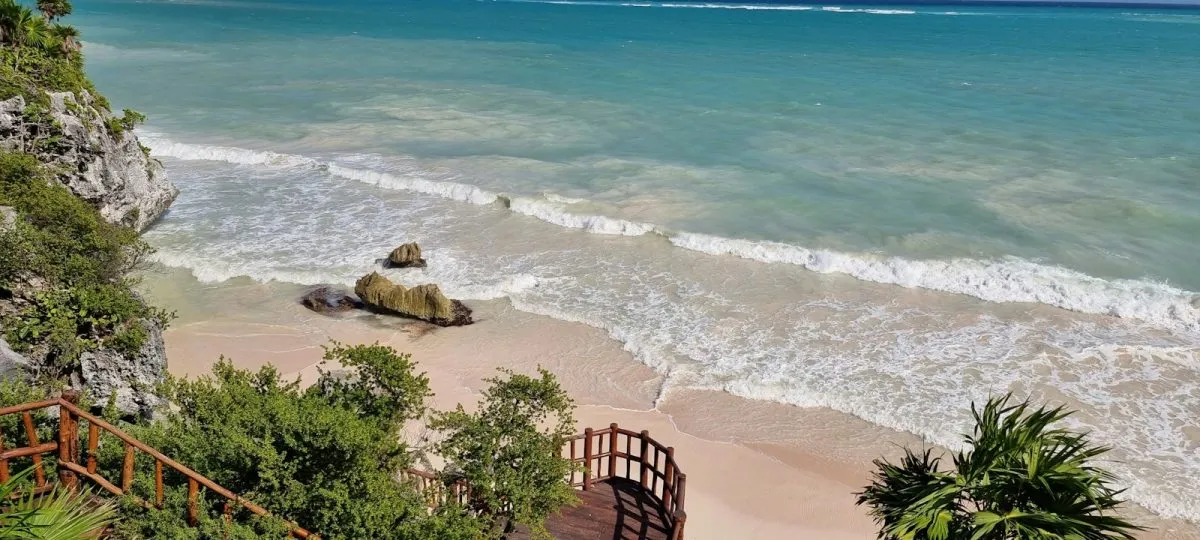
Natural Hazards
If the columns do not fit your screen, scroll sideways to see the full table.
| Hazard | What to know |
|---|---|
| Sea conditions | Riptides are common, many beaches have no warning flags, and not all are supervised. Ask locally before you swim. |
| Hurricanes | Atlantic season 1 June to 30 November; eastern Pacific season 15 May to 30 November. |
| Earthquakes | A risk in most of the country, particularly Oaxaca and Guerrero. Mexico City's 911 CDMX app can warn up to 60 seconds before shaking starts. |
| Volcanoes | Popocatépetl and Colima are active and closed to the public. Stay outside the 12 km exclusion zone around Popocatépetl. |
| Crocodiles | They live in lagoons and coastal areas, including Cancún and Pacific resorts. Follow signs. |
| Fresh water | Leptospirosis is found in Mexico. CDC advises against swimming in fresh, unchlorinated water such as lakes and rivers. |
Emergency Contacts
If the columns do not fit your screen, scroll sideways to see the full table.
| Service | Contact |
|---|---|
| Police, fire and ambulance | 911 |
| Mexico City information line, LOCATEL (English-speaking staff available) | 5658 1111 |
| United States Embassy | mx.usembassy.gov |
| British Embassy | gov.uk |
| Canadian consular help | travel.gc.ca |
| German Embassy | mexiko.diplo.de |
| Spanish Embassy | exteriores.gob.es |
| Other embassies | Save the number from your own government's website before you travel |
Mexico Safety FAQ
Is Mexico safe to visit right now?
Most major tourist destinations are outside the UK and Canadian avoid-travel areas, as of October 2026. Risks remain, so check current advice for your exact route.
Is Cancún safe?
Neither government lists it as an area to avoid. The UK urges particular caution after dark in the downtown area, and gang-related shootings have affected tourists there.
Is Mexico City safe?
It is not on the UK or Canadian avoid-travel lists. Use authorised taxis, take care at ATMs and be alert in crowded places.
Which parts of Mexico should tourists avoid?
Both governments warn against all or most of Guerrero, Michoacán, Colima, Sinaloa, Tamaulipas and Chihuahua, among others, with named exceptions. The lists above show the differences.
Can you drink the tap water in Mexico?
Do not rely on it. Drink sealed bottled or boiled water and be careful with ice.
What is the emergency number in Mexico?
911, for police, fire and ambulance.
Safety Advice Sources
Facts were checked on 8 November 2026 against UK Foreign Office (updated 20 October 2026) and Government of Canada (updated 19 October 2026), and CDC traveller health guidance (reviewed 3 September 2026). Hurricane dates are from the US National Hurricane Center. We could not open the state-by-state text of the US advisory when checking this page, so the US overall level is included but its state levels are not. “No avoid-travel warning” means the place is not named in the regional lists; it does not mean there is no risk. This page is general information, not medical or legal advice.