
About London
About London
London is a capital shaped by the River Thames, successive waves of settlement and the daily life of a remarkably varied set of neighbourhoods. It is both a city to explore on foot and a vast metropolitan region, so understanding its geography makes a visit easier.
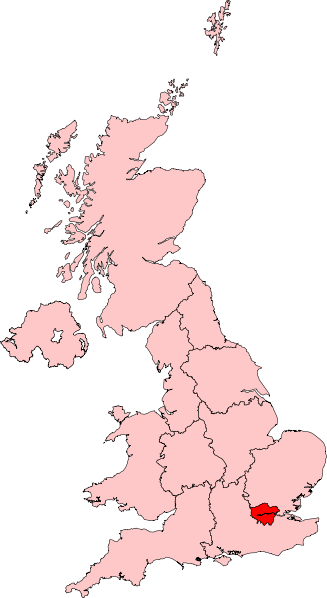
Greater London and the City of London
Greater London is the large metropolitan area governed through 32 boroughs and the City of London. The City, often called the Square Mile, is the historic core and a distinct local authority. The City of Westminster is a separate borough containing Parliament, Westminster Abbey and Buckingham Palace. These names can be confusing when planning a route or choosing a hotel.
The Thames provides a useful orientation line. Westminster and the South Bank sit in the centre; the City lies to the east; Greenwich is farther downstream, still within London. Neighbourhood names such as Soho, Camden, Kensington and Shoreditch describe local areas rather than a single formal district system.
A short history
Roman Londinium
The Romans founded Londinium in the first century CE near a strategic crossing of the Thames. Traces of Roman London survive in the City, though much of the modern street pattern reflects later growth.
Medieval and early modern London
After Roman rule, settlements developed around the old City and Westminster. Trade, royal government and the river helped London expand. The medieval Tower of London became a fortress, palace and prison; Westminster grew as a centre of government and ceremony.
The Great Fire and a growing capital
The Great Fire of 1666 destroyed much of the City, prompting rebuilding in brick and stone. London expanded rapidly through the eighteenth and nineteenth centuries as imperial trade, industry, railways and migration transformed its population and built environment. Georgian squares, Victorian stations and churches, and modern infrastructure now sit close together.
Modern London
Twentieth-century conflict and postwar rebuilding changed the city again. New communities, global business, universities, music, theatre and visual arts have continued to shape London. Its identity is not captured by one landmark or tradition; local high streets and community institutions are as much part of the city as royal and national sites.
Neighbourhoods and architecture
Visitors can move from Parliament and ceremonial avenues to the galleries of South Kensington, the markets and canals of Camden, the brick warehouses of the East End and the towers of Canary Wharf. Architectural layers include medieval churches, Wren’s post-Fire buildings, Victorian infrastructure, postwar estates and contemporary landmarks. Use the London map and neighbourhood guide to plan realistic connections.
Parks, museums and culture
Royal parks and neighbourhood green spaces offer a quieter side to the capital. The British Museum, National Gallery, Tate Modern and many other institutions make art and history central to the visitor experience. Some museums have free general admission while special exhibitions or timed experiences may charge; check each museum’s own visitor information before going.
For specific places, see London attractions. For walks, markets and performances, browse things to do in London. Return to the London Travel Guide to plan the wider trip.
The Thames as a city spine
The river helped make London a port and remains an organizing feature for travellers. Bridges connect districts, while piers and riverside paths make orientation easier. The Thames is tidal in parts of the city; stay behind barriers where posted and use marked paths. A boat ride can reveal how the historic core, modern financial district and former docklands relate to one another.
Architecture you can read on a walk
A suggested City walk runs from St Paul's Cathedral east along Cheapside towards Bank, then south to the Monument and London Bridge. Start near St Paul's station and finish near Monument or London Bridge; allow a flexible half-day if you want an interior visit. This is a sequence of buildings to compare, not a claim that each belongs to the same period.
- St Paul's: compare the dome and classical exterior with the smaller streets around it. Use the cathedral visitor page for interior and gallery access.
- Bank: look at the Royal Exchange and neighbouring financial buildings to understand how civic and commercial functions cluster in the City.
- The Monument: connect the memorial with the 1666 Great Fire. London Museum's Monument history explains the rebuilding context.
- London Bridge: finish with the river, where the contrast between older street patterns and modern buildings is easier to read than from a list of architectural styles.
Photograph whole street relationships as well as individual façades. Bank junction is a working transport space; choose a safe pavement position and avoid stepping into the carriageway to align a shot.
Culture and everyday life
London’s cultural institutions are internationally known, but the city’s character also comes from local markets, football grounds, places of worship, music venues and community festivals. Neighbourhoods are not interchangeable: each has its own high streets, public spaces and rhythms. Visit respectfully, especially in residential areas, and remember that markets and festivals are workplaces and community spaces as well as visitor attractions.
For a practical sense of where these areas lie, consult the London map. Use London Attractions for major sites and the experiences guide for walks, performances and river activities.
Government and civic landmarks
London is the seat of the UK Parliament and central government, but the capital’s civic geography is distributed. Parliament and government offices are concentrated around Westminster and Whitehall. The City of London Corporation administers the historic Square Mile, while Greater London has its own regional government and borough councils. For visitors, the distinction is useful when reading addresses, transit maps and event notices.
Ways to learn more while visiting
Museums provide context for Roman, medieval, imperial, industrial and contemporary London, but neighbourhood walking tours can reveal histories that are less visible in major monuments. Choose tours from reputable local guides and seek perspectives that reflect the district rather than reducing it to a single story. The attractions guide covers landmark institutions, while the things-to-do guide suggests walks and experiences.
For museum collections and local history research, use London Museum. Check the specific museum location before visiting: exhibition sites and opening arrangements differ.
Research and update: Photos4Travel planning guide, updated 30 September 2026. Official visitor, venue and transport sources are linked where relevant. Suggested routes and visit allowances are editorial planning examples; live schedules, menus and access conditions come from the linked providers.