
ENGLAND · LONDON GUIDE
London City Passes & Tickets: Is a Pass Worth It?
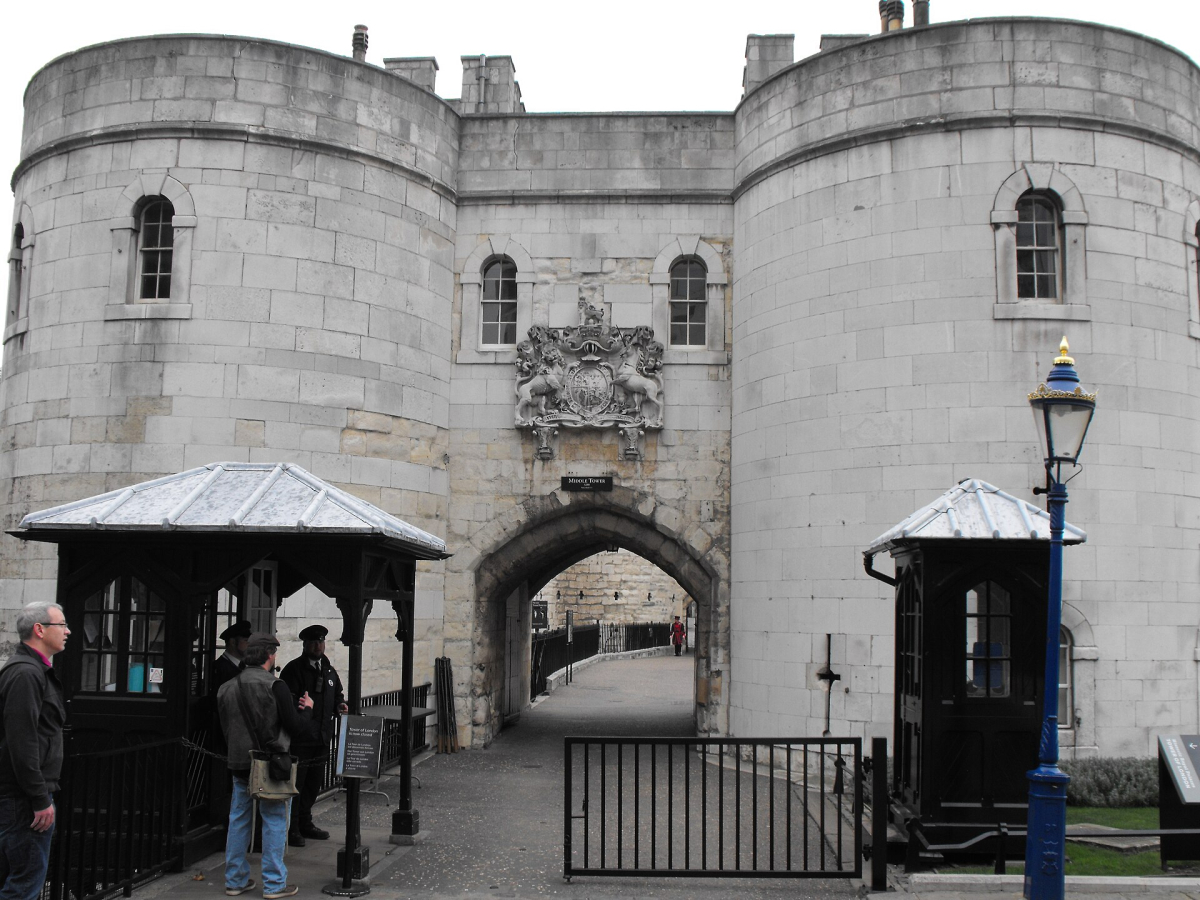
A London sightseeing pass can be useful when its included visits match a route you actually want to follow. It can also cost more than separate tickets when the trip is built around free collections, neighbourhood walks and only one paid landmark. Make the itinerary first and compare the product second.
This guide gives you a method for deciding, rather than a promise of savings. Prices, inclusions, products and reservation arrangements can change. Use the provider's current checkout and each attraction's own visitor page for your dates; compare the final amount for the people travelling.
Choose the right kind of ticket
| Choice | Useful when | Main limit |
|---|---|---|
| Individual attraction tickets | You want a small number of fixed visits | Check the exact date, time and cancellation terms separately |
| A day-based sightseeing pass | Several included paid visits fit the same usable days | Travel and queues can make an ambitious included list unrealistic |
| An attraction-choice pass | You want a defined number of included visits at a looser pace | Your preferred places must be included in that exact product |
| Transport payment or Travelcard | You need city journeys | Transport is a separate decision from sightseeing admission |
The London Pass provider describes day-based and attraction-choice options. It also explains activation, validity and usage limits. Some visits require a reservation; use the current reservation instructions before assuming that holding a pass guarantees the time you want.
A transport card, an attraction pass and a boat ticket are different products. The presence of a sightseeing bus or river experience in a pass does not establish ordinary Underground, bus or airport coverage. Check the exact inclusion rather than interpreting a transport-themed photograph or a long list of benefits as proof.
Use free collections deliberately

If the trip's priorities are museums, first distinguish general collection entry from a charged exhibition or optional experience. A pass should not receive credit in your calculation for a visit you could make free without it. Check the museum's own booking arrangements too: a free ticket can still require planning.
Read the museum comparison in London Attractions and decide which collections you genuinely want. A full morning in one museum can be more rewarding than several short admissions intended to make a pass appear economical.
Build a break-even comparison
- List only visits you would choose without the pass. Remove filler added merely because it is included.
- Check that each visit is in the exact pass version and available on your intended day. Include any necessary extra booking charge.
- Write down the direct ticket price for the same visitor age and entry type. Compare flexible with flexible, or fixed-time with fixed-time.
- Subtract discounts you can actually use on individual tickets. Do not combine incompatible offers.
- Compare the total with the pass's final checkout amount, then check whether the route still leaves time to enjoy each visit.
Worked example: suppose your own current quotes for three intended visits are £40, £30 and £25. Separate tickets total £95. If the pass quote is £110, it costs £15 more for that plan; a fourth visit is only relevant if you want it and can fit it in. These numbers are illustrative arithmetic, not advertised London prices. Replace them with current quotations for your dates and visitor categories.
Include the effect of a closure or a missed reservation. A plan that only breaks even if every visit goes perfectly may not justify losing flexibility. For a family, calculate the adults and each child's eligible ticket separately rather than multiplying one adult saving.
Test the plan against London geography
Group attractions before counting how many you can use. A Tower-area day and a Westminster day are different route choices; adding Kew or Hampton Court creates a longer journey and a substantial visit. The value of an admission does not remove the time needed for security, food, station access or a rest.
For a day-based product, understand how the provider counts a day before activating it late in the afternoon. For an attraction-choice product, check the validity window and repeat-entry conditions. Save confirmation and booking details, and make sure everyone can access the tickets in the required format.
Keep city transport separate
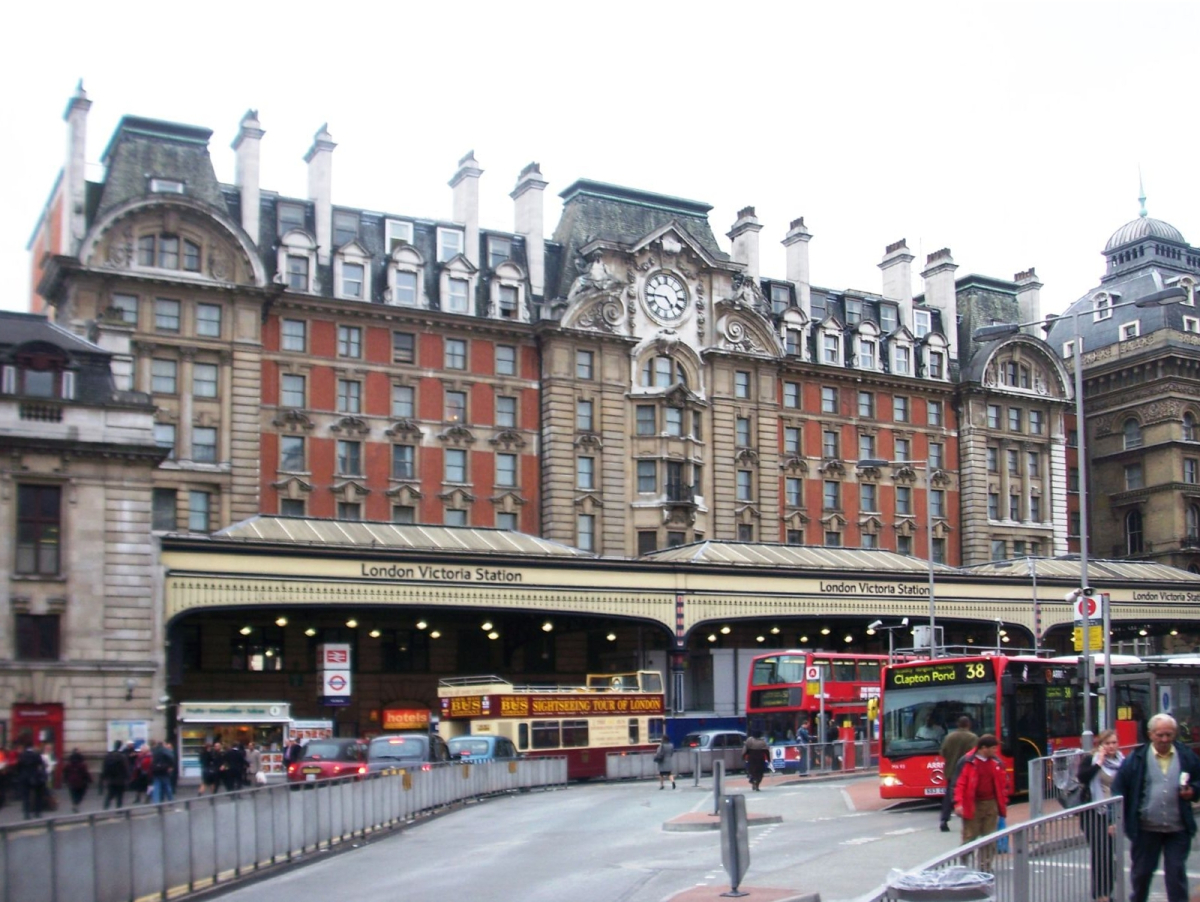
Compare everyday journeys through TfL's fare guidance and your actual airport or rail operator. A convenient return to the hotel matters more than a transport benefit you will not use. Use the Getting Around guide for contactless, Oyster and the distinction between city and airport travel.
When comparing a cruise inclusion, identify the pier, route, departure and last return. A scenic sightseeing product should not be treated as interchangeable with every river bus. Likewise, a hop-on bus can be an enjoyable outing without being the quickest way between two timed interiors.
Travel Tip:
Keep a direct-ticket version of the same itinerary beside the pass version. If you would change most of your preferred trip to justify the pass, choose the tickets that fit your trip instead.
Check before paying
Read cancellation, activation and reservation terms for the exact product in the basket. Confirm whether a timed booking can be changed and what happens if an attraction closes. A provider's maximum savings headline is not your own expected saving.
Start your route with the London Travel Guide, compare individual attractions, and keep travel costs separate from the appeal of a long included list.
Content review: 18 October 2026. Photos4Travel editorial planning guidance; current opening, entry, transport and booking conditions are provided by the linked official sources. Suggested routes are planning examples.



