ENGLAND · LONDON GUIDE
London Travel Guide: Plan Your First Visit
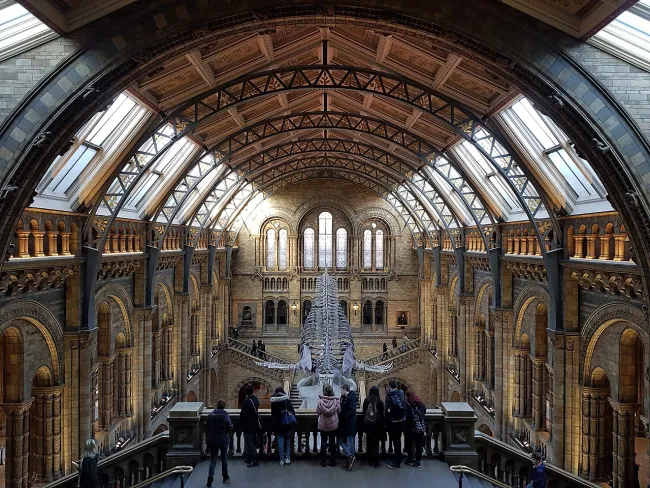
London is easier to enjoy when you plan by neighbourhood. Westminster’s riverfront, the West End, the museums around Bloomsbury and South Kensington, and the Tower area each have enough to fill a substantial part of a day. Combining nearby stops leaves more time for a meal, a museum gallery or a walk along the Thames.
Use this London travel guide to decide how long to stay, choose a practical hotel base and build a first itinerary. It brings the main planning decisions together, while the linked guides cover individual attractions, experiences, hotels, food and transport in greater detail. Start with your available days and the two or three experiences you most want, then fit the rest around them.
London at a glance
| Decision | Practical starting point |
|---|---|
| Trip length | Three days for a focused first visit; five to seven for slower museum visits and a day trip. |
| Base | Choose the hotel’s actual station and evening route, then compare London areas. |
| Sightseeing | Group Westminster, the South Bank and the City into separate manageable clusters. |
| Tickets | Book only the time-sensitive visits first; compare city passes and separate tickets. |
| Family pace | One main booked activity plus a nearby outdoor break: family planning. |
Start with these five London planning decisions
- Count full sightseeing days. A late arrival and an early departure do not give you two usable days. Keep the first afternoon flexible after a long flight.
- Choose your main interests. Decide whether you want landmarks, museum collections, theatre, food or neighbourhood exploration before reserving several unrelated activities.
- Pick a base that fits those interests. Check the actual hotel address and station, including the airport journey and the return trip after an evening out.
- Reserve the important anchors. A timed attraction, a particular performance or a special meal deserves a place in the schedule; every coffee stop does not.
- Group the remaining stops geographically. Build each day around one area or two adjacent areas, with an indoor alternative if the weather changes.
How many days do you need in London?
Three full days can give you a satisfying introduction, but you will need to choose between major interiors and leave some districts for another trip. Five days gives more room for museums, parks and a neighbourhood beyond the central riverfront. A week lets you slow down or add a day trip without sacrificing most of your city time.
| Time available | A workable focus | What to leave flexible |
|---|---|---|
| 3 full days | Westminster and the South Bank; the Tower area; Bloomsbury and the West End | Choose a few main interiors; postpone an out-of-town day trip |
| 5 full days | The central introduction plus South Kensington and a district such as Greenwich or Camden | Use one day for your interests, weather or a slower pace |
| 7 full days | A broader city visit, a second museum or neighbourhood day, and an optional day trip | Keep a recovery or catch-up day rather than booking every morning |
For a one- or two-day stop, reduce the number of areas instead of compressing the full three-day plan. Westminster and the river can make one coherent day; a museum and the West End can make another. The London attractions guide helps you decide which interiors are worth your available time.
Where to stay: choose your London base
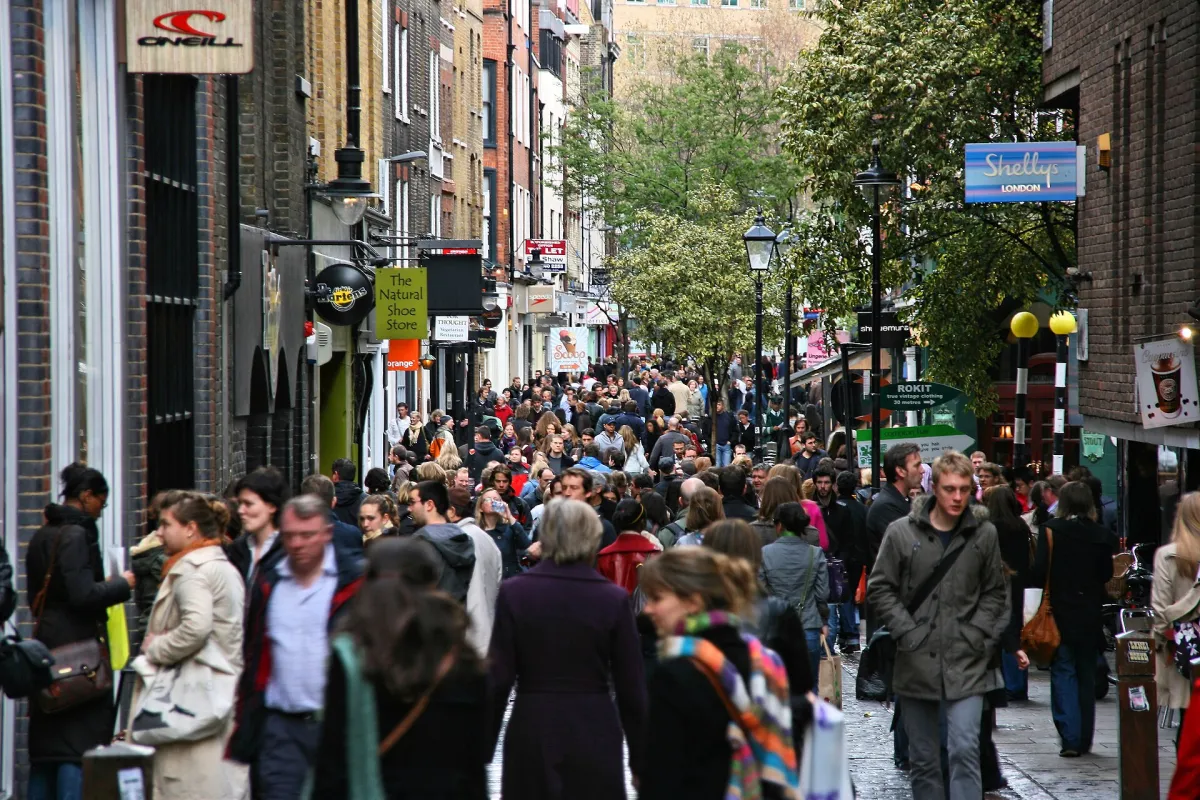
London has several useful visitor centres. A hotel near the West End can help with theatre and dining, while a base near a particular rail station may simplify a late arrival or onward journey. Compare the address with your planned days rather than choosing only by a broad “central London” label.
| Area | Consider it for | Check before booking |
|---|---|---|
| Covent Garden and Soho | West End shows, dining and an active central evening | Street noise, room position and the walk home from your theatre |
| South Bank and Waterloo | Riverside walks and a Westminster-focused visit | The actual riverside distance, station entrance and airport connection |
| Bloomsbury | The British Museum and a base north of the West End | Which station is closest; a district name does not establish step-free access |
| South Kensington | A museum-led trip and west London parks | Travel to evening plans in the West End or farther east |
| Paddington | A stay organised around Paddington rail connections | Whether your airport service actually serves this station, and the final walk |
Use the London map and neighbourhood guide to understand these areas, then compare named properties in London Hotels. Check room size, bedding, lift access, breakfast, luggage storage and cancellation terms alongside the nightly rate. For an early flight, compare the whole departure journey before deciding that an airport hotel is the better base for your trip.
A practical three-day London itinerary
The following days are route suggestions. Reorder them around your bookings, opening days and weather. Choose one main paid or museum interior each day, with time for food and an optional second stop; the London experiences guide supplies walks, river journeys, markets and evening ideas.
Day 1: Westminster and the South Bank
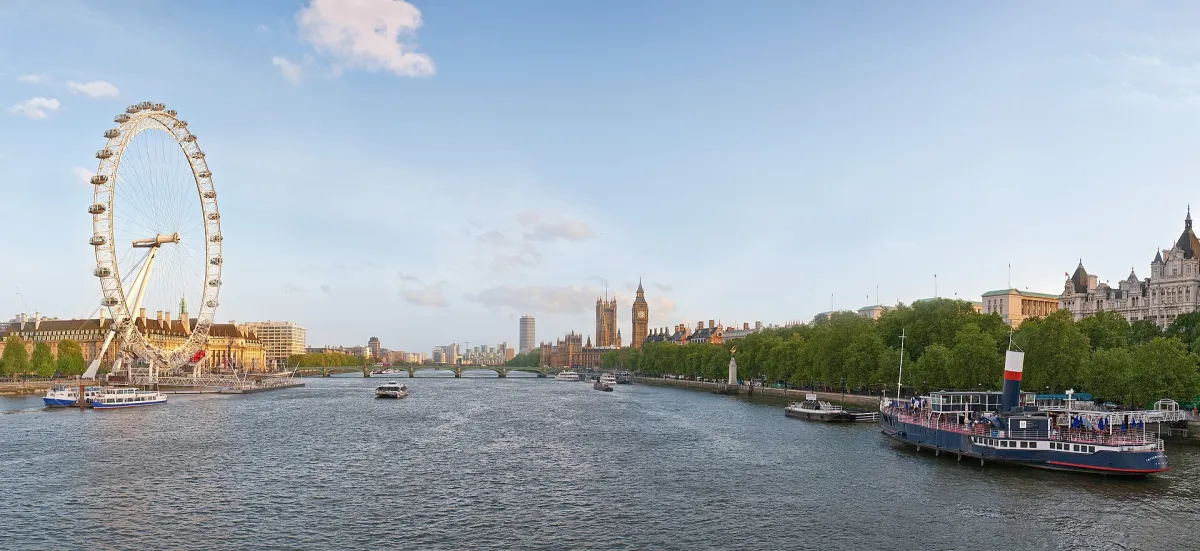
Start around Westminster station and Parliament Square. If Westminster Abbey is a priority, make that the morning’s main visit and check its sightseeing arrangements before booking. The riverfront gives you views of Parliament without needing to add another interior immediately afterwards.
Cross Westminster Bridge to the South Bank, then choose a lunch stop near Waterloo or the river. Continue past the Southbank Centre if the group wants more walking. Waterloo offers an earlier finish; a longer riverside day can continue towards Tate Modern and Blackfriars. Keep that extension optional, especially when you have already spent a long morning indoors.
Weather swap: shorten the exposed river walk and choose an indoor stop in the same district. A rain plan should reduce travel, not send you across London for another attraction. For opening and booking details, use the individual place sections in the attractions guide.
Day 2: the Tower, Tower Bridge and London Bridge
Begin near Tower Hill and make the Tower of London the main morning booking if it interests you. After the visit, cross Tower Bridge at street level and continue along the south bank towards London Bridge. The bridge’s exhibition and high walkways are a separate visit; decide whether you have time for them rather than automatically booking both attractions.
Build lunch into the London Bridge part of the day. Borough Market is a daytime option when its trading schedule fits: it is closed on Mondays at the time of checking, and individual trader hours can vary. Check the official market visiting page and keep a seated restaurant alternative if your group needs a dependable break. Finish near London Bridge rather than retracing the entire morning route.
Day 3: Bloomsbury and the West End
Start with a focused museum visit instead of trying to see every gallery. The British Museum offers free entry and recommends booking a free ticket; entry without a booking depends on capacity. Read its official visitor information and choose the collections that interest you.
Keep the afternoon for Bloomsbury and Covent Garden, with time to browse or rest. If you want a West End show, reserve dinner near the actual theatre and allow for the walk and admission process. A famous show title does not tell you the venue address or curtain time; confirm both, along with the route back to your hotel.
For five or seven days: add depth, parks and a day trip
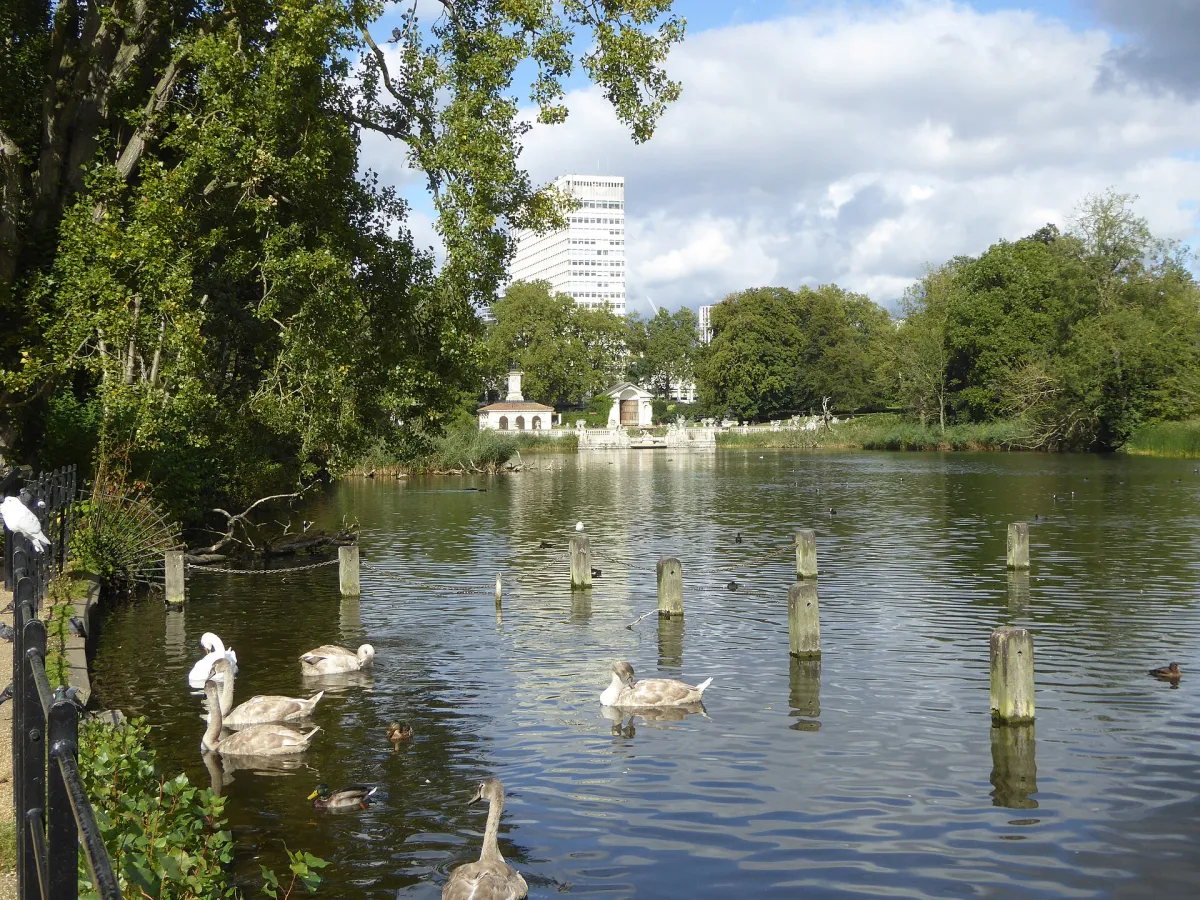
With two more days, choose one museum or park district and one neighbourhood that matches your interests. South Kensington works for a museum-led day; Kensington Gardens offers a different pace from an exhibition. Camden suits a day built around market browsing, while Greenwich can be a separate riverside outing. Read the individual venue notes before booking, particularly where seasonal access or works affect a visit.
Leave one half-day uncommitted if you can. It gives you room for a collection you enjoyed, a change in weather, shopping or a slower morning. Longer stays benefit from that flexibility as much as from adding another landmark.
For a week, compare the day trips from London before choosing an excursion. Count the outward journey, local transport and return alongside sightseeing. Windsor, Oxford, Bath and the Cotswolds are different kinds of day; do not treat their travel demands as interchangeable. On a short first visit, another London neighbourhood can offer more usable time than a long journey out of the city.
Arriving in London and getting around
Choose your airport transfer after deciding where you will stay. Compare the arrival airport, the London terminal station, any interchange and the last part of the journey with luggage. A fast train to the wrong side of the city can be less convenient than a service that gets you closer to your hotel. The London Airports guide explains the different arrival options.
Keep arrival day light: a local walk, a meal and an optional riverside stop are easier to adapt than a timed attraction immediately after landing. Ask the hotel about luggage storage if you arrive before check-in, and save the address and transfer details before travelling.
For sightseeing, combine walking with the Underground, Elizabeth line, buses and other rail services as appropriate. TfL’s pay-as-you-go information explains the available payment options. Use the same card or device to touch in and out; a phone, watch and physical card are distinct payment methods even when linked to one account. On buses and trams, touch in only. See TfL’s fare guidance for the current rules.
Use the Getting Around London guide for practical journeys, and check TfL service updates before travel. For a long evening out, confirm the return route as carefully as the outward one. Driving is rarely necessary for a central sightseeing itinerary; if your wider trip needs a car, plan its use separately from your London days.
When to visit London
Choose the season around what you want to do. Longer summer days give more room for parks and evening walks, while winter makes indoor collections, theatre and shorter outdoor sections more useful. Spring and autumn can suit a mixed trip, but they do not guarantee dry weather or empty attractions.
Compare seasonal trade-offs in Best Time to Visit London, then check London festivals and events for your actual dates. A performance, school holiday or major event can matter more to your schedule than a general recommendation for one month. Pack layers and weather protection, and keep an indoor option near each day’s main area.
Food, evenings and a realistic travel budget
Reserve one meal or evening that particularly matters to you, then leave other food stops close to your route. A market lunch, an afternoon tea and a destination restaurant make different demands on time and appetite. Use London Food & Drink to choose between them and check venue-specific dietary and booking conditions. For bars and evening venues, use the nightlife guide; for market browsing and retail areas, see London shopping.
Build the budget around accommodation, meals, transport, airport transfers and your chosen paid experiences. Compare totals for your own dates rather than relying on a single “daily cost” figure. Free museum entry can help, but exhibitions, drinks and other extras may change the bill. A sightseeing pass only makes sense when its included attractions and rules match what you genuinely intend to visit.
London uses pounds sterling. Check the currency and the full charge when comparing bookings, including any breakfast, service or cancellation conditions. For money, phone data, everyday safety and useful contacts, continue with London Travel Essentials.
Accessibility, entry checks and travelling at your own pace
For step-free travel, check the complete route rather than only the departure station. Station entrances, transfers and the final walk all matter. Consult TfL’s accessibility information and current service conditions, and contact the hotel or attraction about the facilities you need. Fewer stops, seated breaks and a flexible finish can make a more comfortable day than a tightly timed list.
Before travelling, use the official UK visa checker for your nationality and circumstances. Many short-stay visitors need an electronic travel authorisation rather than a visa, but exemptions and eligibility differ. Read the official ETA guidance and arrange any required permission before your journey. Do not assume another traveller’s passport or immigration status gives you the same entry requirements.
The London Fast Facts page is useful for basic orientation, while About London adds city context. For choices such as walking, public transport and thoughtful use of public spaces, read Responsible Travel in London.
Photo stops that fit your London route
On a Westminster day, use the South Bank for river views with Parliament across the water. On a Tower-area day, compare the broader Tower Bridge view from the south-bank promenade with a closer architectural composition beside the bridge. A park or street scene adds a different subject without needing another cross-city trip.
Judge the actual light and weather rather than planning around a guaranteed sunset effect. Keep pavements and entrances clear, and follow venue rules for photography. The photographs on this page are credited archive images; they introduce the areas, not current business listings or transport arrangements.
London travel guide FAQ
Is three days enough for a first London visit?
Three full days can cover a few major areas and one or two main museum or landmark interiors. Five days gives a more flexible pace. Keep airport travel separate when counting your sightseeing time.
Which area should I stay in?
Choose by your main activities and transport needs. Covent Garden or Soho can suit a West End evening; Bloomsbury, South Bank and South Kensington fit different sightseeing priorities. Check the individual hotel address and the return journey after dinner or a show.
Do I need to book everything in advance?
Reserve the experiences you would be disappointed to miss, then leave room around them. Check free museum ticket arrangements too; free admission does not always mean unlimited walk-in capacity.
Can I use contactless payment for sightseeing journeys?
Pay as you go is available across many London services. Check the current TfL rules for your route and keep to the same card or device. Bus and tram journeys need a touch-in only.
What should I do if it rains?
Swap a longer outdoor walk for a museum or other indoor stop in the same district. Keep travel and queue time in the plan rather than adding several distant indoor attractions.
Should I include a day trip?
Consider it when you have enough full days and a particular destination interests you. For a short first visit, choosing another London district often gives more time to explore and rest.
Transport, entry and selected venue information checked against linked official sources on 9 October 2026. Suggested days, area comparisons and trip lengths are editorial planning advice. Recheck service changes, opening days and booking conditions before travelling.
For a camera-focused route, use London Photos & Photo Spots. Compare viewpoints, light and access without duplicating your whole sightseeing day.
Content review: 18 October 2026. Photos4Travel editorial planning guidance; current opening, entry, transport and booking conditions are provided by the linked official sources. Suggested routes are planning examples.