
What to Eat in Puerto Rico
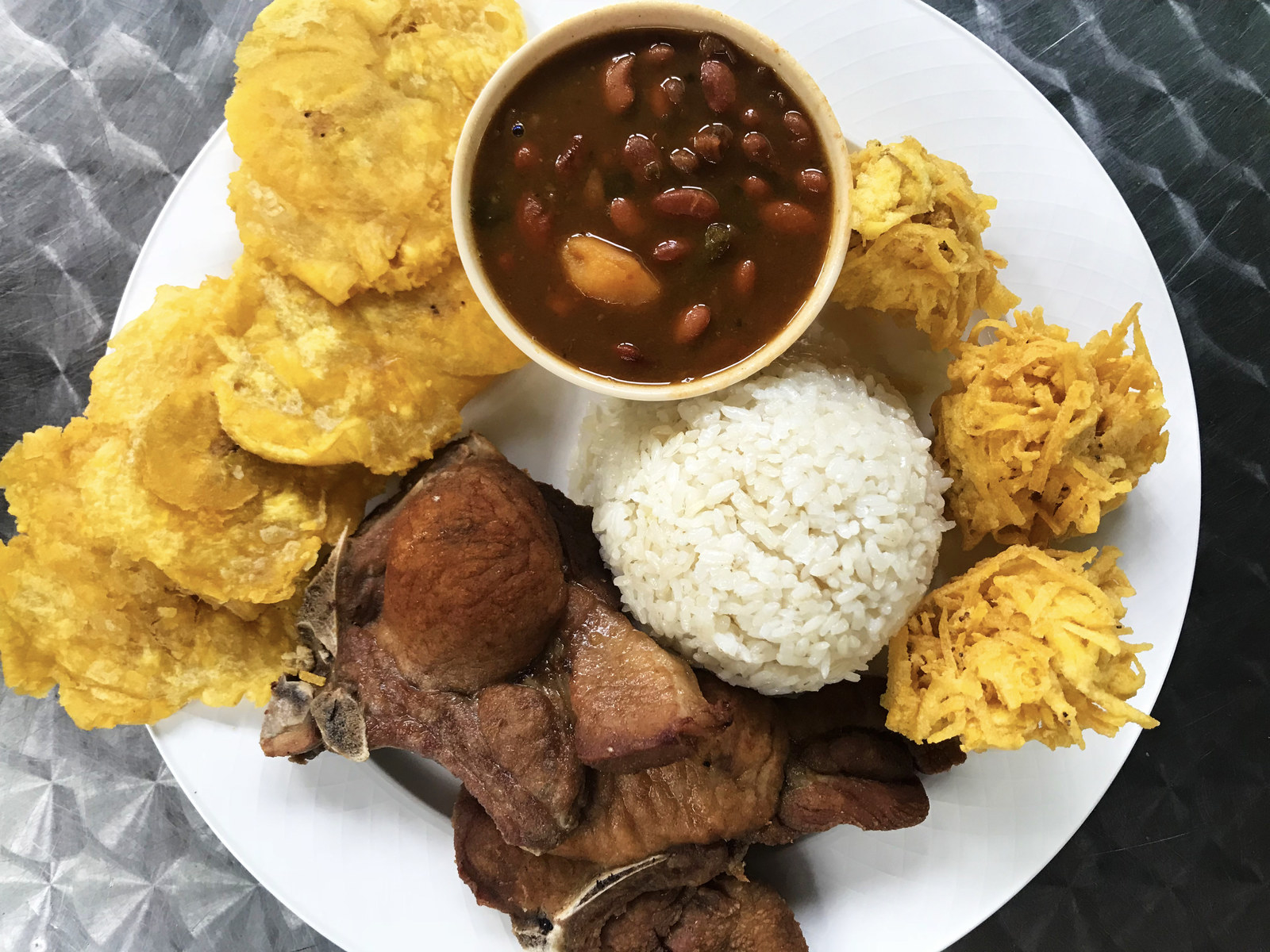
If you are traveling to Puerto Rico, you will quickly notice that food is not treated as a “special event” in the way it can be in some destinations. Meals are usually straightforward, filling and designed to fit daily routines. This page focuses on the dishes and food styles travelers commonly encounter, what each one is like in real life, and how to choose meals that match your taste and schedule.
For the broader “how dining works” context—meal timing, planning around activities and what to expect in different regions—see Food & Drink in Puerto Rico. If you are building your trip from scratch, start with the Puerto Rico Travel Guide.
How Puerto Rican food usually shows up during a trip
Many travelers encounter Puerto Rican cuisine in a few common settings: casual lunch spots, simple neighborhood kitchens, beach-area food stops and easy evening meals near where they are staying. Portions are often generous, and plates tend to be built around familiar combinations rather than constant variety. If you want the smoothest experience, treat lunch as your “anchor meal” and keep dinner expectations simpler—especially outside major city areas.
Everyday plates you will see again and again
The dishes below are not ranked. They are grouped by how travelers typically experience them, and by what they are useful for: a hearty lunch, an easy comfort meal, or something that makes sense on an active day. If you like savory, home-style cooking, most of these will feel approachable. If you prefer lighter meals, you can still enjoy the food culture by choosing smaller portions and balancing heavier meals earlier in the day.
Rice-and-beans style plates (the practical, filling default)
Many meals in Puerto Rico revolve around rice and beans paired with a main protein. Travelers often see these plates at lunch, and they are a reliable option when you want something satisfying between sightseeing stops. Flavor is typically savory and aromatic rather than intensely spicy. If you are sensitive to heavy meals, consider sharing or choosing these plates earlier in the day.
Plantain-based foods (comfort food with different “weights”)
Plantains appear in many forms, from lighter sides to heavier comfort dishes. Travelers often describe plantain dishes as one of the most “local-feeling” parts of the cuisine because they show up naturally and repeatedly. If you are trying to keep meals lighter, plantains can still work—just pay attention to whether they are served as a simple side or as a richer main component.
Fried snacks and quick bites (best for beach days and short stops)
In many coastal areas and busy districts, travelers encounter fried snacks and handheld foods that work well when you do not want a long sit-down meal. These can be fun and convenient, but they can also feel heavy if you stack them back-to-back. A practical approach is to treat them as a “one stop” snack rather than making them your main food strategy for the day.
Common Puerto Rican foods travelers ask about
Below are traditional foods and local favorites that travelers frequently hear about or encounter during their trip. The goal here is not to tell you what is “best,” but to explain what each item is like so you can choose confidently.
What to try in Puerto Rico (practical food guide)
Mofongo
What it is: Mashed fried green plantains mixed with garlic and oil, served with meat, seafood or broth.
Taste profile: Garlicky · Savory · Heavy · Filling
Spicy expectation: Not spicy
Vegetarian / pork-free shortcut: Ask for vegetable or seafood mofongo; avoid default pork fillings.
Best time to eat: Lunch or early dinner
Ordering tip:
“Can I get the mofongo with vegetables and broth on the side, please?”
Arroz con habichuelas (rice with beans)
What it is: Rice and beans, the everyday foundation of Puerto Rican meals.
Taste profile: Savory · Comforting · Mild · Filling
Spicy expectation: Not spicy
Vegetarian / pork-free shortcut: Ask if beans are cooked without pork.
Best time to eat: Lunch (ideal everyday meal)
Ordering tip:
“Is the rice and beans cooked without pork?”
Lechón (roasted pork)
What it is: Slow-roasted pork with deep, salty flavor.
Taste profile: Salty · Rich · Heavy · Savory
Spicy expectation: Not spicy
Vegetarian / pork-free shortcut: Skip completely; this dish is pork-based.
Best time to eat: Lunch (can feel too heavy late at night)
Ordering tip:
“Can I get a small portion of lechón with rice and beans?”
Pernil (roasted pork shoulder)
What it is: Tender roasted pork shoulder, milder than lechón.
Taste profile: Savory · Juicy · Filling
Spicy expectation: Not spicy
Vegetarian / pork-free shortcut: Skip; pork-based.
Best time to eat: Lunch or early dinner
Ordering tip:
“I’ll have the pernil plate, please.”
Tostones (fried green plantains)
What it is: Crispy fried green plantain slices, served as a side.
Taste profile: Crispy · Salty · Fried
Spicy expectation: Not spicy
Vegetarian / pork-free shortcut: Usually vegetarian; confirm frying oil if needed.
Best time to eat: Any time (works well at lunch)
Ordering tip:
“Can I add tostones as a side?”
Maduros (sweet fried plantains)
What it is: Sweet ripe plantains, soft and caramelized.
Taste profile: Sweet · Soft · Comforting
Spicy expectation: Not spicy
Vegetarian / pork-free shortcut: Vegetarian-friendly.
Best time to eat: Lunch or dinner (balances savory meals)
Ordering tip:
“I’ll take maduros instead of tostones.”
Pasteles
What it is: Traditional masa parcels with savory fillings.
Taste profile: Soft · Savory · Comfort food
Spicy expectation: Not spicy
Vegetarian / pork-free shortcut: Ask for vegetable or chicken versions if available.
Best time to eat: Lunch
Ordering tip:
“Does this pastel have pork, or is there a vegetarian option?”
Alcapurrias / Empanadillas
What it is: Fried street-style snacks with meat or seafood fillings.
Taste profile: Fried · Salty · Heavy (if multiple)
Spicy expectation: Mild at most
Vegetarian / pork-free shortcut: Ask for cheese or seafood fillings.
Best time to eat: Midday snack
Ordering tip:
“I’ll try one empanadilla, please.”
Seafood plates
What it is: Grilled or fried fish and seafood, common along the coast.
Taste profile: Light · Savory · Fresh
Spicy expectation: Not spicy (sauces may vary)
Vegetarian / pork-free shortcut: Pork-free by default.
Best time to eat: Lunch (perfect for beach days)
Ordering tip:
“I’ll have the grilled fish with rice and salad.”
Final takeaway
Puerto Rican food is easiest to enjoy when you match dishes to your day, appetite and energy level. Use taste profiles, spice expectations and timing cues to avoid heavy meals at the wrong moment. You do not need to try everything—just eat smart and consistently well.
In coastal areas, travelers often look for seafood meals as a “lighter” alternative to heavier comfort plates. Seafood can be a great fit for beach and water days because it often feels less dense than pork-and-rice style plates. If seafood is important to you, it can help to align those meals with regions known for shoreline time, which you can plan through Beaches in Puerto Rico.
What to eat based on your travel day
If you have a sightseeing-heavy day
Choose meals that are filling but not so heavy that they slow you down. Many travelers find that a hearty lunch works well, followed by a simpler dinner. If you will be walking a lot—especially in warmer areas—avoid stacking multiple rich meals back-to-back.
If you have a beach day
Beach days pair well with lighter meals, simple snacks and hydration-focused choices. This is one reason travelers often enjoy seafood and smaller snack foods near the coast. If you want to try heavier comfort dishes, consider doing it at lunch and keeping the rest of the day easy.
If you have a long driving day between regions
On transit days, travelers often do best with predictable, satisfying food that is easy to fit into the schedule. If you are moving between bases, keep meals simple and avoid overplanning. For practical movement planning, review Transportation in Puerto Rico.
What to avoid expecting
Puerto Rico’s food culture is not usually about constant novelty, tiny portions or elaborate tasting menus. If you expect every meal to be a “food tour moment,” you may feel disappointed. The strongest experiences often come from letting the cuisine support your days rather than forcing your days to revolve around dining.
Tips for travelers with dietary preferences
If you prefer lighter meals, focus on portion balance and timing. Many traditional plates are hearty, so sharing is often a practical option. If you do not eat pork, you can still enjoy the structure of Puerto Rican meals by choosing different proteins. If you are vegetarian, it helps to focus on sides and meal combinations that fit your comfort level. Food routines can vary by region, so keeping a flexible approach tends to work best.
How to enjoy Puerto Rican food without overplanning
A simple strategy works well: choose one “curiosity meal” per day and keep the rest familiar. That approach keeps food fun without turning it into a stress point. For a bigger-picture view of meal timing and how food fits into daily travel routines, revisit Food & Drink in Puerto Rico. If you want to build your days around activities first, use Things to Do in Puerto Rico as your planning backbone.
What to read next
After you know what foods you are likely to encounter, the next step is building a realistic daily plan. Use Food & Drink in Puerto Rico for dining habits and timing, then organize evenings through Nightlife in Puerto Rico. For practical trip planning, continue with Travel Tips for Puerto Rico.