
Food & Drink in Puerto Rico
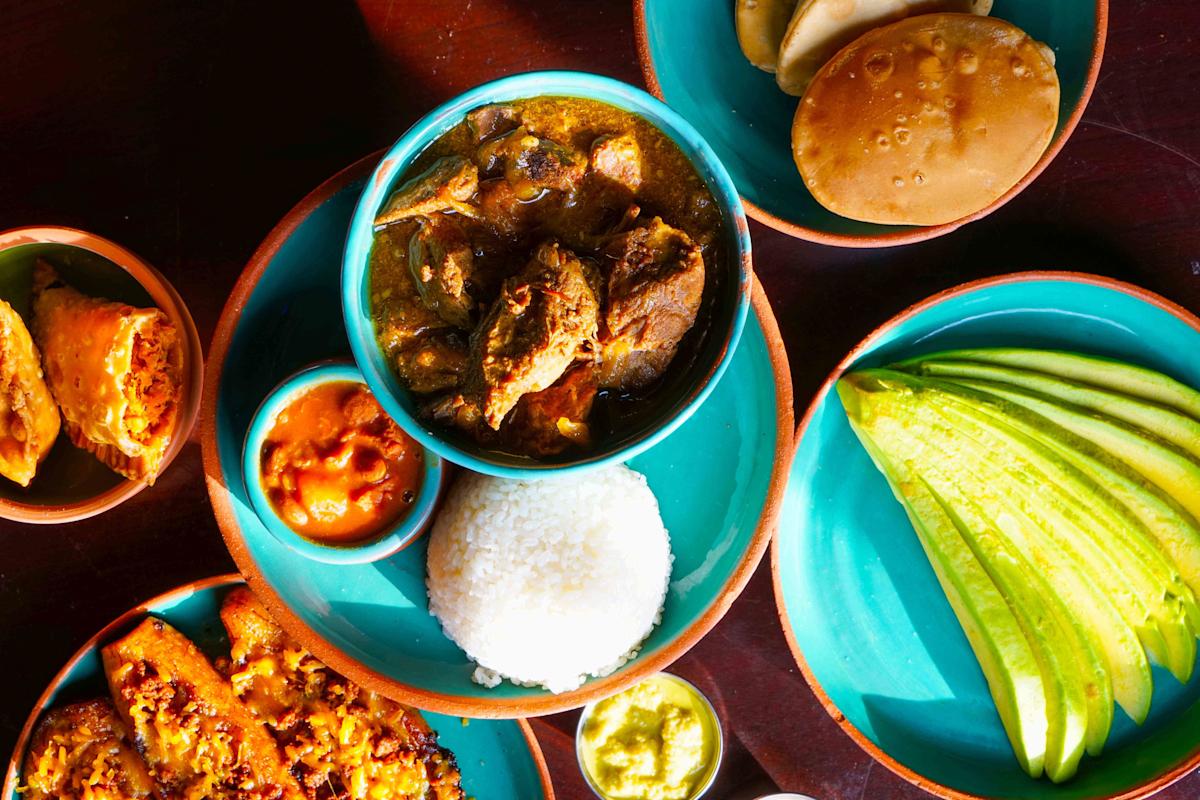
Food is an important part of daily life in Puerto Rico, but it is rarely formal or complicated. Meals tend to be practical, flavorful and rooted in local habits rather than presentation. For travelers, understanding how and where people eat helps avoid common disappointments and makes it easier to enjoy meals naturally during the trip.
This guide focuses on what to expect from Puerto Rican food and drink, how dining fits into daily routines, and how to plan meals around sightseeing. If you are still shaping your itinerary, start with the Puerto Rico Travel Guide and then explore Top Destinations in Puerto Rico to see how food culture varies by region.
What defines Puerto Rican cuisine
Puerto Rican cuisine is built around simple ingredients prepared in familiar ways. Rice, beans, plantains, pork, chicken and seafood form the foundation of many meals. Flavors are generally savory rather than spicy, and dishes are designed to be filling and shared rather than experimental.
Meals often reflect everyday routines rather than special occasions. Many local dishes are meant to be eaten at lunch or early dinner, and food culture feels practical and comforting rather than rushed or overly formal.
What meals typically look like
A typical meal in Puerto Rico often includes a main protein served with rice, beans and a simple side rather than multiple small courses. Portions tend to be generous, and meals are designed to be satisfying rather than visually complex. For travelers, this means food is usually filling and practical, especially during busy sightseeing days.
Many everyday meals are built around familiar combinations rather than constant variety. This makes it easy to find something comfortable to eat even if you are not actively seeking new flavors at every meal.
Drinks are usually enjoyed casually and socially rather than as the main focus of dining, especially outside nightlife-oriented areas.
For travelers, this often means meals are straightforward and predictable in structure. Lunch is usually the easiest time to eat well, with many places offering filling plates that work naturally between sightseeing stops. Dinner tends to be simpler and more relaxed, especially outside major city areas, where the focus shifts from variety to comfort and timing.
Daily eating habits and meal timing
Understanding meal timing helps travelers plan their days more smoothly. Lunch is often the main meal, while dinner tends to be lighter and earlier than in some other destinations. In smaller towns, kitchens may close earlier than expected, especially on weekdays.
If food is a priority on your trip, avoid leaving meals until late evening in quieter areas. In larger cities, options stay open longer, but planning ahead still improves the experience.
Local food vs tourist-focused dining
In popular areas, you will find both local-style eateries and places designed primarily for visitors. Local-focused spots usually emphasize hearty portions and familiar flavors, while tourist-oriented restaurants often adapt dishes to broader tastes.
Neither option is inherently better. The key is knowing what you want at that moment: a quick, authentic meal that fits into a busy day, or a slower dining experience as part of the evening plan.
Regional food differences
Food experiences can change depending on where you stay. Urban areas offer more variety and international options, while coastal and rural regions often focus on seafood and traditional cooking styles. Choosing where to eat often depends on how far you are willing to travel and how central food is to your daily plans.
If your trip involves multiple regions, you may notice subtle differences in preparation, portion size and availability. This variety is part of the island’s character rather than a sign of inconsistency.
Drinks and local beverages
Non-alcoholic drinks are simple and refreshing, often built around fruit flavors and hydration rather than sweetness. Alcoholic beverages are present but usually enjoyed casually rather than as a focal point of the meal.
Drinks tend to complement the setting: lighter options during the day and relaxed choices in the evening. If nightlife is part of your plan, review Nightlife in Puerto Rico to see how food and drinks fit into evening routines.
Food planning for short vs longer trips
On short trips, food usually fits around sightseeing rather than driving the schedule. Choosing convenient dining options near your base keeps days flexible. On longer trips, food becomes part of the rhythm, and exploring different neighborhoods or regions feels more natural.
If your itinerary includes multiple beach days or nature-focused outings, plan meals around access and timing. Reviewing Beaches in Puerto Rico can help align food stops with daily routes.
Many travelers find it helpful to keep food decisions flexible rather than planning every meal in advance, especially on days built around beaches or outdoor activities.
Common food-related mistakes
- Expecting late-night dining everywhere: Smaller towns may close earlier than expected.
- Overplanning meals: Food works best when it fits naturally into the day.
- Assuming all menus are similar: Availability and style can vary by region.
- Skipping local routines: Lunch-focused dining often delivers the best experience.
What to read next
Once you understand how food fits into daily life, planning becomes easier. Combine dining with activities in Things to Do in Puerto Rico, then organize evenings using Nightlife in Puerto Rico. For practical planning and timing advice, continue with Travel Tips for Puerto Rico.