
About Puerto Rico
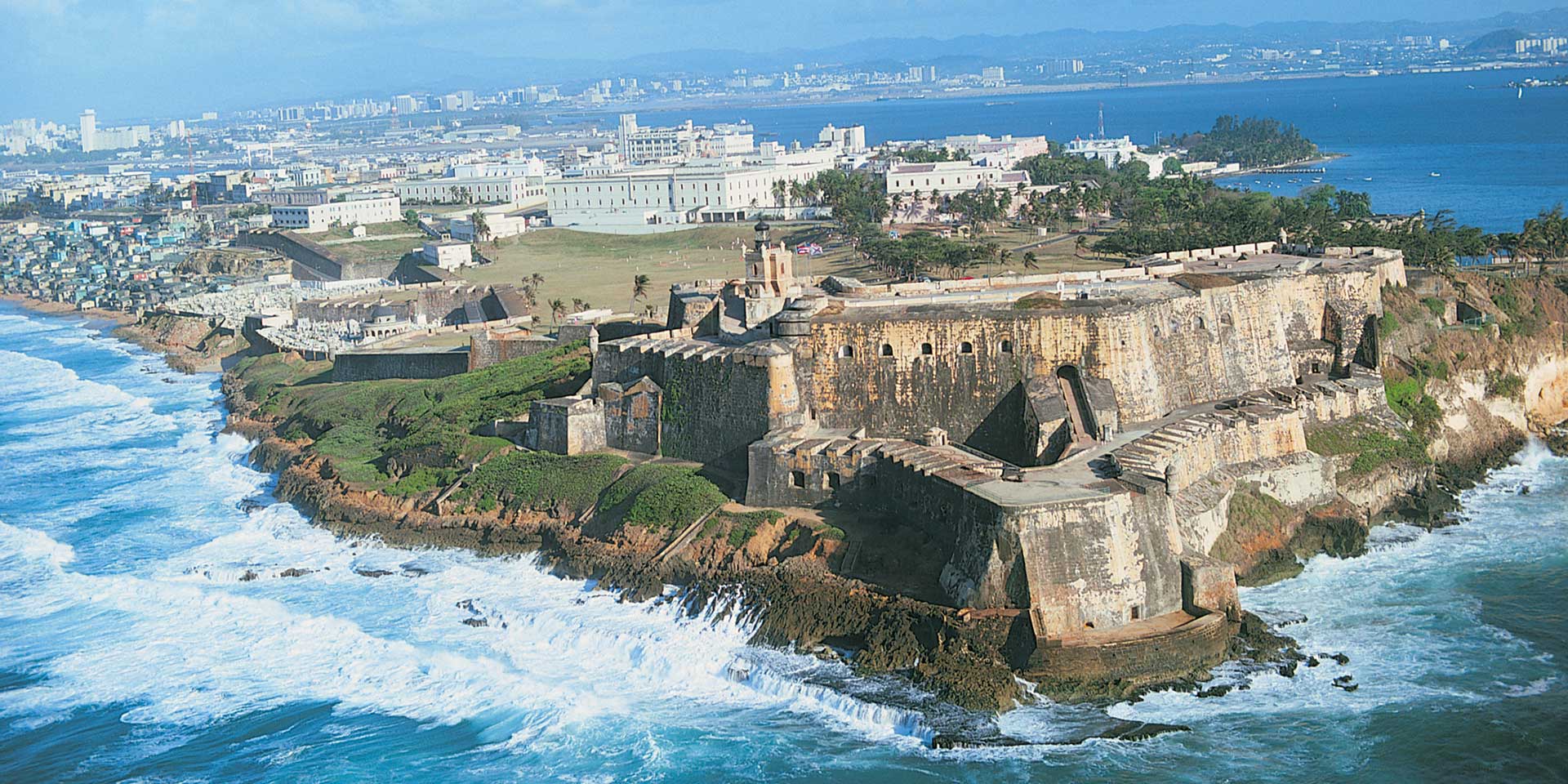
Puerto Rico is one of the Caribbean’s most fascinating destinations because it combines layers of history, vibrant cultural traditions and an island landscape that changes quickly from coastline to hills and rainforest. For travelers, this variety matters: you can spend a morning walking through centuries-old streets, then head to beaches, viewpoints or nature areas without committing to long travel days. This page explains what Puerto Rico is, how the island “fits together,” and why different regions feel so different—so you can plan your trip with a clearer sense of place. If you’re looking for the main hub that links all planning pages, start at the Puerto Rico Travel Guide overview.
What is Puerto Rico?
Puerto Rico is an island in the Caribbean with a strong Latin heritage and a distinct identity shaped by multiple influences. In practice, visitors experience Puerto Rico as a destination where language, food, music and daily rhythms feel Caribbean and Latin, while infrastructure in many areas supports comfortable travel—especially around popular visitor zones. The island’s culture is often described as warm and welcoming, with a proud sense of local tradition. Understanding this cultural confidence helps you travel more respectfully, especially in historic districts and community neighborhoods.
Puerto Rico is not “one vibe.” The atmosphere in a historic, walkable area can feel very different from a beach town or an inland mountain region. That contrast is part of the appeal. If you want help choosing where to spend your time, compare regions and base areas in Puerto Rico Top Destinations, then build your day-by-day plan using Things to Do in Puerto Rico.
Why Puerto Rico feels different from other Caribbean islands
Many Caribbean destinations revolve primarily around resorts and beaches. Puerto Rico offers those coastal highlights, but it also has a strong “city + history + culture” core that anchors the trip. Old fortifications, colonial plazas and a living urban culture add depth beyond the typical island itinerary. At the same time, nature areas and scenic drives make it easy to shift from historic streets to outdoor experiences. If your trip priorities lean heavily toward coastlines, you’ll find detailed planning guidance in Puerto Rico Beaches.
History and cultural roots
Puerto Rico’s history is visible in architecture, place names and daily life. In many neighborhoods you’ll notice Spanish colonial design elements, coastal fortifications and city layouts built around plazas. But culture is not only “historic”—it’s also modern and living, expressed through music, dance, street life and a strong food and drink scene. Travelers often connect most with Puerto Rico when they treat it as more than a quick checklist destination and instead make room for local experiences: a neighborhood meal, a market visit, a music night, or a day trip that includes small cultural stops.
A helpful travel mindset is to approach Puerto Rico as a destination with its own pace and personality. For example, service timing can feel different than in fast-paced cities. Allowing extra time—especially for meals and evening plans—often improves the experience. You’ll find practical, traveler-first habits that make a real difference in Travel Tips for Puerto Rico.
Geography: coastlines, mountains and nature areas
Puerto Rico’s landscape changes quickly. Coastal areas can be sunny and breezy, while inland roads rise into greener hills with cooler air. This variety is one reason short trips can still feel packed with experiences—you’re not limited to one type of scenery. If you plan to move around the island, understanding distances and regional layout helps you avoid exhausting drive days. Use Puerto Rico Map to visualize major areas, travel corridors and the rough time required between regions.
Nature lovers typically appreciate Puerto Rico for day trips that include viewpoints, forest trails and scenic drives. Even if you are mostly beach-focused, adding one inland day can create a more balanced trip. The key is logistics: the same day can feel smooth or stressful depending on transportation. Before committing to a multi-region itinerary, review Transportation in Puerto Rico.
Regions and how to choose where to stay
Choosing the right base is one of the biggest planning decisions. Some travelers prefer staying in a historic, walkable area that makes sightseeing and dining easy without constant driving. Others want to base near beaches for relaxed mornings, ocean views and quick access to water activities. Many first-time visitors do a “split stay”—a few nights in a city-focused area and a few nights closer to the coast—to experience different sides of the island without long daily commutes. For accommodation styles, area guidance and what to expect in different price ranges, see Puerto Rico Hotels.
If you’re deciding between regions and want a traveler-friendly comparison (what each area is best for, how it feels, and who it suits), start with Top Destinations in Puerto Rico. That page is designed to prevent one of the most common mistakes: picking a base that looks good in photos but doesn’t match your daily travel style.
Weather and seasons: what to expect
Puerto Rico generally has a warm, tropical feel, but day-to-day conditions can vary depending on region, rain patterns and wind. This matters for beach time, boat tours, snorkeling and hiking. Instead of guessing, use Puerto Rico Weather to plan what to pack and how to schedule outdoor activities. A simple strategy is to place flexible plans (city walks, museums, markets) on days that might be rainier, while reserving clear-weather windows for beaches or scenic drives.
Language, etiquette and local vibes
Visitors often find Puerto Rico easy to navigate, but basic cultural awareness improves the experience. A friendly greeting, patience in busy areas and respect for local routines go a long way. In historic districts and residential neighborhoods, it’s wise to keep noise and behavior considerate, especially at night. Puerto Rico’s culture values warmth and social connection; travelers who show genuine curiosity and courtesy often receive the same in return.
Food culture is also a key part of local life. Even if you don’t plan your trip around restaurants, you’ll likely create some of your best memories through casual meals and local flavors. For a practical guide to what to try and how food culture works day-to-day, see Food & Drinks in Puerto Rico. For dining ideas organized by area and travel style, use Puerto Rico Restaurants.
Money basics and travel budgeting
Budget expectations shape your itinerary. Some travelers spend most on accommodation and transport, while others prioritize tours, dining and nightlife. A smart approach is to understand the basics—cards, cash access and tipping—then build your daily spending plan based on your trip style. For practical money details, start with Puerto Rico Money, and then use Travel Tips for realistic budgeting and planning shortcuts that reduce stress.
Safety and health: the basics every visitor should know
Puerto Rico is a destination where most travelers have a smooth trip, but like anywhere, smart habits improve safety and comfort. The most important principle is awareness: knowing which areas are busier at night, staying mindful in crowded zones, and planning transport so you’re not improvising late. For practical guidance that stays calm and helpful—covering common safety scenarios, basic health considerations and emergency readiness—read Puerto Rico Safety & Health.
Nightlife, shopping and events: culture after dark
Puerto Rico’s evenings can be a highlight, especially if you enjoy music, bars and late dinners. Some areas feel lively well into the night, while others are quieter and more residential. If you plan to go out, it helps to understand how nightlife varies by area and how to get back to your accommodation safely. Start with Puerto Rico Nightlife.
Shopping can also be part of experiencing local culture—markets, crafts and locally made products often tell you more about a place than typical souvenirs. For what to buy, where to browse and how to avoid low-quality tourist traps, use Shopping in Puerto Rico.
Finally, festivals and seasonal events can change the feel of a trip, influencing crowd levels, pricing and what’s available in the evenings. If your dates are flexible, check Festivals & Events in Puerto Rico before finalizing your itinerary.
How to use this Puerto Rico guide
If you want the fastest route to a well-planned trip, follow this order: Start with the Puerto Rico overview, then read Top Destinations to choose a base. Next, review Transportation to avoid planning mistakes. After that, pick your priority pages: Things to Do for activities, Beaches for coastal planning, Food & Drinks for local flavors, and Hotels when you’re ready to book.
Common mistakes first-time visitors make
- Underestimating travel time: Some routes take longer than they look on a map. Use Puerto Rico Map and plan realistic drive days.
- Choosing a base that doesn’t match your style: A beach-focused traveler and a history-focused traveler may prefer different areas. Compare options in Top Destinations.
- Leaving transportation decisions too late: Last-minute planning can lead to higher costs and more stress. Read Transportation early.
- Overplanning every day: Puerto Rico rewards flexibility—weather, events and local recommendations can change your best plan. Use Weather and keep a buffer day if possible.