
User login
Puerto Rico Money

Managing money in Puerto Rico is straightforward for most travelers, but knowing the basics in advance can save time and avoid small frustrations. This guide explains the currency used on the island, how payments work in everyday situations, where to find ATMs, what tipping looks like, and how to think about daily costs. If you are planning your full itinerary, start with the Puerto Rico Travel Guide overview and then use this page to fine-tune your budget.
What currency is used in Puerto Rico?
Puerto Rico uses the United States Dollar (USD). There is no local currency to exchange, which simplifies budgeting for many visitors. Prices are typically displayed in dollars, and travelers arriving from countries that also use USD will find costs easy to understand at a glance. Even if you normally rely on cards, having a small amount of cash is useful for minor purchases and tips.
Paying with cards: credit and debit
Credit and debit cards are widely accepted across Puerto Rico, especially in cities, hotels, restaurants and popular tourist areas. Contactless payments are common in many places, but it is still smart to carry a physical card as a backup. Before traveling, notify your bank of your trip to avoid declined transactions. If you are staying outside major hubs, cash can be helpful for smaller shops and local services.
If your itinerary includes different regions, payment convenience can vary slightly by area. Use Puerto Rico Map to understand where you will be spending time and plan accordingly.
ATMs and cash access
ATMs are widely available in cities, shopping areas and near banks. Withdrawing cash locally is often easier than carrying large sums from home. Be aware of potential foreign transaction or withdrawal fees, which depend on your bank. A practical strategy is to withdraw moderate amounts as needed rather than relying entirely on cash.
Tipping culture in Puerto Rico
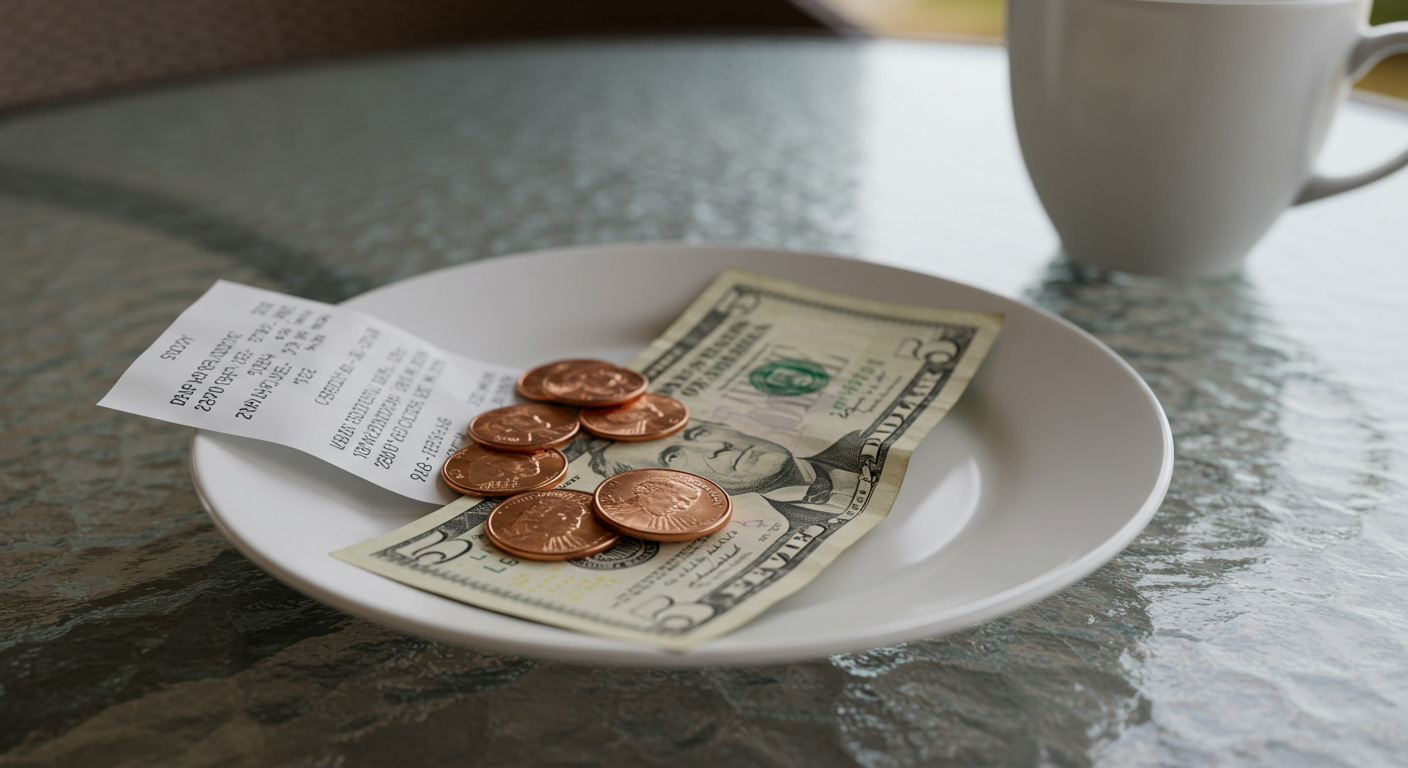
Tipping in Puerto Rico generally follows U.S.-style expectations. In restaurants, tips are commonly expected, especially where table service is provided. Hotel staff, tour guides and drivers may also receive tips depending on the level of service. It is always acceptable to tip based on quality rather than following a rigid rule.
For activity-based experiences and guided tours, tipping norms can vary. If you are unsure what is appropriate, observing local behavior or asking politely is acceptable. When planning tours and activities, reviewing Things to Do in Puerto Rico can give context on typical experiences and expectations.
Daily costs: what travelers usually spend
Daily costs in Puerto Rico depend heavily on travel style, location and season. Accommodation and transportation often represent the largest expenses, while food and local travel vary by choice. Travelers who mix casual dining with occasional sit-down meals often find daily costs manageable, while those prioritizing premium dining or nightlife should budget more generously.
To avoid surprises, it helps to separate fixed costs (accommodation, car rental, major tours) from flexible costs (meals, snacks, local transport). For area-based accommodation expectations, see Puerto Rico Hotels. For dining styles and price ranges, use Puerto Rico Restaurants.
Money and transportation costs
Transportation choices influence your budget more than many travelers expect. Rental cars, fuel, parking and tolls can add up, while rides and taxis vary by distance and time of day. Planning transport before you arrive helps you estimate realistic daily costs. For a clear breakdown of options and cost considerations, read Transportation in Puerto Rico.
Nightlife, shopping and spending patterns
Evening spending often includes dining, drinks and transport. Popular nightlife areas may have higher prices, especially on weekends. Planning your nights out in advance helps control costs and reduces last-minute decisions. For guidance on going out, see Puerto Rico Nightlife.
Shopping can range from local crafts to international brands. Prices and value vary widely, so it helps to know what is worth buying locally. Practical advice is covered in Shopping in Puerto Rico.
Safety tips related to money
Basic precautions help protect your budget and peace of mind. Avoid carrying large amounts of cash, use ATMs in well-lit areas, and keep cards secure. On arrival days, organize money before heading out so you are not handling cash in crowded places. For broader safety context, including health and emergency readiness, see Puerto Rico Safety & Health.
Common money mistakes travelers make
- Relying on cash only: Cards are widely accepted and often safer for larger payments.
- Ignoring bank fees: Foreign transaction and ATM fees can add up without planning.
- Not budgeting for tips: Tipping is expected in many service situations.
- Mixing fixed and flexible costs: Separating them helps control daily spending.
What to read next
After understanding money basics, finalize how you will move around and where you will stay. Start with Transportation, then review Hotels and Travel Tips to complete your planning.