
Sign in
For Photos4Travel editors and team members.
Puerto Rico · Shopping
Shopping in Puerto Rico: Local Crafts, Coffee and Useful Finds
The most satisfying shopping in Puerto Rico usually starts with a person or a place: a maker explaining a mask, a bag of coffee with a clear origin, or a small piece of art that recalls a street you walked. Allow time to ask questions. A souvenir covered in Puerto Rican symbols is not necessarily made on the island.
On this page · 8 sections ShowHide
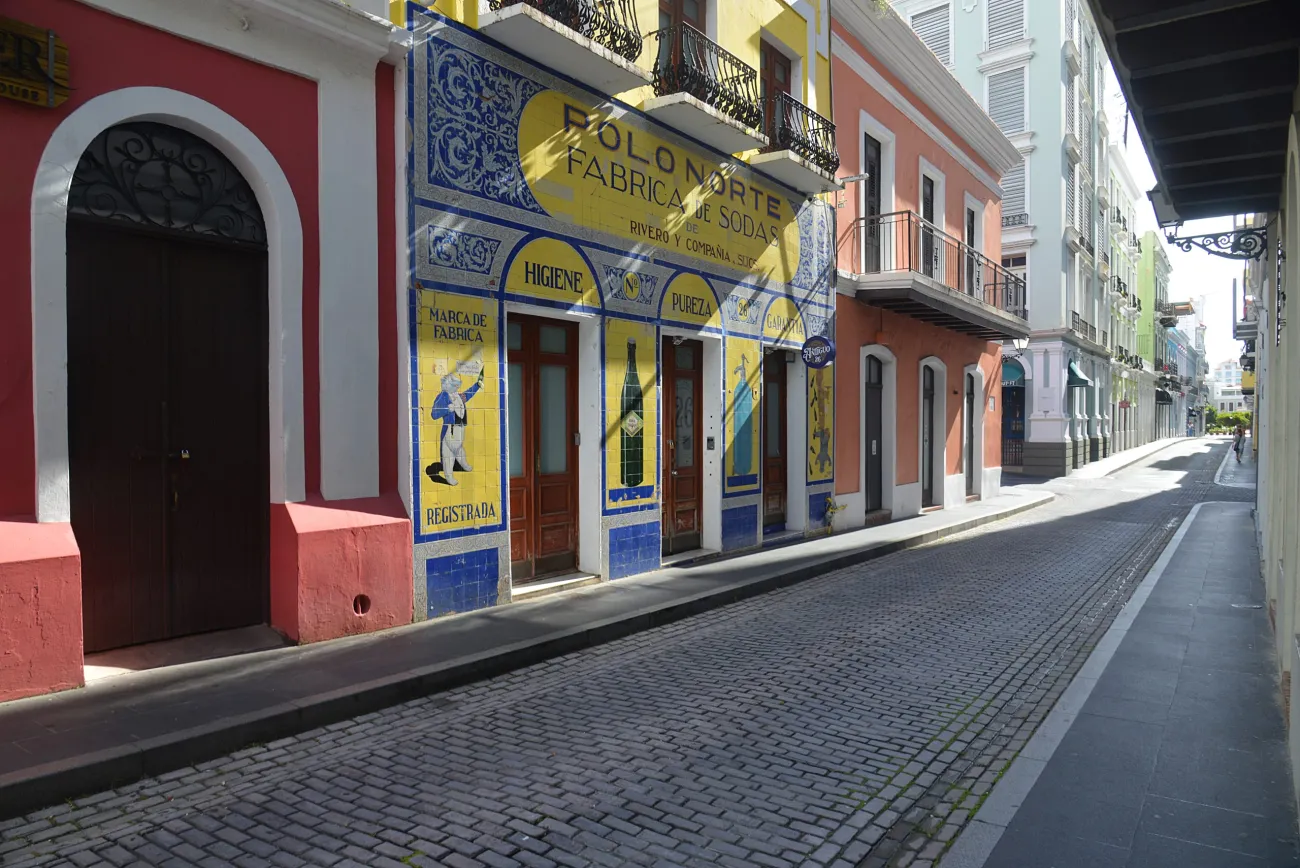
Photo: Polo Norte viejo san juan puerto rico 2021-08-08 08-43-13 1 — G. Edward Johnson · CC BY 4.0 · Resized.

Keep shopping close to the route you already intend to follow. Old San Juan suits a walk between cultural visits; a mall can solve a practical clothing purchase or an indoor afternoon. Neither needs to consume a day of travel unless browsing is one of your main interests.
Decide what kind of shopping day you want
Separate three needs: locally made gifts, ordinary supplies and international-brand shopping. They lead to different places and different questions. If you need sun protection or a replacement cable, find a convenient business near your accommodation. If you want a distinctive handmade piece, set aside time for an artisan or specialist shop while you are staying on the island.
Write down your spending limit and the space left in your luggage before browsing. A fragile object can be worth buying, but packing and transport are part of its cost. For a longer trip, buying bulky items near the end avoids carrying them through island flights, ferries and several room changes.
On smaller screens, swipe or use the arrow keys to see the whole table.
| What you need | Useful starting point | Question before buying |
|---|---|---|
| Craft or artwork | An artisan, specialist shop or announced craft event | Who made it, where and from which materials? |
| Coffee or packaged food | A producer, café or reputable food shop | What is the origin, and can I carry it home? |
| Clothing and brands | Current mall directories | Is the item available and what is the final price? |
| Everyday supplies | A convenient shop near your base | Will the size, plug or product suit the intended use? |
| A large or fragile piece | A seller offering suitable packing or shipping | Who covers breakage, shipping and any return? |
Recognise the craft, then ask about the maker

Photo: Cabezas de vejigantes — Oscar Rohena · CC BY 2.0 · Resized.

Vejigante masks are a useful example of why origin matters. The official guide to local makers distinguishes Loíza's coconut-mask tradition from Ponce's papier-mâché versions. Materials, scale and detail affect how a piece is made, displayed and packed. Ask whether the object is for wearing, decoration or both.
Other possibilities include carved wooden figures, ceramics, textiles, jewellery and prints. Let the seller describe the work in specific terms. A maker's name, materials and process tell you more than a vague “authentic” label. Ask whether the piece was produced locally, whether the artist is represented directly and whether the receipt can identify the work.
Do not expect handmade objects to be interchangeable. Small differences may be part of the process; damage is a separate question. Inspect joins, edges and the finish, and ask how the object should be cared for. If a piece is outside your budget, decline politely. A fixed-price shop or an artisan's table is not automatically a bargaining setting.
Old San Juan: make browsing part of the walk
Old San Juan is a practical place to combine craft browsing with a city visit. Plan a modest street circuit and pause in the shops that match your interests. The official makers guide lists businesses such as Puerto Rican Arts & Crafts and Mi Pequeño San Juan among the area's local-shopping leads. Check the individual shop's current location and hours before making a special journey.
Use Calle Fortaleza as a concrete starting point: Puerto Rican Arts & Crafts at number 204 offers a broad arts-and-crafts selection, while Mi Pequeño San Juan at number 152 is a lead for hand-painted replicas of Old San Juan buildings and doors. The two stops make different browsing choices on the same street. Check their current opening details before a special journey, and still ask who made the particular item you want to buy.
Go inside with a clear question: a small original print, a gift made by a Puerto Rican maker, or an object that will fit safely in hand luggage. That is more useful than asking for whatever is “most traditional.” Compare more than price. The maker, production method, materials, framing and packing can explain a difference between apparently similar items.
Keep bags manageable on uneven streets and leave room for a café stop. If the day also includes a fort, decide whether to shop before or after that visit; carrying a delicate purchase around exposed stone ramps is inconvenient. Save the shop's contact details and keep the receipt separately from the wrapping. The Old San Juan planning section helps pace the wider day.
Look for regional context beyond the capital
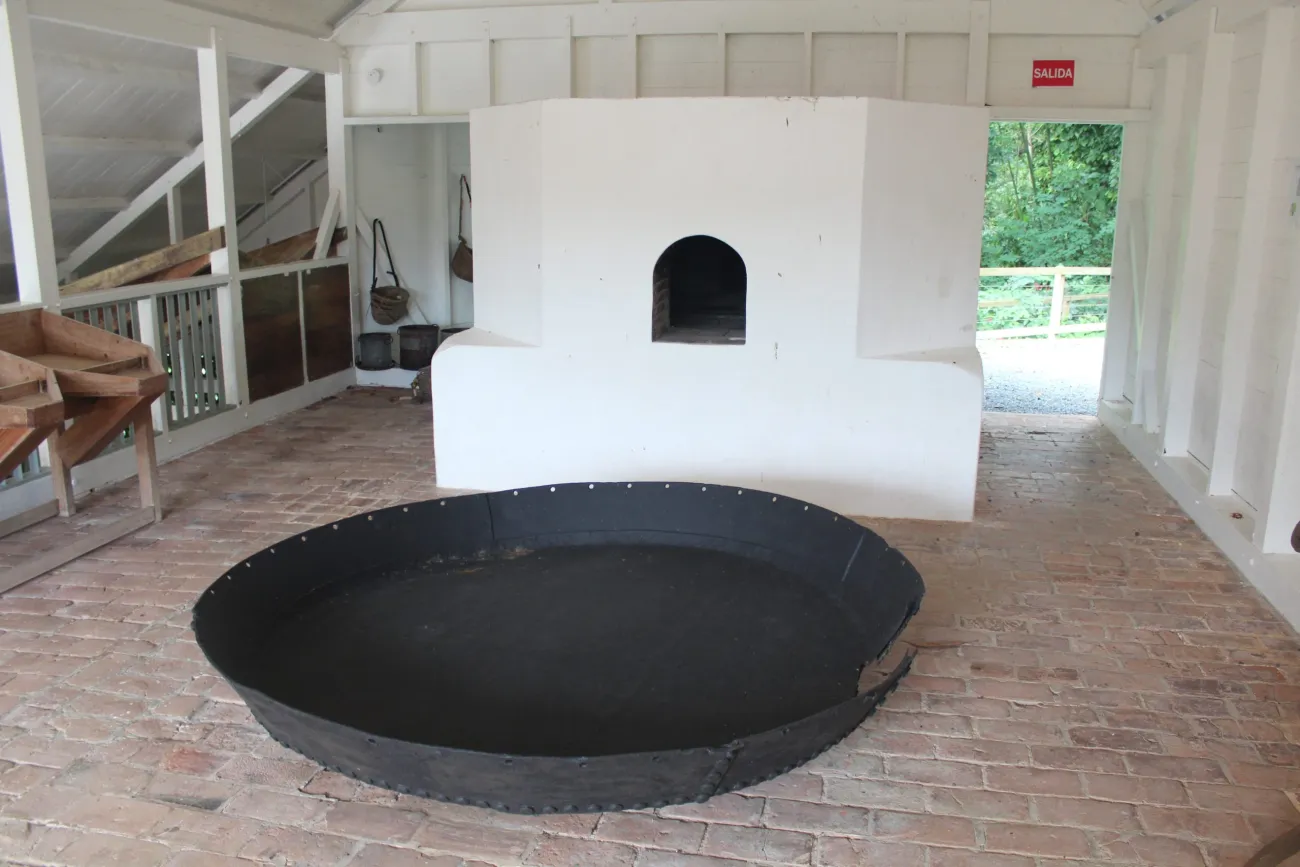
Photo: Hacienda Buena Vista (2) — Ligocsicnarf89 · CC0 1.0 · Resized.

A regional purchase can give you a more direct connection to a place. In Ponce, explore the central streets around a cultural visit and ask about local makers. In a mountain town, coffee and a booked producer visit may be a better fit than a general souvenir search. Festival craft stalls may operate only during the event; check the programme for their dates.
Check that an advertised market is taking place on your date. A town square is not necessarily lined with craft vendors every day, and an old festival photograph does not establish a current stall's opening. If meeting a particular maker matters, contact the business or organiser before driving there.
Small purchases can be easier to enjoy than a bag of generic souvenirs: a print with the artist's name, a carefully wrapped ceramic piece or a producer-labelled food gift. Ask permission before taking close photographs of a stall or workshop. Shopping can support local work without treating the maker as part of a free performance. See festivals and events for date-specific opportunities.
Coffee, sweets and food gifts: read origin and travel rules
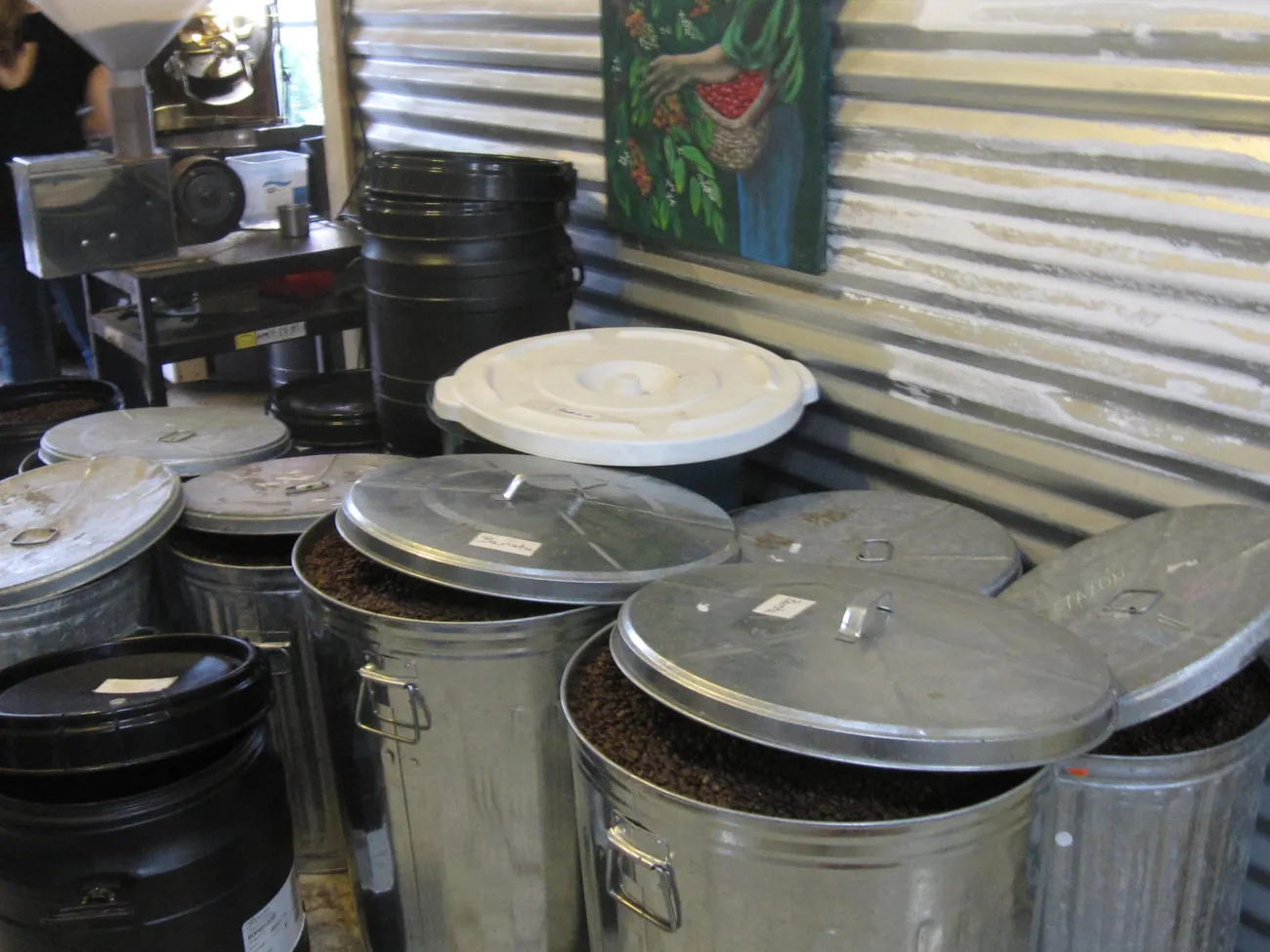
Photo: Coffee Museum, Ciales, Puerto Rico (5) — The Eloquent Peasant · CC BY-SA 4.0 · Resized.

For coffee, distinguish where it was grown from where it was roasted or packaged. Ask about the beans and the roast, and choose a quantity you can use while it is fresh. A café tasting helps you decide whether you actually like a coffee before buying several bags. The coffee section explains how to choose between a café stop and a producer visit.
Packaged sweets are convenient gifts, but check ingredient labels, storage needs and expiry dates. A product that needs refrigeration is a poor choice for a long afternoon in the car. For alcohol, ask the airline about checked-luggage rules and account for the customs rules at your final destination. Do not assume a shop's travel-friendly display settles every part of your journey.
On travel to the U.S. mainland, USDA APHIS has item-specific agricultural restrictions. Food, plants and other agricultural products must be presented to the airport inspector. Read the current rules before purchasing fresh produce, seeds or plant-based souvenirs. Keep original packaging and a clear description where possible.
Malls: use the current directory for a specific purpose
Plaza Las Américas and The Mall of San Juan provide their own current store directories and visitor information. They are different destinations; check which one contains the shop you actually need before requesting a ride. Individual stores and restaurants can keep hours different from the centre's general opening.
A mall can be useful in a longer stay for clothing, equipment or a break indoors. It does not need to become the default answer to every passing rain shower. Compare the time and fare required to reach it with an alternative near your base. For accessibility needs, check the centre's specific facilities and the walking distance to the intended store.
Do not assume international brands cost less in Puerto Rico. Compare the exact item, size, warranty and final checkout total. An apparent saving can disappear after transport, baggage or an inconvenient return. If the purchase needs a particular model or size, ask the retailer about stock before travelling across the city.
Pay clearly and get the item home safely
Read the complete price, including any applicable taxes or charges, before paying. A card receipt and an itemised receipt serve different purposes; keep both when relevant. Ask about returns and exchanges, particularly for custom work, sale items and purchases that will leave Puerto Rico. A personalised handmade object may have very different terms from a standard retail product.
For shipping, obtain the destination, packing method, tracking arrangement and responsibility for damage in writing. Check whether the artist or shop will ship directly or merely prepare the parcel for a courier. For carrying an item yourself, measure it after packing and compare those dimensions with the carrier's baggage limits.
Keep valuables secure while browsing and avoid leaving shopping bags visible in a parked car. Make your final purchases early enough to sort out packing before departure morning. The money guide covers payment planning, and the airport guide helps you leave time for the departure process.
Shopping in Puerto Rico: questions
How can I tell whether a souvenir was made locally?
Ask who made it, where it was produced and what materials were used. Look for a named maker and a receipt identifying the piece. Puerto Rican symbols on a product do not establish its origin.
Where should I start for crafts in San Juan?
Old San Juan is a useful starting area. Use the official local-makers guide to identify specialist shops, then confirm their individual locations and hours before making a special trip.
Are malls a good place for ordinary supplies?
They can be, particularly for a specific shop or clothing purchase. Check the live directory and stock first; a convenient business near your accommodation may save an unnecessary journey.
Can I take every food souvenir to the mainland?
No. Agricultural restrictions are item-specific. Read the current USDA APHIS guidance and present food, plants and agricultural products for inspection before departure.