
Sign in
For Photos4Travel editors and team members.
Jamaica · Travel Costs & Money
Jamaica Travel Costs and Money: Build a Realistic Budget
Jamaica travel costs depend on three decisions more than on a single daily number: where you stay, what the rate includes and how often you move. A cheaper room can become an expensive base if every meal and excursion needs a private transfer. A higher all-inclusive price can make sense when you actually use the included meals and activities.
The examples below are transparent planning models, not live prices or bookable offers. Replace their inputs with quotes for your dates and party. Prices labelled US$ are United States dollars; J$ and JMD mean Jamaican dollars. Do not treat a bare dollar sign as enough information to pay.
What currency does Jamaica use?
Jamaica's currency is the Jamaican dollar, abbreviated JMD and commonly shown as J$. It is different from the US dollar. Some tourism businesses quote or accept US dollars, but that does not establish the rate used, the currency of any change or the payment methods at a smaller business. Ask before ordering or agreeing a taxi fare.
For cash transactions, use current Jamaican notes. The Bank of Jamaica says the old cotton banknotes ceased to be legal tender on 1 July 2025; the replacement polymer notes and current coins are used for purchases. Old cotton notes can still be redeemed at the central bank, which is different from being accepted in a shop.
Look up the current exchange rate when you need it. The bank's eGATE service publishes weighted market buying and selling rates, while individual authorised dealers set their own rates. A reference rate is not a promise of the cash or card rate available to you. Compare the final amount after fees rather than converting a holiday budget with an undated figure.
Three daily models, with the assumptions visible
These models assume two adults sharing one room. Accommodation is the per-person half of an assumed room total, already intended to include compulsory accommodation charges. Meals, ordinary local movement and an activity allowance are per adult. International flights, insurance, airport transfers, intercity moves, major shopping and unexpected medical costs are excluded from the daily table.
The room inputs are hypothetical US$80, US$170 and US$440 per room per night. They are not claims that a suitable room is available at those rates. The resort model assumes most meals are included in its room package and keeps a smaller allowance for extra food or drinks outside it. If your package differs, change the model rather than treating the total as a target the island must meet.
Swipe or scroll sideways to compare the full table.
| Cost input | Independent value model | More comfortable independent model | All-inclusive resort model |
|---|---|---|---|
| Accommodation share | US$40 | US$85 | US$220 |
| Meals and drinks outside any inclusion | US$25 | US$40 | US$10 |
| Ordinary local transport allowance | US$15 | US$30 | US$20 |
| Paid-activity allowance, averaged across days | US$10 | US$25 | US$35 |
| Model total | US$90 | US$180 | US$285 |
| Main assumption | Simple shared room and few paid outings | A higher room input and more transport | US$440 room package for two adults; most meals included |
A seven-night example, without hiding the airport transfer
A seven-night holiday normally touches eight calendar days. The totals below therefore use seven accommodation nights and eight full allowances for the other daily categories, plus a separate round-trip airport-transfer input. This deliberately leaves spending room on arrival and departure days; reduce those allowances only if your flights and package make that realistic.
The airport inputs are also hypothetical per-person amounts: US$60 for the first model, US$90 for the second and zero for the resort example only because that model assumes a confirmed included transfer. Add a reserve equal to fifteen per cent of the model subtotal, rounded up to the next whole dollar. Flights, insurance and intercity journeys remain additional. These are calculations to adapt, not quotes or measured average visitor spending.
Swipe or scroll sideways to compare the full table.
| Input | Independent value | Comfortable independent | Resort with included airport transfer |
|---|---|---|---|
| Seven accommodation nights | US$280 | US$595 | US$1,540 |
| Eight days of meals, local transport and activity allowances | US$400 | US$760 | US$520 |
| Assumed round-trip airport transfer | US$60 | US$90 | US$0 |
| Model subtotal | US$740 | US$1,445 | US$2,060 |
| 15% reserve, rounded up | US$111 | US$217 | US$309 |
| Model total before flights, insurance and intercity travel | US$851 | US$1,662 | US$2,369 |
Compare rooms on the same basis
Start with the complete stay total for the same dates, occupants and currency. Check taxes, service charges, compulsory fees, deposits and cancellation terms. A per-person resort price, a nightly room price and a whole-villa price are different units. The lowest number on a search screen is not necessarily the lowest total for your party.
Then add the costs created by the address. A guesthouse with a useful kitchen and a practical grocery run may support a longer stay well. A remote room that needs taxis for every meal may not. An all-inclusive plan needs fewer outside-meal inputs, but do not count a free restaurant meal on a day when you plan to be away from the property.
Recovery also affects the value question. Ask what is actually operating and whether work may affect the stay. A discounted non-refundable room is not automatically good value if the service you most wanted is unavailable. The where-to-stay guide helps connect each area and accommodation type to a workable daily routine.
Price the full journey, including the final short leg
Separate airport transfers, intercity moves and ordinary local journeys. For a private vehicle, establish whether the quote is per person or for the whole vehicle, and whether waiting time, luggage, tolls, stops and child seats are included. A driver's agreed full-day price is not interchangeable with a one-way transfer.
Scheduled coach travel can be useful when a route and timetable fit, but include transport between your hotel and the actual coach office at both ends. Knutsford Express says pickup and drop-off points are its office locations; a coach ticket does not automatically deliver you to a beach hotel. Check its current fare table and schedule rather than using an old route price.
Keep luggage rules in the comparison. The operator currently allows one checked piece within its weight limit and a carry-on, with charges for additional bags. A group may find a private transfer competitive once all connecting taxis and baggage are included, but calculate that from actual quotes. Choosing fewer bases is often the largest transport saving, because it removes whole journeys rather than trimming small daily purchases.
Leave room for the meals and visits you care about
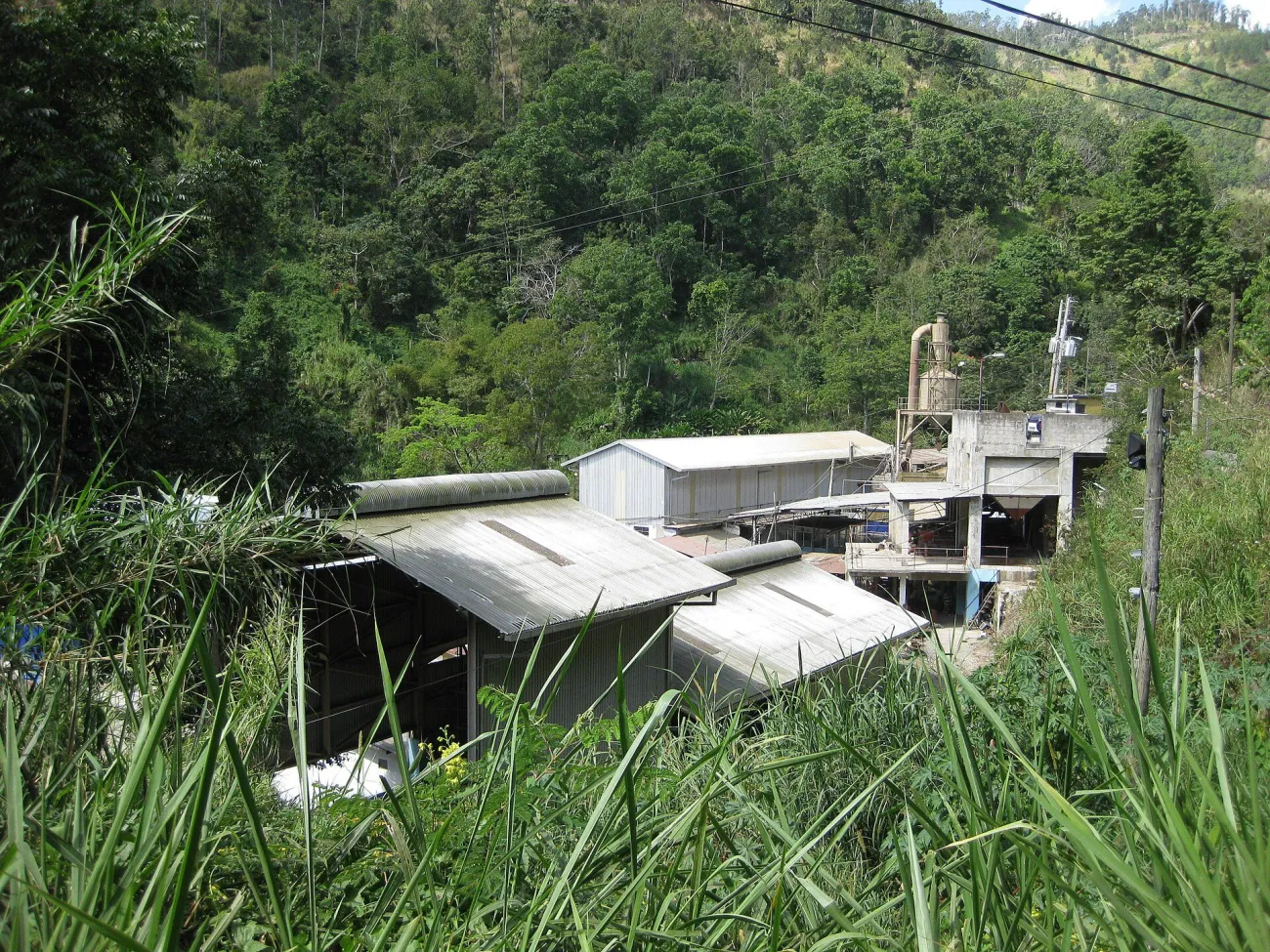
Photo: Elizabeth B. Thomsen · CC BY-SA 4.0 · Resized.

Mixing simple meals with a few deliberate restaurant visits is easier to budget than assuming every day will cost the same. Ask whether menu prices include charges and whether you are reading Jamaican or US dollars. For a beach club that prohibits outside food, a picnic budget is not a usable substitute for the available lunch options.
Published attraction prices can help test an allowance, provided you retain the unit and date. On 19 November 2026, Frenchman's Cove's rules display J$2,500 adult day entry by card or prepayment, versus J$2,750 cash; food and daybeds are separate. The operator's availability and rules still apply, and the figures are not transport-inclusive excursion prices.
Likewise, the Bob Marley home-tour page displays an adult price of $25, with age bands for children; confirm currency and the complete booking amount before purchase. River rides may be sold per raft, while a transfer package may be sold per traveler. Compare identical inclusions and leave space for the specific outing you would regret missing.
A coffee-related outing also has separate costs: the journey, any confirmed visit or tasting, and the coffee you choose to buy. Establish each part of the offer before paying. Ask whether visitors need a reservation and whether transport, a tasting or any purchases are included in the quoted price.
Use a small practical cash reserve and check payment terms
The tourist board identifies licensed cambios and commercial banks in resort areas and notes that many ATMs accept international cards. Your own bank's fees and access rules still apply. Check card compatibility and notify your provider if its process requires it, while keeping a second practical payment method separate.
Carry enough suitable cash for planned small purchases and any provider that has confirmed cash-only payment, rather than a large holiday sum in one place. Keep notes in useful denominations and establish the currency before paying. If a business accepts US dollars, ask about its exchange calculation and the currency of the change.
Read a card or ATM currency-conversion offer before accepting it. Compare the stated rate and fees with your card provider's terms; an amount presented in your home currency is not automatically the better deal. Save booking confirmations and receipts for deposits, transfers and larger activities so the agreed inclusions remain clear.
Longer stays: build a monthly routine, not just a lower nightly rate
For a stay of several weeks, accommodation becomes one part of a functioning household budget. Ask whether electricity, water, internet, cooking gas, cleaning and laundry are included. Clarify air-conditioning use, deposit deductions, maintenance responsibility, the permitted occupants and the cancellation or early-departure terms. A monthly figure without those details is not a complete offer.
Test the location through ordinary needs: where you buy groceries, how you return after dinner, where laundry is done and what a normal week's transport will cost. Check the actual connection if you need to work online; a property advertises Wi-Fi without promising the reliability your job requires. Avoid signing a long non-refundable arrangement solely because a beach photograph looks peaceful.
A transparent monthly model is more useful than an unsupported claim about the island's cost of living. For one adult, imagine a quoted furnished rent of US$1,200, utilities of US$150, groceries and household supplies of US$350, local transport of US$200 and other routine spending of US$100. Those chosen inputs total US$2,000 before insurance, leisure travel, deposits and a reserve. They are a calculator example, not a market rent survey or a promise of an available apartment.
Change that model for the party and place. Two adults sharing may split rent, but not halve food or every transfer. A car adds rental, cover, fuel and parking; a remote villa may add staff or shopping costs. Check permitted stay and work conditions separately in the visa and entry guide. A low monthly accommodation price does not itself authorise a longer stay or remote work.
Save by changing the plan before trimming the experience
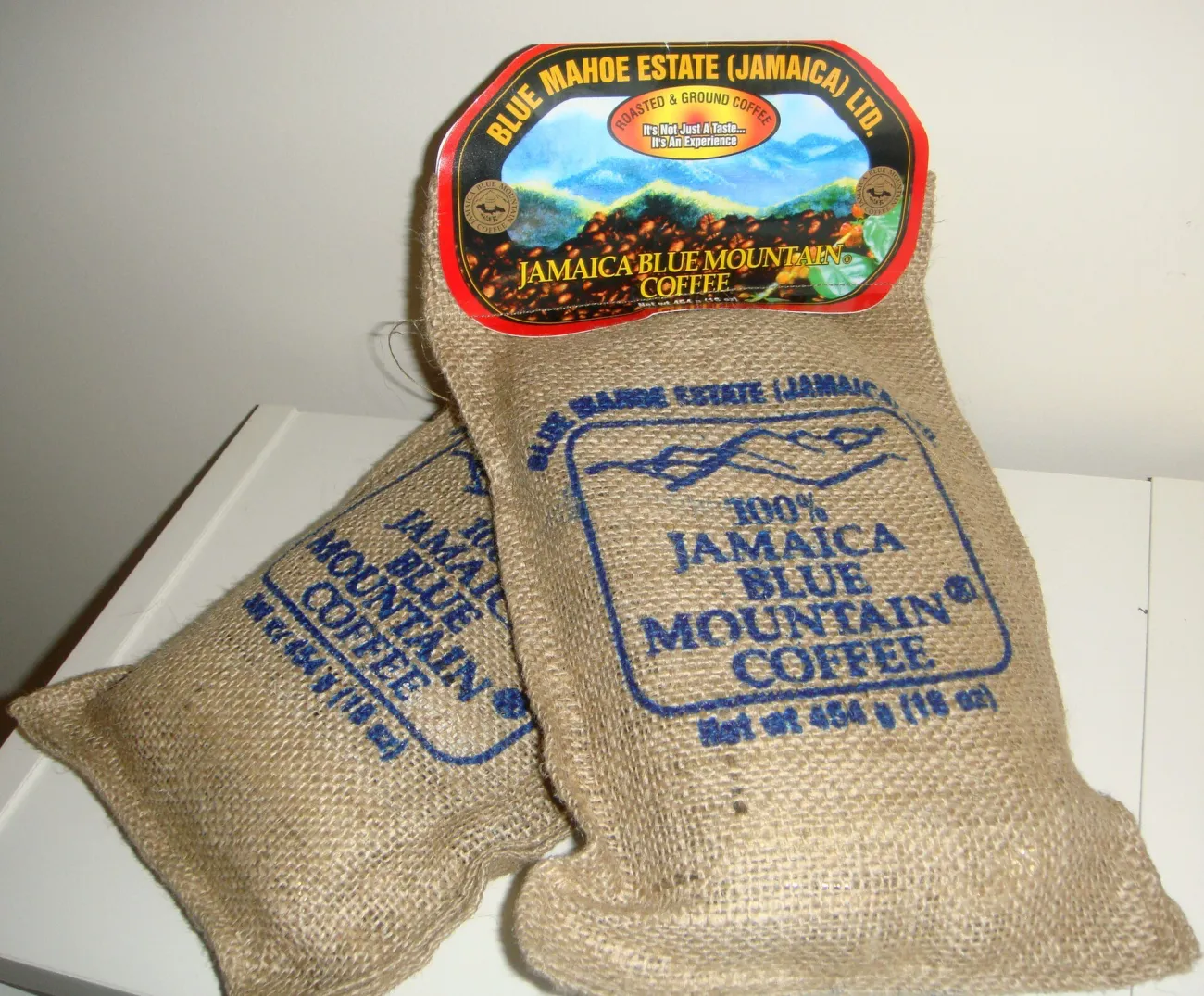
Photo: Jamaica Blue Mountain Coffee 9494 — Mariordo Mario Roberto Duran Ortiz · CC BY-SA 3.0 · Resized.

Spend first on a sensible base, a reliable arrival and the experience that gives the trip its purpose. Remove an unnecessary hotel move before sacrificing every local meal or cultural visit. A flexible booking may be worth more than a small saving on a room that cannot be changed if access or services are disrupted.
Before departure, replace every model number with your own confirmed input and keep excluded costs visible. Allow a reserve you can actually access, without treating it as permission to spend the final available funds. The resulting budget should describe your holiday: its dates, people, nights, journeys and priorities, rather than a generic claim that Jamaica is cheap or expensive.
For coffee gifts, compare the weight, stated origin and composition of the bag as well as the price. Set a souvenir allowance separately from meals and activities; buying a larger package is only a saving if you want it and can carry it. The shopping guide explains the label and packing checks.
Travel Costs & Money questions
What money should I take to Jamaica?
The local currency is the Jamaican dollar, JMD or J$. Confirm each business's payment methods and currency. Keep a practical amount of current local cash and a suitable card rather than assuming US dollars work everywhere on the same terms.
How much does a week in Jamaica cost?
The transparent models here give US$851, US$1,662 and US$2,369 per adult for seven shared-room nights and eight spending days, with the specified hypothetical transfers and reserve. Flights, insurance and intercity moves are additional. These are calculations, not offers or market averages.
Are older Jamaican paper banknotes still valid in shops?
The Bank of Jamaica says the old cotton-note series ceased to be legal tender on 1 July 2025. Current polymer notes are used for purchases; central-bank redemption of older notes is a separate matter.
Is an all-inclusive resort cheaper than a small hotel?
Only a full comparison can answer that for your trip. Match dates and occupants, then add the meals, transport and activities you will actually use outside each package.
Does a monthly rental make a longer stay automatically affordable?
No. Add utilities, groceries, local transport, laundry, insurance, deposits and leisure costs. Confirm the accommodation terms and your permitted stay or work conditions separately.
Last updated: