
Sustainable Tourism in Jamaica
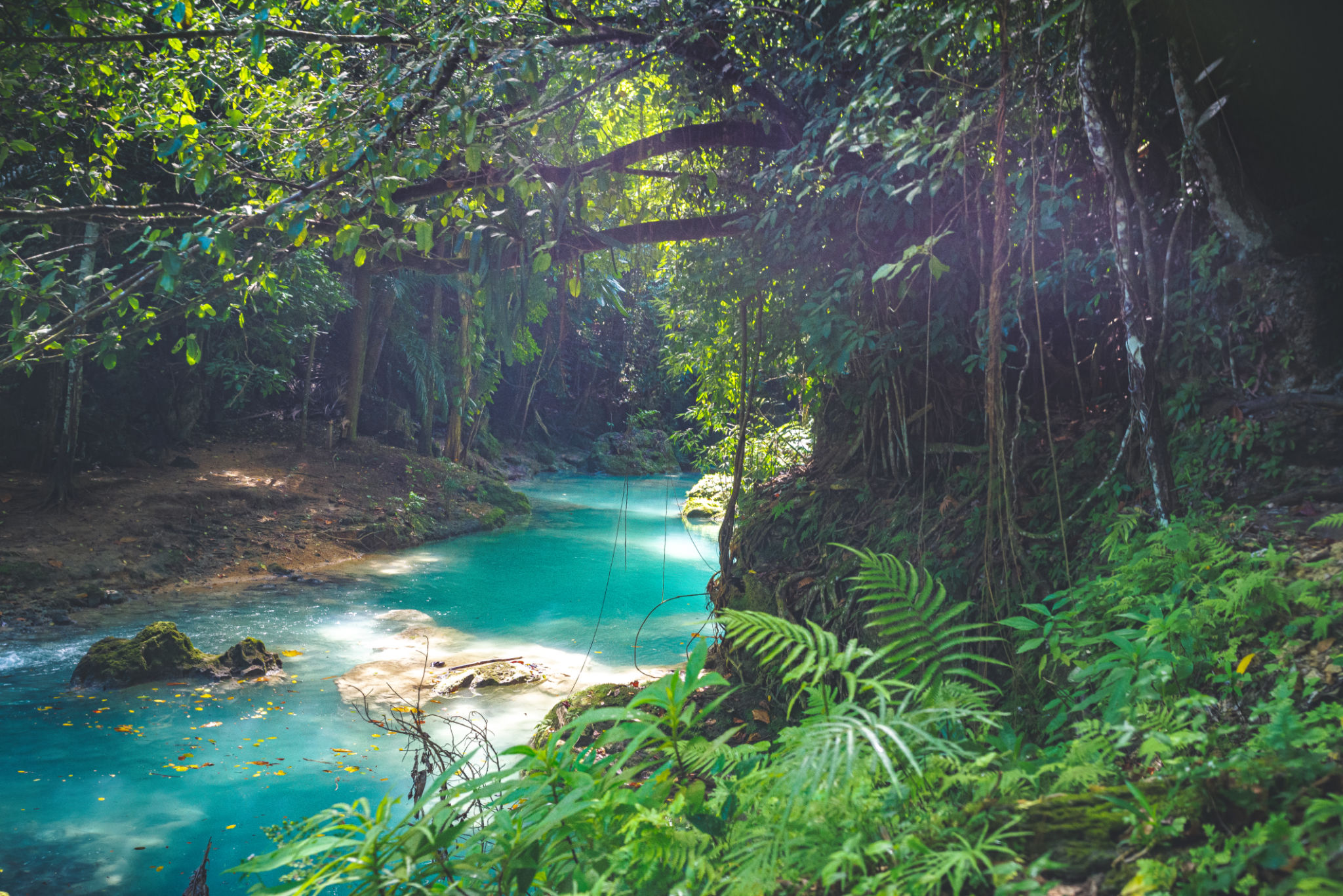
Sustainable tourism in Jamaica is not about giving up comfort or limiting experiences. It is about making thoughtful choices that protect natural landscapes, respect local communities, and ensure that tourism continues to benefit the island long term. From beaches and forests to food culture and everyday interactions, small decisions can make a meaningful difference.
This page explains what sustainable tourism means in the Jamaican context, why it matters, and how travelers can apply responsible practices without complicating their trip. For general planning, start with the Jamaica Travel Guide.
Why Sustainable Tourism Matters in Jamaica
Jamaica’s economy relies heavily on tourism, but its natural resources and community structures are sensitive. Coastlines, coral reefs, rivers, and rural areas can be affected by overuse, pollution, and poorly managed development. At the same time, local communities benefit most when tourism spending reaches small businesses and local services.
Sustainable tourism helps balance these factors. It supports environmental protection while encouraging cultural exchange and economic inclusion, ensuring that tourism growth does not come at the expense of Jamaica’s identity.
Respecting Jamaica’s Natural Environment
Jamaica’s landscapes are diverse, ranging from beaches and coral reefs to mountains and rainforests. Protecting these environments begins with awareness and simple habits.
- Use reef-safe sunscreen when swimming or snorkeling.
- Avoid touching coral, wildlife, or fragile vegetation.
- Dispose of waste responsibly and reduce single-use plastics.
- Stick to marked paths when exploring natural areas.
Travelers spending time on the coast can combine this page with Jamaica Beaches to better understand access rules and environmental sensitivity.
Supporting Local Communities Through Travel Choices
One of the most impactful ways to practice sustainable tourism in Jamaica is by supporting local communities directly. This includes choosing locally owned accommodation, eating at neighborhood restaurants, and shopping from independent vendors and artisans.
Spending money locally helps circulate income within communities rather than concentrating it in a few large operations. This approach also leads to more meaningful travel experiences through genuine interaction.
For ideas on local products and everyday shopping, see Shopping in Jamaica.
Sustainable Accommodation Options
Sustainability in accommodation does not always mean eco-lodges or remote stays. Many hotels and guesthouses in Jamaica adopt responsible practices such as energy conservation, water management, and waste reduction.
When choosing where to stay, travelers can look for properties that:
- Employ local staff and support community initiatives.
- Use energy-efficient systems or renewable energy sources.
- Encourage towel and linen reuse.
- Limit unnecessary plastic use.
A comparison of different lodging styles is available on Accommodation in Jamaica.
Responsible Beach and Marine Tourism
Beaches are central to Jamaica’s appeal, but they are also among the most vulnerable environments. Responsible behavior helps maintain water quality, wildlife habitats, and public access.
Travelers should avoid littering, respect managed access areas, and follow local guidance on swimming and marine activities. For travelers who want a clearer overview of beach types and locations, see Jamaica Beaches by Name & Type.
Food, Culture, and Sustainable Consumption
Jamaican cuisine is deeply connected to local agriculture, fishing, and cultural traditions. Eating locally sourced food supports farmers, fishers, and small-scale producers.
Sustainable food choices include:
- Trying seasonal dishes and local specialties.
- Eating at small, locally owned restaurants.
- Being mindful of food waste.
To explore Jamaican food culture in more detail, visit Food & Drinks in Jamaica.
Transportation and Environmental Impact
Transportation is one of the largest contributors to environmental impact during travel. While flying is unavoidable for most visitors, choices on the ground can still reduce overall impact.
Travelers can:
- Limit unnecessary long-distance transfers.
- Combine activities by region rather than crossing the island repeatedly.
- Use shared transport or group transfers when practical.
Understanding realistic travel times also helps avoid rushed itineraries. The Transportation Guide for Jamaica provides practical advice for planning routes efficiently.
Responsible Interaction With Culture and People
Cultural respect is a core part of sustainable tourism. Simple actions such as asking before taking photos, respecting local customs, and using polite communication build positive interactions.
Visitors are encouraged to approach cultural experiences with openness rather than expectation. This mindset leads to more authentic connections and mutual respect.
Safety and Sustainability Go Hand in Hand
Responsible travel also includes personal safety and awareness. Knowing where you are, understanding local norms, and avoiding risky behavior contribute to a safer experience for both travelers and communities.
Practical safety guidance is covered in Is Jamaica Safe for Tourists?.
How to Build a Sustainable Jamaica Itinerary
A sustainable itinerary balances activity with rest and minimizes unnecessary movement. Instead of trying to see everything, many travelers choose a few regions and explore them more deeply.
Combining cultural experiences, nature, and relaxed beach time leads to a more rewarding and less exhausting trip. For inspiration, see Things to Do in Jamaica.
Sustainable Tourism in Jamaica – Summary
Sustainable tourism in Jamaica is about conscious travel rather than restriction. By respecting natural environments, supporting local communities, and planning thoughtfully, travelers can enjoy richer experiences while helping preserve the island’s character. Small choices—made consistently—have lasting impact.