
User login
Map of Jamaica
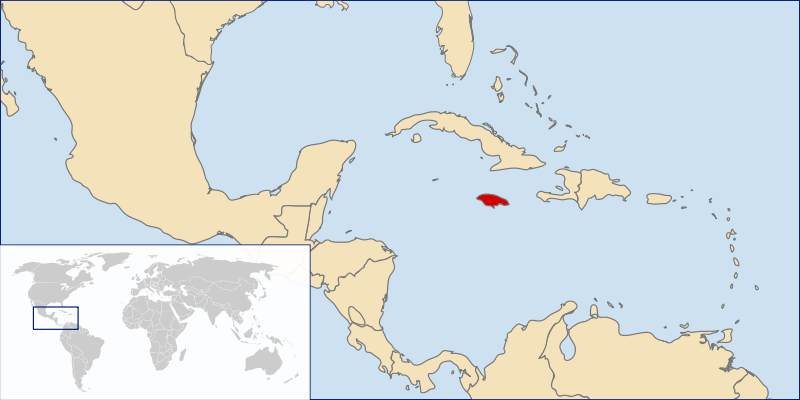
Location of Jamaica
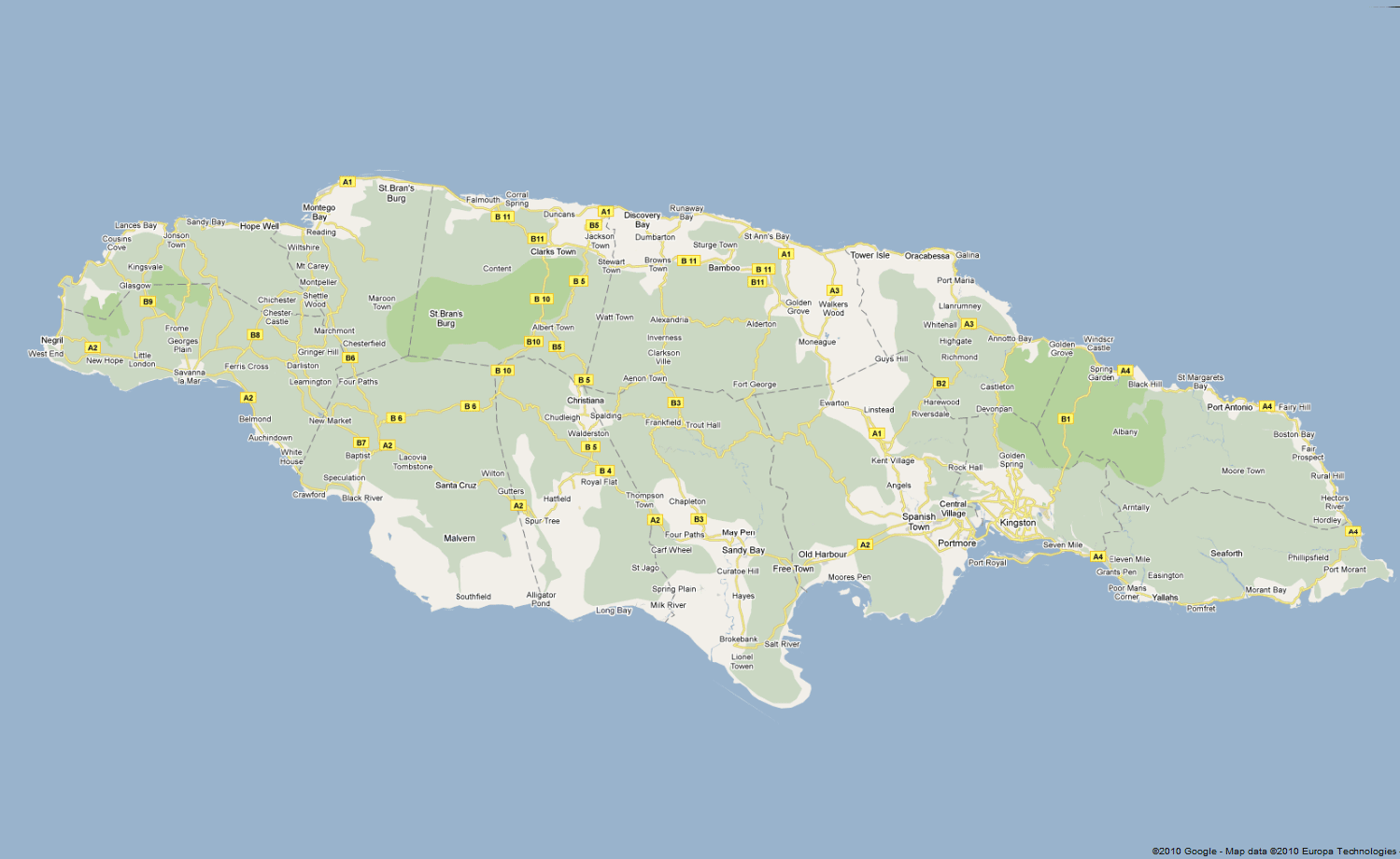
Map of Jamaica
This Map of Jamaica page is designed to help travelers understand the island’s layout before choosing where to stay, how to move around and which regions match their travel style. Rather than listing attractions or activities, this page focuses on orientation: how Jamaica is structured geographically, where major towns and airports are located, and how distances translate into real travel time. For a broader introduction to how all Jamaica travel content fits together, start with the Jamaica Travel Guide.
How Jamaica Is Laid Out
Jamaica is compact but not flat. The island stretches east to west, with mountains running through parts of the interior and most visitor-focused areas located along the coast. This geography matters: travel times are influenced more by terrain than by straight-line distance. A short drive on the map can take longer once elevation, curves and traffic are factored in.
When reading a map of Jamaica, it helps to think in zones rather than precise mileage. Coastal routes tend to be faster and easier to navigate, while inland routes can be slower but more scenic. This is why many travelers choose a coastal base and plan limited inland day trips.
Regions and Coastal Orientation
Jamaica is commonly divided into several broad regions that travelers reference when planning accommodation and transport. The north coast is the most visited, thanks to its beaches, resorts and direct access from international airports. The south coast is quieter and less developed for mass tourism, while the eastern side includes mountainous terrain and cooler climates.
Understanding these regional differences helps avoid unrealistic itineraries. A map overview pairs naturally with Top Destinations in Jamaica, which explains what each major area is known for, without repeating geographic basics.
Major Cities and Towns
Jamaica’s capital, Kingston, sits on the southeastern coast and functions as the country’s administrative, cultural and commercial center. Other important urban areas are spread along the coast and serve as gateways for visitors. These towns are not evenly spaced, so checking relative position on a map is more useful than memorizing names alone.
When choosing where to stay, travelers often combine this page with Accommodation in Jamaica to match location with travel goals, beach access and transportation preferences.
Airports and Entry Points
Jamaica has multiple international airports serving different parts of the island. Airport location has a direct impact on transfer times and first-day logistics, especially after long flights. Looking at airport placement on the map helps travelers decide whether to book accommodation nearby or plan an onward transfer.
Terminal details, arrival tips and ground transport options are covered separately in Jamaica Airports, while this page keeps the focus on spatial orientation only.
Road Network and Travel Time Reality
Jamaica’s main road network follows much of the coastline, connecting major towns and resort areas. Inland roads often involve elevation changes, narrower lanes and slower speeds. Because driving is on the left-hand side of the road, travelers unfamiliar with left-hand traffic should factor in extra time.
A map view is essential when deciding whether to rent a car, rely on private transfers or mix transport options. The practical implications of each choice are explained in the Transportation Guide for Jamaica.
Distances vs. Expectations
One of the most common planning mistakes is underestimating travel time. On the map, two destinations may look close, but actual travel can take longer due to terrain, traffic or weather conditions. Using a map early in the planning process helps set realistic expectations and prevents over-packed itineraries.
This is especially useful when combining beach time, city visits and inland excursions. Travelers who start with spatial awareness tend to build smoother itineraries and enjoy more relaxed pacing.
Using the Map to Plan Your Trip
A practical way to use the Map of Jamaica is to answer three questions in order: Where will I arrive? Where will I stay most nights? How far am I willing to travel on a typical day? Once those answers are clear, it becomes easier to choose experiences and plan evenings.
After mapping out distances and bases, many travelers move on to Things to Do in Jamaica and Jamaica Beaches with a much clearer sense of what is realistic.
Summary
The Map of Jamaica serves as an orientation tool rather than an attraction list. It helps travelers visualize regions, understand how terrain affects travel time and make informed decisions about where to stay and how to move around the island. Used early in planning, this page reduces stress, prevents unrealistic schedules and supports smarter travel choices across the rest of the Jamaica guide.