
Food & Drinks in Jamaica
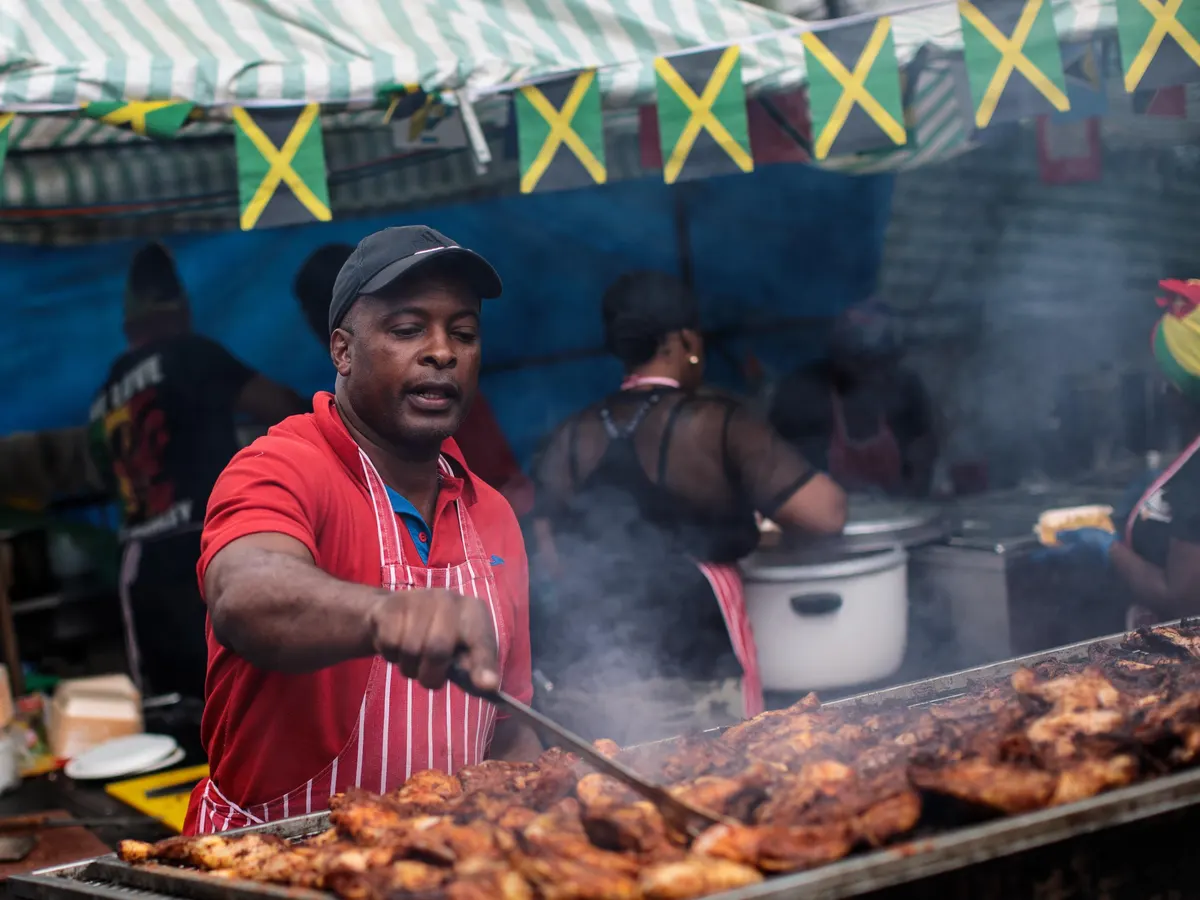
Food & Drinks in Jamaica explores the island’s culinary identity rather than listing specific restaurants or nightlife venues. Jamaican food is closely connected to history, geography and local ingredients, and understanding these basics helps travelers navigate menus, street food and dining customs with confidence. For a broader context on how food fits into the overall travel experience, see the Jamaica Travel Guide.
The Foundations of Jamaican Cuisine
Jamaican cuisine reflects a mix of African heritage, indigenous traditions and colonial influences. Cooking methods emphasize slow preparation, open-fire grilling and bold seasoning. Spices and herbs play a central role, often balancing heat with sweetness and acidity.
Geography shapes food culture as well. Coastal areas feature more seafood-based dishes, while inland regions rely heavily on root vegetables, grains and preserved foods. This regional variation is easier to understand when paired with the Map of Jamaica.
Signature Flavors and Ingredients
Jamaican food is known for its distinctive flavor profile. Allspice, thyme, scallions, ginger and hot peppers are widely used, creating dishes that are aromatic and layered rather than simply spicy.
Heat levels can vary significantly. Travelers sensitive to spice should ask about pepper content before ordering, especially when eating local or home-style food. General dining expectations and etiquette tips are discussed in Travel Tips for Jamaica.
Street Food and Everyday Eating
Street food plays an important role in daily Jamaican life. Informal food stalls and small local shops are common, offering quick meals at affordable prices. Eating this way provides insight into everyday routines and local preferences.
Hygiene standards vary, so choosing busy vendors with high turnover is usually a good rule of thumb. Travelers new to street food often start slowly and observe local habits before trying unfamiliar dishes. Safety considerations related to food and movement are covered in Is Jamaica Safe for Tourists?.
Restaurants, Resorts and Dining Styles
Dining experiences in Jamaica range from casual local eateries to formal resort restaurants. Resorts typically offer international menus alongside Jamaican-inspired dishes, while independent restaurants may focus more strongly on local flavors.
Accommodation type often influences dining style. Travelers staying at all-inclusive resorts may eat most meals on-site, while those in guesthouses or boutique hotels are more likely to explore nearby dining options. This connection between lodging and dining is discussed further in Accommodation in Jamaica.
Drinks and Local Beverages
Jamaica has a strong beverage culture that includes both alcoholic and non-alcoholic drinks. Tropical fruit juices are widely available, often made fresh and served throughout the day. Coffee from the island’s highlands is internationally recognized and commonly enjoyed locally.
Alcoholic drinks are typically rum-based, reflecting the island’s sugarcane history. Visitors should be mindful of alcohol strength, especially in informal settings, and plan transportation accordingly. Practical movement advice is outlined in the Transportation Guide for Jamaica.
Dietary Needs and Food Sensitivities
Vegetarian and plant-based options are available, particularly in urban areas and tourist centers, but menus may be more limited in rural regions. Travelers with dietary restrictions should communicate clearly and plan ahead when possible.
Awareness of ingredients and preparation methods helps avoid misunderstandings. Climate and seasonal availability can also affect menu options, which links naturally with planning guidance in Jamaica Weather.
Food Culture and Social Etiquette
Food in Jamaica is often a social experience. Meals are commonly shared, and hospitality plays an important role in dining interactions. Taking time to greet people and show appreciation is considered polite.
Travelers who enjoy evenings centered around food and music often explore dining alongside Jamaica Nightlife, while still keeping food and nightlife planning as separate decisions.
Summary
Food & Drinks in Jamaica provides an introduction to the island’s culinary culture, ingredients and dining habits. By understanding how Jamaican food is prepared, served and enjoyed, travelers can make more confident choices and appreciate meals as part of the broader cultural experience.