
Sign in
For Photos4Travel editors and team members.
Cuba · Cuban Food & Drink
Cuban Food & Drink: What to Order and How to Ask
A useful first question is “¿Qué tienen hoy?” Even at a restaurant with a printed menu, the answer may be a short list of dishes the kitchen can prepare that day. Pick the dish and the setting separately: a paladar might suit a long dinner, while coffee and a quick snack can make more sense halfway through a Havana walk.
On this page · 5 sections ShowHide
Ropa vieja, rice and plantains
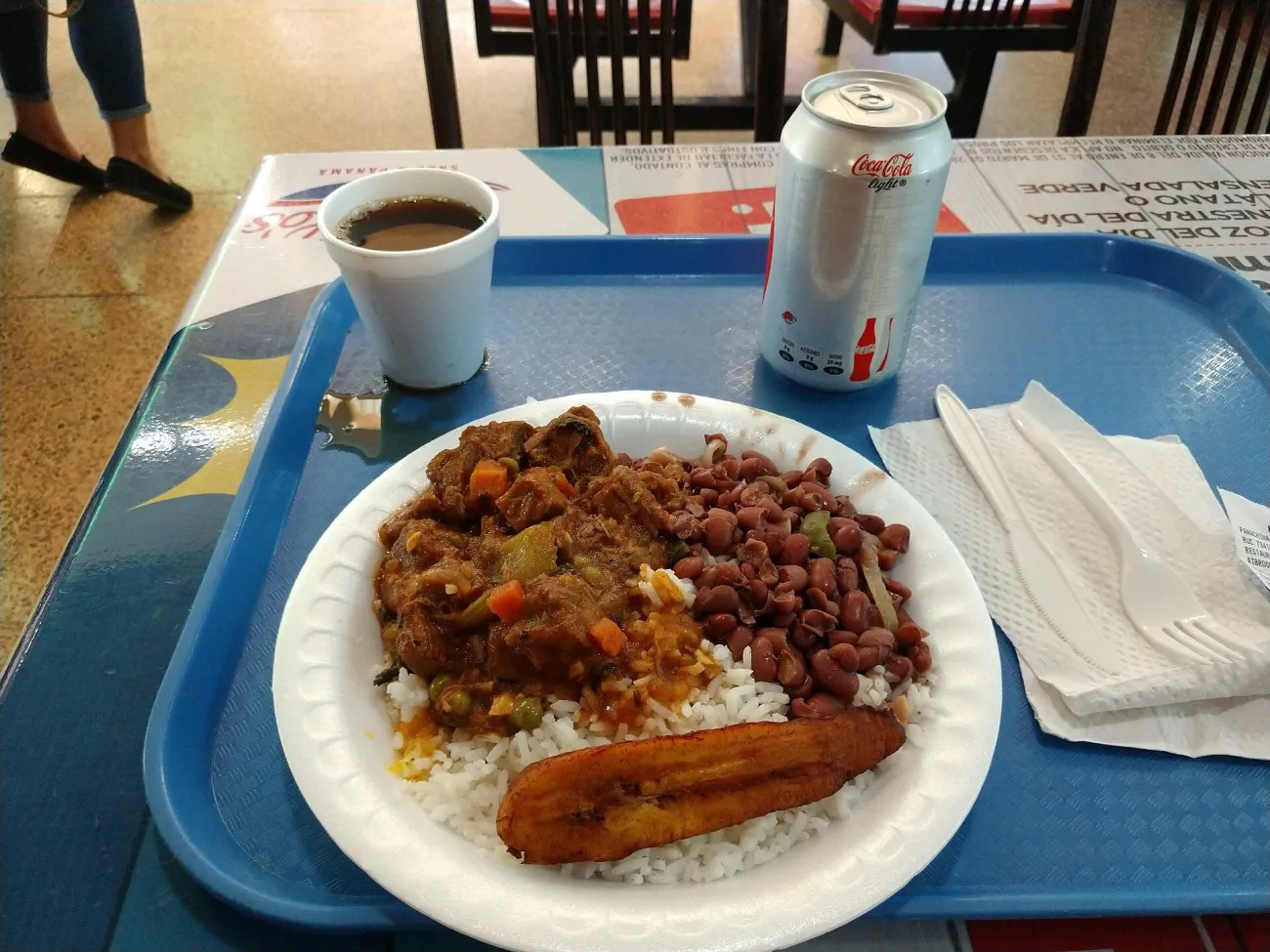

Ropa vieja is shredded beef cooked with a sauce, commonly made with tomatoes, onions and peppers. Ask what comes with it before ordering a second side. Tostones are flattened fried green plantains. Maduros are ripe plantains and taste sweeter. Moros y cristianos generally refers to rice cooked with black beans, but ask whether meat stock or pork has been used if that matters to you.
A short Cuban menu decoder
Swipe or scroll sideways to compare the full table.
| Menu wording | What it usually means | Useful question |
|---|---|---|
| Ropa vieja | Shredded beef in sauce | ¿Qué trae de acompañamiento? What comes on the side? |
| Tostones | Flattened fried green plantains | ¿Se fríen por separado? Are they fried separately? |
| Moros y cristianos | Rice and black beans cooked together | ¿Tiene carne o caldo de carne? Is there meat or meat stock? |
| Café cubano | Small, strong coffee often served sweetened | ¿Lo puede preparar sin azúcar? Can you make it without sugar? |
| Jugo natural | Fruit juice, whose availability varies | ¿Lleva agua o hielo? Is water or ice added? |
One real menu to practise with is La Guarida’s published menu, checked on 18 November 2026. It lists yuca con mojo, cassava with a garlic-based dressing, and boniato frito, fried sweet potato, among its sides. If you would like cassava with the sauce separately, ask “¿Me puede traer el mojo aparte?” Ask what the kitchen is serving that day before you order.
Coffee, rum and the menu that is actually available
Ask whether coffee is prepared with sugar before it reaches the cup. A mojito usually combines rum, mint, lime, sugar and soda. A daiquiri is typically rum, lime and sugar. If you want a non-alcoholic drink, ask which ingredients are on hand and whether the ice is made from safe water. Do not treat the cocktail list as a promise that mixers are in stock.
Vegetarian meals and allergy checks
Write your allergy information in Spanish and ask about oil, cutting surfaces and stocks. A side marked vegetable can still share oil or include animal stock. Where communication or ingredients remain uncertain, stay with food you can safely identify. Keep a backup meal plan instead of counting on a single kitchen late in the evening.
At a paladar, try this order: “¿Puede hacer arroz blanco y plátano sin manteca, en aceite separado?” This asks for plain rice and plantain without lard, in separate oil. Follow it with “¿Los frijoles llevan caldo de carne?” before adding beans. If the kitchen can describe which ingredients and utensils it uses, you can choose the parts of the meal that work for you. For an allergy, a refusal or an uncertain answer is a reason to choose another meal.
Cuban food and drink FAQs
What should I try first in Cuba?
Start with a dish that is actually available, such as ropa vieja with rice and plantains, or a simple rice-and-beans plate and coffee.
Where can I find a named paladar?
Use the restaurant shortlist to choose by neighbourhood and occasion.
Are vegetarian dishes easy to identify?
Ask specifically about meat, stock and cooking fat. Ingredients and alternatives depend on the kitchen that day.
Should I carry cash for food?
Yes. Check the currency, total and how payment works before ordering and keep a small separate reserve for transport.