
User login
Cuba Health & Safety
Cuba is one of the safest and most welcoming destinations in the Caribbean. While the island’s relaxed pace and friendly locals make travel enjoyable, visitors should still take a few precautions to stay healthy and secure. This Cuba Health & Safety guide covers everything from medical services and vaccinations to personal safety, local laws, and emergency contacts — so you can travel confidently.
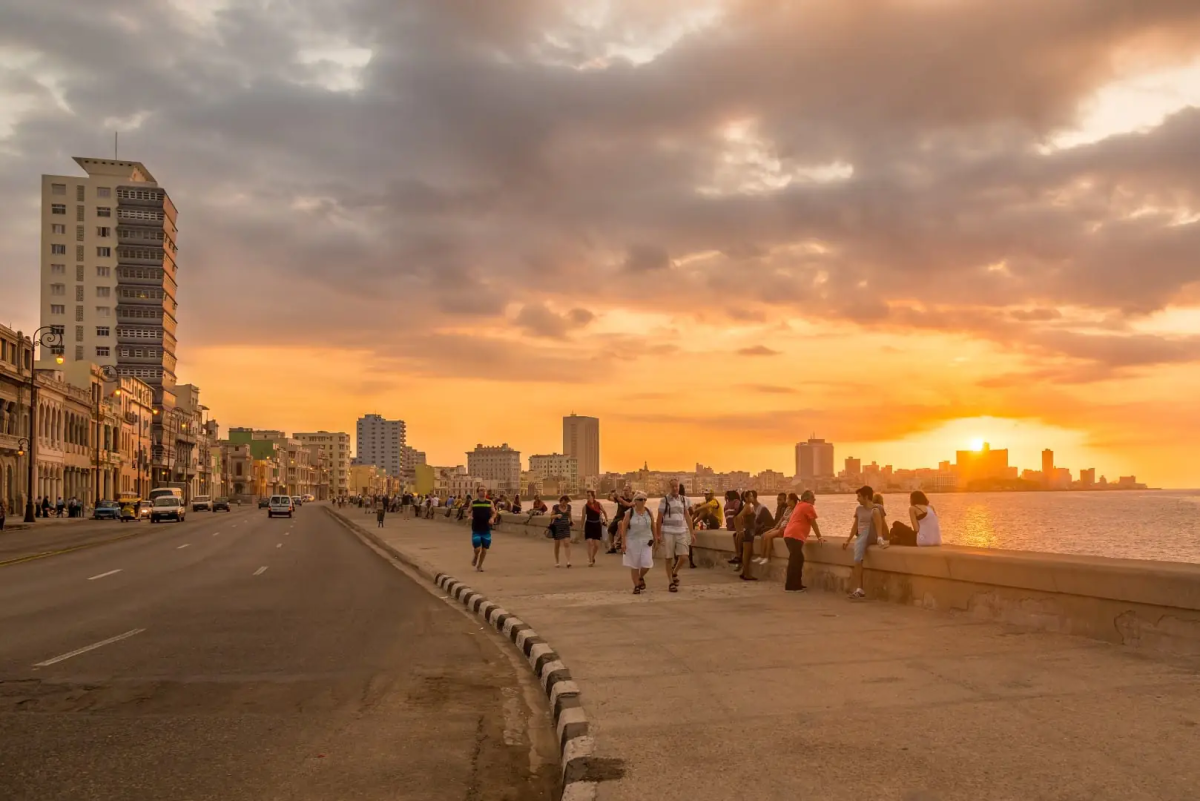
Health Overview
Cuba has a world-renowned healthcare system, and medical services are available throughout the island. However, facilities for tourists differ from local hospitals — foreign visitors are expected to use international clinics that provide private, paid care. You must have travel health insurance covering your stay; immigration officials may request proof upon arrival.
- Required insurance: Health and medical coverage valid in Cuba
- Currency accepted: EUR or USD cash, Visa/Mastercard for payments
- Best service in Havana: Cira García International Clinic (+53 7 204 2811)
For a list of hospitals and emergency numbers, check the Contact Information for Cuba page.
Vaccinations & Preventive Care
No specific vaccinations are required for entry into Cuba, but routine immunizations should be up to date. If you’re traveling from or through yellow fever risk areas, proof of vaccination may be requested.
- Recommended vaccines: Hepatitis A, Typhoid, Tetanus, and Rabies (for rural travel)
- COVID-19: Vaccination recommended but no longer mandatory for entry
- Water safety: Avoid drinking tap water; opt for bottled or boiled water
- Insect protection: Use repellent to prevent mosquito-borne illnesses like dengue
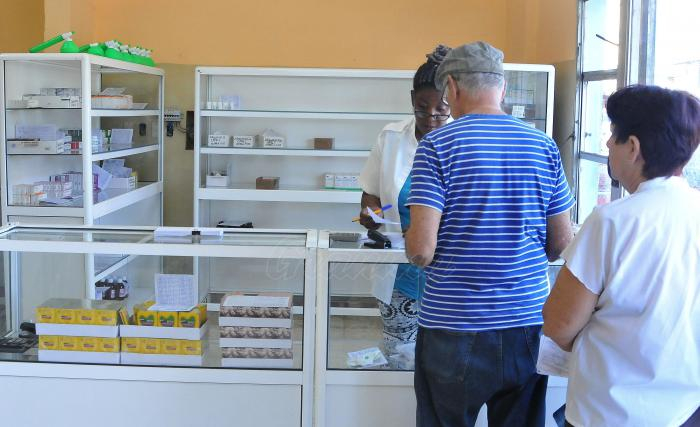
Pharmacies & Medication
Pharmacies (farmacias internacionales) are easy to find in major cities but may have limited medication stocks. Bring all personal prescriptions in their original containers, along with a copy of your prescription list.
- Availability: Basic over-the-counter items only
- Bring with you: Painkillers, sunscreen, insect repellent, first-aid kit
- Prescription meds: Carry enough for your trip duration
Emergency Care & Clinics for Tourists
Cuba operates a network of medical centers dedicated to foreign visitors. These facilities offer multilingual staff and 24-hour emergency rooms.
- Cira García International Clinic (Havana): +53 7 204 2811
- Hospital Internacional de Varadero: +53 45 667 151
- International Clinic Santiago de Cuba: +53 22 64 5045
- Medical Assistance Hotline: +53 7 866 4499
Ambulance response times are reasonable in urban areas, but slower in rural zones. Carry your hotel’s address written in Spanish to show to paramedics or taxi drivers in emergencies.
Food & Water Safety
Cuban food is delicious but can occasionally pose minor digestive risks due to differences in preparation and water quality. Follow these tips for a safe dining experience:
- Drink only bottled, boiled, or filtered water.
- Avoid ice in drinks unless you’re sure it’s made from purified water.
- Eat freshly cooked meals served hot.
- Wash or peel fruits and vegetables before eating.
Learn more about Cuban dining and drinks on our Food & Drinks in Cuba page.
Personal Safety in Cuba
Cuba is generally one of the safest countries in Latin America, with low violent crime rates. Most issues are limited to petty theft, especially in busy tourist areas like Old Havana and Varadero.
- Keep valuables in hotel safes and avoid carrying large sums of cash.
- Be cautious of unofficial taxi drivers — use Cubataxi or pre-arranged transport.
- Stay alert in crowded markets and bus stations.
- At night, stick to well-lit, populated streets and registered bars.
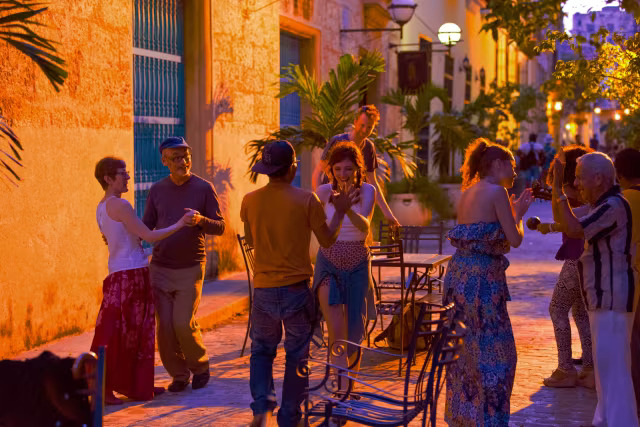
Beach & Outdoor Safety
Cuba’s beaches are clean and safe, but follow local guidance for a worry-free experience:
- Swim in designated areas only; strong currents may occur outside marked zones.
- Protect yourself from the sun — UV levels are high year-round.
- Apply reef-safe sunscreen and stay hydrated.
- Watch your belongings while swimming or sunbathing.
Local Laws & Cultural Etiquette
Cuba’s laws are strict but reasonable. Respecting local rules ensures a smooth experience:
- Drug possession, even small amounts, carries severe penalties.
- Photography of military sites or police is prohibited.
- Public intoxication is frowned upon in family areas.
- Modest dress is appreciated in religious or rural settings.
- Be polite and avoid political discussions with strangers.
Natural Hazards & Weather Alerts
Cuba’s tropical climate brings occasional hurricanes between June and November. Monitor local weather and follow hotel or government instructions if warnings are issued.
- Hurricane season: June–November
- Emergency number: 106 (Civil Defense)
- Weather updates: Cuban Meteorological Institute (INSMET)
Essential Emergency Numbers
| Service | Number |
|---|---|
| Police (Policía Nacional) | 106 |
| Ambulance / Medical Emergency | 104 |
| Fire Department | 105 |
| Tourist Police (Politur) | +53 7 833 1234 |
Where to Go Next
- Contact Information for Cuba – Full list of hospitals, embassies, and helplines.
- Cuba Travel Tips – Stay safe, save money, and explore like a local.
- Transportation Guide for Cuba – Navigate buses, taxis, and car rentals across the island.
Cuba’s combination of safety, warmth, and community spirit makes it a uniquely comfortable place to travel. With a bit of preparation and awareness, you can relax, explore freely, and experience the island’s charm with confidence and peace of mind.
