
Sign in
For Photos4Travel editors and team members.
Cuba · History & Culture
Cuba History & Culture: A Traveller’s Guide
From Havana’s harbour, the thick walls of Castillo de la Real Fuerza are a clue to what the city once defended. In Trinidad, the space between a sugar estate’s house, tower and fields tells a different story, about who profited from the land and who was forced to work it. This guide starts with details you can see during a short walk, then follows them beyond the city squares.
On this page · 5 sections ShowHide
Read Havana through its harbour and squares
The distance between the harbour and the cathedral is short enough to walk, but each square tells a different part of the story. At the edge of the bay, look at the relationship between sea access and defensive buildings. Around Plaza Vieja, see how commercial, domestic and civic buildings use the same public space. UNESCO’s overview describes why the fortifications and old city belong to one heritage property.
A three-stop walk from Plaza de Armas to Plaza Vieja
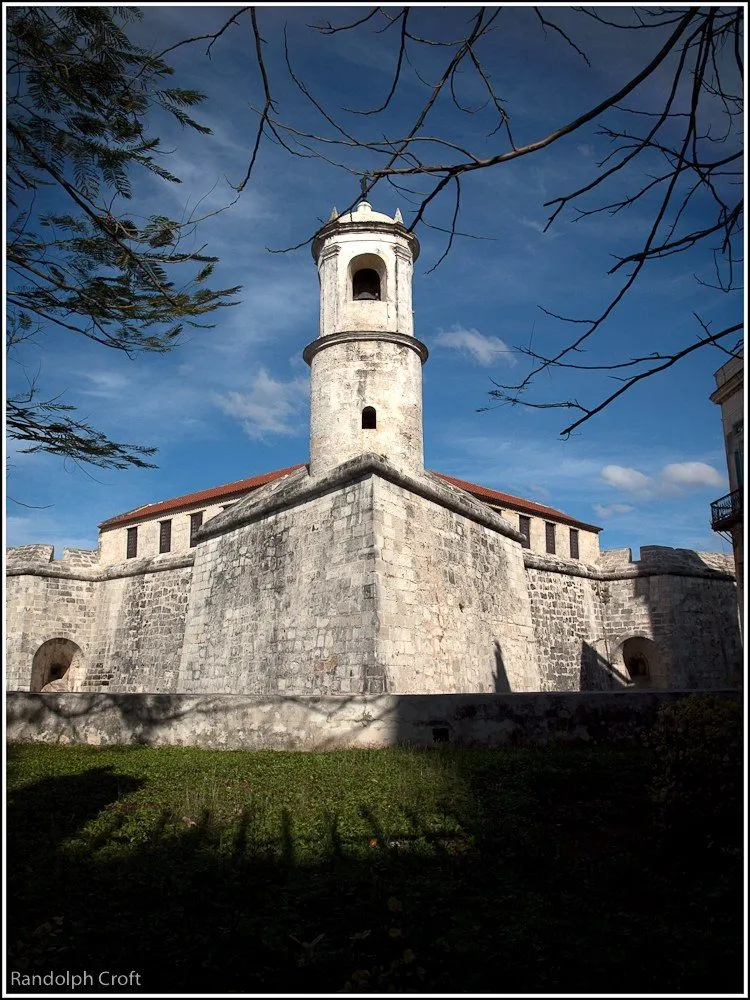

1. Plaza de Armas. Start at Castillo de la Real Fuerza. Look past the moat to the angled stone walls and then back towards the harbour. The Havana culture directory identifies the castle as the Museum of Navigation. The exterior makes a worthwhile stop if the museum is closed.
2. Calle Mercaderes. Walk south towards Plaza Vieja. Along the lane, look up at the balconies and then down at the doorways opening straight onto the street. See the Mercaderes and Amargura photo for a corner where you can see both.
3. Plaza Vieja. Stand to one side of the square for a view across several buildings at once. The walk takes you from a site built to watch the harbour to an open space surrounded by everyday city life. It is an easy section to shorten if it is hot or the cobbles are wet.
Connect Trinidad’s centre with the sugar valley
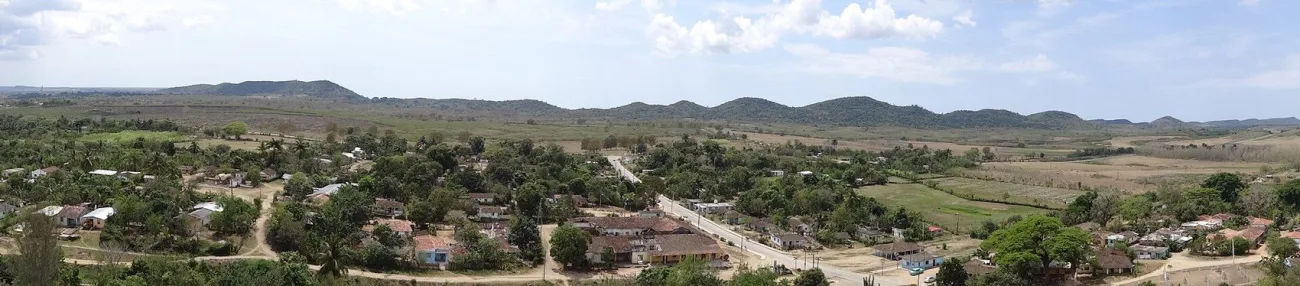

Many of Trinidad’s landmarks are easier to understand when the Valle de los Ingenios is part of the same visit. Estate wealth depended on enslaved labour. At a former mill or estate, ask which remains show where cane was processed, how people worked and how the finished sugar moved. Keep that history in view alongside the architectural detail of the town. See the World Heritage listing.
At Manaca Iznaga, read the tower and surrounding estate buildings as parts of a system for organising and controlling work. The Valle de los Ingenios outing suggests what to look for before you return to Trinidad’s civic square.
See Viñales as a working landscape
In Viñales, a tobacco barn or field boundary can explain as much as a panorama. Start with the UNESCO listing and use a visit arranged by a host to learn how a particular farm works, allowing for the crop and the day. Avoid stepping across active fields for a foreground photograph.
Listen for a change in setting
A theatre programme, a small trova venue and a hotel stage may all offer music, with different listening experiences and costs. Ask what ensemble is actually playing and whether the room has seating. Read the nightlife section for evening logistics.
Cuba history and culture FAQs
Where should I start with Cuba’s UNESCO sites?
Old Havana is easiest from a Havana base. Pair Trinidad with its sugar valley and Viñales with its farming landscape when transport allows.
Where can I hear traditional music?
Check a venue’s current programme. Casa de la Trova in Santiago offers a starting point for learning about trova and traditional music.
Is Spanish necessary?
Basic Spanish helps with hosts, transport, market prices and permissions for portraits. Write down addresses and key questions in advance.
Is it appropriate to photograph people working?
Ask clearly and give them an easy way to decline. Avoid interrupting work or treating a purchase as permission to photograph.