
Cuba Festivals & Events
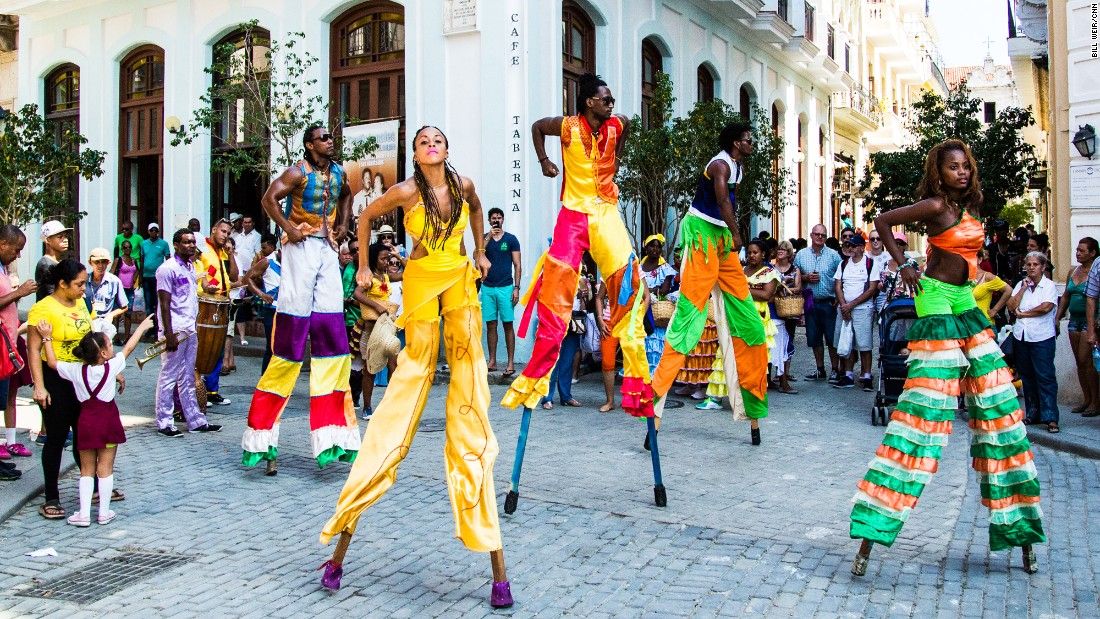
Festivals and public events in Cuba are not isolated calendar attractions—they are deeply connected to the island’s history, social rhythms and cultural identity. From music and dance celebrations to religious observances and national commemorations, events in Cuba reflect how daily life, politics, art and tradition intersect in a uniquely Cuban way.
Understanding Cuba’s festivals helps travelers interpret what they see on the streets, why certain dates matter and how local communities express identity, memory and resilience through collective celebration. Many of these events are informal, community-driven and shaped as much by participation as by performance.
National Holidays and Public Commemorations
Several major events in Cuba are tied to national history and political milestones. These occasions are marked by public gatherings, parades, speeches and cultural programming rather than commercial spectacle. While they may not always resemble festivals in the traditional sense, they play a central role in Cuban public life.
Key national dates include Revolution-related commemorations, independence milestones and labor-focused holidays. On these days, schools, government offices and some services may close or operate on reduced schedules, which travelers should consider when planning transportation and activities.
For practical planning around closures and mobility, see Cuba Travel Tips and the Transportation Guide for Cuba.
Music, Dance and Cultural Festivals
Music is one of Cuba’s most visible cultural exports, and festivals dedicated to jazz, traditional son, Afro-Cuban rhythms and contemporary music are held throughout the year. These events often combine formal concerts with street performances, workshops and spontaneous neighborhood gatherings.
Rather than being confined to stadiums or ticketed venues, many music festivals spill into public squares, cultural centers and open-air stages. Travelers may encounter live performances while simply walking through city centers or coastal promenades.
Cities such as Havana and Santiago de Cuba are particularly active during major music-focused events, reinforcing their roles as cultural hubs. These celebrations complement experiences described in Things to Do in Cuba and Top Destinations in Cuba.
Religious and Afro-Cuban Traditions
Religious festivals in Cuba reflect a layered spiritual landscape shaped by Catholic traditions and Afro-Cuban belief systems. Events honoring saints, deities and historical religious figures often include processions, rituals, music and symbolic offerings.
Some of these celebrations are public and highly visible, while others remain community-centered and understated. Respectful observation is generally welcomed, but photography and participation should always be approached with sensitivity and awareness of local customs.
These traditions are closely connected to Cuba’s broader cultural fabric and help explain daily practices, art forms and social norms encountered across the island.
Local Carnivals and Regional Celebrations
Beyond nationally recognized events, many Cuban cities and towns host local carnivals and annual celebrations tied to regional identity. These often feature colorful costumes, dance groups, food stalls and music that continues late into the night.
Local festivals vary significantly in scale and organization. Some are planned months in advance, while others evolve organically based on community participation and available resources. Their timing may change year to year, reflecting economic conditions or local priorities.
Travelers interested in these experiences benefit from flexibility and local guidance, especially when visiting smaller towns or less-touristed regions.
How Festivals Affect Travel Planning
Festivals and public events can influence accommodation availability, transportation schedules and crowd levels, particularly in major cities. While they add depth and authenticity to a trip, they may also require travelers to adjust daily plans.
Understanding the event calendar helps travelers decide whether they prefer quieter exploration or vibrant, communal experiences. Practical considerations such as transport, safety and timing are covered in Cuba Travel Tips and Cuba Health & Safety.
Why Festivals Matter for Understanding Cuba
Festivals in Cuba are less about spectacle and more about continuity. They reveal how history is remembered, how identity is expressed and how communities maintain social bonds despite economic and political challenges.
For travelers, these events provide context that goes beyond landmarks and attractions. They help explain why music fills public spaces, why gatherings matter and why cultural expression remains a central part of Cuban life.
Experiencing Cuba during a festival—whether planned or unexpected—adds a layer of understanding that complements visits to beaches, historic districts and cultural institutions across the island.