



Sign in
For Photos4Travel editors and team members.
Brazil · Photography
Brazil Photo Spots: Landscapes, Cities & Photography
The most useful Brazil photography plan combines a few different visual stories: a city promenade, a river journey, an architectural landmark and a landscape that depends on the season. Choose places already on your route and give them enough time. Crossing the country to collect one frame at each stop leaves little opportunity to respond to light, weather or the people you meet.
The suggestions here describe starting positions and subjects you can adapt on arrival. Check access before chasing a particular hour: a sunrise forecast does not mean a park gate is open. For practical Rio viewpoints and local approaches, follow the existing Rio photo-spots guide.
Rio and Copacabana: connect the city to the wider trip
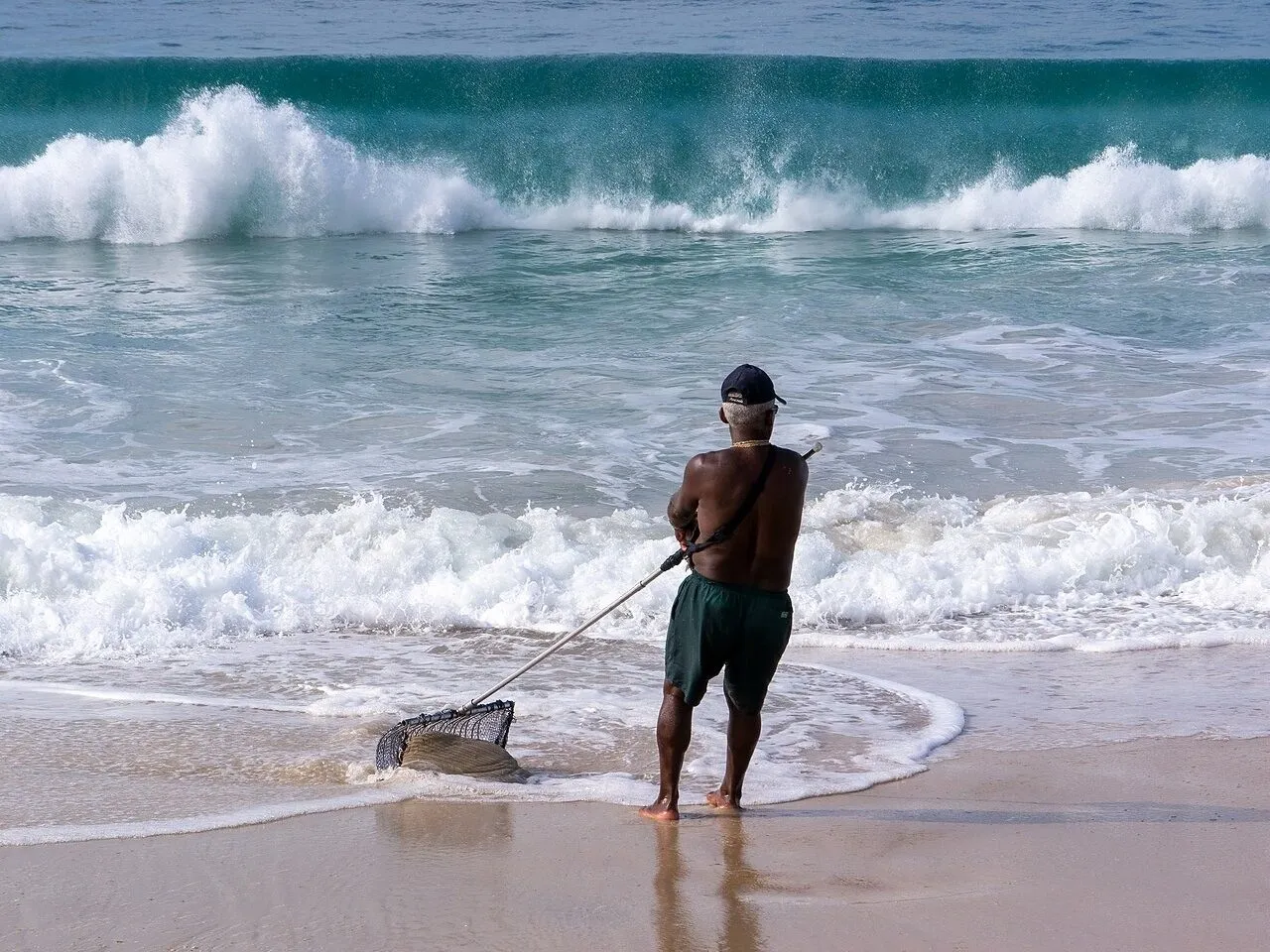
For a country-level Rio photograph, begin on the public promenade at Copacabana and use the patterned pavement, beach curve and buildings as layers. Stand clear of the walking and cycle routes; a lower camera angle can give the pavement a stronger role without needing a tripod in a busy passage. Include ordinary beach activity only with consideration for the people in the frame.
Light changes the story: softer daylight can hold detail in the pavement and buildings, while a bright sky can push people toward silhouettes. Check the actual conditions rather than expecting every evening to produce the same colour. Keep equipment compact and leave unnecessary valuables at your accommodation. The separate Rio photography page covers specific viewpoints, seasonal light and final approaches; use it to plan the local session.
Amazon forest and water: photograph from an agreed route
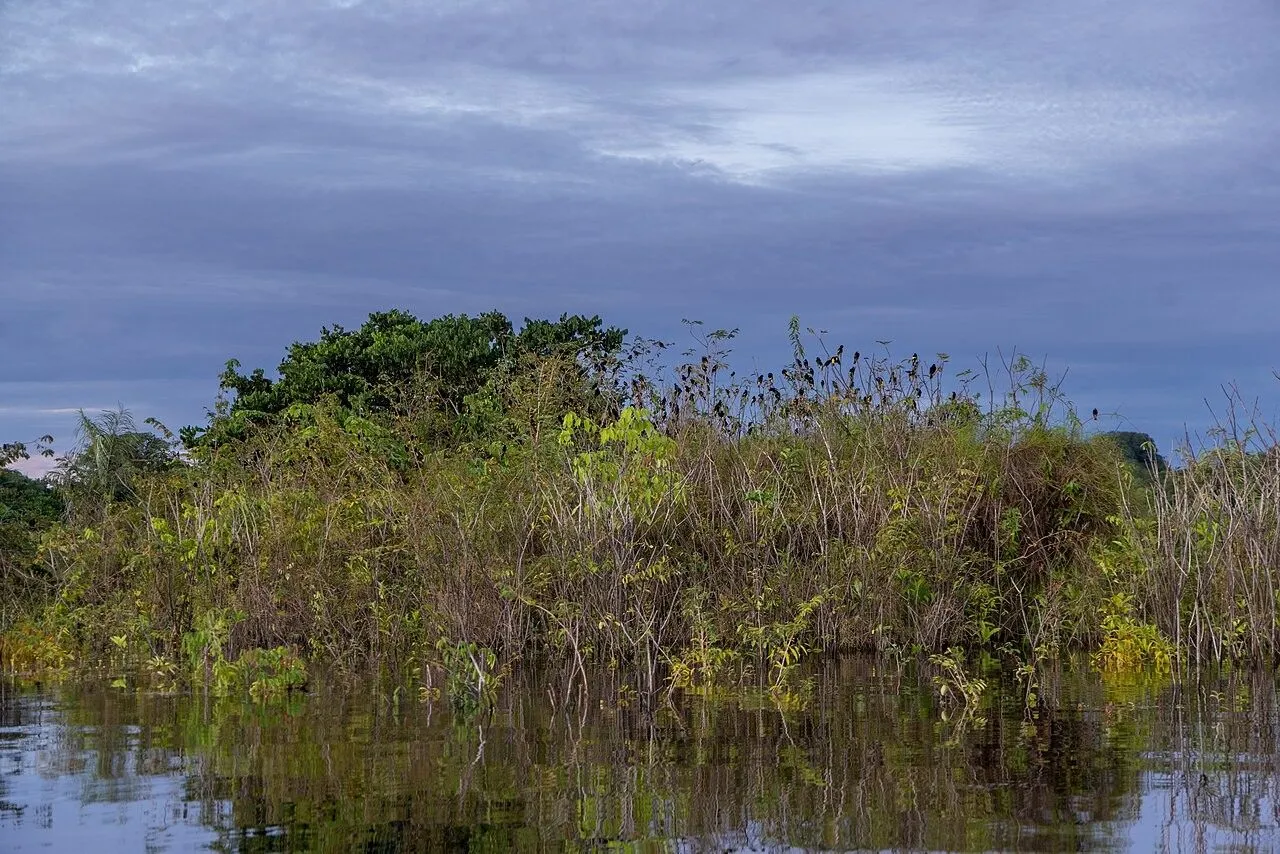
Ask your guide for a stable, permitted stopping place on the lodge route: a landing, boardwalk or stationary boat position can let you separate the water, trunks and canopy into a readable frame. Include one branch or trunk near the edge for depth, then watch whether the background becomes too cluttered. In a boat, remain seated as instructed and keep straps and loose equipment secure.
Around the central Amazon, higher water can create flooded-forest compositions while lower water reveals banks and beaches. The official regional parks guide explains that seasonal distinction. Shade can be useful for details even when the open river is bright. Overnight camping requires a specifically arranged, permitted site and operator plan; a forest photograph is not evidence that visitors may camp wherever they wish. Ask before photographing community members or entering a private landing.
Curitiba: the glasshouse at Jardim Botânico
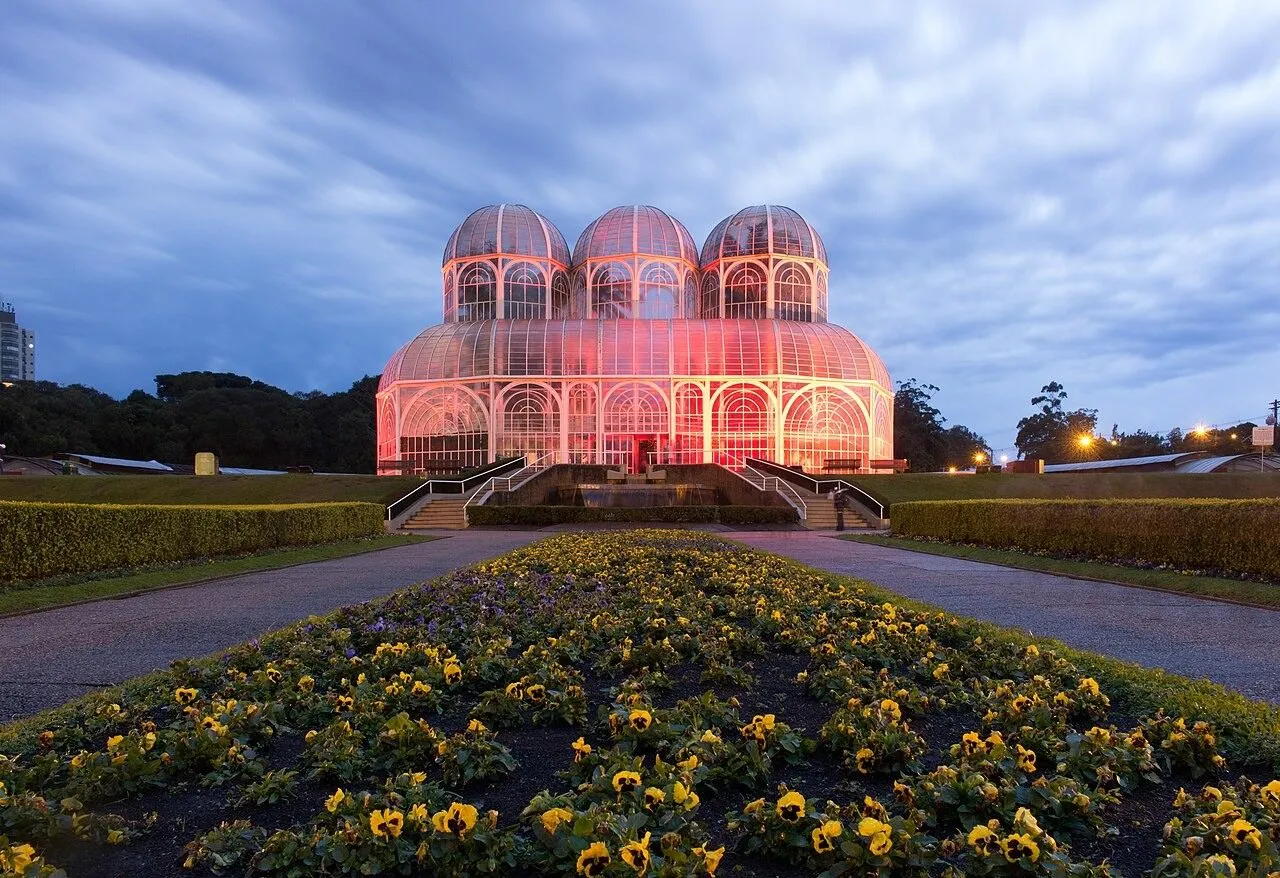
Start on the paved central approach to the glasshouse, outside the flower beds, and align the paths and formal planting with the building. Take one symmetrical view, then step along a permitted side path for an angle that separates the glass structure from the background. Look around the frame edges for people, signs and maintenance equipment before taking another identical image.
Overcast light can suit glass and planted detail; lower light can emphasize shape but depends on the date and actual opening. The municipal Jardim Botânico page lists access information and distinguishes the main garden from the Jardim das Sensações. Check those areas individually. Stay on the paths and ask the administration about a planned portrait session or equipment that occupies space; ordinary visitor access does not settle every photography arrangement.
Manaus: Teatro Amazonas from Largo de São Sebastião

Use the open public space of Largo de São Sebastião to step back from Teatro Amazonas and include the façade and dome. Try a straightforward architectural view first, then move within the square to put the theatre slightly off-centre with the surrounding place still visible. Keep entrances and pedestrian routes clear; the square is a working public space rather than a private photo set.
Compare the façade in the light you find instead of assuming a fixed compass direction guarantees the best result. A sky with some detail can be easier to balance than a white midday sky. Check the official Teatro Amazonas page for the current visit and performance programme. An exterior photograph, a guided interior visit and photographing a performance are separate activities with separate conditions; ask staff before using additional equipment or photographing inside.
Vila Velha: sandstone forms from the marked trail
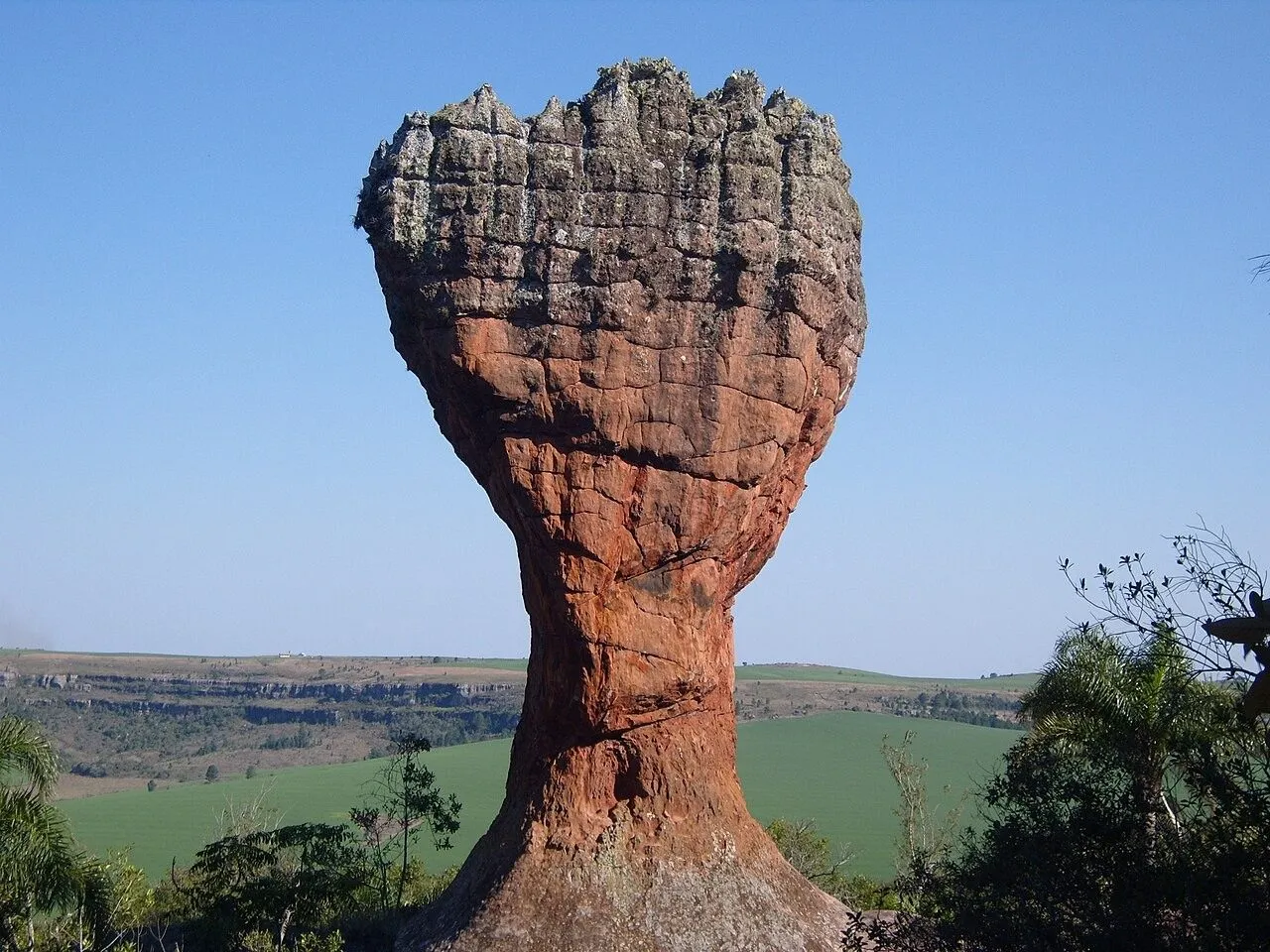
At Parque Estadual de Vila Velha near Ponta Grossa, begin with a clear outline of the sandstone formations from the designated visitor path. Around the Taça formation, change your position along the permitted route until the profile separates from adjacent rock. A small patch of foreground vegetation can add scale without needing someone to climb onto the formation.
Side light can reveal texture, while a softer sky can help with a more graphic silhouette. Work within the available visitor hours; special night activities do not imply unrestricted dawn access. The park’s official rules prohibit leaving trails, climbing or leaning on formations, and crossing fences or viewpoint barriers. Plan the frame from where visitors are allowed to stand. Confirm session or equipment arrangements directly with the operator before booking a dedicated shoot.
Serra Verde: photograph the Curitiba–Morretes train journey
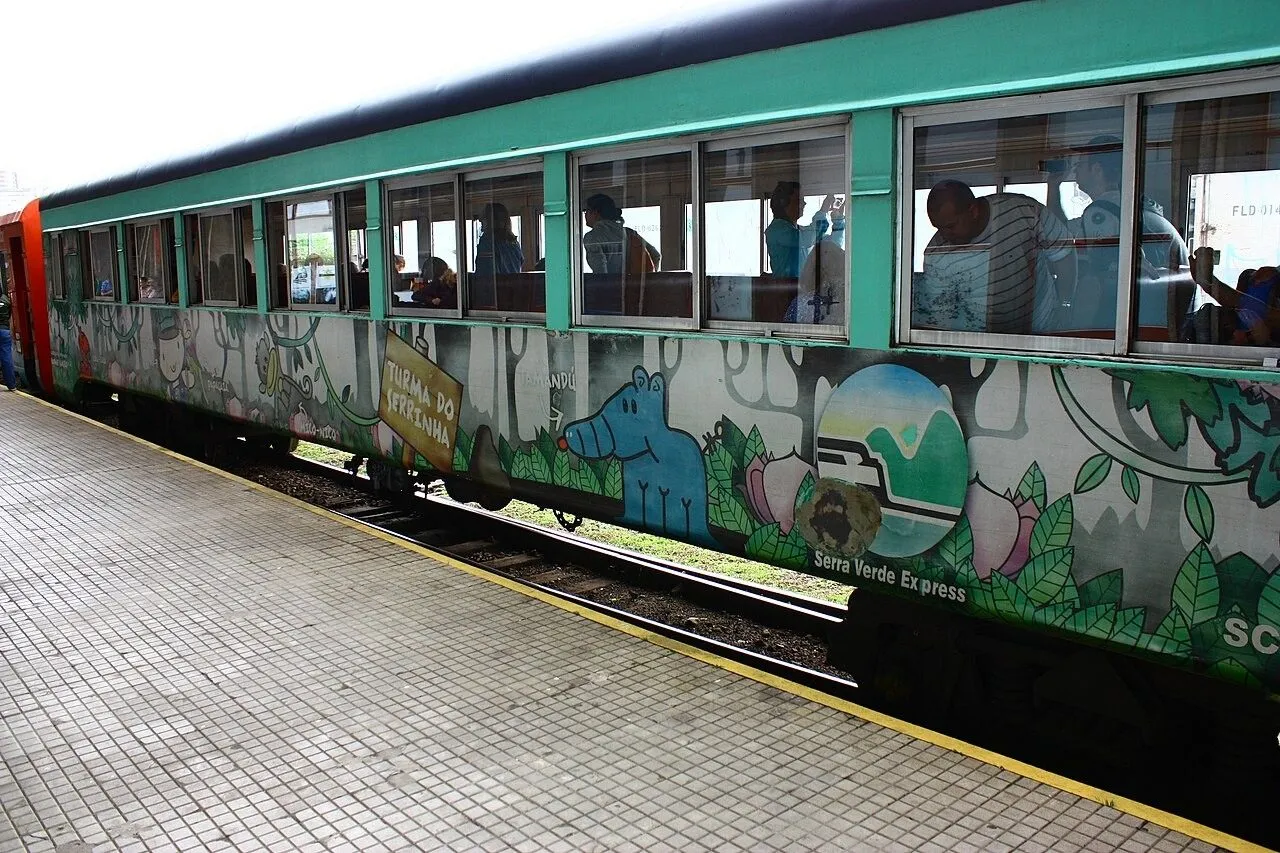
The useful subject is the journey through the Serra do Mar: forest slopes, bridges, a curve of the railway and the changing relationship between carriage and landscape. Photograph from your assigned seat or another position explicitly allowed by staff. Prepare the camera before a view appears, keep it inside the carriage and avoid blocking another passenger’s window.
Mist can simplify layers of forest; clear weather can reveal a wider landscape. Neither needs to be treated as a failed version of the other. The municipal tourism page describes the tourist journey to Morretes. Check the current product with Serra Verde Express, including direction, carriage, return transport and any permitted stops. The historic Curitiba–Paranaguá railway name does not mean your tourist ticket continues to Paranaguá. Never enter railway tracks for a photograph.
Salvador, Bahia: colour and slope in Pelourinho

This is Salvador in the Brazilian state of Bahia. In Largo do Pelourinho, begin at a public edge of the square and look along the slope so the façades overlap. A slight diagonal can show the street’s shape more clearly than a tightly cropped front wall. Wait for space between passing groups rather than stepping into their path to manufacture an empty scene.
Use the light available on the façades; cloud can preserve colour and detail when direct sun creates strong contrasts. A local guide can help you understand the cultural setting and plan a comfortable daylight route. The official Salvador tourism guide introduces the historic centre. Ask people before making a deliberate portrait, and check church, museum and ceremony rules separately. Buying a product or paying admission does not automatically confer permission to photograph everyone present.
São Paulo: Paulista’s scale and street rhythm
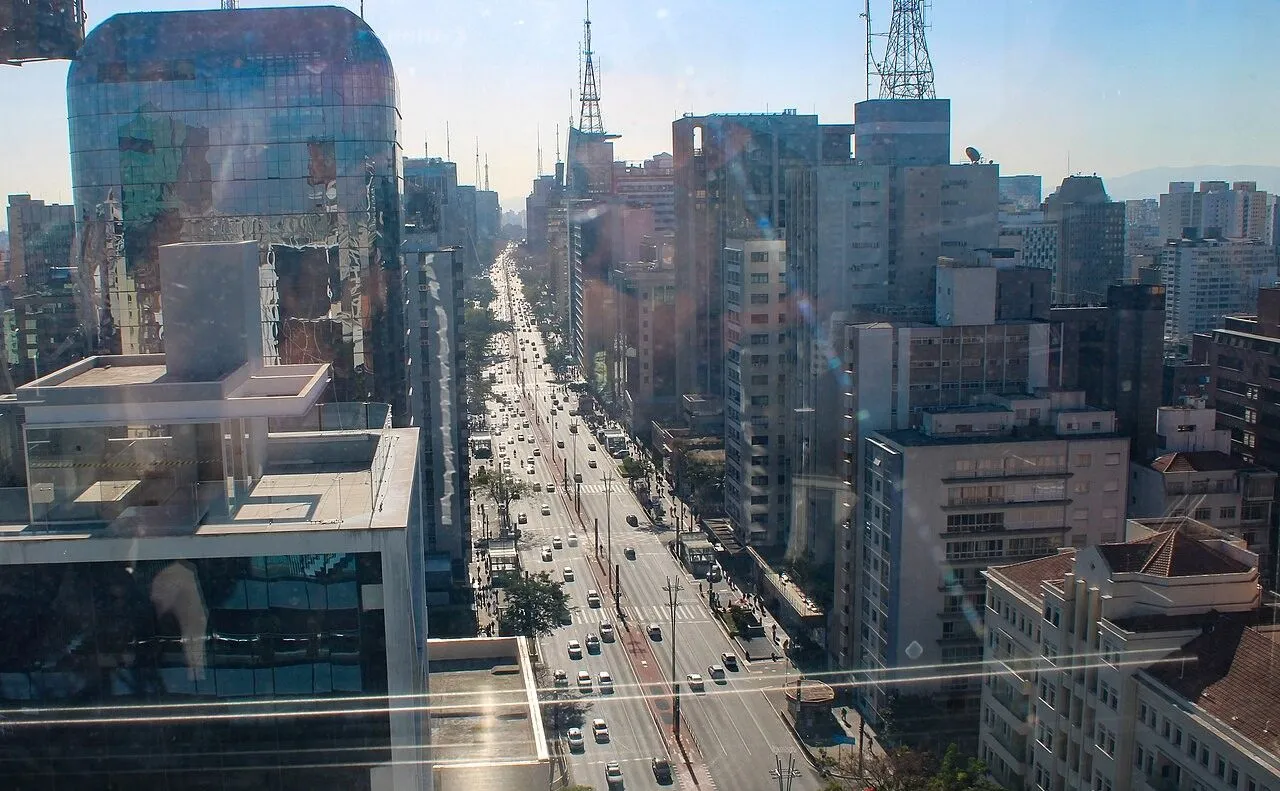
On Avenida Paulista, work from the public pavement and choose one visual structure: receding building lines, a crossing used legally, or people moving beneath the city’s large façades. Around MASP, step back far enough to show the span and its relationship to the avenue, then try a closer architectural detail. Keep clear of crossings and cycle space, and pack the camera while moving between positions.
Changing cloud and reflections can be more interesting than a fixed “best hour.” Select a day that also suits the museum or cultural visit you want, giving the outing a purpose beyond a single frame. The official MASP visitor page identifies Trianon-MASP on the Green metro line and provides current visit information. Museum interiors, temporary exhibitions and organized shoots have their own conditions; check them before using equipment beyond a simple handheld camera.
Match the equipment and permission to the outing
Take a small kit you can carry comfortably and protect it against rain, spray and sand. A cloth and a dry bag often solve more real problems than an extra lens. Keep a little time at each stop to look around before taking the obvious view; a tighter frame can tell the story better than a panorama full of distractions.
Ask the site or operator about tripods, lighting, portrait sessions and commercial use. For drones, check the relevant aviation requirements and the permission of the land or park authority; a tourism ticket settles neither. Respect people’s consent and any restrictions on cultural or religious photography. Where a location closes, choose another permitted subject rather than trying to reproduce an inaccessible image.
Brazil photography questions
Should I add every photo spot to one Brazil itinerary?
No. Choose the settings that fit the route and spend longer in each base. Good light and a second attempt usually add more than another airport transfer.
Can I enter parks before opening for sunrise photos?
Check the specific access arrangement. A regular ticket or a sunrise time does not grant entry before the gate opens. Special activities need their own booking and confirmation.
Can I camp freely in the Amazon for photographs?
Arrange an authorized overnight experience with a suitable operator and land or park permission. Do not infer camping rights from an online image or a daytime boat excursion.
Where should I find detailed Rio photo directions?
Use the dedicated Rio photo-spots guide for its local approaches, viewpoints and light guidance. This country page helps connect Rio with different photographic settings elsewhere in Brazil.
Last updated:
Tours, Tickets & Experiences
Brazil Travel Tips & Inspiration