




Sign in
For Photos4Travel editors and team members.
Brazil · Food, Drink & Nightlife
Brazil Food, Drink & Nightlife: Regional Dishes and Culture
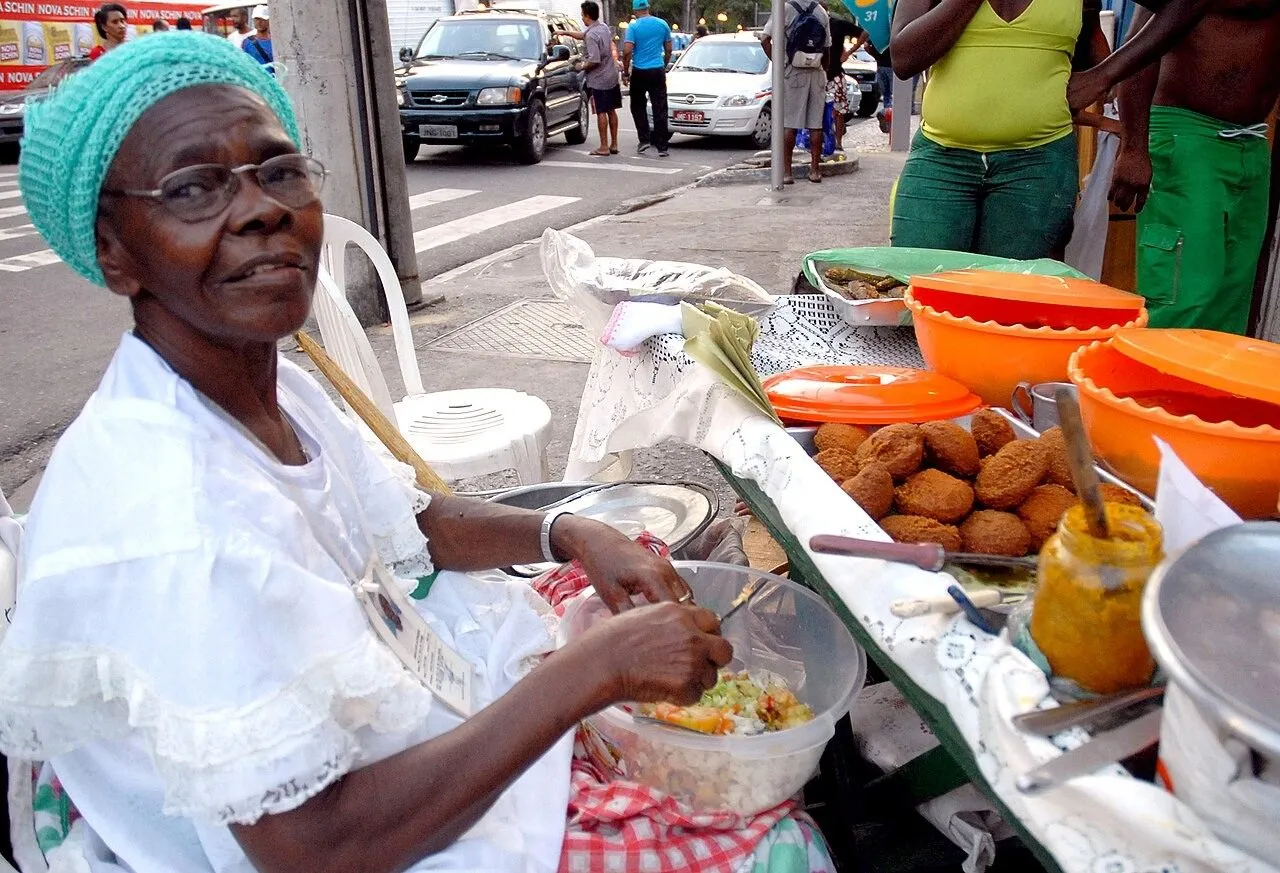
Eating well in Brazil starts with asking what belongs to the place you are visiting. A bowl of tacacá in the North, a baiana's acarajé and cheese from Minas Gerais tell different stories. Leave space for ordinary lunches and small purchases as well as the meal you book in advance.
This guide covers regional food, evening choices and festivals across Brazil. For named restaurants, current menu examples and a city night out, follow our Rio food and nightlife guide.
What to eat in Brazil: follow the regions
In the North, look beyond a generic tropical menu. Tacacá brings together tucupi, cassava starch, jambu and dried shrimp, as described by the Ministry of Fisheries and Aquaculture. The ingredients and serving style are part of the experience. Ask what is in the bowl before ordering, particularly if you avoid shellfish.
Belém and other Pará destinations offer opportunities to explore Amazonian ingredients with local cooks. Santarém's tourism information introduces dishes such as tacacá and pato no tucupi. A market visit can help you understand ingredients before choosing a restaurant meal; ask before photographing a stall and buy something if you spend time talking to the seller.
In Bahia, take acarajé seriously as food and culture. It is more than a snack chosen for a photograph. Iphan's heritage account explains the baianas' knowledge and the food's religious connections. Ask about the fillings and chilli rather than assuming every serving is the same. Support the person preparing it and request permission before photographing her at work.
In Minas Gerais, make time for cheese and the table around it. The craft of making queijo Minas artesanal has its own protected cultural history. Ask where a cheese was made and how the producer recommends serving it. A tasting or farm visit should be arranged in advance; a rural property is not automatically open to visitors who arrive without an appointment.
In Paraná, a Morretes visit can include barreado. The state's coastal tourism guide associates the town with this traditional dish. Check what a restaurant's meal includes and how much time you have before your return transport. A scenic train excursion is more enjoyable when lunch does not become a race against departure.
In large cities, let neighbourhoods shape the meal plan. São Paulo can reward a day built around one part of the city, with a museum, lunch and another nearby stop. Crossing a metropolis for every meal adds transport and makes a reservation less relaxing. Choose a restaurant near the activities you already want to do, or make the meal the reason for visiting that district.
Ordering, portions and the full bill
Learn the pricing model before filling a plate. At a por quilo buffet, the food is weighed; a fixed-price buffet is a different arrangement. A prato feito, often shortened to PF, is a set plate whose contents should be clear before ordering. At a rodízio, ask what the per-person price includes and which drinks, desserts or extras are separate.
On a shared-dish menu, ask how many people the portion is intended to serve. Do not compare the price of a sharing dish with an individual main course. Check whether a cover item, live-music charge or service line will appear on the bill, then compare the total with your food budget.
For dietary needs, describe ingredients rather than relying only on a broad label such as vegetarian. Ask about meat in beans or stock, seafood in sauces and shared preparation. If you have an allergy, communicate it clearly and confirm the kitchen can accommodate it; a dish's name is not a complete ingredient list.
Coffee, fruit drinks and an unhurried bakery stop can be as much part of a day as a formal dinner. Ask whether juice or a fruit bowl is sweetened and what additions are included. With alcoholic drinks, check the serving and price before ordering another round. There is no need to make every food experience a tasting menu.
Nightlife: choose the kind of evening you want
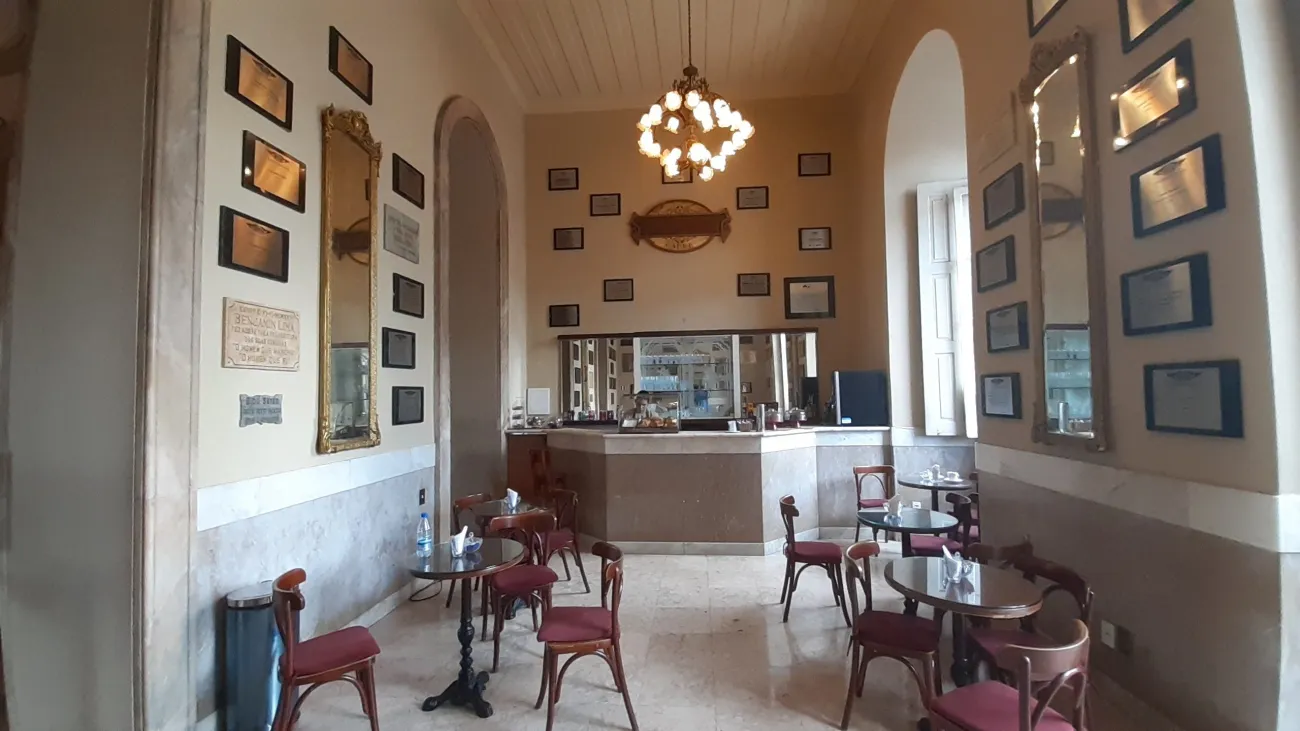
A good Brazilian night out starts with a distinction: listening, dancing and joining a festival crowd are different activities. A seated concert suits someone who wants to hear the music closely. A dance venue needs more energy and a later return. A street event may involve standing, crowds and a changing transport plan.
Look for the culture of the destination rather than expecting one national soundtrack. Forró is a useful starting point when exploring northeastern music; Recife's cultural life has strong frevo and maracatu traditions. The city's cultural overview provides context. A heritage description, however, is not a programme listing: confirm the actual event with the venue.
Before paying, ask about the artist, start time, seating, entry charge and whether reservations are needed. A door-opening time is not necessarily the performance time. Check whether the ticket covers admission only, and decide how much you want to spend on drinks and food after that. For an early flight the next morning, a shorter concert may be a better choice than an open-ended night.
Plan the return while you still have reliable information and a charged phone. Know the accommodation address, the pickup point and an alternative if a street is closed. Choose transport that fits the location and hour, particularly when you do not know the surrounding streets. Arrange a clear meeting point if your group separates.
For a quieter evening, investigate a theatre, cultural centre or restaurant with a confirmed performance. There is no requirement to find the busiest venue. A locally led introduction to a musical tradition can be more satisfying than buying an unspecified “authentic show” whose performers and content are not explained.
Festivals and events: make the celebration the centre of the trip
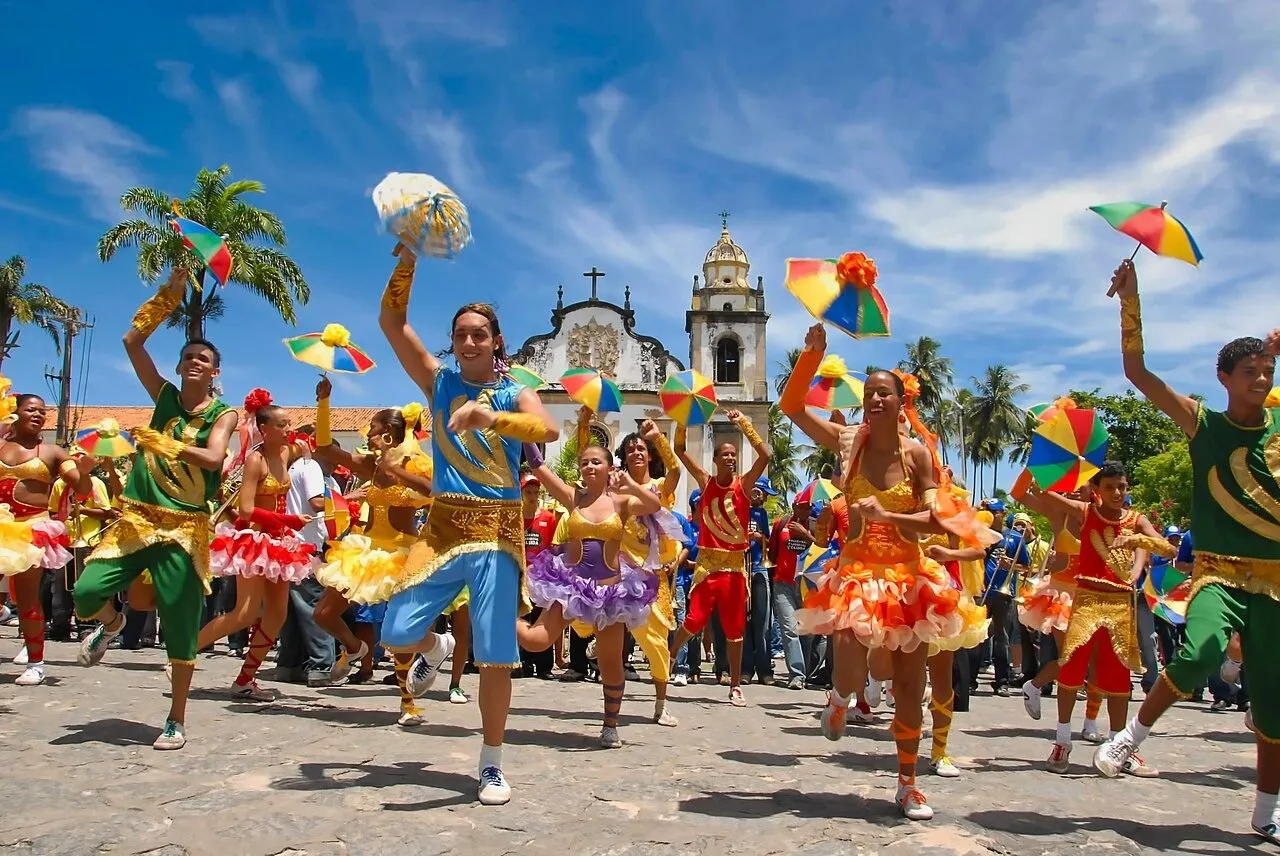
A major festival changes accommodation demand, transport, crowd conditions and the cost of changing your mind. Choose the event and location before building the surrounding route. Confirm the next edition's programme through the organiser or local authority; a previous year's announcement helps explain the event but is not a confirmed future calendar.
Carnival: decide which city and which format
Carnival is not one interchangeable product. A ticketed arena or parade seat, a street procession and a music-led crowd have different entry, visibility and transport arrangements. Recife's official Carnival information describes its range of musical traditions. Check the particular day's programme and meeting points rather than assuming every neighbourhood offers the same experience.
If Rio is your choice, use the Rio guide for the distinction between parade and street celebrations. Book accommodation near a practical return route and understand any minimum stay before committing.
São João and the June celebrations
São João is a reason to explore the Northeast beyond a beach holiday. Campina Grande and Caruaru are established destinations for the June festivities, with music and food central to the experience. The transport ministry's account of the festival travel period shows why the journey deserves planning.
Choose the town and actual performance date first. Compare a nearby stay with a longer return from a coastal base; a late concert followed by a substantial road journey is not the same holiday as walking back to your room.
Parintins: a separate Amazonian festival journey
Parintins revolves around the competing boi-bumbá groups Caprichoso and Garantido. The municipality's festival announcement explains the arena event; its dated programme is a record of that edition, not a future booking guarantee.
Treat attendance as a dedicated journey with confirmed accommodation and transport. Do not assume that staying in Manaus puts you beside the event. Ask what your ticket category allows, where you will sit or stand, and how you will arrive and leave. Keep a margin around the return before attaching an important onward flight.
Brazil food and culture FAQ
What food should I try first in Brazil?
Start with the region: tacacá in the North, acarajé in Bahia, artisanal cheese in Minas Gerais or barreado around Morretes. Ask about ingredients and portion size before ordering.
Is a buffet price always per person?
No. A por quilo buffet is priced by weight, while other buffets may use a fixed price. Check the model, drinks and any extras before filling your plate.
Can I find live music every night?
Do not assume a specific performance runs nightly. Confirm the current programme, artist, start time, admission and seating with the venue before travelling across the city.
Are festival dates confirmed for my next trip?
Only rely on an announcement for the edition you intend to attend. A previous programme establishes what happened then; it does not confirm the next dates, performers or ticket arrangements.
Where are the named Rio restaurant recommendations?
The Rio food and nightlife guide provides the local selections and menu context. This page covers national and regional choices.
Last updated:
Tours, Tickets & Experiences
Brazil Travel Tips & Inspiration