




Sign in
For Photos4Travel editors and team members.
Brazil · Health & Safety
Brazil Health & Safety: Preparation and Useful Contacts
Plan health and safety at the same scale as your Brazil itinerary. A late city arrival, a forest lodge and a day on an unfamiliar beach need different preparation. Start with accommodation you can reach easily, transport you can identify and a health plan based on the places you will actually visit. Keep current local advice alongside the country overview.
On this page · 8 sections ShowHide
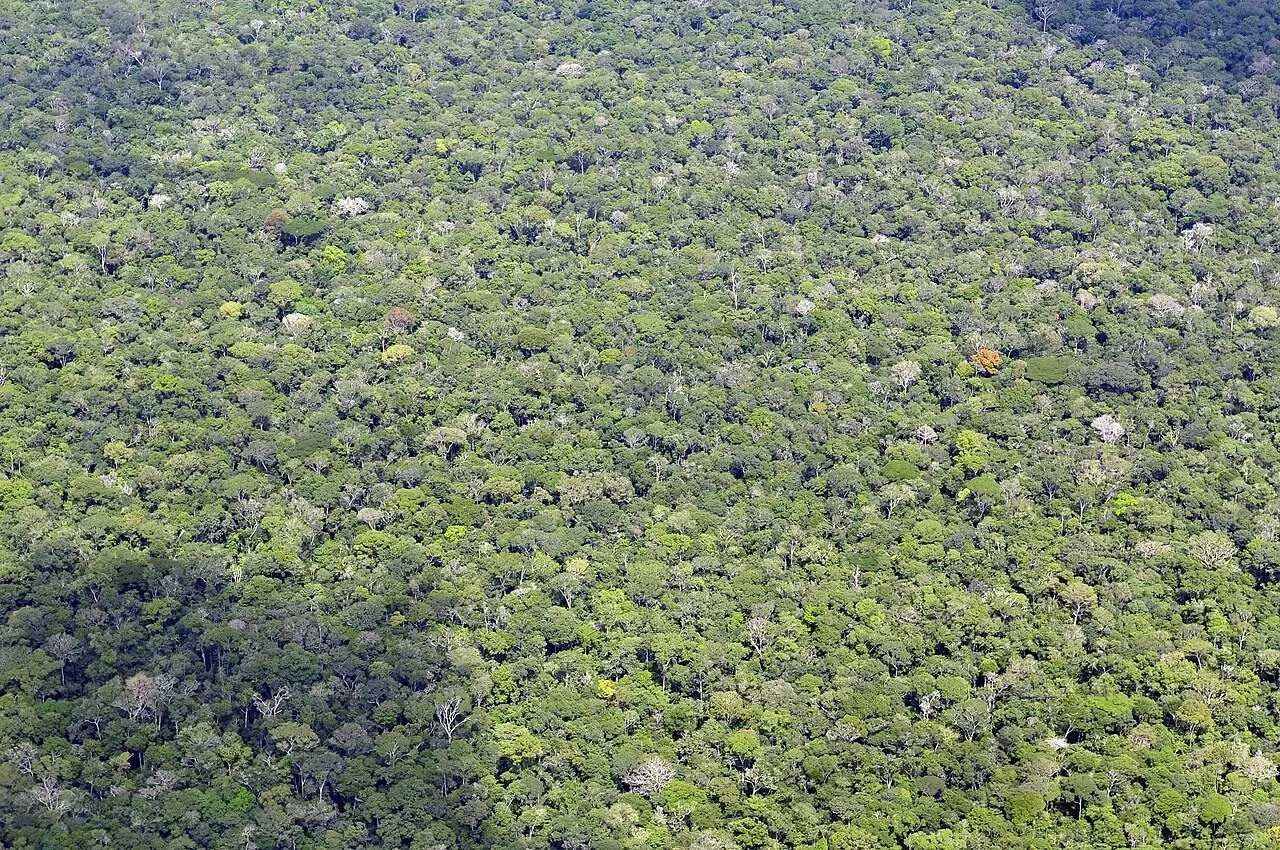
This page covers national decisions and emergency contacts. The Rio de Janeiro guide provides the city context for a Rio stay; the country guide should help you prepare for the whole journey without repeating its neighbourhood advice. For passport and visa questions, go to visa and entry requirements.
Build an arrival and return plan for every base
Before booking a room, check the actual entrance, reception hours and route from the point where you will arrive. Ask how guests usually return after an evening out. Location is a practical question: a place that looks close on a map can involve an awkward walk, an unfamiliar interchange or a road with little activity after dark.
For an airport or bus-terminal arrival, save the authorized transport information before departure. If using an app, book inside the official app and verify the driver and registration before entering the vehicle. Have the accommodation address ready in Portuguese, and keep a working contact for a delayed check-in. Avoid solving the entire transfer while standing outside with bags and a visible phone.
Carry what you need for the outing and store spare cards and document copies separately. Step into a business to consult a map, and keep the camera packed while moving between places. When a plan changes, ask the accommodation about a sensible route rather than blindly following a navigation shortcut. The UK’s practical safety guidance explains current urban transport and theft concerns.
Reduce theft, payment and nightlife problems
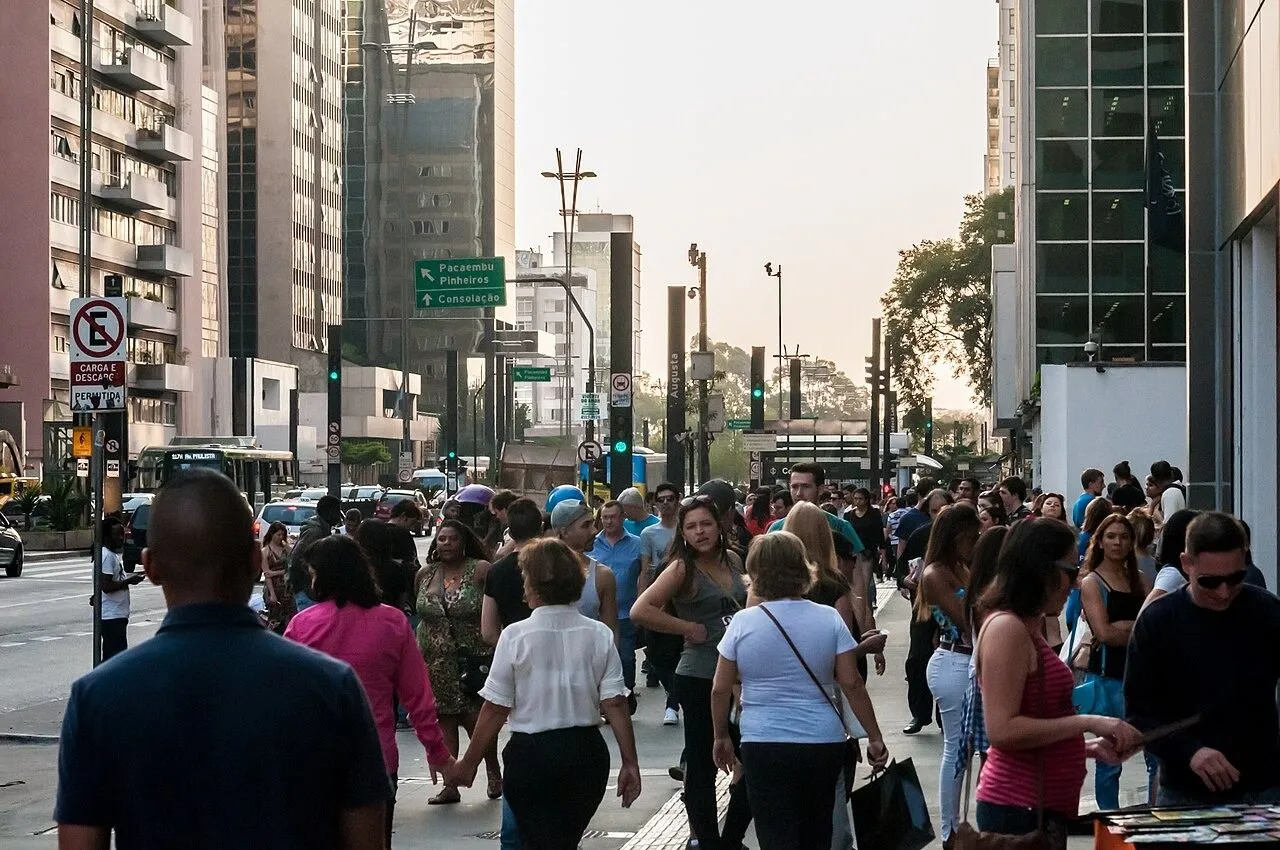
At a cash machine, choose a secure setting and leave if the machine or surroundings feel wrong. Check the terminal amount before a card payment, keep the card in sight and retain the receipt. Set up a way to freeze a card and access your bank from another device before travel. A backup payment method is useful only if it is stored somewhere separate.
Agree a meeting point with companions at crowded events and decide how everyone will return. Keep control of your drink and arrange transport before leaving a venue. If you feel unexpectedly unwell, ask trusted staff or your companions for help immediately. Use the Australian government’s Brazil advice for current alerts alongside your own country’s guidance.
If threatened in a robbery, prioritize personal safety and do not resist. Once safe, contact local police, your bank where relevant, the insurer and your consular service if documents are affected. Record the essential facts while they are fresh. A police report, transaction record and booking documents can help later; do not pursue a thief to recover equipment.
Prepare for your route, including forest and rural nights
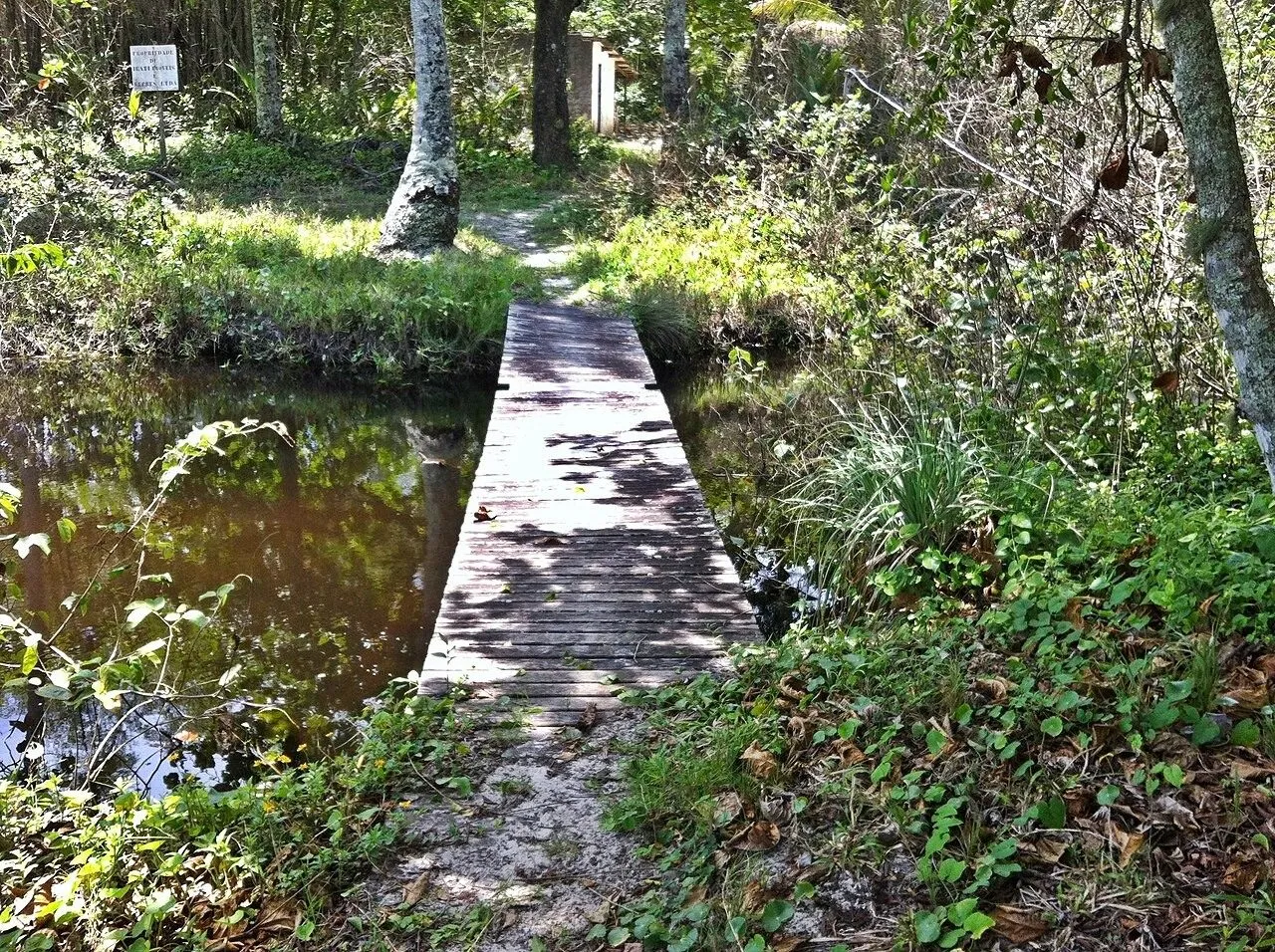
Arrange a travel-health review well before departure, especially if the itinerary includes forest, wetlands or remote stays. Share the full route, travel dates and activities with the clinician, including every lodge night and any onward country. Age, pregnancy, medical history and previous vaccination can affect the advice, so a generic packing list cannot settle it.
Brazil’s Health Ministry traveller page separates entry requirements from vaccination recommendations. It states that proof of vaccination is not required to enter Brazil, while recommending appropriate preparation. For a first yellow-fever vaccination where indicated, the ministry advises at least 10 days before travel. Check onward and transit countries separately.
The CDC’s Brazil destination guidance shows why the route matters: yellow-fever recommendations cover many popular destinations, while malaria prevention varies by area. An Amazon itinerary may require a different plan from travel limited to the major southeast cities and Iguaçu. Use the live destination guidance with a professional rather than choosing medication from another traveller’s trip report.
Carry regular medication in original labelled packaging, with the prescription or supporting letter where needed. Check any import restrictions for controlled medicines before flying. Plan for delayed luggage and a little itinerary disruption, and keep necessary supplies accessible during a transfer. For a remote stay, explain any storage or accessibility requirement to the accommodation before paying.
Manage heat, drinking water and outdoor days
Build shade and rest into hot days rather than saving them for when you feel exhausted. Carry drinking water, refill from a reliable supply and ask the host how water is provided on a boat or vehicle outing. Check what the excursion includes so a long transfer does not become several hours without access to a drink or meal.
Choose food that is handled and stored appropriately, wash your hands and be cautious about questionable water or ice. Explain allergies clearly in Portuguese, including the ingredients to avoid, and ask whether food is prepared separately when that matters. At a remote lodge, discuss dietary needs before arrival; the nearest alternative restaurant may be a long way away.
On forest and wetland outings, follow the guide’s advice on clothing, footwear and insect protection. Avoid handling wildlife for a photograph, and keep distance even when an animal appears accustomed to people. Tell the guide about mobility or medical limitations before setting out, when the route can still be changed.
Check beaches, roads and weather locally
Swimming conditions belong to the individual beach and day. Observe signs and flags, ask lifeguards about the intended spot and stay out when advice is unclear. A calm-looking stretch or an attractive photograph cannot establish whether it is suitable for swimming. Keep children supervised and choose an outing that suits the least confident swimmer in the group.
For long drives, check the actual route, surface, fuel and daylight hours. Ask an operator how weather affects the last part of a lodge transfer, rather than judging the journey by the paved-road distance alone. Give the final return to your international airport enough margin to absorb a changed flight or road delay.
Heavy rain can disrupt roads and cause flooding or landslides; dry periods can bring smoke and fire disruption in affected regions. Consult INMET forecasts and alerts and the people responsible for the specific route. Change plans when authorities or the operator advise it. Never enter floodwater to rescue a reservation, and do not cross a closed trail or viewpoint barrier.
Know how care and insurance will work
Save the insurer’s assistance number, policy reference, claims process and any excess. Check cover for the activities you intend to book, including boat trips or other specialist outings, and ask how emergency evacuation from a remote location is handled. A policy described as comprehensive still has conditions worth reading before departure.
The Health Ministry’s during-your-stay guidance says foreign tourists can use public urgent and emergency care within SUS. It also explains the free SAMU 192 emergency service. Private treatment, follow-up care and evacuation arrangements need their own planning; save the nearest suitable care option for each overnight base.
If illness develops after a forest or rural trip, tell the medical professional where you have travelled and when. Keep a simple record of the route and symptoms rather than relying on memory. In an urgent situation, seek local care promptly and have a companion contact the insurer when possible.
Useful contacts: emergencies, official services and consular help
Save these before travelling. The short emergency numbers below are for use in Brazil; consular pages and administrative services serve different purposes. An embassy can assist with consular problems, but urgent danger or illness calls for the local emergency service first. English-speaking response is not guaranteed, so have the location and a nearby landmark ready in Portuguese if possible.
Swipe to compare, or focus the table and use the arrow keys.
| Number | Service | When it helps |
|---|---|---|
| 190 | Polícia Militar | Immediate public-safety emergency or crime in progress. |
| 192 | SAMU | Medical emergency requiring urgent assistance. |
| 193 | Corpo de Bombeiros | Fire, rescue and other immediate rescue situations. |
| 199 | Defesa Civil | Disaster-related risks such as flooding or landslides. |
| 191 | Polícia Rodoviária Federal | Emergency incidents on federal highways. |
The Ministry of Communications emergency directory explains these services. When calling, give the precise location, what happened, how many people are involved and any additional danger. Save the accommodation’s full address and operator’s contact so another person can help explain where you are.
Swipe to compare, or focus the table and use the arrow keys.
| Need | Official starting point | Prepare first |
|---|---|---|
| Immigration or visitor-stay question | Federal Police service directory | Passport, entry details and the relevant booking or request. |
| Brazilian visa before travel | Ministry of Foreign Affairs visa information | Nationality, passport type and purpose of travel. |
| Tourism-provider registration | Cadastur | Provider’s registered name and service details. |
| Flight passenger information | ANAC passenger guidance | Booking reference, flight details and airline response. |
| Weather warnings | INMET | Exact destination and travel date. |
| U.S. citizen consular assistance | U.S. Embassy and Consulates in Brazil | Use the citizen-services and emergency instructions. |
| British citizen consular assistance | UK Brazil assistance page | Select the help appropriate to your situation. |
| Canadian citizen consular assistance | Canadian missions and assistance directory | Find the office and emergency route covering your location. |
| Turkish citizen consular assistance | Embassy of Türkiye in Brasília contact page | Check the responsible mission and current contact instructions. |
For another nationality, use your own government’s embassy or consulate directory. Recheck contact instructions before visiting an office; opening hours, appointments and emergency arrangements may differ. For routine booking problems, contact the provider first and keep the written response. Emergency lines should remain available for urgent incidents.
Brazil health and safety questions
Is Brazil safe for a first visit?
Conditions vary by place, route and time. Plan identified transport, suitable accommodation access and current local advice for each base. Read your government’s advisory and avoid treating the whole country as one uniform risk level.
Is a yellow-fever certificate required to enter Brazil?
The Health Ministry currently says vaccination proof is not required for entry. Health recommendations are a separate matter and cover many itineraries. Check your route with a travel-health professional and review onward-country requirements.
Which number should I call for a medical emergency?
Call SAMU on 192 in Brazil. Provide the location, landmark and nature of the emergency. Keep your accommodation and insurer contacts saved so a companion can help with communication and arrangements.
Do I need a different health plan for the Amazon?
A forest or rural itinerary can require different advice from a city holiday, including area-specific malaria prevention. Give a clinician the complete route and arrange the consultation well before departure.
Tours, Tickets & Experiences
Brazil Travel Tips & Inspiration