




Sign in
For Photos4Travel editors and team members.
Brazil · Best Time to Visit
Best Time to Visit Brazil: Weather by Region
The best time to visit Brazil depends on what has brought you here. Full lagoons in Lençóis Maranhenses, a canoe trip through Amazon flooded forest and a dry road into the Pantanal are different seasonal targets. Start with the experience you would most regret missing, then build the rest of the trip around it. There is no month that optimizes every region.
On this page · 5 sections ShowHide
For a first trip combining Rio, Iguaçu and one other region, choose that third region before buying domestic flights. A coast-focused holiday can be flexible; a wildlife lodge or lagoon itinerary needs a more deliberate calendar. This guide compares country-level choices. Use the Rio de Janeiro guide for the city’s own weather alternatives and sightseeing plans.
Choose your season by the trip you want
If wildlife is your priority, begin with the Pantanal and check the operator’s current access conditions. If you want lagoons between white dunes, begin with Maranhão. If the Amazon is the main event, decide whether flooded-forest canoeing or lower-water landscapes appeal more. A beach stop is then an addition that fits those decisions, rather than a reason to drag the route across the country.
Brazil’s seasons follow the Southern Hemisphere, with summer broadly December to March and winter June to September. Those labels describe the south better than the equatorial north. Winter does not mean a cold Amazon, and summer does not guarantee a dry afternoon in the southeast. The official national climate overview is a useful introduction; regional water levels and local forecasts make the practical difference.
Leave a little flexibility around weather-sensitive highlights. A spare morning is more useful than a packed list of attractions on the only clear day. Keep an indoor city option, avoid scheduling your longest rural drive immediately after a late flight, and check whether your lodge transfer depends on a particular road or channel.
Brazil month by month: where the season changes the decision
This is a planning grid, not a forecast. “Higher water” describes the broad central-Amazon cycle around the Rio Negro; it is not a claim about every Amazon river. Pantanal conditions vary between north and south. Lagoon filling in Lençóis depends on that year’s rainfall, and a dry-season label never guarantees clear skies.
Swipe to compare, or focus the table and use the arrow keys.
| Month | Southeast and southern cities | Lençóis Maranhenses | Central Amazon | Pantanal |
|---|---|---|---|---|
| January | Summer heat; keep rain alternatives | Rain may begin refilling lagoons | Lower-water season transitioning locally | Wet-season access needs checking |
| February | Summer and possible Carnival pressure | Rain and changing lagoon levels | Conditions vary as water rises | Flood-season landscapes and transfers |
| March | Summer easing; rain remains possible | Rainy-season filling | Higher-water experiences develop | Wet conditions remain relevant |
| April | Useful shoulder-season candidate | Ask about lagoon levels | Flooded-forest routes may appeal | Check the local flood pulse |
| May | Cooler evenings, especially south | Broad lagoon-visit window begins | Higher-water emphasis | Drier-season planning begins |
| June | Winter layers for southern stops | Strong month to investigate lagoons | Higher-water emphasis | Falling water can aid wildlife viewing |
| July | Winter; check school-holiday demand | Lagoon season; book the base early | Higher-water period broadly continues | Drier-season wildlife itineraries |
| August | Cooler south; conditions vary eastward | Check which lagoons retain depth | Transition depends on river and year | Drier roads and concentrated water locally |
| September | Spring transition | Late-window lagoon levels vary | Lower-water landscapes emerge | Dry-season travel; monitor fire alerts |
| October | Warmer days; rain planning matters | Many lagoons become shallower | Lower-water emphasis | Heat and returning rain may affect plans |
| November | Heat and rain build in the southeast | Dunes remain; lagoon expectations change | Check low-water transfer conditions | Ask about road and lodge access |
| December | Summer starts; holiday demand rises | Check individual lagoons, not old photos | Lower-water experiences vary locally | Wet-season transfers require planning |
Read the regional differences before choosing dates
The southeast: city sightseeing with flexible outdoor days
Rio and São Paulo are useful year-round anchors, but a summer visit needs room for heat and showers. Choose accommodation that makes an unplanned return easy, and keep the most weather-dependent outdoor visit on a day you can move. On a multi-region trip, a southeast city can also serve as the flexible end of an itinerary whose nature stay has fixed dates.
Do not pack only for the city shown in your arrival airport. A trip continuing into the southern highlands can need a warmer layer even when the journey starts with beach clothes. Shoulder months can suit travellers who prefer a gentler pace, but still check the forecast rather than treating a month name as a weather promise.
The Northeast coast: choose the actual coastline
“Northeast Brazil” is too broad to select one beach season. Salvador and the Bahia coast should not inherit Fortaleza’s calendar, and the Maranhão lagoon circuit is another decision again. The official Fortaleza destination page, for example, describes a wetter first half of the year and a drier August–December period. That does not make every coastal stop dry on those dates.
For a fixed-date beach holiday, narrow the choice to a specific base and ask the accommodation about swimming conditions, transfer access and the usual character of that month. Sea state matters as much as rainfall. Choose a longer stay with some spare afternoons instead of hopping between beaches whenever a shower appears.
Lençóis Maranhenses: follow the water, not a generic summer label
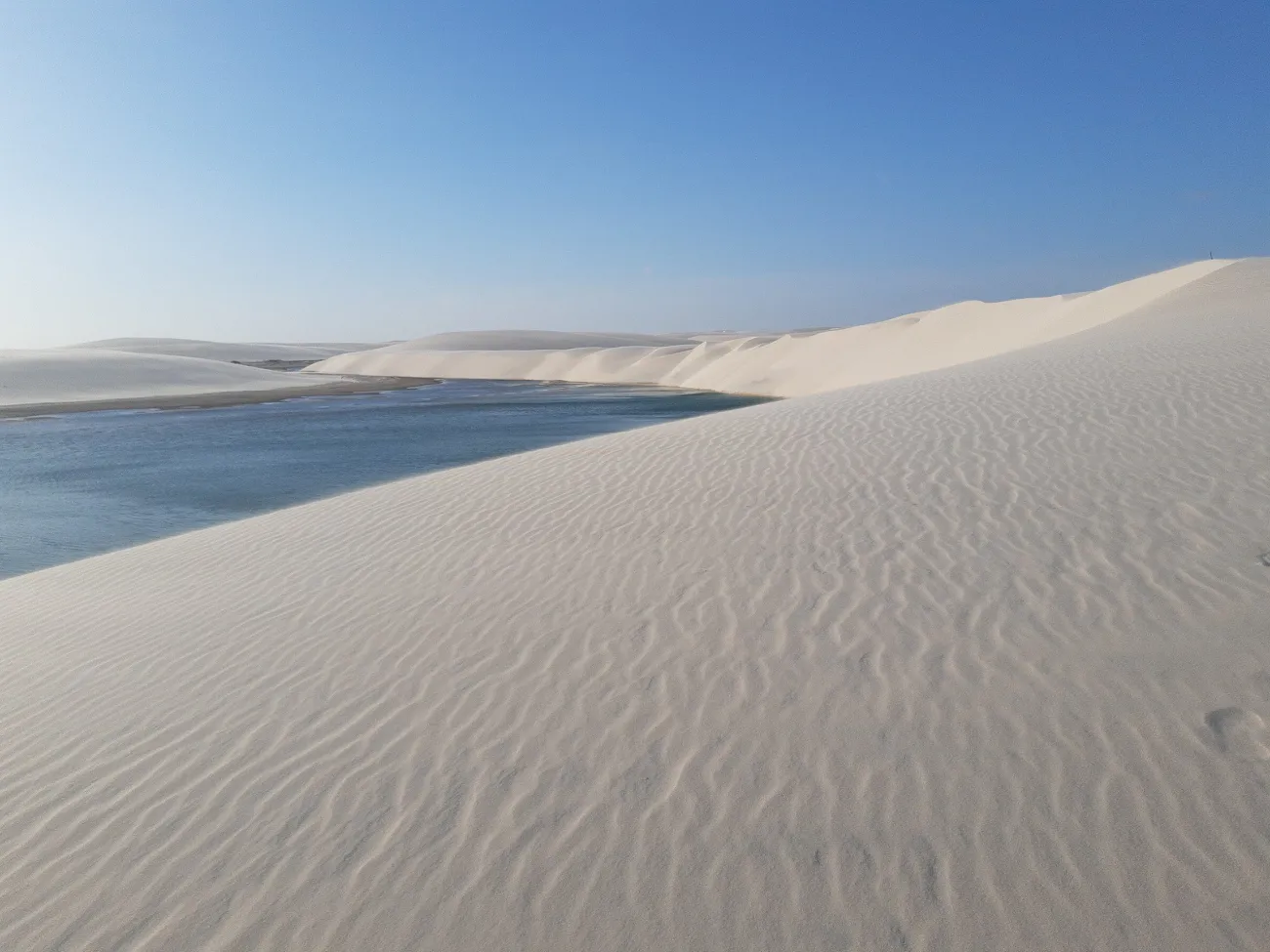
The usual reason to time this journey is to see rain-fed lagoons among the dunes. ICMBio’s park guidance points broadly to May–September after seasonal rains. Before booking, ask which circuits have suitable water now and how your chosen gateway affects the day’s travel.
A photograph of a deep blue lagoon may come from a different month or year. Later in the dry season, the dunes can still be striking while the swimming experience changes. Keep that distinction in your expectations, especially if the trip’s main purpose is swimming rather than landscape photography.
The central Amazon: higher and lower water offer different trips
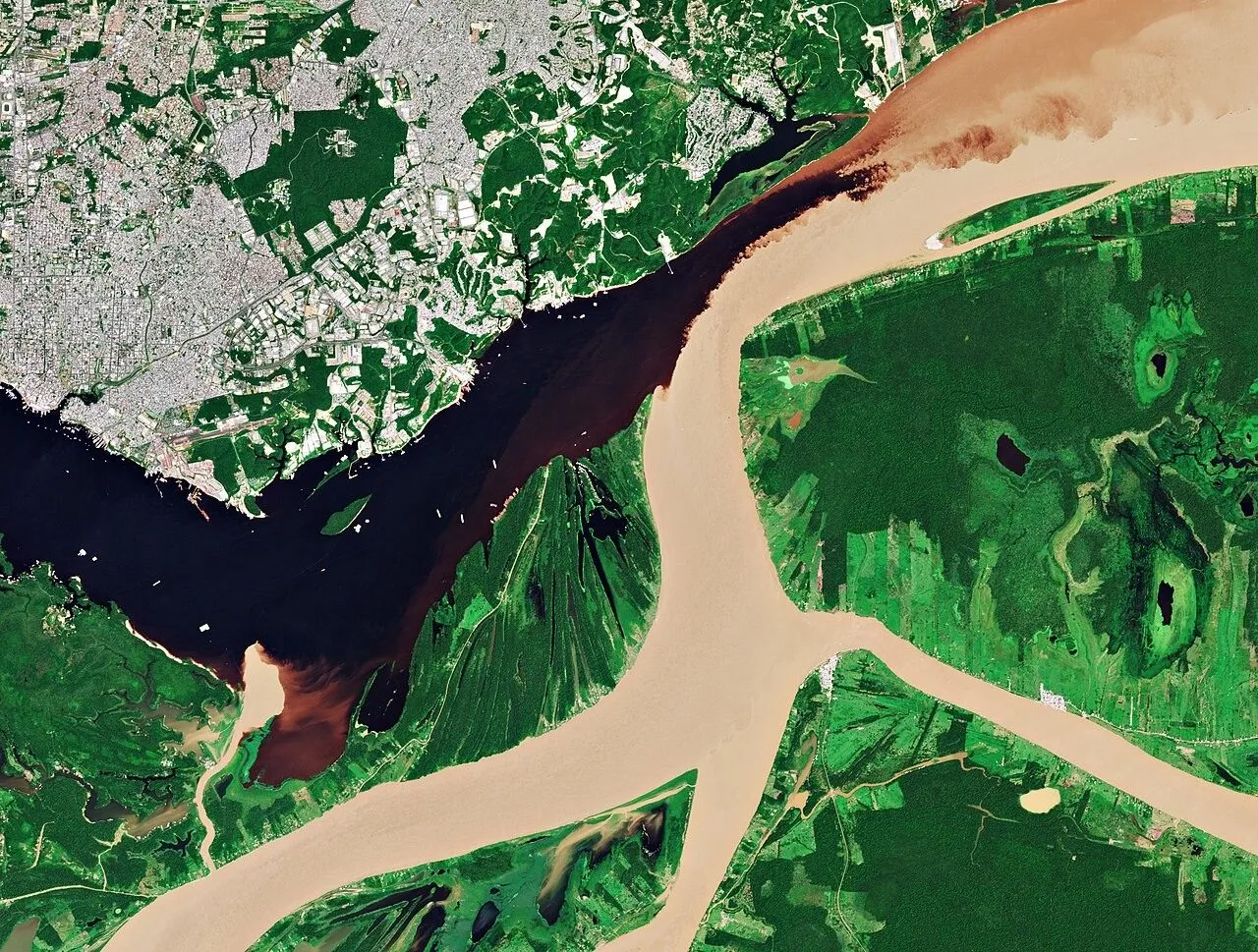
Around the Rio Negro, official tourism guidance describes a broad higher-water period from March to August and lower water from September to February. Higher water can open routes through flooded forest; lower water exposes river beaches and changes walking opportunities. These are different experiences, rather than a simple good-season and bad-season division.
The decisive question is what the lodge can offer on your dates. Ask how long the transfer takes under current conditions and which outings depend on water level. Choose several lodge nights so one disrupted transfer or storm does not consume the whole visit. The official central-Amazon parks guide provides regional context; the lodge supplies current detail.
The Pantanal: plan around the gateway and operator
The drier months, broadly May–September, are a useful starting point for a first wildlife itinerary. As water retreats, access and animal-viewing patterns change. The northern and southern Pantanal do not share one exact flood calendar, so book the area and lodge before assuming that a particular airport works.
Seasonal wildlife viewing never guarantees an encounter. Ask about the guiding schedule, boat time, current road conditions and any fire or smoke disruption. The Mato Grosso do Sul tourism authority explains its local cycle; ICMBio’s national-park advice concerns a specific protected area, not every lodge in the wider Pantanal.
Iguaçu and the South: leave room for variation
Iguaçu can fit into a trip throughout the year. Water volume depends on rain upstream, and unusually high water can change access to individual paths. Plan the available days and check the official park operator close to your visit; do not choose a date solely because someone has promised the strongest waterfall flow.
Farther south, cooler seasons can be part of the appeal, particularly for mountains and food-focused stays. Bring a layer that works after sunset. If the international flight home is fixed, return to its departure city with a buffer instead of placing a weather-sensitive road journey directly before check-in.
Pack for the route and keep one workable backup
Light layers, a compact rain layer, sun protection and shoes suited to the actual ground cover most combinations better than a suitcase built around one destination. Forest outings need different footwear from a city promenade. Check laundry access on longer trips, and protect documents and camera equipment from spray and sudden rain.
Review the INMET forecast and alerts, then ask your host about local effects. A national forecast cannot tell you whether one rural bridge, river landing or walking route is usable. When heavy rain changes access, move the outing; do not try to recover a reservation by driving through floodwater.
Brazil weather questions
What is the best month for a first trip to Brazil?
Choose your main region first. A trip focused on Rio and Iguaçu has different priorities from one built around Lençóis lagoons or Pantanal wildlife. Compare the seasonal grid, then leave flexible time for the outdoor highlight.
Is winter a bad time to visit Brazil?
No. June–September can work well for several nature itineraries, while southern cities and highlands can be cool. Winter means different things in different regions; bring clothing for every stop.
Can I see the Amazon in the rainy season?
Yes. Higher water around the central Amazon can allow flooded-forest canoe outings. Ask the lodge what its current water level permits, rather than assuming a single rainy-season rule applies to every river.
Are Lençóis Maranhenses lagoons always full?
No. The lagoons depend on seasonal rain and lose water as dry conditions advance. May–September is a broad planning window, but confirm the actual circuits and water levels before committing.
Tours, Tickets & Experiences
Brazil Travel Tips & Inspiration