
Sign in
For Photos4Travel editors and team members.
Rio de Janeiro · Photo Spots
Rio de Janeiro Photo Spots: Views, Beaches & Carnival
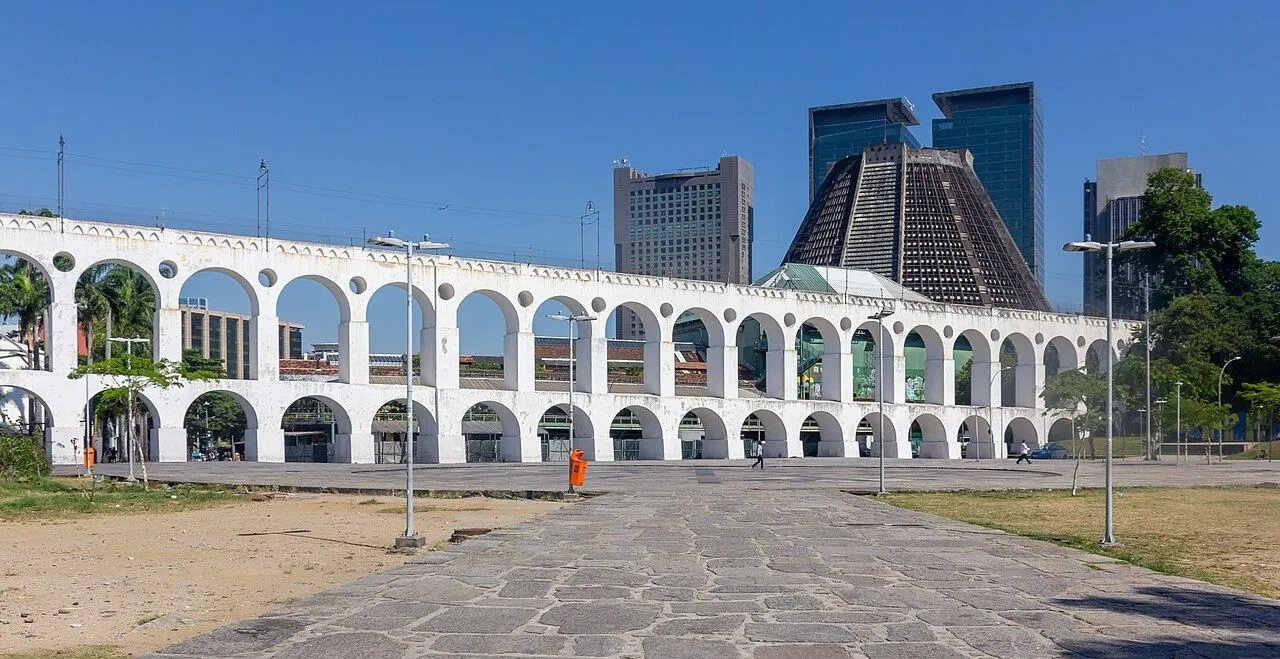

Rio photographs work best when the location, light and access fit the story you want to tell. A wide skyline, a beachfront detail and a Carnival performance need different plans. Use the standing points, metro exits and light suggestions below to choose a few purposeful stops. The Rio trip map helps place them in the wider city; allow for clouds, crowds and changing access.
Choose your photographic route
Swipe to compare, or focus the table and use the arrow keys.
| Photo stop | Where to stand or begin | Useful light or access window |
|---|---|---|
| Lapa arches and Selarón | Praça Cardeal Câmara, then the lower steps at Rua Manuel Carneiro | A daylight walk; morning or bright overcast |
| Copacabana and Leme | Promenade near Avenida Princesa Isabel; look along the bay | Around sunrise or lower late-afternoon light |
| Copacabana Palace | Beachside promenade opposite Avenida Atlântica 1702 | Try the earlier morning; stay on the public promenade |
| Arpoador and Dois Irmãos | Largo do Millôr paved forecourt, at the base of Pedra do Arpoador | Backlit coast before sunset; try the morning for light behind you |
| Christ and the Corcovado panorama | Statue forecourt, then the permitted summit viewpoints | Earliest bookable morning slot; ordinary entry is after sunrise |
| World War II memorial | Public park approach at Avenida Infante Dom Henrique 75 | Staffed daytime visit; respect ceremonies and any entrance limits |
| Morro da Urca and Sugarloaf | First-stage cable-line view, then upper-summit terraces | Leave time for both stages before an afternoon/sunset attempt |
Check the date before choosing a shooting time
Rio’s sunset is not fixed at 18:00. These US Naval Observatory examples for central Rio (22.9°S, 43.2°W) show the seasonal difference. Times are Rio local time (UTC−3), calculated for a level, unobstructed horizon; hills, buildings and cloud can hide the Sun earlier.
Swipe to compare, or focus the table and use the arrow keys.
| Example date | Sunrise | Sunset | Civil twilight ends |
|---|---|---|---|
| 21 June 2026 | 06:33 | 17:16 | 17:41 |
| 21 December 2026 | 05:05 | 18:37 | 19:03 |
Look up your actual travel date, then fit it to the attraction’s entry and return times. For Arpoador, arrive before sunset to choose a position; for Corcovado, choose an available morning visit rather than expecting ordinary admission at dawn. Civil twilight is a calculated light category, not a promise of a particular sky colour or safe access after dark.
Lapa–Selarón: a short daylight photo walk
Start at Cinelândia, exit A–Theatro Municipal, and follow Rua Evaristo da Veiga toward Praça Cardeal Câmara and the Arcos da Lapa. From the pedestrian space in the square, stand far enough back to keep a row of arches and a little pavement in the same frame; a diagonal angle makes their repetition more visible. Keep the roadway and tram structure outside your walking route.
Continue toward Rua Joaquim Silva and the foot of Rua Manuel Carneiro, the Selarón staircase. Start with a photograph looking up from the bottom, then take a tile detail from one side when there is room for people to pass. You do not have to climb the full staircase to make a useful set of photographs. Give this walk a daylight block, with morning or bright overcast light as practical starting choices; wait for gaps without expecting the steps to be empty.
The city announced Arcos restoration and Selarón-area works in 2026. Follow the current pedestrian signs and barriers, and leave enough flexibility to shorten the walk if an approach is being worked on.
Rio panoramas: let the landscape tell the story
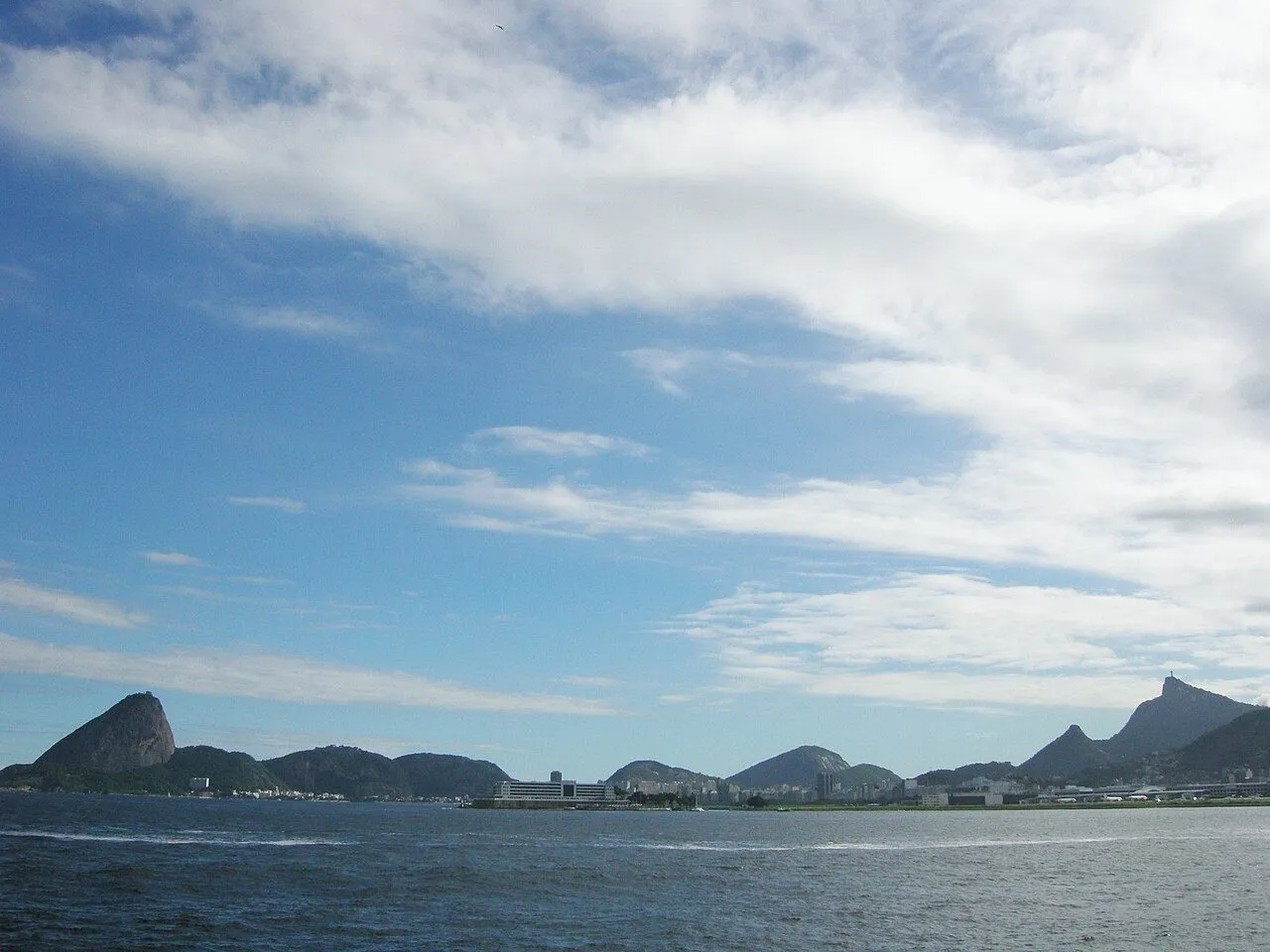

A view across Guanabara Bay gives you water, a recognisable skyline and layered hills; a summit view shows how those parts fit together. Choose Corcovado for the city below the statue or Sugarloaf for the bay and Copacabana. If distant hills disappear into haze, make a tighter photograph of the nearer shoreline rather than spending the outing waiting for a completely clear horizon.
Carnival photographs: parade, blocos and a workable plan
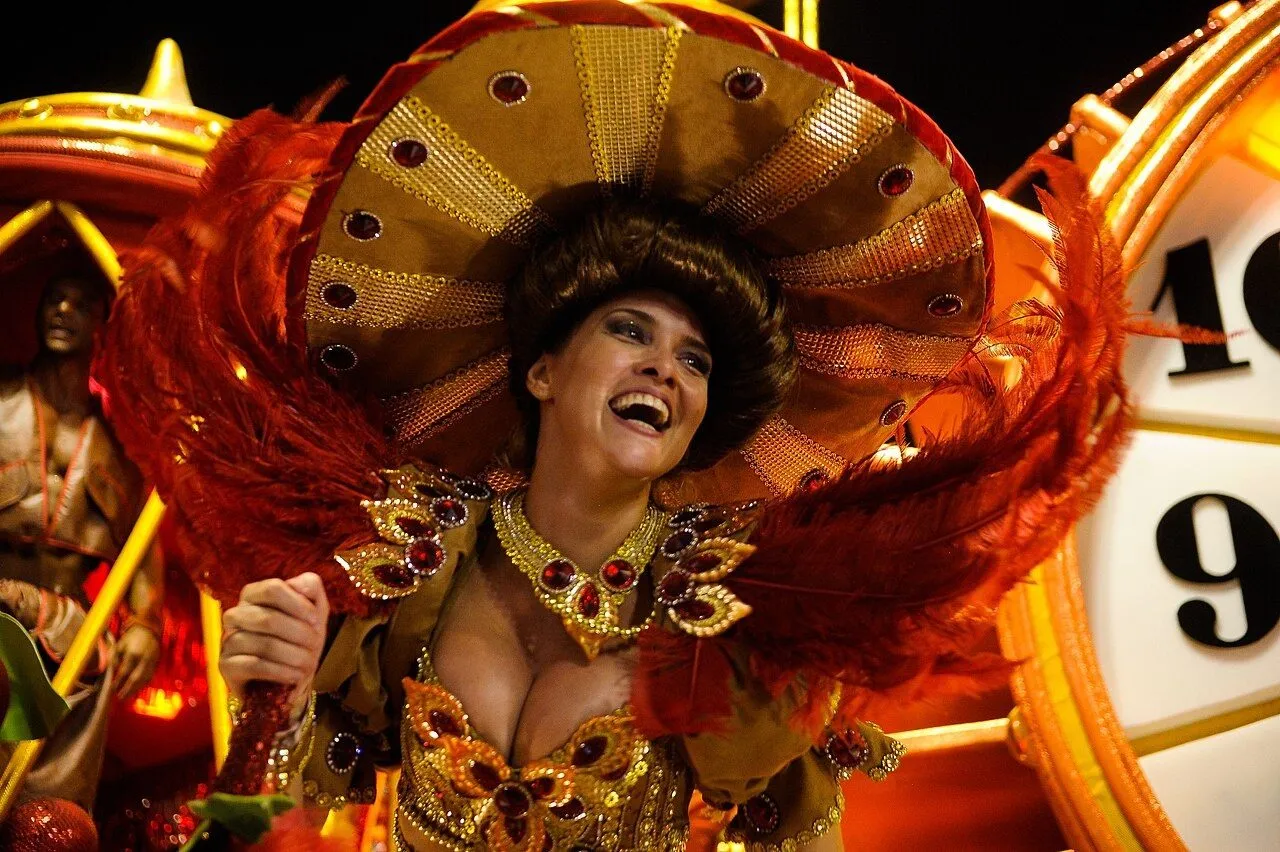

Parade or street bloco?
The Sambadrome hosts organised samba-school parades along a dedicated avenue, with spectators in the ticketed areas shown on LIESA's sector map. Street blocos are music-led gatherings in Rio's streets and squares, with their own neighbourhood setting and, for moving processions, an announced route. Riotur's account of street Carnival explains their musical themes. Choose the Sambadrome for school costumes, floats and the scale of the parade; choose a bloco for musicians, dancing and the surrounding streets. Check that event's meeting point, route and time.
Choosing a parade view
At the Sambadrome, your sector and seat influence the angle, distance and how much of the procession you can see. A close costume detail may need a different position from a photograph showing the entire avenue. Select the experience first instead of buying an unspecified “Carnival ticket” for a promised view.
The 2027 parade dates
LIESA's 2027 programme lists Grupo Especial parades on 7, 8 and 9 February and the Champions parade on 13 February. Street-bloco schedules are separate and should be checked near the event. Do not treat those four nights as the whole festival or assume that a parade photograph represents an ordinary evening in Lapa.
Camera and bag rules
Check the current event rules for cameras, lenses, bags, tripods and any professional permissions before buying.
Working safely in the crowd
At a bloco, crowds move and available space changes quickly: travel light, agree a meeting point and avoid stepping into performers' or emergency routes. Ask before making a posed close-up, respect a refusal and take particular care around children. Keep the camera secure and organise the return journey while you still know your location.
Copacabana: promenade, shoreline and everyday movement
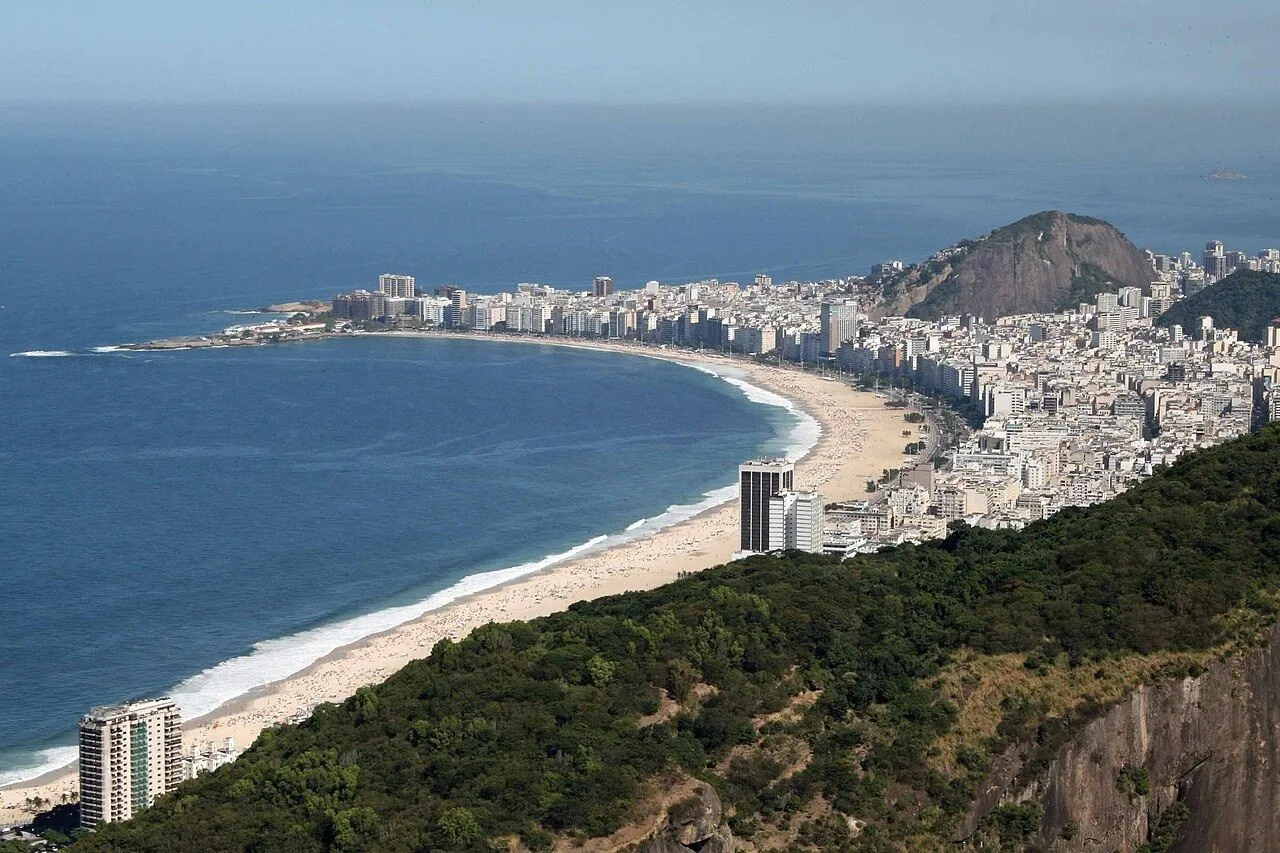

For a beach-level composition, use the public promenade where Avenida Princesa Isabel meets Avenida Atlântica, at the Copacabana–Leme end of the bay. Look along the shore toward the long curve of Copacabana, with the black-and-white pavement in the foreground. Move within the pedestrian space to separate the wave pattern from kiosks and beach furniture; keep the cycle lane clear.
From Cardeal Arcoverde, exit A–Praça Cardeal Arcoverde, follow Rua Rodolfo Dantas toward Avenida Atlântica, reach the beachside promenade at a marked crossing and continue toward Leme. The Palace facade is a useful stop along this coastal walk. For lower, warmer light, try the period around sunrise or later in the afternoon; the bay changes direction as it curves, so move to suit the light rather than expecting one position to work for every photograph.
Christ the Redeemer: a clear subject in a busy space
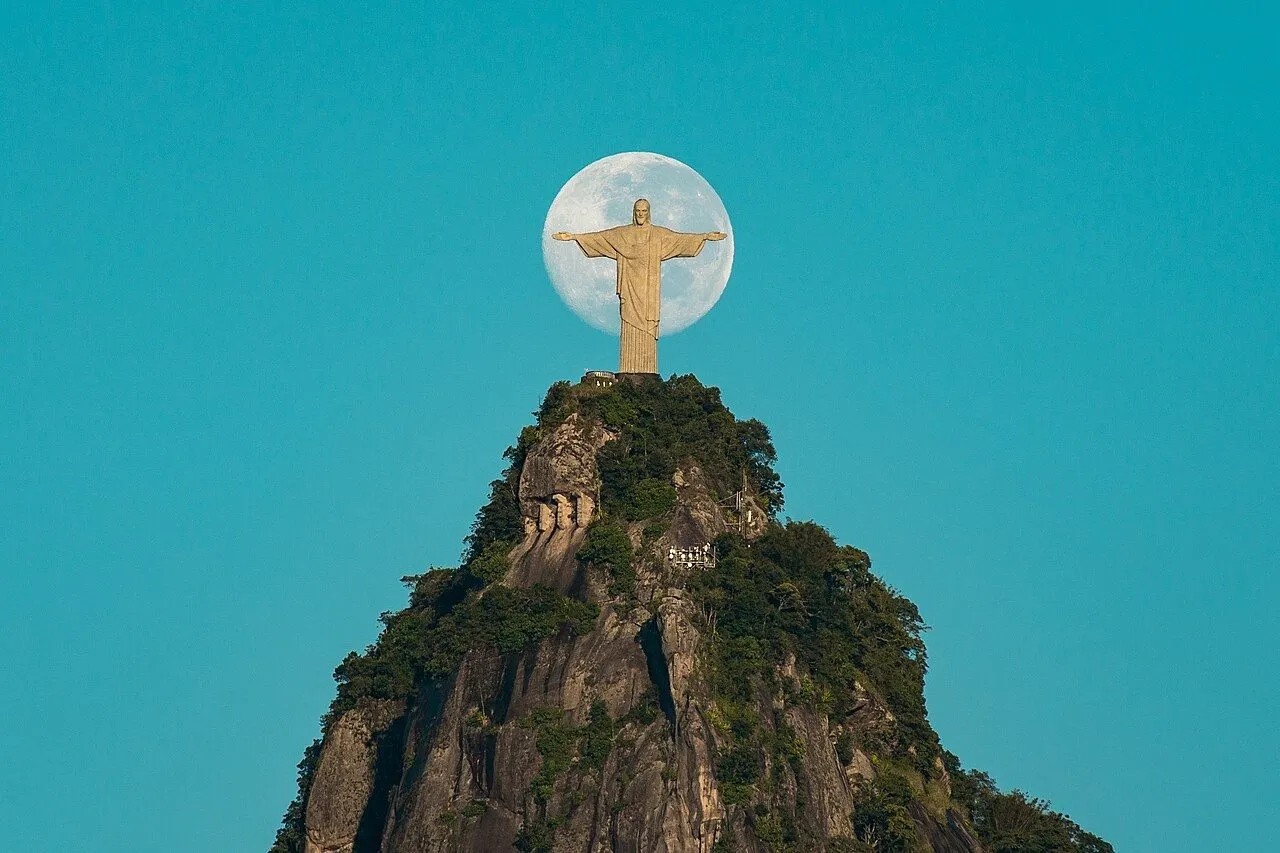

For the familiar frontal statue photograph, use an open position in the visitor forecourt facing the monument. Begin with a vertical frame, allowing space above the outstretched arms, then move a little to either side to reduce the number of people directly in front of you. Keep off the main steps and leave the centre of the circulation route open. The city panorama is a second composition within this same summit visit.
Book the earliest available morning slot if you want to try morning light on the monument. The ordinary visit starts after sunrise; it does not give dawn access. For the train, the boarding address is Rua Cosme Velho 513. Largo do Machado metro, exit A–Largo do Machado, still requires a separate road connection to that station. The official van instead has its own booked boarding points, including Largo do Machado and Praça do Lido. Match your reservation to the departure point.
Read the dated Corcovado access guidance before booking: current escalator works leave an 80-step final staircase. Summit cloud can hide both the statue and the panorama, so keep this outing flexible within your ticket's terms.
Copacabana Palace: architecture from the public promenade


Stand on the public beachside promenade opposite Avenida Atlântica 1702 for the Palace's main facade. A position near the middle of the building suits a symmetrical frame; moving along the promenade brings the palms, pavement and a longer line of the hotel into the picture. Stay within the pedestrian area and wait for a gap in traffic instead of stepping into Avenida Atlântica.
Use Cardeal Arcoverde metro, exit A–Praça Cardeal Arcoverde, then Rua Rodolfo Dantas toward the beach. Try the earlier part of the morning for lower light on the facade, with bright overcast as another option for its pale architectural details. This stop needs no hotel booking when you remain on the public promenade; pool, interior and guest-area photography requires the hotel's access arrangements and permission.
Ipanema and Arpoador: shoreline and the Dois Irmãos view


Ipanema and Leblon curve below Morro Dois Irmãos in the photograph above. For a visit built around sea-level photography, use Arpoador at Ipanema's eastern end and look back along the shore toward the twin peaks. You can combine the beach, mountain skyline and an evening meal without adding a hill hike.
Arpoador: look back toward Dois Irmãos


Stand in Largo do Millôr, the paved seafront space at the base of Pedra do Arpoador, and look west along Ipanema and Leblon toward Dois Irmãos. This beach-level frame needs no climb onto the rocks. Keep the curve of sand in the lower part of the picture and the twin peaks as the distant anchor, leaving room for people to pass through the forecourt.
From General Osório, exit B–Jangadeiros, follow Rua Jangadeiros to Avenida Vieira Souto, then continue along the seafront toward Arpoador and Largo do Millôr. Arrive before sunset to choose a position: looking west gives you a backlit coast and possible mountain silhouettes, while the sun's position changes through the year. Try the morning for light coming from behind you toward the coast, rather than expecting illuminated mountain faces at sunset.
Stay on the paved area when the sea is rough; do not move onto wet rocks for a cleaner foreground. For a sunrise visit, check the first metro and exit opening times for your date, or use a nearby base or prearranged road transport.
The city view from Corcovado
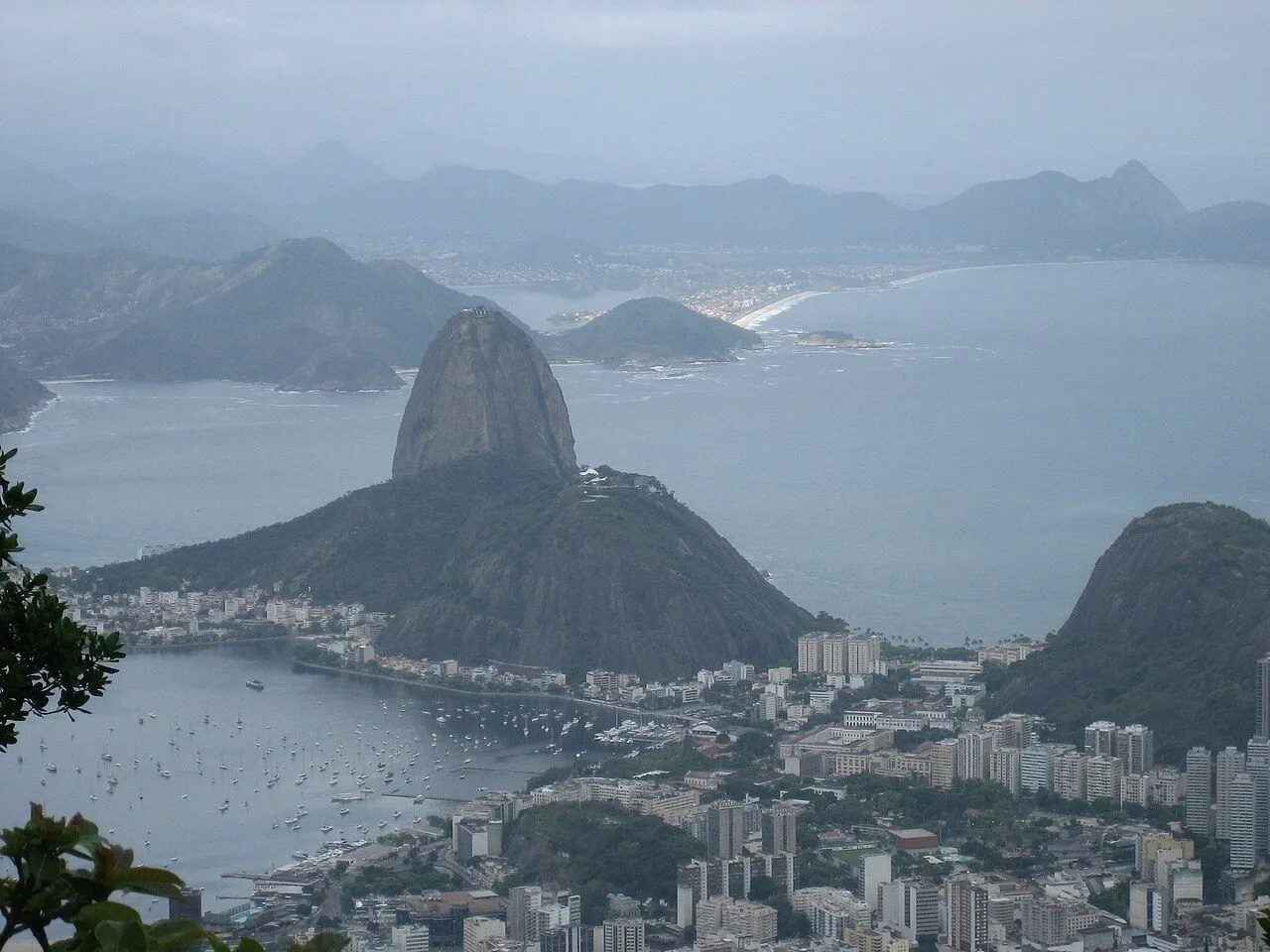

From the summit's open public viewing areas, look east toward Sugarloaf and Guanabara Bay for the layered-hill composition. Turn toward the south for Lagoa Rodrigo de Freitas and the South Zone coast. Use only the viewpoints open on the day, working from the permitted visitor side of the rail rather than leaning out for a wider angle.
This panorama shares the same Corcovado admission and ascent as the statue photograph. Make the landscape frame before leaving the summit. Clear air matters more than a particular clock time: after checking the closer hills, decide whether there is enough visibility to include the distant bay or whether a tighter frame around Sugarloaf will read better.
World War II memorial: form, space and remembrance


Use Avenida Infante Dom Henrique 75 as your destination for the Monument to the Dead of World War II, in Parque do Flamengo between the MAM area and Marina da Glória. Begin from the public park approach facing the two tall pillars: a little distance lets the broad canopy and open space stay in the frame. If the forecourt is open to visitors, continue only within the area indicated by the entrance staff and keep clear of ceremonies and the Tomb of the Unknown Soldier.
Glória metro, exit A–Glória, is a starting point for a separate park approach; use the designated pedestrian access or arrange a drop-off for the monument's entrance. Do not cross the park's traffic lanes to shorten the route. Choose staffed daytime visiting hours or soft overcast light for the architecture; do not plan this as an unrestricted dawn or night shoot.
Sugarloaf: cable cars and hilltop views


Use both cable-car stages for different photographs. At Morro da Urca, look toward the higher Sugarloaf peak and the cable line leading to it. From the upper summit's permitted viewing terraces, turn southwest toward Copacabana for the bay's curve, then west toward Corcovado for the hill-and-city layers. Find a clear position at the visitor rail and let a cable car enter the frame when that is your subject; keep the boarding platforms moving.
The entrance is Avenida Pasteur 520, Urca. Follow the operator's route: Botafogo metro, exit E–Mena Barreto, followed by bus 513 from Rua Voluntários da Pátria to UNIRIO and the final walk along Avenida Pasteur. A booked road transfer can simplify that last connection.
For an afternoon visit, arrive with time to explore the first hill before continuing upward; a ticket close to last admission leaves less room for this. Check the current operator schedule and the weather before fixing a sunset plan. Bring a small handheld kit: the operator prohibits drones and large equipment, including tripods, and commercial photography needs prior permission.
Camera safety, consent and access
Use the smallest kit that achieves your plan, keep straps secure and avoid displaying equipment for longer than necessary. Arrange night transport before leaving a venue. For parks, monuments, hotels and ticketed events, check current tripod and professional-photography rules; ordinary admission does not establish permission for a commercial shoot.
Do not assume that a drone may be flown because a view would look better from the air. Permissions, airspace and site restrictions require separate checks. Stay on permitted routes, avoid wildlife disturbance and ask before a posed portrait. An interesting image is never worth blocking a path, entering a restricted area or getting close to rough water.
Travel Tip: Give each outing one main photographic idea and one fallback. You will have more time to observe the scene and less reason to hurry between distant viewpoints.
Photo Spots: FAQs
Can I photograph both the statue and the panorama at Corcovado?
Yes, plan them as separate compositions within the same visit, subject to current access and visibility. Leave room for other visitors and keep circulation routes clear.
Does a Carnival ticket guarantee a close view of performers?
No. Sector, seat, event format and restrictions affect the view. Check what the actual ticket includes and choose the position for the photograph you want.
May I use a tripod or drone at every photo spot?
No. Site, event and airspace rules differ. Check current permissions separately; a public-looking space or ordinary admission is not blanket authorisation.
Can I visit Christ the Redeemer at sunrise with an ordinary ticket?
No. Ordinary morning admission starts after sunrise. Choose the earliest available train or official-van reservation for morning photography, and allow time for the ascent and the final approach to the monument.
Do I need to climb the Arpoador rocks for the Dois Irmãos view?
No. Largo do Millôr, the paved seafront space at the base of the rock, gives a view back along Ipanema and Leblon toward Dois Irmãos. The coast is backlit around sunset; try the morning for light coming from behind you. Stay clear of wet rocks and rough water.
Last updated: