
Sign in
For Photos4Travel editors and team members.
Rio de Janeiro · History & Culture
Rio de Janeiro History & Culture: Museums, Architecture & Memory
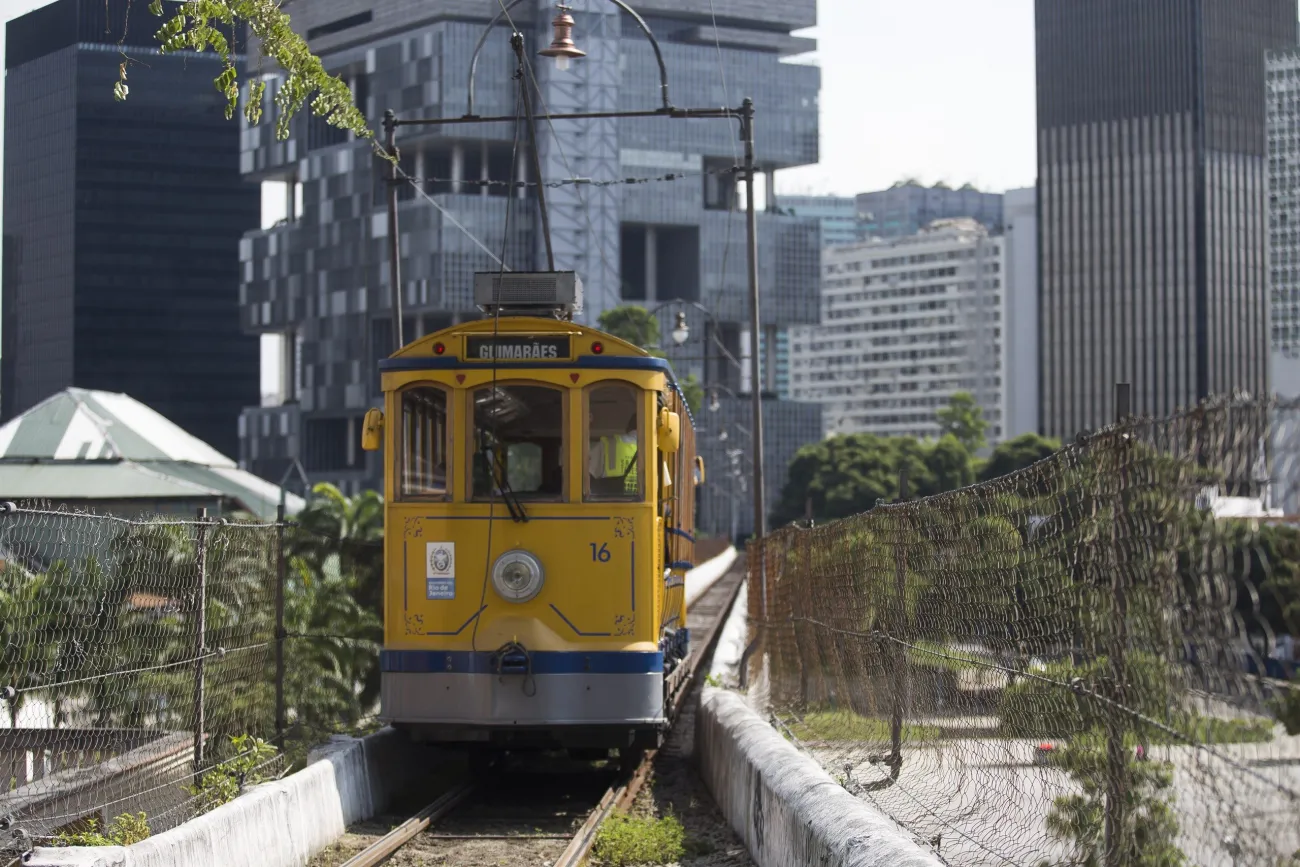

Rio's cultural story is spread across the city. Former financial buildings now hold exhibitions; the port district preserves the physical evidence of slavery; an early twentieth-century theatre still has a performing life. Across Guanabara Bay, Niterói adds a separate chapter in modern architecture.
Choose a few places that help you understand those layers. This combined guide brings history, museums and architecture together, with a practical distinction between an exterior stop, an exhibition visit, a performance and a cross-bay outing.
A short history that helps you read the city
The Portuguese city was founded in 1565, but Rio's history cannot be reduced to a story of European buildings. Indigenous histories, the forced arrival of enslaved Africans and the lives of their descendants belong at the centre of how the city is understood. A visit to the port district adds essential context to the palaces and civic façades of Centro.
Swipe to compare, or focus the table and use the arrow keys.
| Date | What changed | What it helps explain today |
|---|---|---|
| 1565 | The founding of the Portuguese city of São Sebastião do Rio de Janeiro | The strategic importance of the bay and its approaches |
| 1763 | Rio became the colonial capital | The concentration of administrative and commercial activity in Centro |
| 1808 | The Portuguese royal court arrived | The city's place in the histories of monarchy and national institutions |
| 1960 | The federal capital moved to Brasília | Why Rio retains major cultural institutions while no longer being Brazil's capital |
The chronology is supported by the city's history teaching material. On the ground, look for changes of use rather than expecting the buildings of one period to form a complete, untouched historic quarter.
Choose a visit by subject and location
Swipe to compare, or focus the table and use the arrow keys.
| Place | Main reason to visit | Planning point |
|---|---|---|
| Valongo Wharf | Memory of the transatlantic slave trade | A reflective port-district stop; a specialist guide can add context |
| CCBB Rio | Changing exhibitions inside a former financial building | Closed Tuesdays; check the current exhibition and reservation |
| Museu do Amanhã | Science, society and possible futures | Closed Wednesdays; buy the correct dated time slot |
| Theatro Municipal | Performance architecture and the living arts | A façade stop, guided visit and performance need different arrangements |
| MAC Niterói | Contemporary art and Oscar Niemeyer's architecture | A separate journey across the bay; check gallery access and the exhibition |
Opening patterns were checked on 13 November 2026. Holiday changes, exhibition installations and individual sessions can still affect a visit. Do not plan an all-museum day without checking each institution; Rio's museums do not share one closing day.
Valongo Wharf: begin with the history behind the port
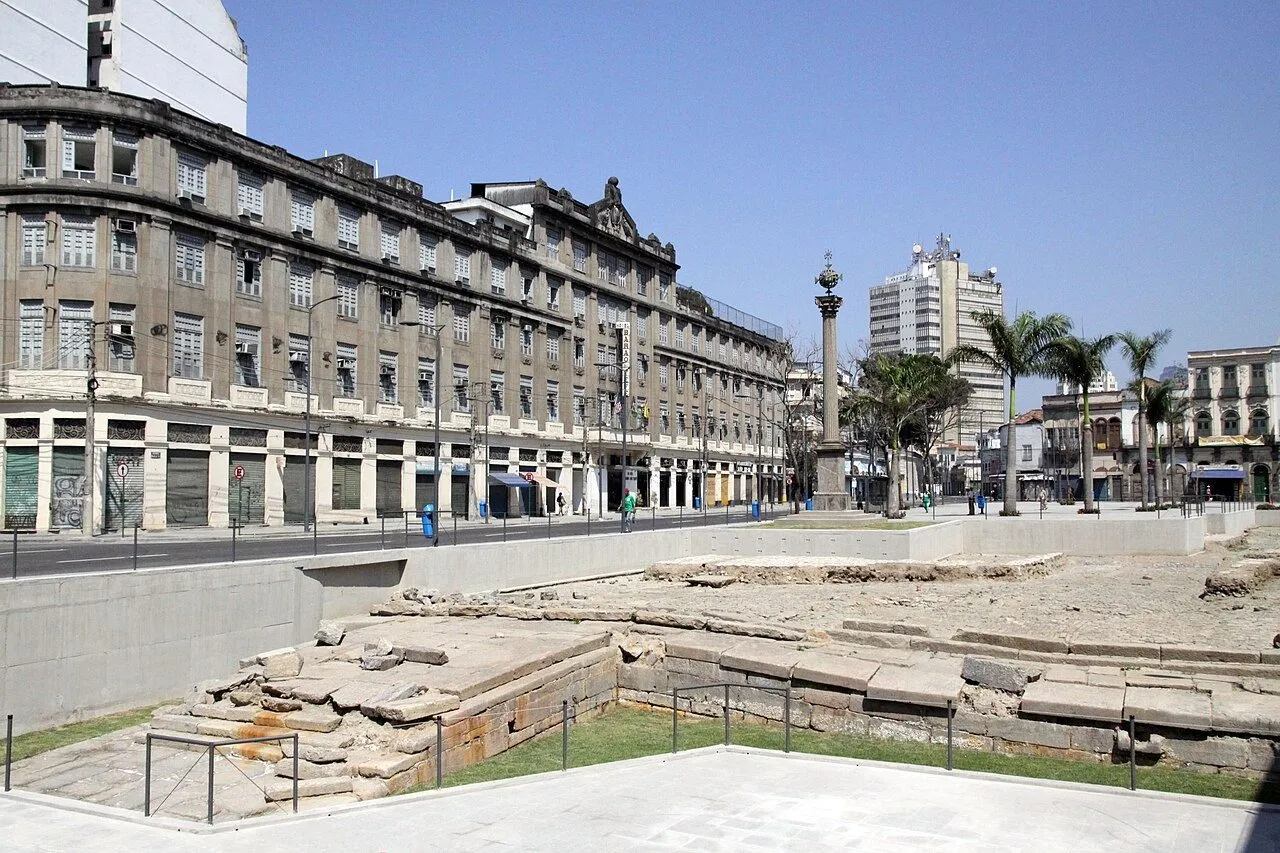

The surviving paving of Valongo Wharf is a place of memory, not a decorative backdrop. Construction began in 1811 for the disembarkation of enslaved Africans; the archaeological remains make that violence physically present within today's city. UNESCO inscribed the site on the World Heritage List in 2017, recognising its historical and spiritual significance.
Allow time to read the interpretation and consider a guided walk led by someone with a strong connection to Afro-Brazilian history and the port district. Ask what the route covers and how local knowledge is represented. Pequena África is a living cultural area as well as a historical one; it should not be reduced to a stop between a mural and a bar.
The city tourism listing places the site on Avenida Barão de Tefé in Saúde. It can be part of a daylight port-district itinerary, with a museum later, rather than a hurried diversion from a full day elsewhere. Photograph respectfully and keep clear of interpretation panels and other visitors.
CCBB Rio: an exhibition visit inside a former financial landmark


The Centro Cultural Banco do Brasil brings a changing cultural programme into a building associated with Rio's commercial and banking history. Look at the rotunda and circulation spaces as well as the exhibition you came to see. The institution's building history dates its opening for the commercial association to 1906 and the cultural centre to 1989; its later banking use explains why this is much more than an exhibition hall purpose-built for tourism.
The current ticket guidance lists Wednesday to Monday, 09:00–20:00, with Tuesday closure. Entry and exhibitions are free, but free admission does not mean a popular exhibition can always be entered immediately. Check the programme and reserve the relevant session when available. Films, theatre and other events have their own arrangements.
Choose the exhibition for its subject rather than booking solely for an attractive interior photograph. CCBB fits well into a Centro day; allow time to engage with one show before adding another institution. Visitors requiring a route with fewer barriers should consult the centre's access guidance and the team on arrival.
Museu do Amanhã: make the interior part of the plan


The Museum of Tomorrow is the strongest contrast to a visit focused on the past. Its subject is the relationship between science, people and the futures that human choices may create. Give the exhibitions time; seeing the waterfront building from Praça Mauá is a different experience from entering the museum.
The official visitor page currently lists Thursday to Tuesday, 10:00–18:00, with last admission at 17:00 and Wednesday closure. Standard adult admission is R$40; eligible half-price admission is R$20 with proof. Tickets apply to the booked date and hour. These published details were checked on 13 November 2026; confirm them when selecting your visit.
The indoor visit can provide a weather alternative, although the waterfront approach is exposed to sun or rain. Keep it to one substantial museum if you also want a thoughtful walk through the port district. For photography, follow the museum's house rules: the Cosmos area has restrictions, and flash and selfie sticks are not permitted. Check the exhibition's information before assuming every space can be photographed.
Theatro Municipal: choose a guided visit or a performance


The Theatro Municipal anchors a different part of Centro around Cinelândia. Opened in 1909, it reflects the ambitions of the city when Rio was the federal capital. Its setting and exterior reward attention, but the performing arts are part of its identity: a concert, opera or ballet is a different reason to visit from seeing the building's public interiors.
Use the theatre's own programme and visitor information to choose the correct experience. A performance ticket is not an architectural tour, and guided-visit access does not promise every backstage area. Confirm the current session, language, ticket process and accessible route directly before going; a timetable copied from an older visit can be misleading.
The state culture department's building history provides context for the 1909 opening and the decorated public rooms. Combine the theatre with a daytime Centro route, or make the performance the main evening activity. Keep dinner and the return journey realistic for the actual finishing time, rather than treating the event as a brief photo stop.
MAC Niterói: a separate contemporary-art outing across the bay


The Museum of Contemporary Art pictured so often in Rio travel collections is in Niterói, across Guanabara Bay. It is not a museum beside Copacabana or a stop on a short walk through Centro. Oscar Niemeyer's circular building, the external red ramp and the outlook toward Rio make architecture a substantial part of the visit.
The Brazilian museum directory records the 1996 opening and the distinction between the galleries, panoramic circulation and external setting. Check the municipal visitor listing and current museum announcements for gallery access and exhibitions. Courtyard access and an open gallery are separate questions; ticket information across older listings is inconsistent, so confirm the price for your date.
Reserve a generous half-day or longer once the crossing, onward transport, museum and return are included. A ferry arrival in central Niterói is not arrival at the museum door. Use the transport guide to plan the separate stages. If contemporary art is not a priority and your Rio stay is short, an additional day in the city may be a better use of your time.
Build a cultural day without rushing between buildings
For a Centro day, choose CCBB as the main exhibition, leave time for lunch and the surrounding streets, then decide whether a theatre visit fits the actual programme. For a port-district day, begin with the historical context around Valongo and reserve the Museum of Tomorrow for a separate, unhurried block. Keep the Niterói outing on another day.
Other museums can be valuable alternatives, but access needs checking at the institution rather than assuming that a historic collection is fully displayed. For example, the Museu da República's July 2026 update reports only partial palace access, with the ground floor open and the Getúlio room inaccessible. This is a reason to check the specific rooms you want to see, not to treat every museum as closed.
A guide is most useful when interpretation matters: Afro-Brazilian history, architectural change or the links between sites. Ask about the language, subject, walking distance and the communities whose history is being discussed. The quality of that conversation matters more than the number of façades on the itinerary.
Travel Tip: Check closing days before reserving another attraction. CCBB closes on Tuesday; the Museum of Tomorrow closes on Wednesday. Swapping those visits can rescue a plan without adding another journey.
History & Culture: FAQs
Is Rio de Janeiro still Brazil's capital?
No. The federal capital moved to Brasília in 1960. Rio's former capital role helps explain its concentration of historical institutions and civic buildings.
Which cultural visit is best for a rainy day?
Choose an exhibition or indoor visit whose subject interests you, then check the closing day and ticket arrangements. CCBB and the Museum of Tomorrow are different experiences and do not close on the same weekday.
Are CCBB exhibitions free?
The current CCBB guidance says entry and exhibitions are free. Popular exhibitions can still require a reservation or a timed admission, while performances and other events have their own arrangements.
Is MAC Niterói in Rio de Janeiro city?
No. It is in Niterói, across Guanabara Bay. Plan a separate outing with the crossing and onward transport; arriving at a ferry terminal does not put you at the museum entrance.
Can I see the entire Museu da República palace?
Do not assume full access. Its July 2026 notice reports partial ground-floor opening and the Getúlio room inaccessible. Check the museum's latest information for the rooms available on your date.
Why include Valongo Wharf in a first visit?
The surviving archaeological site provides essential context for the forced arrival of enslaved Africans and the history of the port district. It is a place of memory that deserves time and respectful interpretation.
Last updated: