
CZECHIA · PRAGUE GUIDE
Prague History & Culture: Reading the City
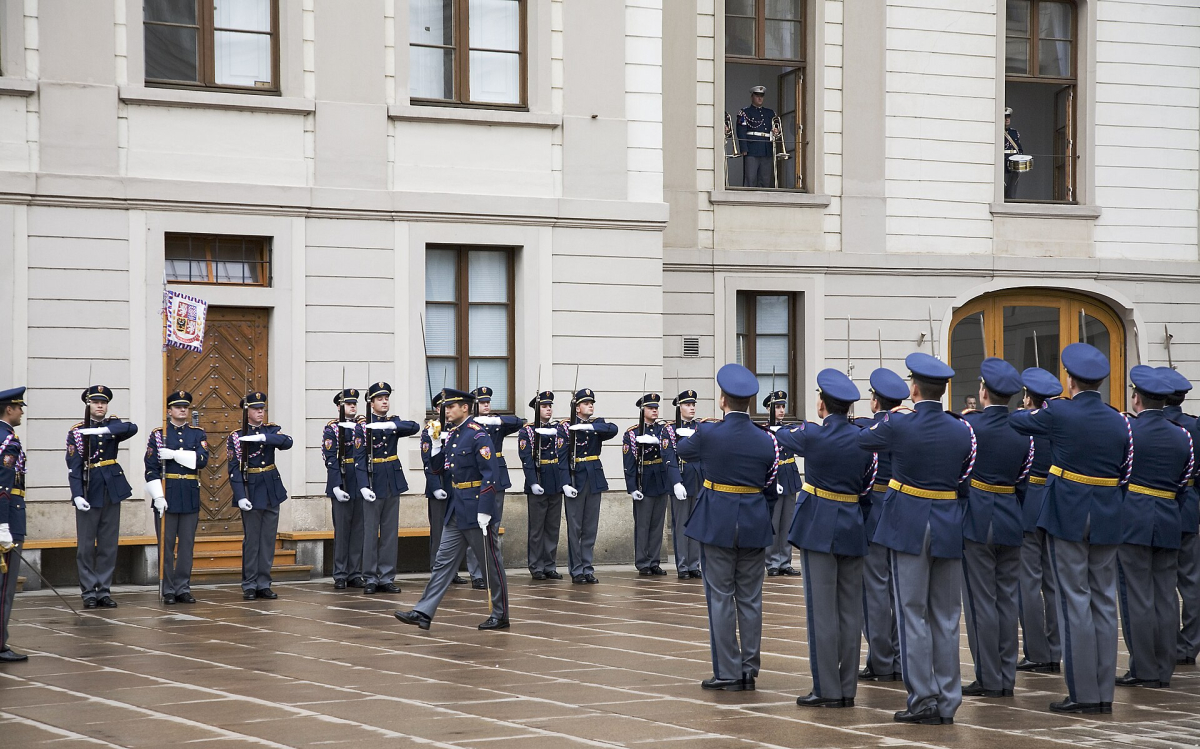
Prague’s buildings make more sense when you read them as layers. Royal and religious power gathered on the west-bank heights, while trade shaped the streets and squares below and across the river. Later boulevards, cafés and cultural institutions added other centres of activity. The city was not frozen in one medieval moment, and its present-day residents are more than a backdrop to historic scenery.
Start with Geography, Not a List of Dates
The Vltava is the easiest organising line. Hradčany surrounds the castle on high ground, with Malá Strana below it. Staré Město, the Old Town, is across the river. Nové Město, the New Town, is medieval in origin despite its name; Josefov preserves important traces of Jewish history within a district also changed by later redevelopment. Follow the neighbourhood map to relate these areas before choosing a walking route.
| Choice | What it means for your trip |
|---|---|
| Gothic | Vertical stonework, pointed arches and the bridge-tower skyline. Compare the castle cathedral with the east-bank towers. |
| Renaissance | Palace courtyards, proportion and decorative façades; small architectural details repay a slower look. |
| Baroque | Dramatic domes, movement and rich church interiors, particularly around Malá Strana. |
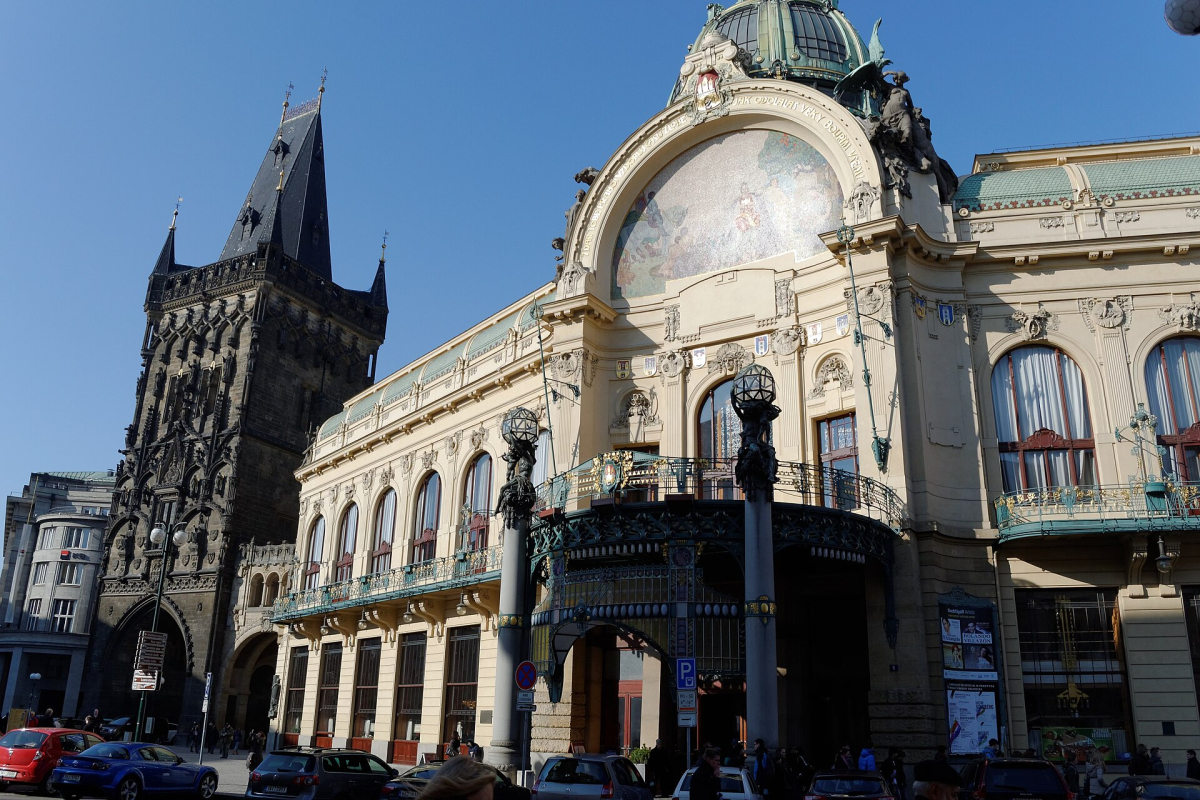
| Art Nouveau and the modern city | Decorative civic buildings and cafés around the Municipal House and New Town offer a different scale and purpose. |
Charles IV and the Medieval City
The reign of Charles IV is central to the city’s medieval identity. Charles University was founded in 1348, and major building projects helped make Prague an imperial centre. The bridge and the cathedral demonstrate different functions of that programme: movement and display on the river, worship and royal ceremony above it. Use these connections to choose a coherent half-day rather than treating every building as an isolated sight.
Jewish Prague: More Than One Building
The Jewish Museum is a group of sites, not one gallery behind a single entrance. Synagogues, the Old Jewish Cemetery and exhibitions explain communities, religious practice and persecution in different ways. Give this visit time and check its calendar: the museum closes on Saturdays and Jewish holidays. Photography and commercial use have specific restrictions. The museum’s own visitor information is the right starting point; our Attractions guide helps compare this visit with other cultural stops.
Twentieth-Century Turning Points
Prague was the capital of Czechoslovakia after its creation in 1918. Nazi occupation and the Holocaust devastated communities; communist rule subsequently reshaped public life. The 1968 Prague Spring and the Soviet-led invasion belong to a different moment from the 1989 Velvet Revolution. The peaceful division of Czechoslovakia in 1993 made Prague the capital of the Czech Republic; Prague did not itself “split from” Czechoslovakia. Keeping those distinctions clear avoids a misleading one-line version of the city’s history.
Where to Explore These Stories
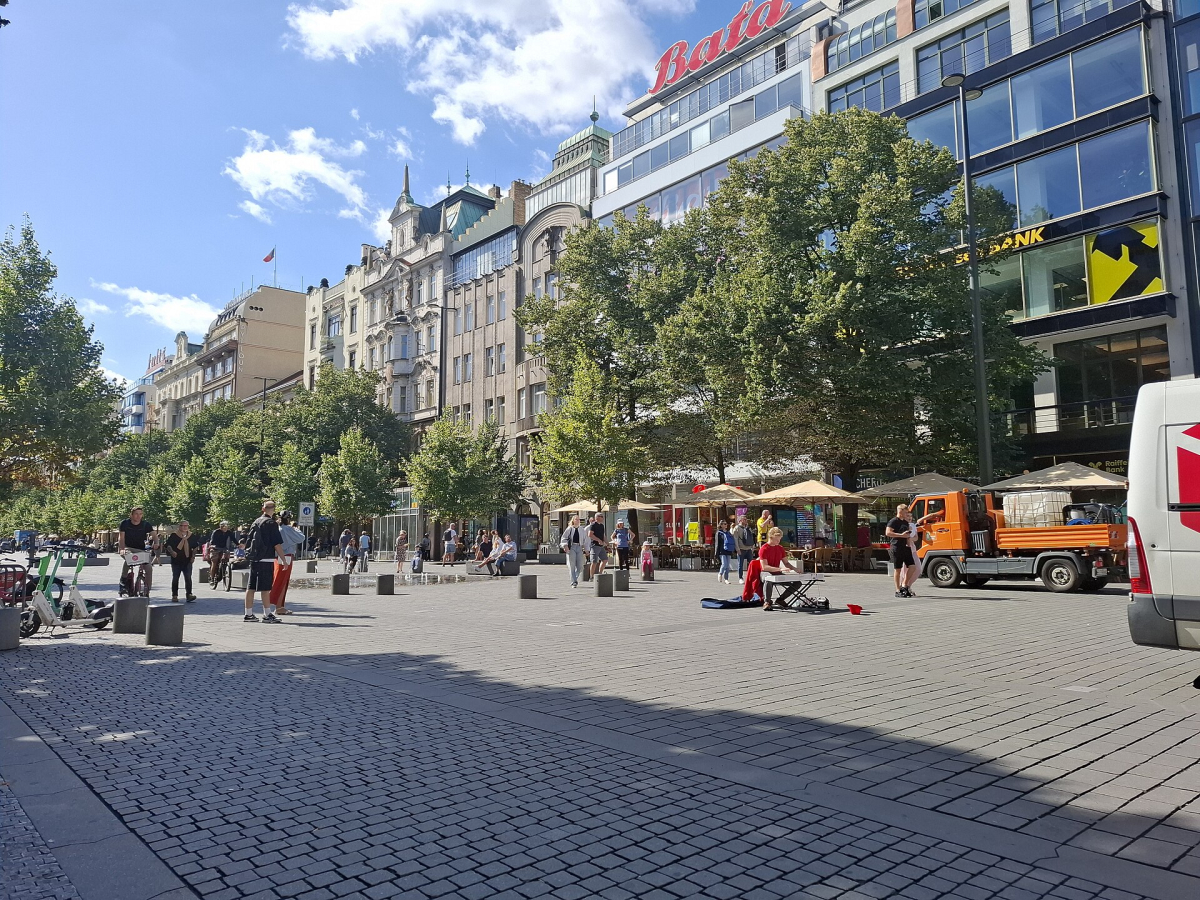
Choose the National Museum for a structured introduction to the Czech lands. Its history exhibition is a useful framework before a city walk, while Jewish Town deserves its own focus. The Municipal House makes the role of public culture and decorative architecture visible. Wenceslas Square is a place to consider modern public life and demonstrations as well as a route between shops and transport stops. Avoid compressing all three into a rushed rainy afternoon.
Everyday Culture and Respectful Visits
A café visit, theatre programme or neighbourhood market shows another side of Prague. Choose an event for its actual content and language rather than assuming every historic venue offers the same experience. Churches may combine worship, sightseeing and concerts, each with different access arrangements. Keep a quiet distance from services and observe posted photography rules. Food & Drink and Nightlife explain how to make a cultural evening into a practical plan.
Sources and planning updates
Information checked on 18 October 2026. Recheck prices, opening calendars and temporary access changes before travelling.



