
CZECHIA · PRAGUE GUIDE
Prague Travel Guide
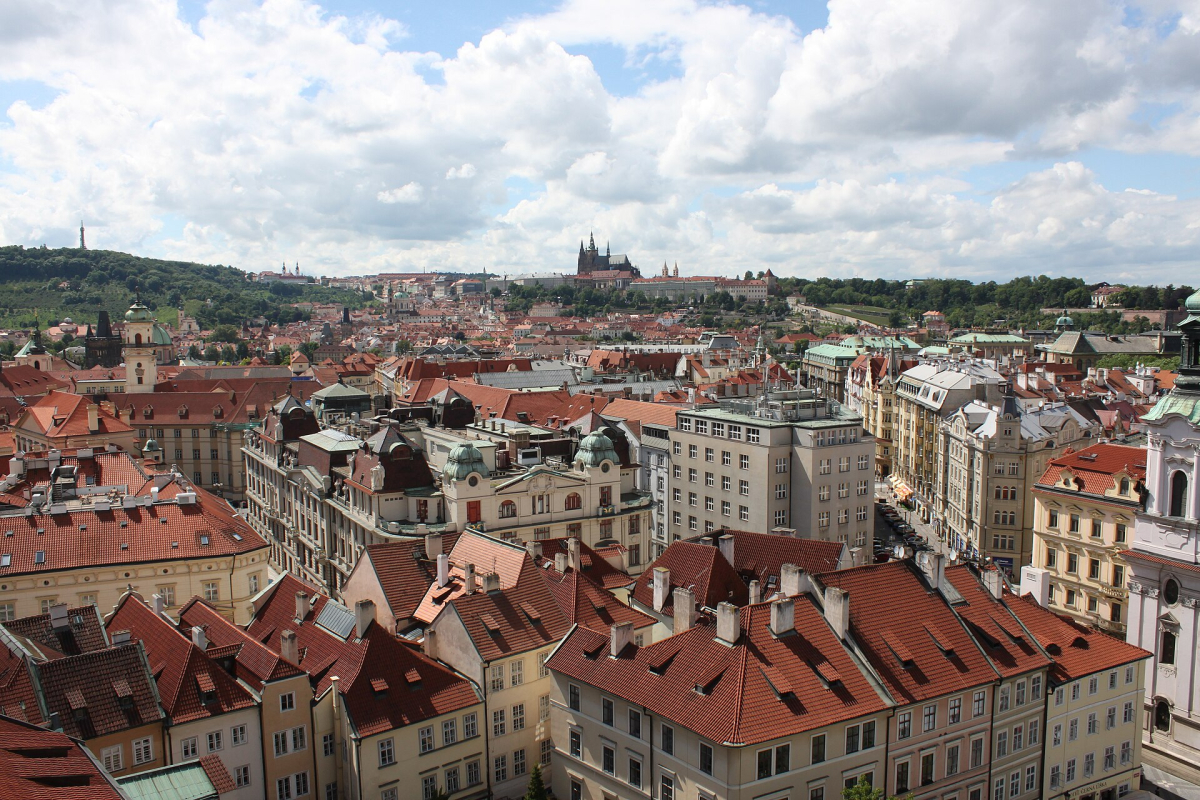
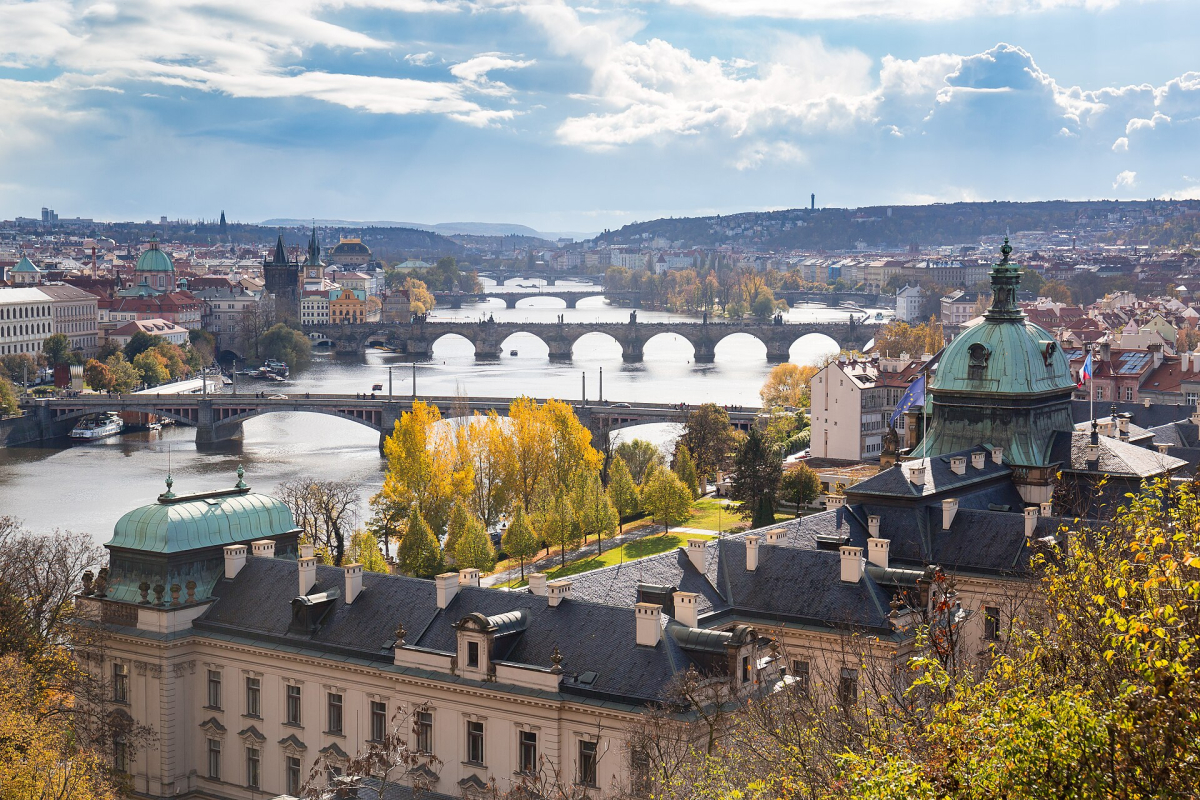
Prague rewards a trip planned around its river and hills. The medieval lanes of Staré Město sit on the east bank of the Vltava; Charles Bridge leads west into Malá Strana, with Prague Castle above it. South of the busiest streets, Nové Město connects grand boulevards, cafés and the riverside. A tram ride brings you to residential Vinohrady, the parks around Letná or the restaurants of Karlín. The useful decision is how much time to give each side of the river, rather than how many landmarks to collect.
Allow three full days for a first visit with a castle visit, Jewish heritage, a museum and time in an ordinary neighbourhood. Two days can cover the central highlights if you book selectively. Four or five days make room for slower photography, parks or a day outside the city. This guide helps you choose that shape of trip; the linked pages explain the detailed decisions.
| Choice | What it means for your trip |
|---|---|
| First visit | Three full days is a comfortable planning starting point; arrival and departure days are additional. |
| Where to base yourself | Staré Město for walking convenience; Malá Strana for the west bank; Nové Město for transport and restaurants; Vinohrady or Karlín for a neighbourhood base. |
| When to come | May–June or September–early October for a balance of daylight and walking weather. Winter works well for cafés and museums, with shorter days. |
| Arrival | Václav Havel Airport Prague (PRG), then trolleybus/metro, Airport Express or an arranged car. Mainline trains use several stations: read the actual ticket. |
| Money | Czech koruna (CZK/Kč). Choose CZK when offered currency conversion and compare the full withdrawal or exchange cost. |
| Daily travel | Walking plus PID metro, trams and buses. Castle approaches and some viewpoints are steep; plan accessible alternatives in advance. |
What to Do in Prague
Start with one major heritage visit on each bank. Prague Attractions distinguishes the castle, Jewish Town, the astronomical clock and museum options by the time and ticket commitment they need. Reserve a longer block for a collection that matters to you; looking up at a tower and entering its staircase are different experiences.
For the city between those monuments, Things to Do covers riverside walks, a Czech café or beer-hall meal, parks, markets, family choices and warm-weather swimming. Letná and Stromovka are useful when you want space after the central lanes. A slower Vinohrady or Karlín afternoon also makes a good counterweight to a crowded castle morning.
How Many Days in Prague?
With one full day, walk Old Town–Charles Bridge–Malá Strana and choose either a major interior or a longer castle visit. Do not attach a distant day trip to that day. With two days, give the castle side its own morning and use the second day for Old Town, Josefov and a museum or café.
Three days let you spread the paid visits and add Vyšehrad, Letná or a neighbourhood food stop. Four or five days work for families, visitors who need a gentler pace and anyone travelling beyond Prague. Our one-, two- and three-day itineraries include weather alternatives and a separate day-trip section for Karlštejn and Kutná Hora. Transfer and visit times there are planning allowances, not timetable promises.
Best Time to Visit Prague
Spring and early autumn generally suit long city walks, but neither guarantees dry weather or quiet squares. In summer, use the early morning for central photography and keep museums or a café for the hottest or wettest part of the day. Winter changes the rhythm: choose fewer outdoor stops, allow a warm break and check which gardens and towers are operating.
Event dates can matter more than the month. Classical music festivals, design events and the main Christmas markets affect the feel of a weekend and hotel demand. Compare seasonal trade-offs with the verified event calendar before booking. A late arrival followed by an early timed ticket rarely gives the best first morning.
Where to Stay in Prague
Stay near the places you will use repeatedly. Staré Město is convenient for a short walking visit, but check street noise and vehicle access. Malá Strana works for castle-side atmosphere; the final uphill approach can matter as much as a hotel’s distance on a map. Nové Město has several transport corridors and a broad restaurant choice.
Vinohrady gives you cafés and residential streets around metro A and the tram network. Karlín suits visitors who prefer a restaurant district with tram and metro links. Compare the exact stop-to-door route, including luggage and steps, in Where to Stay. Then use Prague Hotels for named properties; area choice and individual room choice are separate decisions.
Getting to and Around Prague
The airport is outside the historic centre. Trolleybus 59 connects its terminals with Nádraží Veleslavín for metro A; bus 100 links to Zličín for metro B. Airport Express serves the main railway station with a separate fare. Choose by your accommodation’s final stop, not by the first vehicle leaving the airport. The Airports & Transfers page compares luggage, late arrivals and the final walk.
Inside Prague, use transit to remove repeated hill climbs and save your walking time for places you want to explore. A time-based ticket covers transfers within its validity and the applicable zones. Paper tickets and app tickets have different activation steps. Our Getting Around guide explains them, night travel and the limits of assuming that every tram or metro exit is accessible.
Travel Costs and Practical Essentials
Prague is not uniformly a budget destination. A quiet central room, several paid interiors and taxis create a different bill from a residential base, walking days and selective admissions. Our Travel Costs & Money separates dated transport fares from illustrative daily budgets and explains when a city pass may make sense. Longer Stays & Costs covers kitchens, laundry and repeat travel needs.
Prague has no separate city visa system. Check Czech and Schengen rules for your nationality and journey through Visa & Entry. Keep useful documents and your accommodation details available on arrival. Read Health & Safety for practical precautions and emergency options, and Useful Contacts for routine visitor, transport and consular enquiries.
Cobblestones, slopes and historic entrances require specific access planning. The Accessibility section points to official route and venue information; a hotel or attraction described as accessible still needs to match your own requirements.
Photography and Responsible Visits
The classic skyline is only part of Prague’s photographic appeal. Bridge details, the changing width of the Vltava, street signs and the contrast between neighbourhoods make a stronger sequence than repeated distant tower views. Our Photos & Photo Spots guide separates viewpoints from paid tower visits and links to sixteen focused studies of individual places.
Keep routes and doors clear, ask before photographing people closely and check indoor photography conditions. Residential buildings are homes even when their façades are a highlight of a walk. Responsible Travel explains quiet evenings, local spending and care around parks and heritage. This guide is based on researched sources; it does not claim an unrecorded personal visit.
Frequently Asked Questions
Is Prague walkable?
The historic core is compact, but cobblestones and castle-side hills make distance a poor measure of effort. Combine walks with trams and allow more time if you need level routes.
Should I rent a car?
A car usually adds parking and access work to a central city break. Consider rail for the day trips in this guide and compare a car only for a wider itinerary that needs it.
Can I see everything in a weekend?
You can see a good selection of the central city in two full days. Choose a few paid interiors and leave space for a neighbourhood; adding every tower and museum is unrealistic.
Sources and planning updates
Information checked on 18 October 2026. Recheck prices, opening calendars and temporary access changes before travelling.



