
CZECHIA · PRAGUE GUIDE
Prague Health & Safety: Practical Visitor Advice
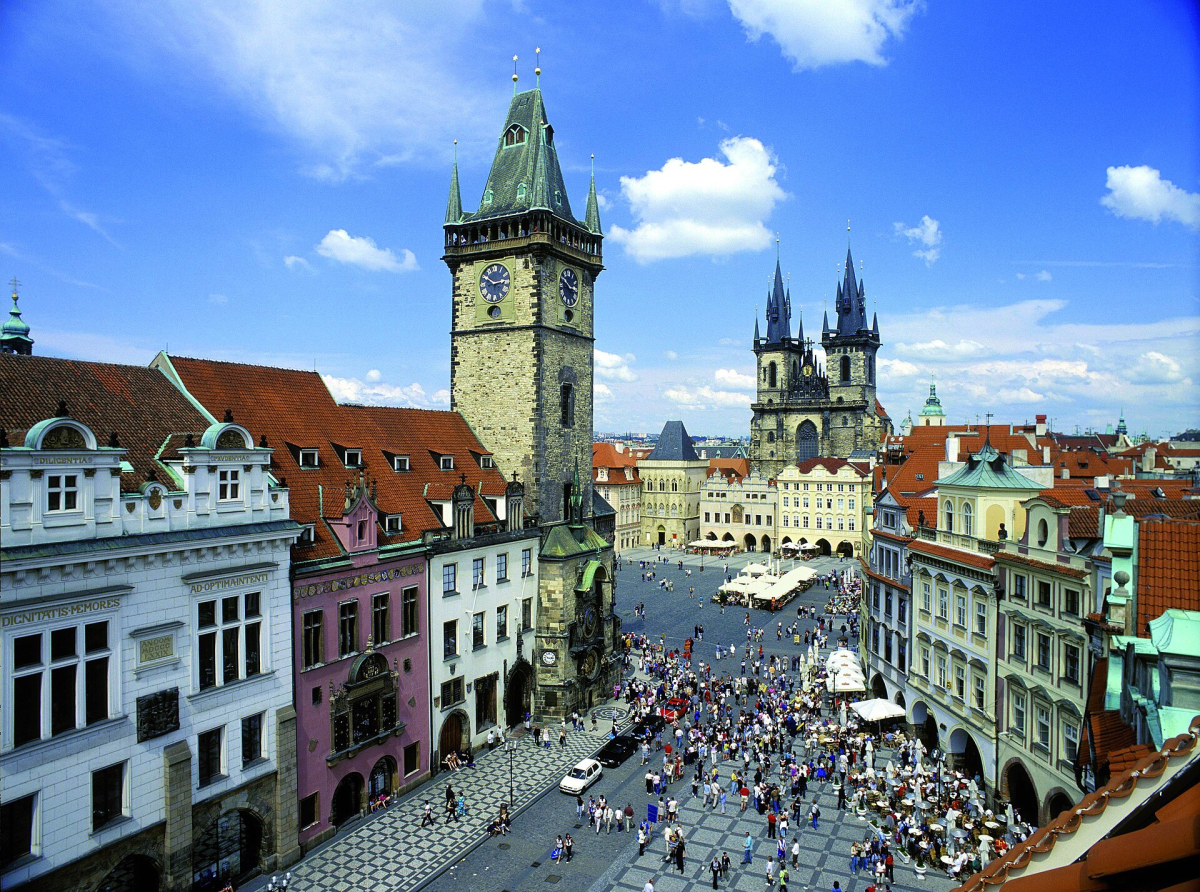
Plan for the ordinary risks of a busy city without labelling whole central districts as places visitors must avoid. Crowded transport, distraction around popular sights, uneven paving and a tired late-night journey are more useful planning concerns than sweeping claims about a square. Keep a simple emergency plan and know where to obtain routine help.
| Number | Use |
|---|---|
| 112 | European emergency number when urgent help is needed, including when you are unsure which service is required. |
| 155 | Emergency medical service / ambulance. |
| 158 | Police emergency line. |
| 150 | Fire and rescue service. |
These are emergency services, not tourist information lines. Give your exact location, what happened and the number of people affected. Follow the dispatcher’s instructions. The Czech government’s emergency-number page is the reference for the numbers above.
Crowds, Bags and Payment
Keep valuables secured and bags in front of you in dense crowds or on packed vehicles. Do not place a phone or wallet unattended on a café table. Check the total and currency before authorising a payment, retain useful receipts and use a recognised provider for exchange or transport. If someone approaches with an urgent money-exchange offer, decline and use an established service. Carry only what you need for the day and keep document copies separately.
Trams, Cobblestones and Late Returns
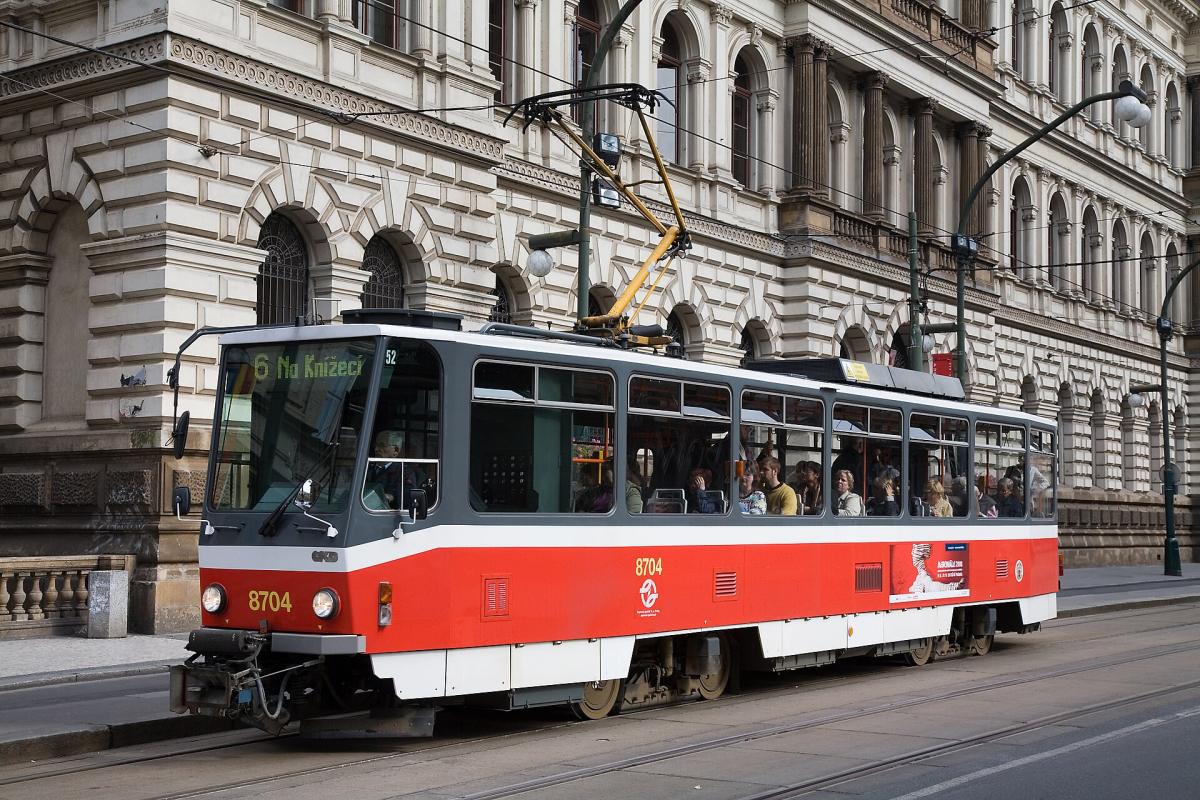
Stay alert when crossing tram tracks and do not assume a vehicle can stop quickly. Watch the surface in rain, frost and low light; smooth paving and steps can be slippery. At night, choose a clear return route and check the correct night service, because it may differ from daytime transport. If you feel uncomfortable, move to a staffed business or arrange a recognised ride rather than following an unfamiliar shortcut.
Healthcare and Travel Cover
Check your health cover and travel insurance before departure, including emergency treatment, ongoing medication and any activities you plan. Eligible European visitors should understand what their EHIC or equivalent covers and what it does not; it does not replace travel insurance or guarantee free private treatment. For a non-emergency problem, ask your insurer which facility and payment arrangements apply. The city’s useful-contact page lists current medical and urgent-care options. Do not use a static sightseeing guide as a live opening-hours directory.
Medication, Weather and Swimming
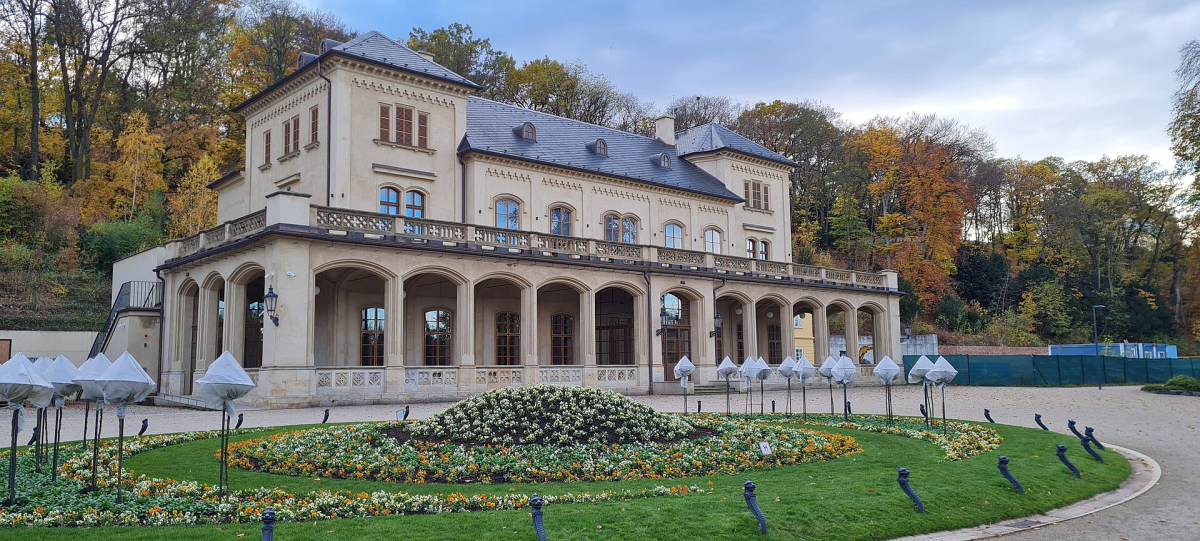
Bring necessary medication in its original packaging with the documentation needed for your journey. Check official guidance for any restricted medicine before crossing borders. In hot weather, plan water and shade; in winter, allow a warmer indoor stop rather than pushing through a long exposed walk. For seasonal swimming, use designated facilities and check current water conditions and operator notices. A riverfront terrace is not evidence that the nearby water is a safe swimming entry.
If Something Goes Wrong
For theft, get to a safe place, contact the appropriate police service and notify your card issuer if needed. Keep the incident details and reference for insurance. For a lost passport, contact your own country’s embassy or consular service; Czech embassies abroad do not replace that role for foreign visitors in Prague. Useful Contacts helps separate police, transport lost property, visitor information and consular support.
Sources and planning updates
Information checked on 18 October 2026. Recheck prices, opening calendars and temporary access changes before travelling.



