
MOROCCO GUIDE
Morocco Food & Drink: Dishes, Tea & Eating Culture
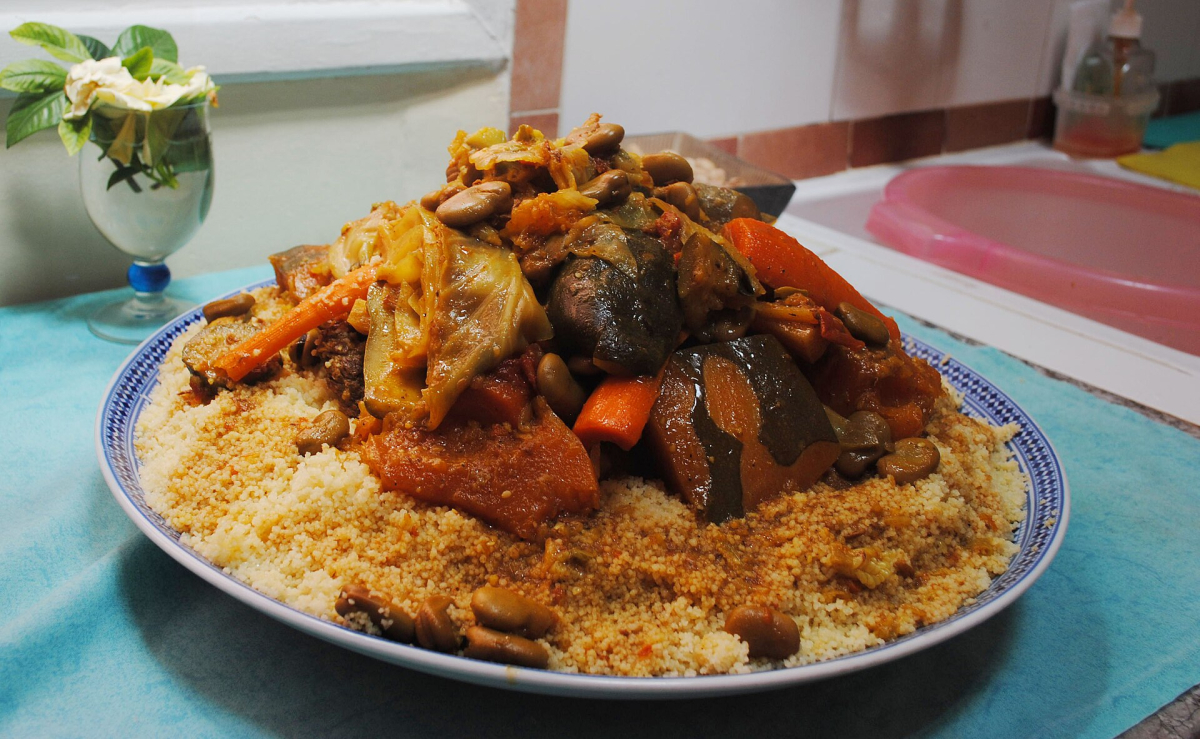
Eating in Morocco becomes more rewarding when you recognise a few dishes and ask about the way each is prepared. Use a short trip to try contrasting meals: a vegetable starter, a shared couscous, a regional slow-cooked dish and an unhurried tea break. A menu name gives you a starting point, while the cook’s recipe and the occasion give it character.
This page explains what to eat and drink, ordering and food culture. For named places and reservation conditions, go to Morocco Restaurants. The national tourist office’s gastronomy overview is useful cultural background; your actual meal should follow your tastes, dietary needs and route.
Dishes and flavours to recognise
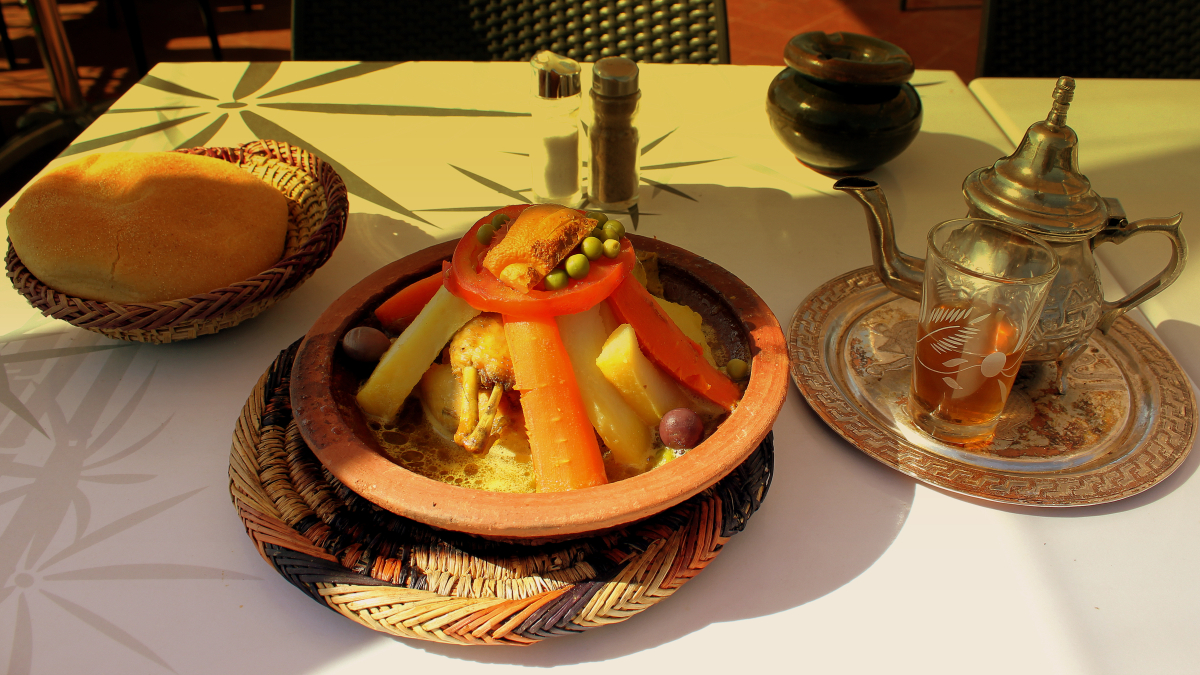
The official food and drink introduction describes varied starters, slow-cooked dishes, soups, bread and pastries. You do not need to order everything at once. Choose a main flavour or preparation, ask what accompanies it and leave room to try something different at the next meal.
Tagine and tanjia are different orders
A tagine can contain meat, fish or vegetables, with combinations that may include preserved fruit or nuts. Ask which version is available rather than ordering the name alone. If you prefer a savoury meal, enquire about sweet additions; if you dislike chilli heat, ask whether a sauce can be served separately. Aromatic seasoning and chilli intensity are different questions.
Tanjia is associated particularly with Marrakech and slow cooking in an earthenware jar. Allow the kitchen to explain its preparation and availability. A dish requiring long cooking is not necessarily an order that can be made from scratch while you wait. Ask whether the serving is intended for one person or for sharing before adding several starters.
Harira, pastilla and vegetable starters
Harira is a substantial soup, often associated with Ramadan. Pastilla pairs pastry with a filling that varies. Both deserve ingredient questions: a familiar name does not promise a vegetarian or allergen-free recipe. Think of soup as part of the meal you are building, and ask whether a pastry serving is a starter, an individual main or a shared dish.
Cooked vegetable starters offer useful variety. Zaalouk is associated with aubergine; taktouka with peppers and tomatoes. Compare a selection of small dishes with another large main, especially if you have already ordered bread or couscous. Ask how the dishes are served and what cooking fat or stock is used when that matters to you.
Couscous is a shared meal and a living tradition
UNESCO’s couscous inscription recognises knowledge and practices shared by Algeria, Mauritania, Morocco and Tunisia. It concerns making, serving and sharing, not a single fixed recipe owned by one restaurant or country. Regional and family variations are part of that heritage.
Approach a couscous meal as a whole arrangement. Ask which vegetables, meat or other accompaniments are included, how many people the platter serves and whether broth comes separately. Tell the kitchen about dietary requirements before a communal dish is prepared. Do not assume that removing visible meat changes the stock or the way the rest was cooked.
Friday is a meaningful day to ask about couscous, but it is not a guarantee that every restaurant serves the same menu. If it is the meal you most want to try, plan it rather than leaving the question until a late arrival. The Amal Gueliz restaurant example explains a specific place whose own site identifies its Friday service.
Let your route introduce different food traditions
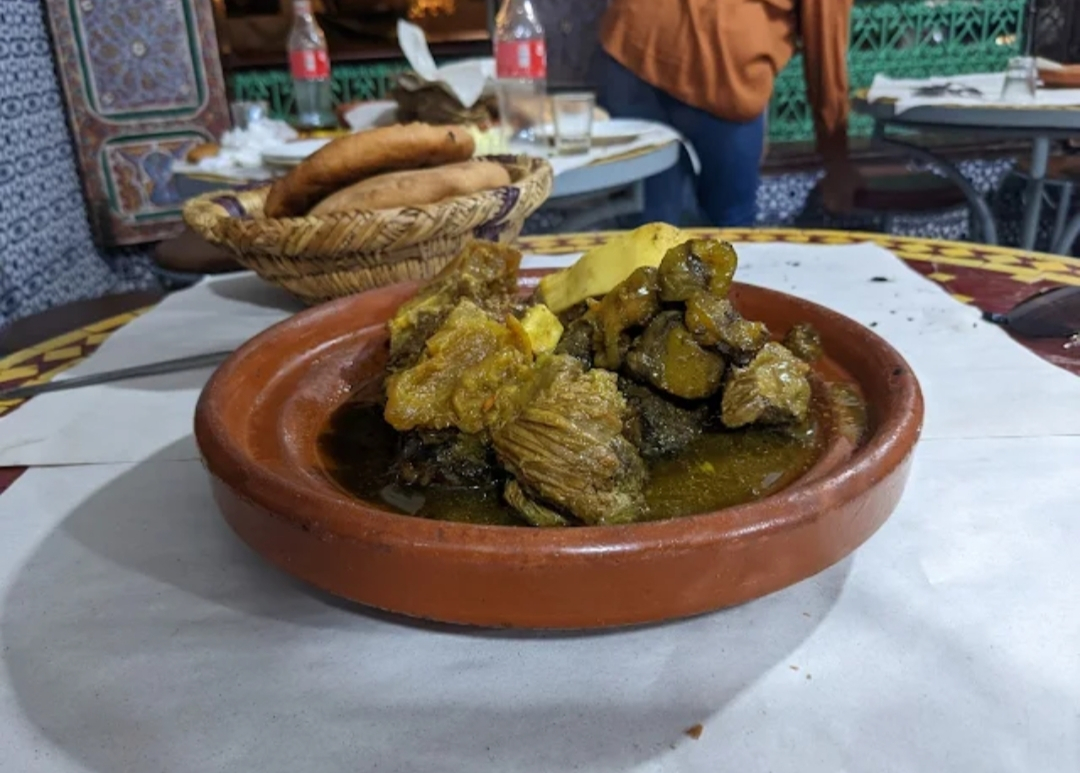
The tourist office’s gastronomy publication connects Fez with sweet-and-savoury cooking, Marrakech with tanjia and port cities with fish preparations. It also describes Atlantic seafood areas and wine-producing regions. These are invitations to explore a region, rather than rules limiting what each city may serve.
On the coast, ask which fish is available and how the price is calculated: portion, whole fish or weight. Establish what cleaning, cooking and accompaniments are included. In an inland city, ask what the kitchen cooks particularly well that day rather than expecting a seafood meal to be equivalent everywhere. For a mixed itinerary, alternate preparations instead of repeating one dish at every stop.
Make room for bread, breakfast and sweets
Breakfast can introduce a different side of the cuisine. Khobz bread, msemen and baghrir are names worth asking about; Café Clock’s baking programme lists several Moroccan breads and pastries to show that range. Ask what your accommodation’s breakfast actually includes, whether eggs or drinks are extra and whether it can be served before an early transfer.
Butter, honey, jam and other accompaniments change the meal as much as the bread. Taste a small amount before assuming everything should be combined. If you want a lighter start, ask about the available alternatives instead of treating the advertised breakfast photograph as a fixed menu. A pastry counter is another opportunity to vary a day’s eating, but ask about size and ingredients before buying a mixed box.
Kaab el ghazal, often translated as gazelle horns, and ghriba are among the sweet names you may encounter. Nuts, sesame, dairy, eggs and honey can appear in different preparations. The shape of a sweet is not a dependable ingredient label. For gifts, ask how the pastries should be stored and transported, then check the food-import rules of your destination before buying a large quantity.
Tea, other drinks and water
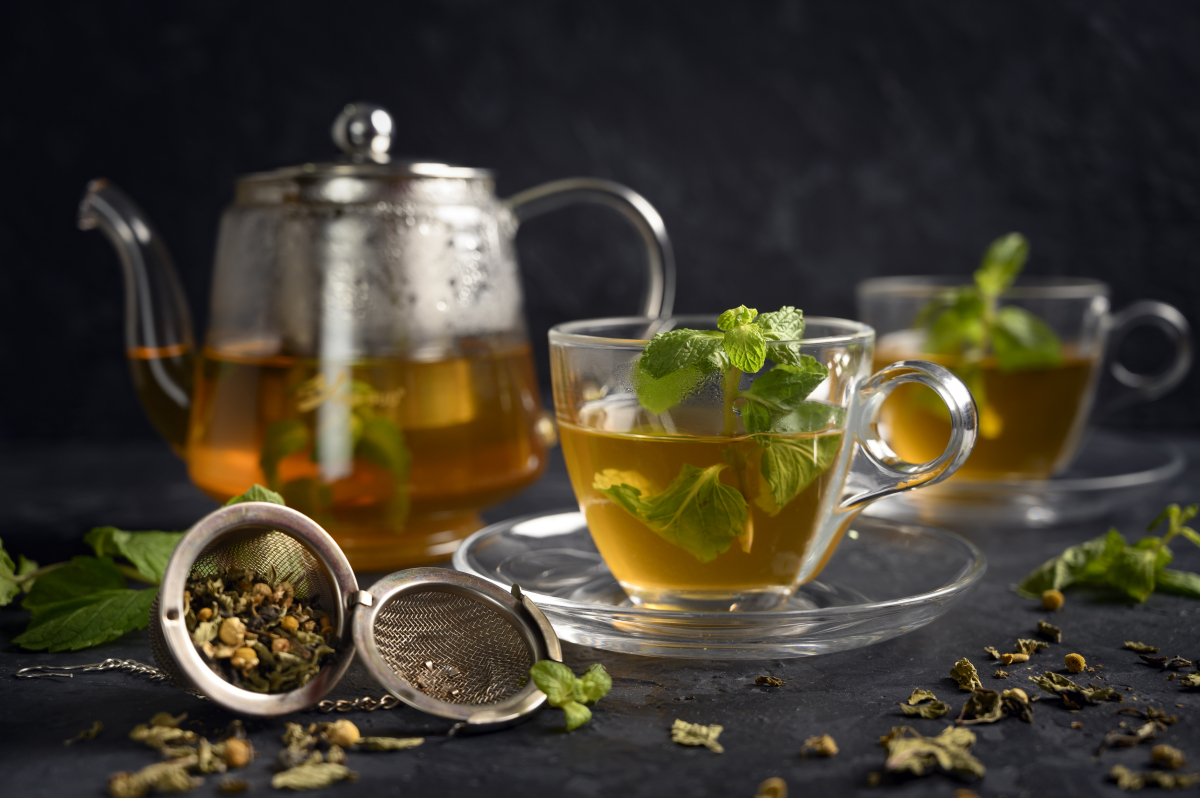
The tourist office’s hospitality guide describes tea as part of welcoming and getting to know guests. Give a tea break time to be sociable. Ask about sweetness before preparation if you have a preference, and clarify whether an offered drink is part of hospitality, included in a paid experience or an item on a café bill.
For a juice, ask what is in the blend and whether sugar, milk or ice is added. This helps both taste preferences and dietary planning. For water and ice, choose arrangements appropriate to your health needs and ask about handling when uncertain. The FCDO’s Morocco health guidance recommends food and water hygiene and extra care with allergies; use the health and safety guide for wider preparation.
Morocco also produces wine, but alcohol is not part of every restaurant’s service or every social setting. Check whether it is available before choosing a venue for that purpose. A tea terrace, an everyday café and a licensed restaurant can offer very different evenings. Our nightlife guide deals with the atmosphere and legal context rather than the drink being a compulsory part of dinner.
Order and share thoughtfully
Start with three questions: what is being served today, how many people does the portion feed, and what comes with it? They prevent an oversized order and make a brief menu more understandable. Clarify whether a set menu includes starters, bread, water, dessert and tea. Keep transport and entry fees separate if a meal is bundled into an excursion.
When eating with hosts, follow their lead about shared dishes, serving and the pace of the meal. Ask before photographing people, their kitchen or their work. An invitation deserves the same clarity about ingredients as a restaurant order, delivered respectfully. If you do not want more tea or food, express that politely rather than feeling obliged to accept every refill.
During Ramadan and other holidays, confirm the meal arrangement for your actual date. An accommodation breakfast, an evening communal meal and an independent restaurant can follow different routines. Avoid turning a broad description of local custom into an assumption about every venue’s opening or about how an individual host observes the day.
Vegetarian, vegan and allergy questions
For vegetarian food, ask about stock, cooking fat and garnishes as well as visible meat. For vegan food, extend the question to butter, dairy, eggs and honey where relevant. A suitable salad or vegetable main can be a useful choice, but the actual kitchen must confirm the preparation. A shared platter prepared with other ingredients may not be adaptable by removing them at the table.
For gluten-related needs, discuss bread, couscous, pastry, soup and sauces rather than relying on a dish photograph. For a serious allergy, name the specific ingredient and ask about cross-contact in preparation. A clear written translation can support the conversation; it cannot establish that the kitchen can safely meet the requirement. Avoid food whose ingredients or preparation remain uncertain, and follow the travel plan agreed with your clinician.
Discuss these needs before a set menu or cooking class is booked, particularly on a remote excursion. Keep a workable meal option around long transfers instead of assuming every roadside stop can improvise. The restaurant selection guide covers confirming kitchen requests and access with the specific venue.
Markets and cooking experiences: learn something you can use
A good food experience helps you understand an ingredient or technique, rather than merely adding another meal. Ask whether you will cook, observe or simply taste, and whether a market visit and the final meal are included. Café Clock’s cooking description, for example, explains a market visit and a menu chosen with the chef; check the branch and current arrangement when booking.
Choose a class around what interests you: a vegetable starter, bread making or a slow-cooked main. Explain dietary needs before the menu is agreed. At a market, ask permission before photographing and clarify the unit and total before buying. Use food and cooking experiences to place an activity within the rest of the trip, leaving enough time to shop, cook and eat without rushing onward.
Morocco food and drink FAQ
Are tagine and tanjia the same dish?
No. A tagine has many versions, while Marrakech’s tanjia is associated with slow cooking in an earthenware jar. Ask what the kitchen’s version contains and how it is served.
Is couscous only a small side dish?
It can be a substantial shared meal with vegetables and other accompaniments. Confirm the portion, broth and ingredients before adding several other dishes.
Does Moroccan food always contain chilli?
No single level of heat applies to every recipe. Ask about the dish and any sauces; aromatic seasoning does not necessarily mean strong chilli heat.
Can mint tea be ordered less sweet?
Ask before it is prepared. Check the actual serving rather than assuming every pot can be adjusted after sugar has already been added.
Where should I look for named restaurants?
The Morocco Restaurants guide compares specific venues, neighbourhoods, dining formats and the conditions to confirm before booking.



