
MOROCCO GUIDE
Morocco Attractions: Gardens, Museums & Historic Sites
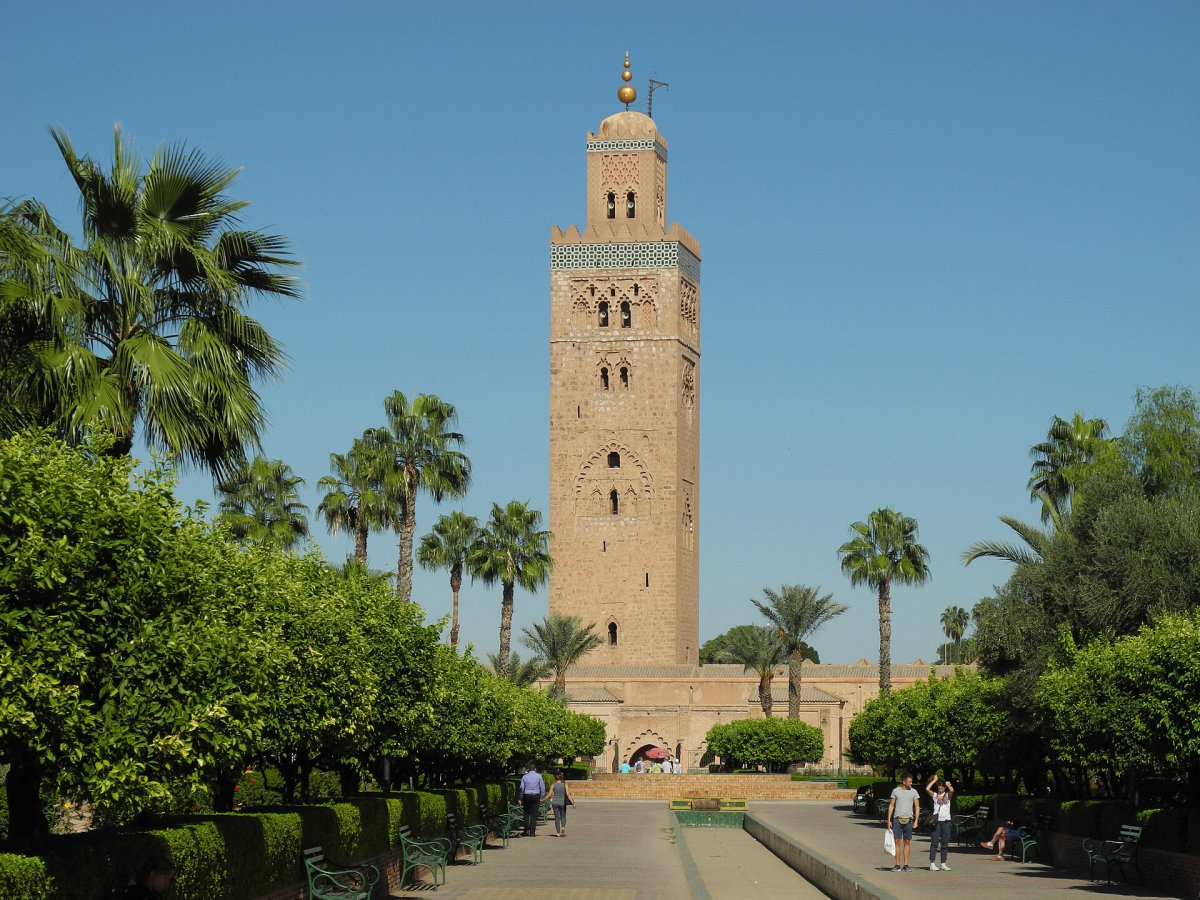
Choose Morocco’s attractions by the kind of visit you want, then check the admission and practical arrangements for the specific place. A garden with reserved entry, a mosque visited on a guided departure, an indoor museum and an open archaeological landscape require different plans. A famous name alone does not establish whether you can enter independently, how long the approach takes or whether every part is accessible.
This guide compares eight concrete places. Use Things to Do for hands-on workshops, guided walks, outdoor activities and experience-provider choices. Use Map & Regions and Itineraries to connect the visits geographically. Suggested time allowances below are editorial planning estimates, not official tour durations. Prices and hours are source snapshots checked on 30 October 2026; confirm the official operator’s information for your actual date.
Choose one principal visit before filling the day
Start with the visit that needs the most fixed planning. A reserved garden entry or guided mosque departure can anchor the day; a flexible museum or neighbourhood walk can follow. Protect time for the journey from your accommodation and a meal or rest. Two carefully chosen places usually provide more value than a list of entrances reached with no time to understand them.
On a small screen, scroll the table horizontally to see every column.
| Place and base | Main reason to choose it | Plan first |
|---|---|---|
| Jardin Majorelle, Marrakech | Botanical paths and strongly coloured architecture | Official online date/time entry |
| Dar El Bacha, Marrakech | Decorative arts and a palace courtyard | Museum opening day; separate any café plans |
| Hassan II Mosque, Casablanca | An organised visit inside an important religious building | The foundation’s guided departure and rules |
| Chellah, Rabat | Layered archaeological and garden setting | Seasonal hours, route and optional audio guide |
| Al Batha, Fes | Islamic art within a restored palace museum | Current opening day and exhibition access |
| Kasbah Museum, Tangier | Mediterranean history and a historic palace setting | The correct museum, kasbah approach and weekly closure |
| Volubilis, near Meknes | An extensive archaeological landscape | Ground conditions, shade and return transport |
| Aït Benhaddou, Ouarzazate region | Earthen architecture and a settlement landscape | The physical approach and the precise spaces included |
The table is an editorial selection across several routes, not a claim that these are the only worthwhile places in Morocco. If a stop requires an additional long transfer, compare that lost time with another day in the region you already chose. Consult Where to Stay before assuming every attraction is an easy excursion from one hotel.
Jardin Majorelle, Marrakech: reserve the garden visit you want
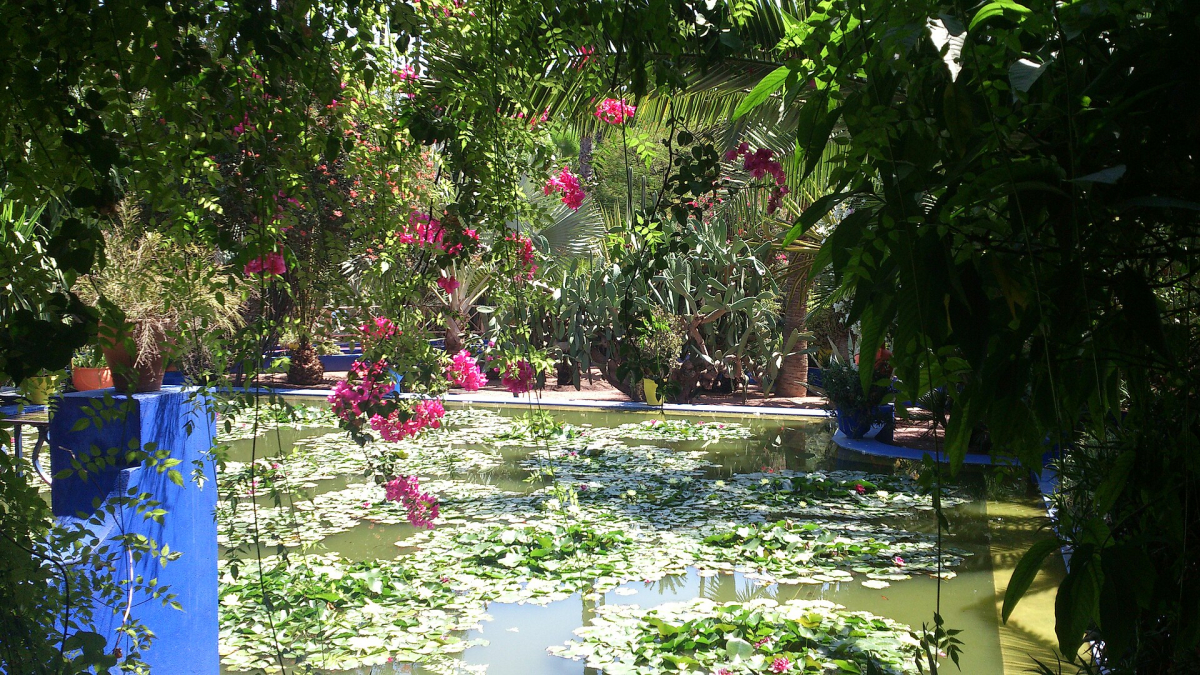
Choose Majorelle for planted paths, water and the relationship between intense colour and architecture. The garden’s official page directs visitors to online ticketing and recommends reserving the desired date and time ahead. It currently lists daily opening from 8 a.m. to 6:30 p.m., with last entry at 6 p.m., and a general admission figure of MAD 170. Treat these as checked information, not a promise for a future travel date.
Allow roughly one to two hours for an unhurried garden visit, plus any separately selected museum. Check exactly which places your chosen ticket includes: the garden, Pierre Bergé Museum of Berber Arts and Musée Yves Saint Laurent are not interchangeable names. The garden operator lists wheelchair access, but confirm the route and facilities for any additional component. Keep the booking confirmation available offline and leave room around the slot; a late transfer is not an assured reason for admission outside the booked conditions.
Dar El Bacha, Marrakech: choose a museum visit in the medina
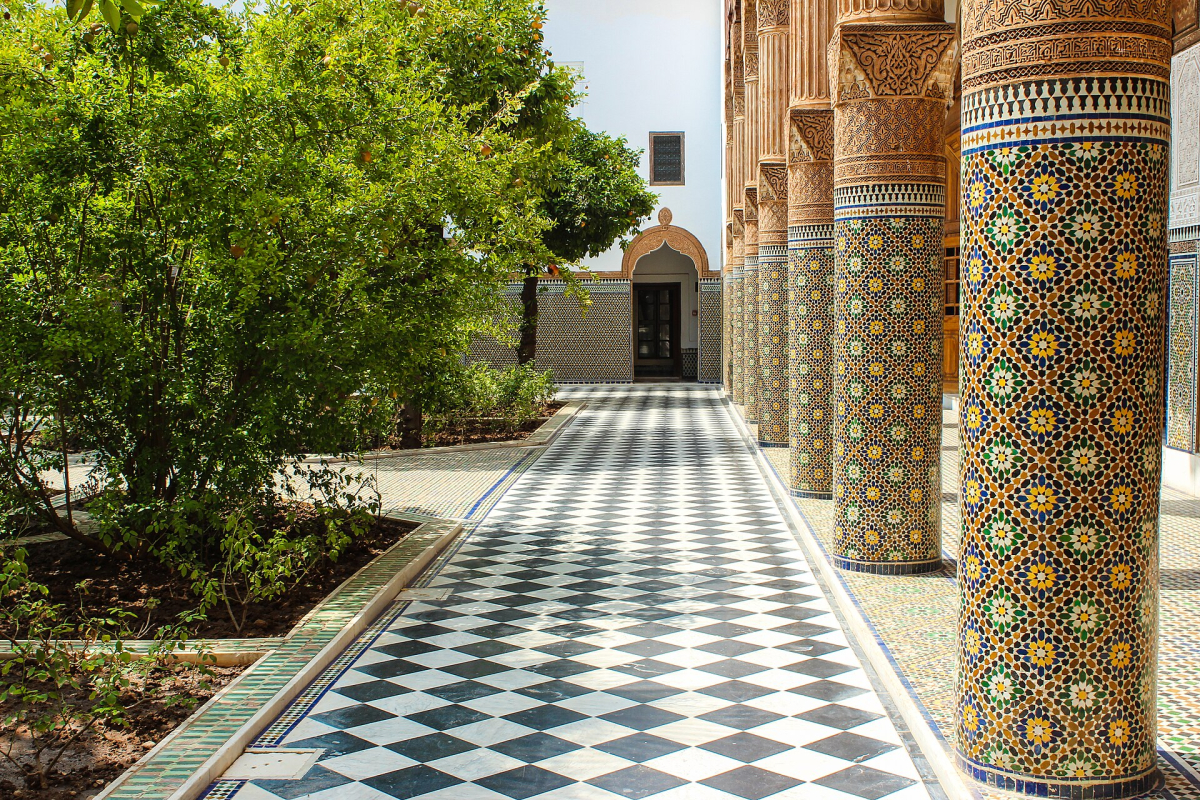
Dar El Bacha offers a focused alternative when you want decorative arts and a palace setting within Marrakech’s medina. The Fondation Nationale des Musées page describes the museum and its collections. Its current practical information lists Tuesday to Sunday, 10 a.m. to 6 p.m., with Monday closed, and MAD 60 for the foreign-public category. Check the latest operator notice before fixing the day.
Allow about one to two hours for a museum-led stop, adjusting for the exhibition you actually want. A café visit is a separate decision: do not assume a museum admission is a café reservation or that waiting for a table is part of the museum’s stated visit. Plan your medina approach and the next stop so you can give the courtyard and displays time. If steps or narrow passages matter, obtain a specific access answer from the operator; the appearance of a spacious courtyard does not establish the complete entrance-to-gallery route.
Hassan II Mosque, Casablanca: organise the guided departure
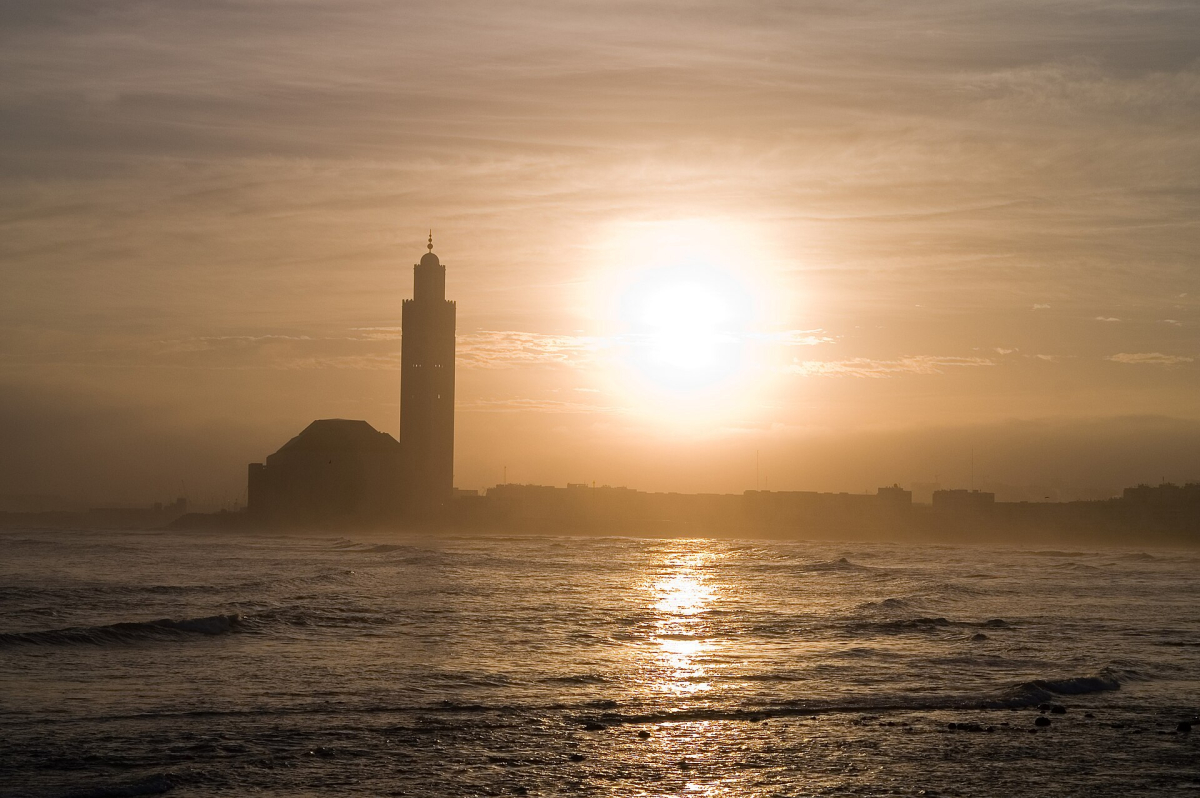
The mosque suits travellers who want an organised interior visit with an explanation of the building’s craftsmanship and religious setting. The mosque foundation’s paid-visit page describes the guided circuit and currently lists MAD 140 for foreign adults. Departures vary with season, Friday and Ramadan; obtain the date-specific departure directly from the foundation rather than transferring a time from another language page or an older leaflet.
Build arrival and ticket collection around the departure, not just the time spent inside. Keep more margin when coming from an airport or another city, and avoid using a tight layover as a substitute for a dedicated city visit. The foundation requires covered shoulders and torso, clothing below the knees, and removal of shoes for the interior. Follow the guide’s route and photography instructions. This organised visitor access should not be used as a general rule that other Moroccan mosques offer the same entry arrangements.
Chellah, Rabat: separate site entry from guided extras
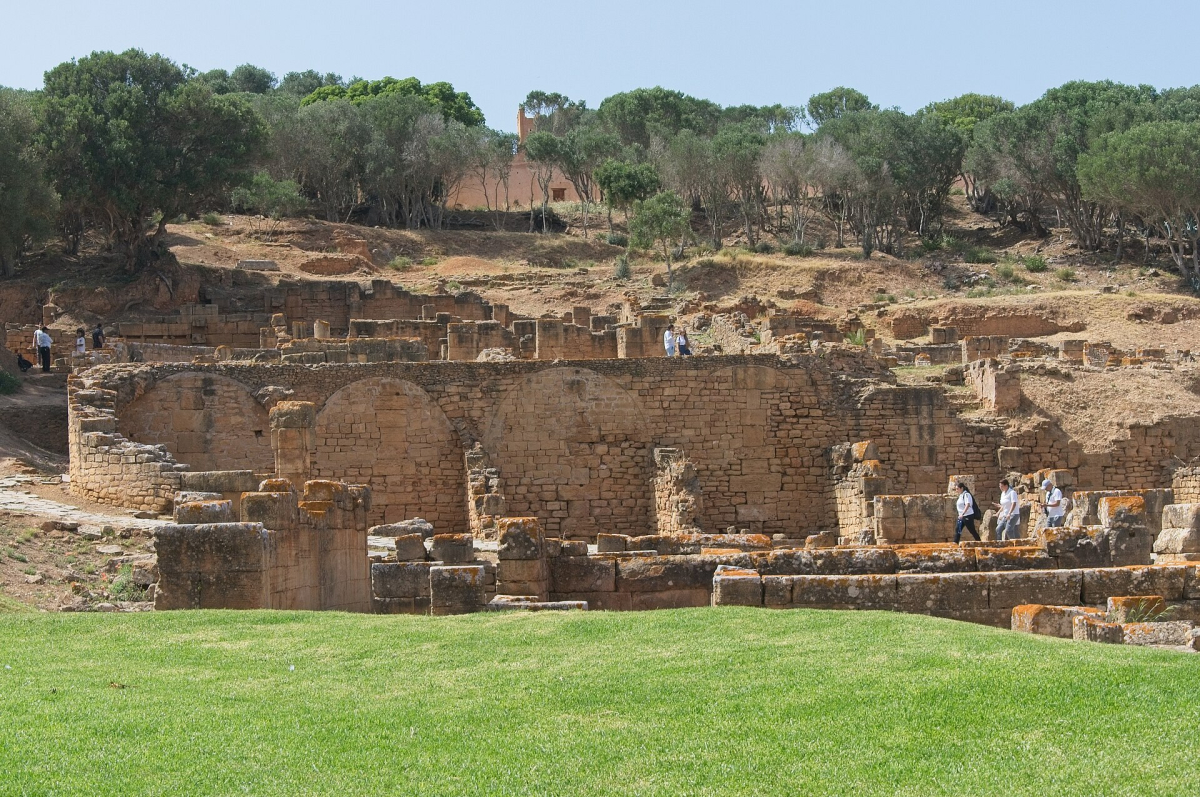
Chellah combines remains from different periods with a landscaped archaeological setting. The official site overview explains the ancient-city and Marinid-necropolis context. Its practical page separates entry, audio-guide and accompanying-service options. An accompanying-service price does not automatically include site entry or an audio device, so compare the actual product rather than the word guided alone.
Allow roughly one-and-a-half to two-and-a-half hours if you want to pause among the remains and gardens. Check the latest seasonal and Ramadan hours before setting a fixed arrival; the operator’s pages do not present Ramadan timing consistently. For mobility needs, ask which parts of the visit can be reached on the specific route you intend. A practical-information heading about accessibility is not a blanket assurance that every historic surface is step-free. Confirm your return transport before arriving close to the end of the visiting day.
Al Batha, Fes: Islamic arts in a restored palace
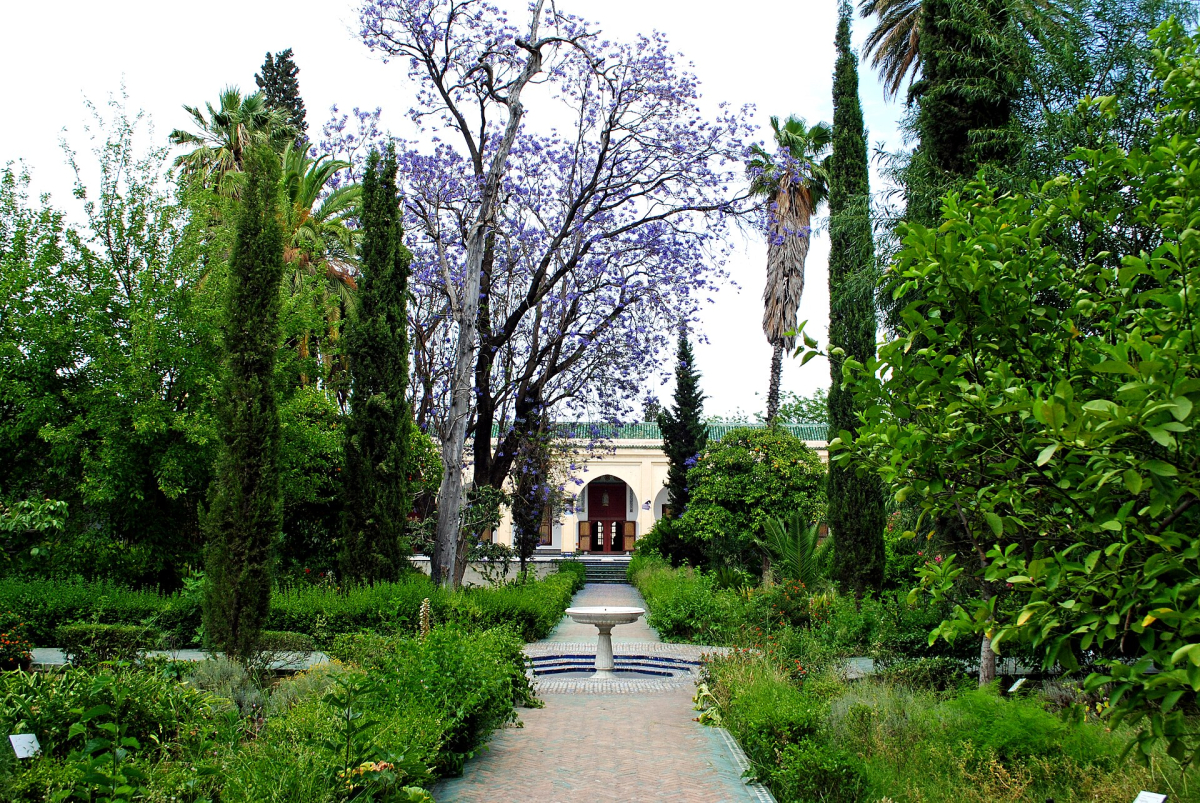
The Fondation Nationale des Musées identifies Al Batha as a museum of Islamic arts following its reopening in February 2025. That makes older advice describing a long restoration closure a poor basis for a current visit. The museum’s current tariff page lists MAD 60 for foreigners. Check its latest opening-day information before arranging a whole Fes day around it.
Allow about one to two hours for the museum, then choose a complementary medina walk or a meal instead of rushing to another doorway. A photograph taken before the reopening illustrates the building or garden; it does not show the current display or guarantee the same visitor route. Ask the operator about the exhibition areas and access you need. Keep the museum name and address in your arrival notes: a general request for a palace tour can describe a different service from admission to Al Batha.
Tangier’s Kasbah Museum: identify the right institution
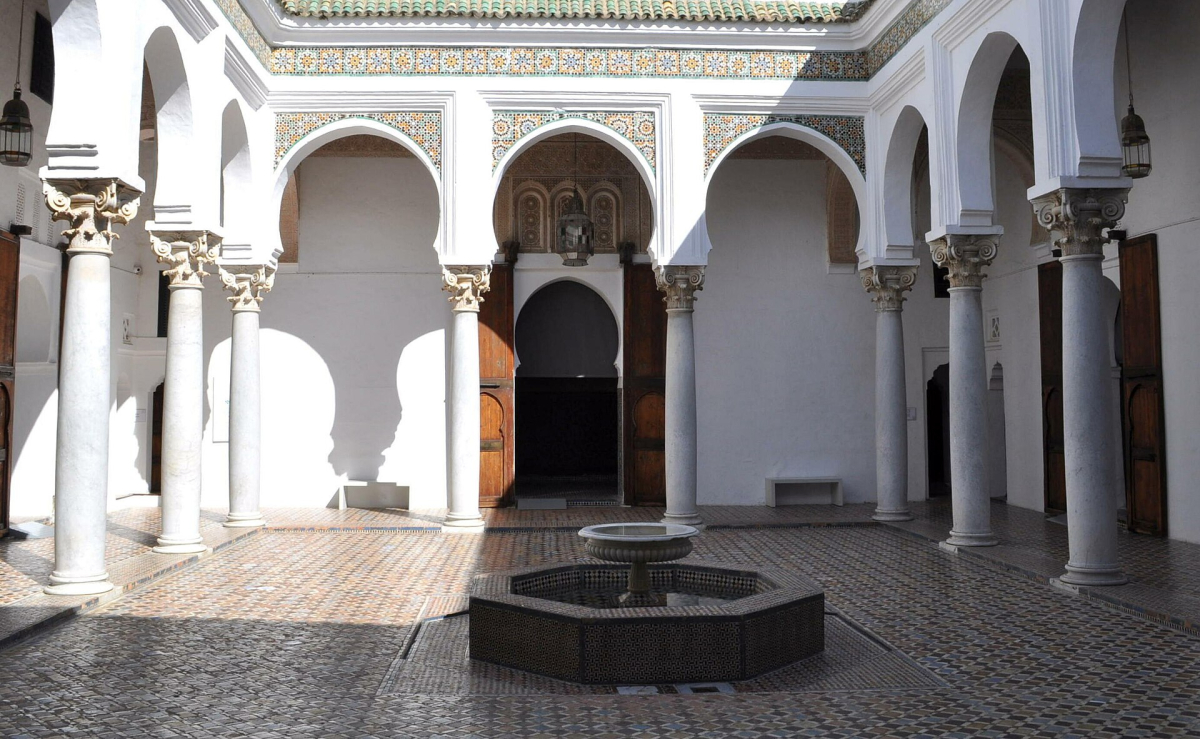
Choose the Museum of Mediterranean Cultures when you want Tangier’s historical connections presented within a palace setting. The FNM page for this museum describes its archaeological and ethnographic collections. Its current adult tariff is MAD 30 for visitors over 18. The operator also lists a weekly Tuesday closure; confirm the opening day rather than assuming a generic daily-hours line overrides that closure.
Allow around one to two hours, with extra margin for reaching the kasbah and returning to the rest of the city. Check that a listing or guide proposal names this museum: a kasbah neighbourhood walk and a contemporary-art venue are different experiences. If the approach or internal stairs could affect your visit, request route details before paying for an additional guide. A view over Tangier is a useful part of a walk, but it is not a substitute for checking what the museum admission actually includes.
Volubilis: allow time for the archaeological landscape
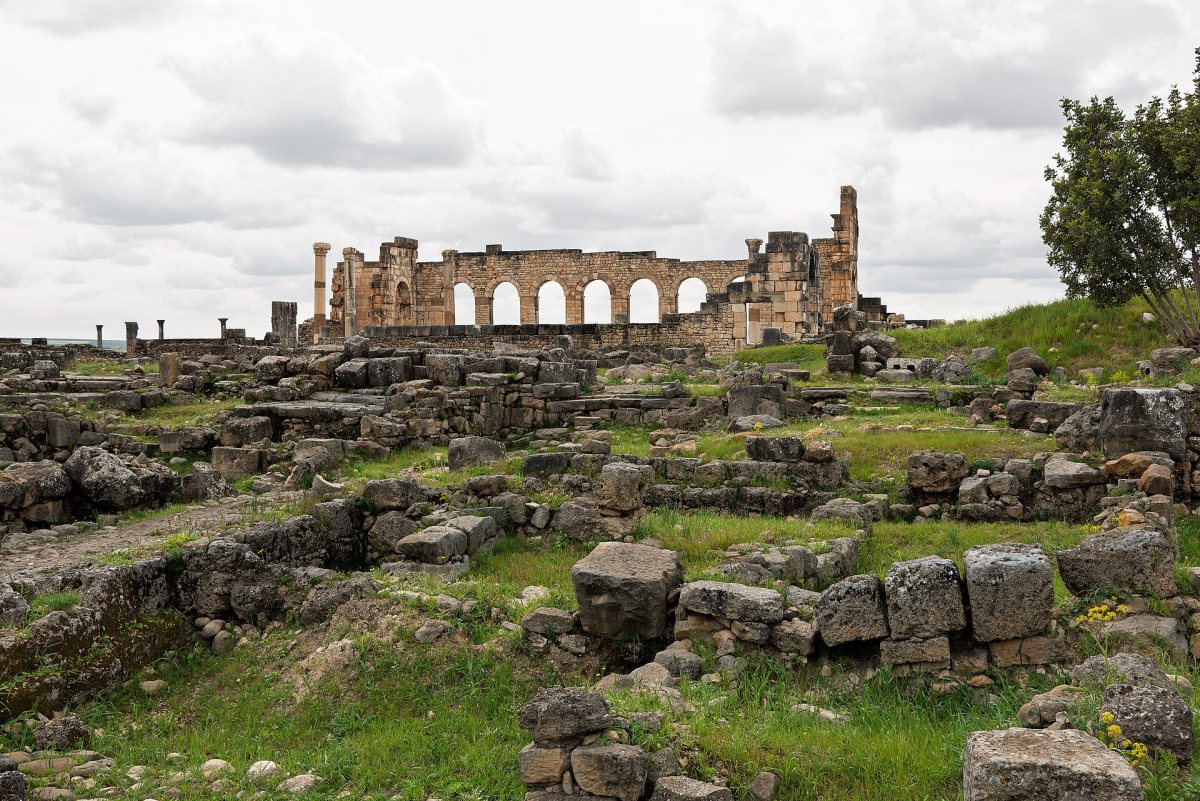
UNESCO’s Volubilis description explains its importance as an ancient capital and later Roman outpost with extensive surviving remains. Choose it when you want to understand a landscape of streets and buildings, rather than make a single photograph beside an entrance. UNESCO’s heritage record is background information, not a ticket-booking service or a current opening-hours notice.
For planning, consider roughly two to three hours at the site, then add the full road journey and any stop in Meknes or Moulay Idriss. This is an editorial allowance: a specialist archaeological visit may need longer. Obtain current admission, guide and access information before departure. Ask about the surfaces on the specific route if mobility is a concern, and plan for exposed conditions without assuming every section has shade. Agree the return pickup and whether a guide is included; a driver transfer and an archaeological interpretation are separate services.
Aït Benhaddou: visit a settlement, not a single standardised interior
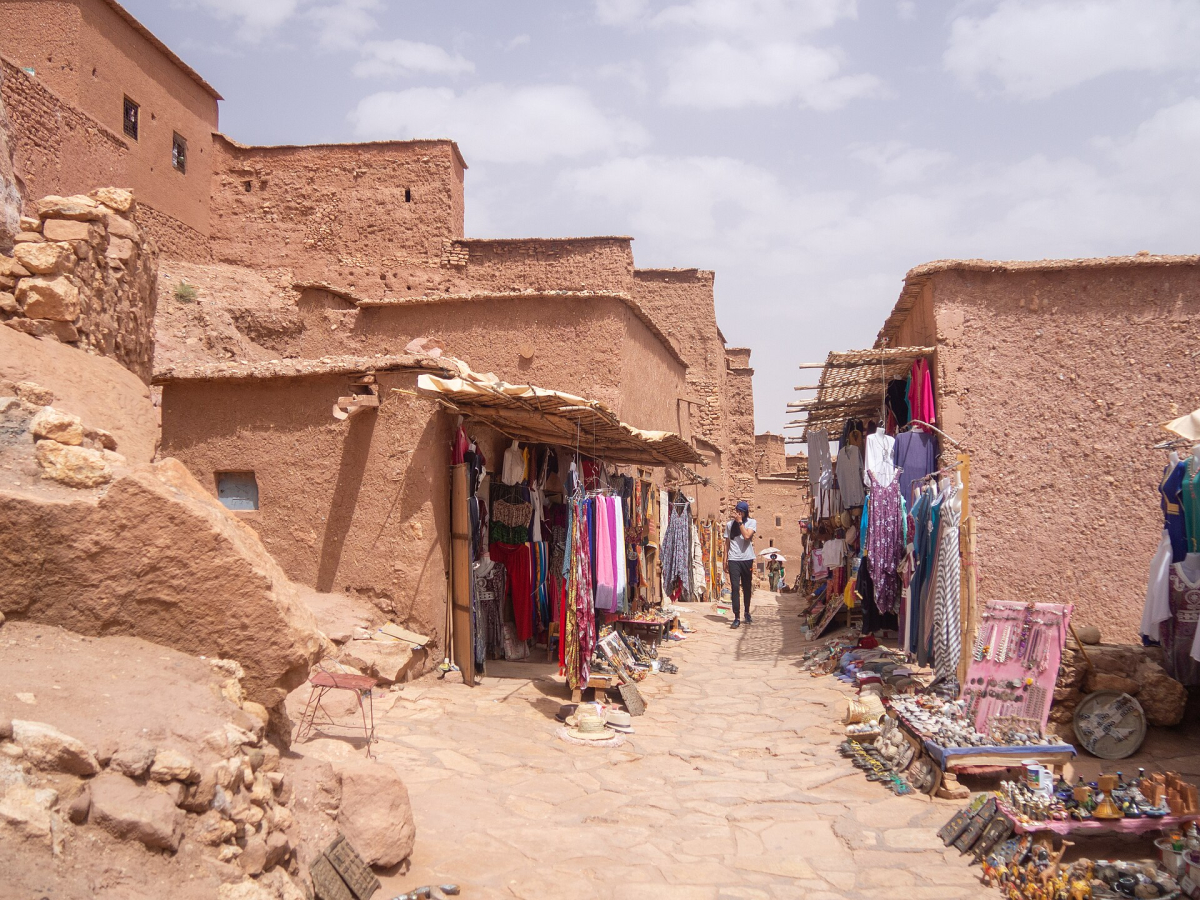
UNESCO describes Aït Benhaddou as an earthen ksar in Ouarzazate province. Its appeal is the relationship between defensive architecture, clustered homes and the surrounding landscape. Choose it as a deliberate part of a southeast journey. A transfer across the mountains and a short stop are not equivalent to having time to explore the place.
Allow roughly one-and-a-half to three hours according to the agreed route, conditions and the spaces you intend to enter. Do not assume a guide’s fee, a privately offered interior and access around the settlement are a single uniform ticket. Ask what is included, where you meet and which entrance or crossing is intended that day. Respect occupied or private spaces and request permission before photographing people. If steps, heat or uneven surfaces would change the visit, discuss a realistic route in advance rather than relying on a panorama to judge the approach.
Turn the shortlist into a workable visiting day
Keep a small record for each booked visit: the official place name, operator or ticket channel, date and time, people covered, cancellation terms, meeting point and what is included. A transport-only tour, a guide service and admission are separate items unless the confirmation says otherwise. Use an official link from the place’s operator to identify the correct booking channel; do not infer that a search advertisement is the operator simply because it uses the attraction’s name.
Match access questions to your needs. Ask about the full entrance, stairs, surfaces, toilets, rest points and the areas covered by the visit. A single accessible garden or street does not establish access to an adjoining museum, historic interior or viewpoint. If an answer is unclear, choose an alternative stop with arrangements you can verify. For a guided experience beyond admission, compare the format and provider in Things to Do.
Keep weather and geography in the plan. An indoor museum and an exposed archaeological landscape can complement each other, but their distance may make them poor same-day partners. Leave space for meals, traffic and the final journey back to your base. Use Best Time to Visit for regional conditions and the Travel Costs & Money guide to separate admissions from guides and transfers.
Morocco attractions FAQ
How is this page different from Things to Do?
This page helps choose specific gardens, museums, monuments and archaeological visits. Things to Do helps compare experiences such as guided walks, workshops and outdoor activities. A useful activity may include an attraction, but its guide, participation and inclusions need a separate decision.
Should I reserve every attraction before travelling?
Prioritise places with date/time entry or fixed guided departures. For flexible visits, check the latest operator information and your route before deciding. A reservation never replaces checking the names, people and components on the confirmation.
Are the suggested visit lengths official durations?
No. They are editorial planning allowances for an unhurried visit. Add travel and ticket collection separately and adjust for exhibitions, guiding, heat, mobility needs or your particular interests.
Does an attraction ticket include a guide and transport?
Only when the stated product says so. Read each component separately and ask about admission, guide language, group size, pickup and return arrangements before paying.
Can I assume a historic place is step-free?
No. Obtain details for the actual entrance and areas you want to visit. Historic surfaces, internal stairs and the journey from the vehicle can matter as much as the main doorway.



